There is a stretch of late spring when Claremont fills up with people who do not live here. The colleges reach the end of their year, families arrive from out of town, spare rooms across the whole town get made up, and lodging within easy reach of the Village becomes scarce.
It is a short season and it barely registers in most discussions of the local calendar. It is also the annual moment when a house gets tested on something no listing sheet measures: how well it holds guests.
What the season actually is
Two things happen at once.
The academic year winds down, which brings visiting relatives, students moving out, and a burst of people driving in for a day or two. And late spring is simply pleasant here, which makes the same weeks attractive for the visits people have been postponing since the holidays.
Add the two together and a fair number of Claremont households spend those weeks hosting. Not a dinner - overnight guests, several days, sometimes overlapping groups.
Guest capacity is a floor plan question
Households discover their guest capacity by exceeding it, usually in this season.
The variable that matters is not bedroom count. It is whether the house can hold extra people without the whole household losing its normal functioning. Some specifics that decide it:
- Bathroom access. A second full bath that a guest can use without walking through a bedroom is worth more than a third bedroom. This is the single most common failure point.
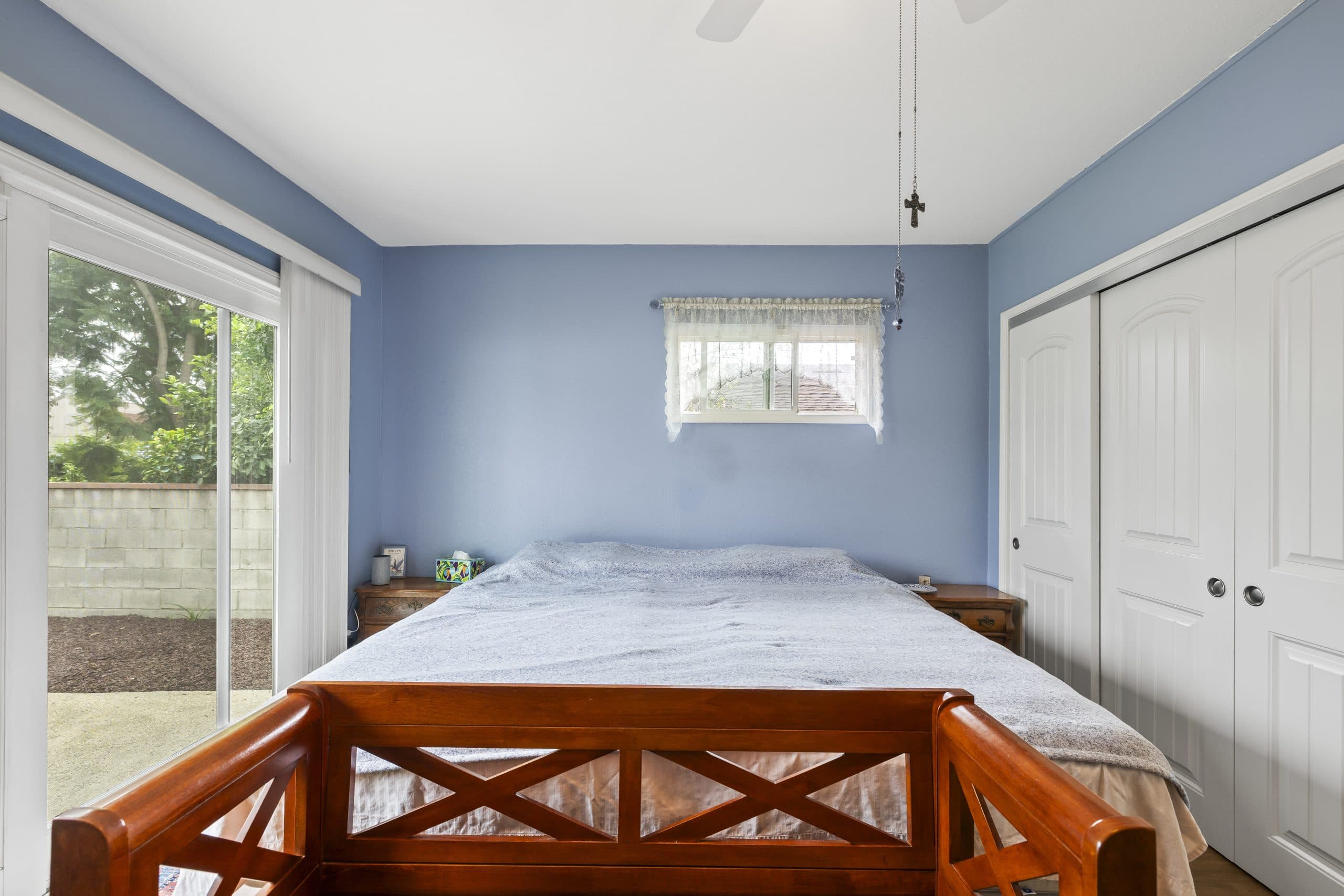
- A closable door. A guest room that is also the office is fine for one night and difficult by night three. A space that can be shut is what turns a room into accommodation.
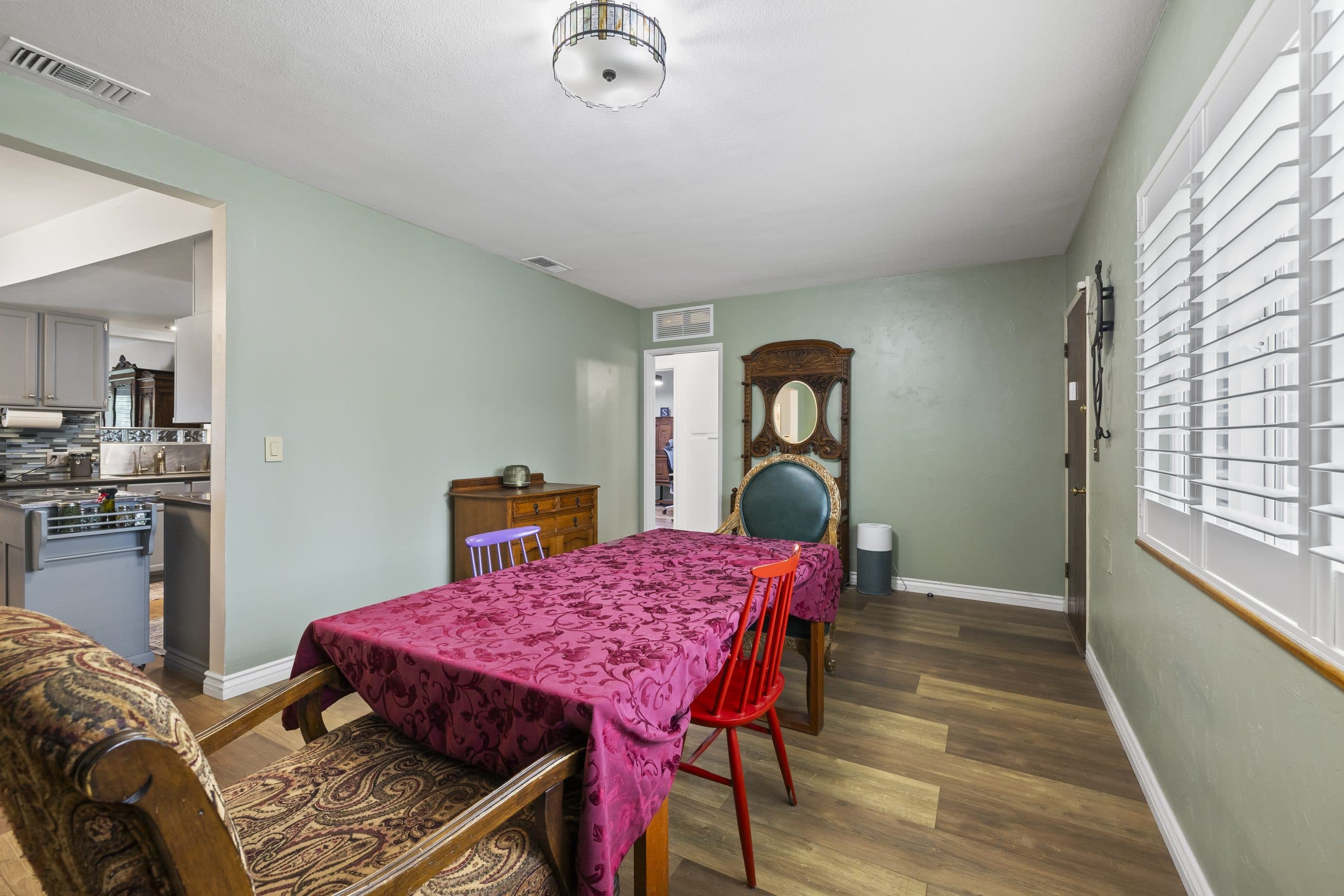
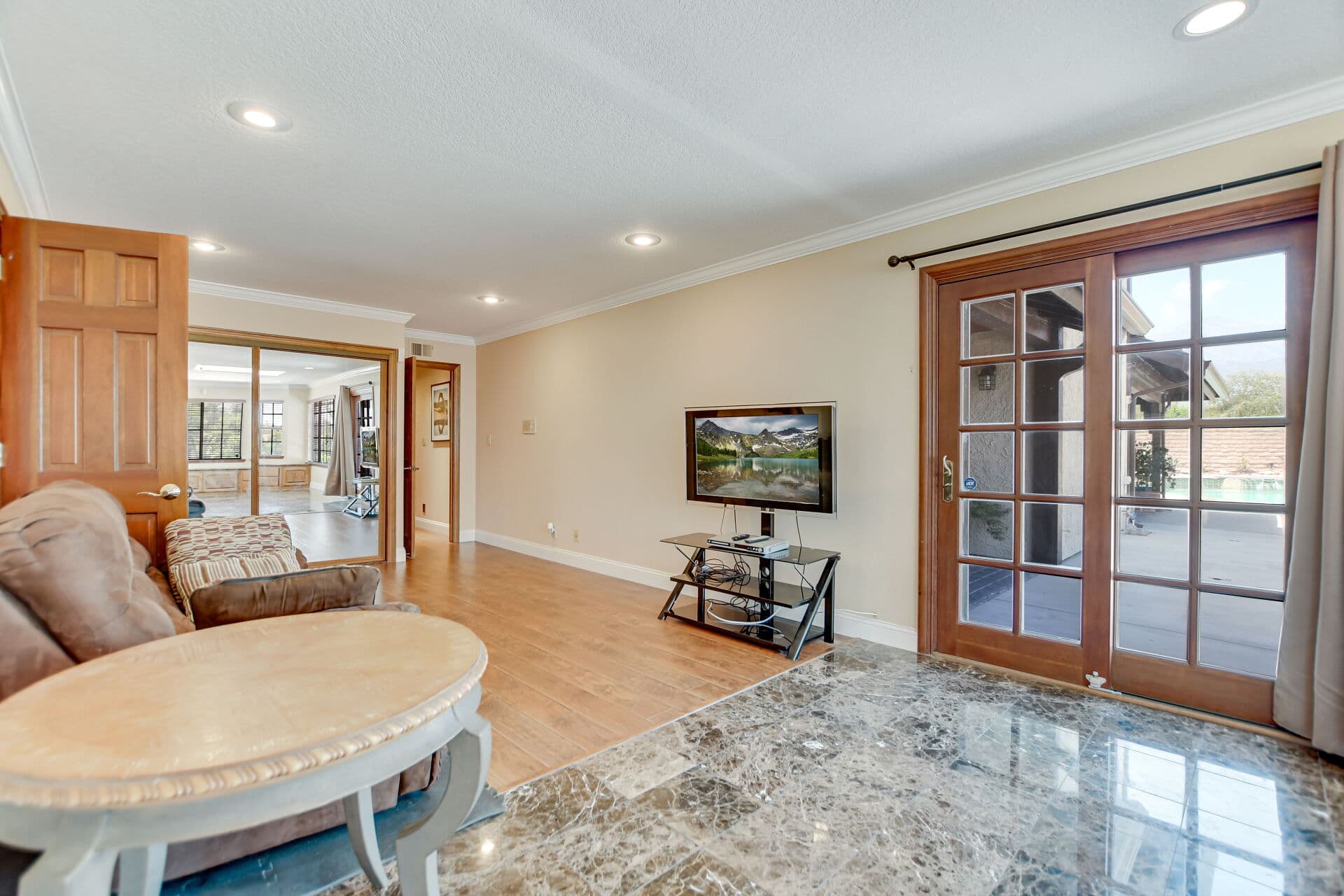
- Two social spaces. One room means everyone shares one evening. Two - a living room and a den, a family room and a covered patio - lets the household and the guests decouple, which is what makes a longer stay comfortable.
- Parking. Extra vehicles for several days is a real constraint on many older streets, and it varies enormously street to street.
- Outdoor space that works in late spring. In this season the yard is a genuinely usable room, which effectively adds capacity - if it has shade at the right hour and somewhere to sit.
What owners can do about it
Most guest-capacity improvements are arrangement rather than construction.
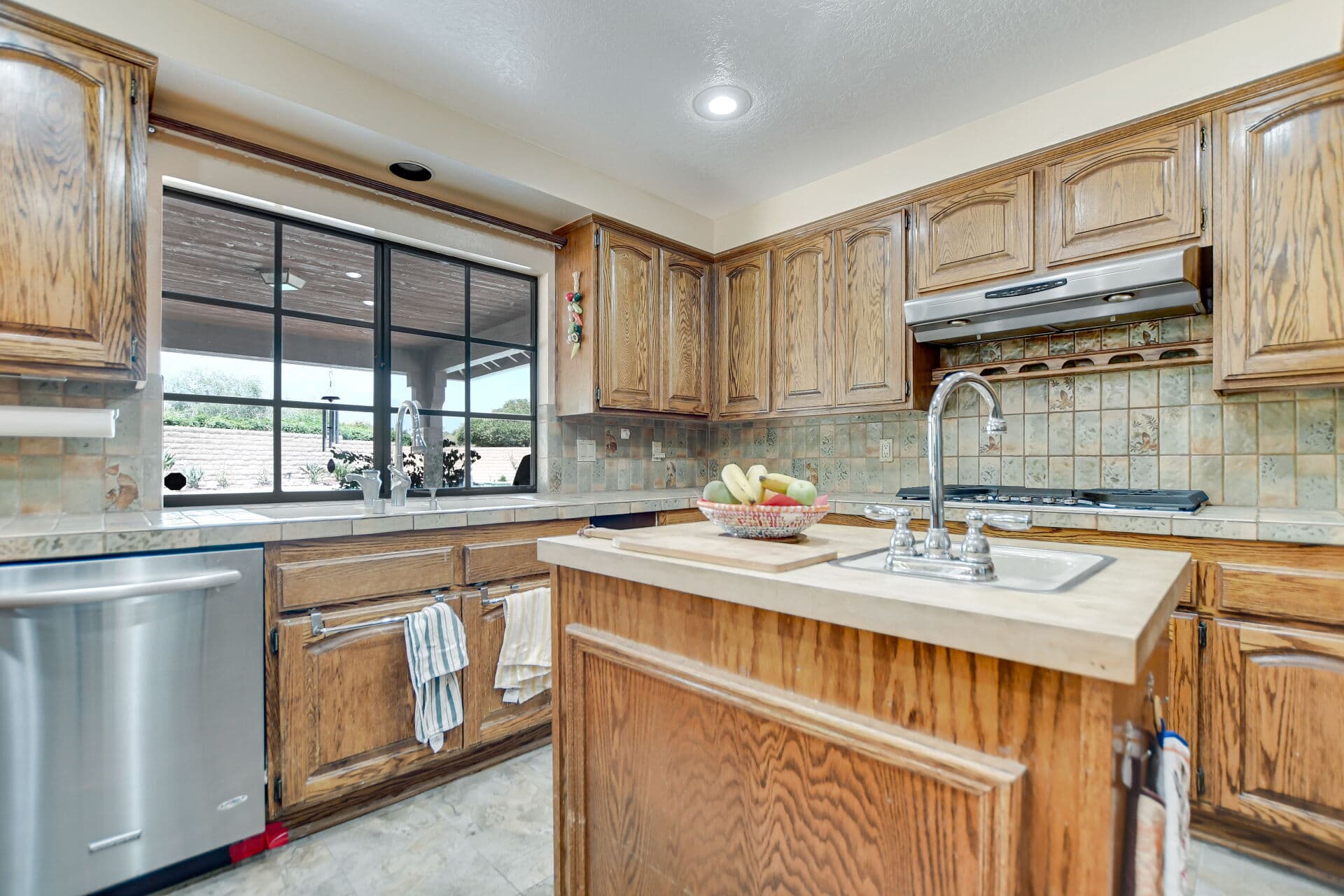
Decide in advance which room becomes the guest room and what has to move out of it, rather than deciding the afternoon someone arrives. Storage is what makes that quick, and in older houses with limited storage it is the whole battle - the same constraint discussed in the seasonal storage guide.
Sort out the bathroom situation before the season, not during it. That usually means the boring things: somewhere for guests to put a toiletry bag, a hook, towels that are visibly theirs.
And use the outdoors deliberately. Breakfast outside in this season moves an entire meal out of a kitchen that is not big enough for six people, and it is the one time of year the weather cooperates without either the heat or the short evenings interfering.
Why this matters to buyers
Guest capacity is one of the most under-examined criteria in house hunting, and people are consistently surprised by how much it matters after they move.
If your family visits, if you host, or if you are moving here from far enough away that everyone who visits will stay the night, then a floor plan that handles guests is not a luxury - it is a feature you will use every year. Walk a candidate house asking a specific question: where would two extra adults sleep, wash, and sit in the evening without displacing anyone?
It is also a seasonal blind spot. Tour a house in a quiet month and hosting never comes to mind. Tour it in the guest-heavy weeks and you will see other people's houses doing the job, or failing to.
The market side of the same weeks
Sellers should know that these weeks bring an unusual kind of foot traffic to town: visitors with a reason to look at the place, some of whom will be back later as buyers - parents thinking about a second home or a future move, people who have been visiting for years and finally want an address here.
That does not change the fundamentals of a spring listing, which are covered in the spring seller's playbook. It does mean the town is being seen at its best by more outsiders than usual, and that a house showing in these weeks is showing to a slightly different audience than it would in a quiet month.
The week after is its own event
Households plan for the guests and forget the aftermath.
When students move out and visitors go home, a house is left holding boxes, furniture that came back from a dorm room, and the general residue of a full week of company. Some of it belongs in the house permanently and most of it does not, and the longer the decision waits the more likely it is that a garage absorbs the whole problem for a year.
The realistic plan is to book the clear-out into the same fortnight rather than treating it as a separate project. The weather is still comfortable, the household is already in motion, and nothing has yet been put somewhere temporary and forgotten. This is also the last mild working window before the heat, which makes it the natural moment to finish anything outdoors that guests interrupted.
The takeaway
A short season, easy to overlook, and genuinely diagnostic. It tells a household what its house can actually do with company in it, and it tells a buyer to ask a question they otherwise would not have thought of until their first visitors arrived.
Anthony Grynchal has been licensed in California since November 2009.
Work through the rest of the local year at the seasonal guides hub, and see the season that follows in the summer guide.
Frequently asked questions
Why does Claremont get busy in late spring?
The academic year winds down, which brings visiting families, students moving out, and day visitors, and late spring is simply a pleasant stretch here, which draws the visits people postponed over winter. The two overlap, so a lot of households end up hosting overnight guests in the same few weeks.
What actually determines a home's guest capacity?
Not bedroom count. Bathroom access that does not run through a bedroom, a guest room with a door that closes, a second social space so the household and the visitors can decouple in the evening, parking for extra vehicles, and usable outdoor space in the mild months.
Can I improve guest capacity without renovating?
Usually yes. Most of it is arrangement - deciding in advance which room converts and what has to leave it, solving storage so the conversion takes minutes, sorting basic bathroom logistics ahead of the season, and using outdoor space deliberately for meals.
Should buyers evaluate a house for hosting?
If family visits, if you host, or if you are relocating from far enough away that visitors will stay overnight, then yes. Walk the house asking where two extra adults would sleep, wash, and sit in the evening without displacing the household.

Written by
Anthony Grynchal
Anthony Grynchal is a California real estate professional with eXp Realty, licensed since November 2009 (California DRE# 01873626), and the Designated Local Expert™ for Claremont — where he has lived for more than 33 years.
More about AnthonyPublished · Updated