
Spring earned its reputation as THE listing season honestly, and in Claremont the case is stronger than most places — but the same logic that makes spring attractive makes it crowded, and the sellers who win the season are the ones who understood both halves. This is the playbook: why spring genuinely works here, the preparation clock that starts in winter, and the differentiation discipline that matters precisely because everyone else read the same calendar. It deepens the seasonal guide and applies the selling guide's fundamentals to one season; the summer sequel is the family-move-window guide.
Why spring works in this town specifically
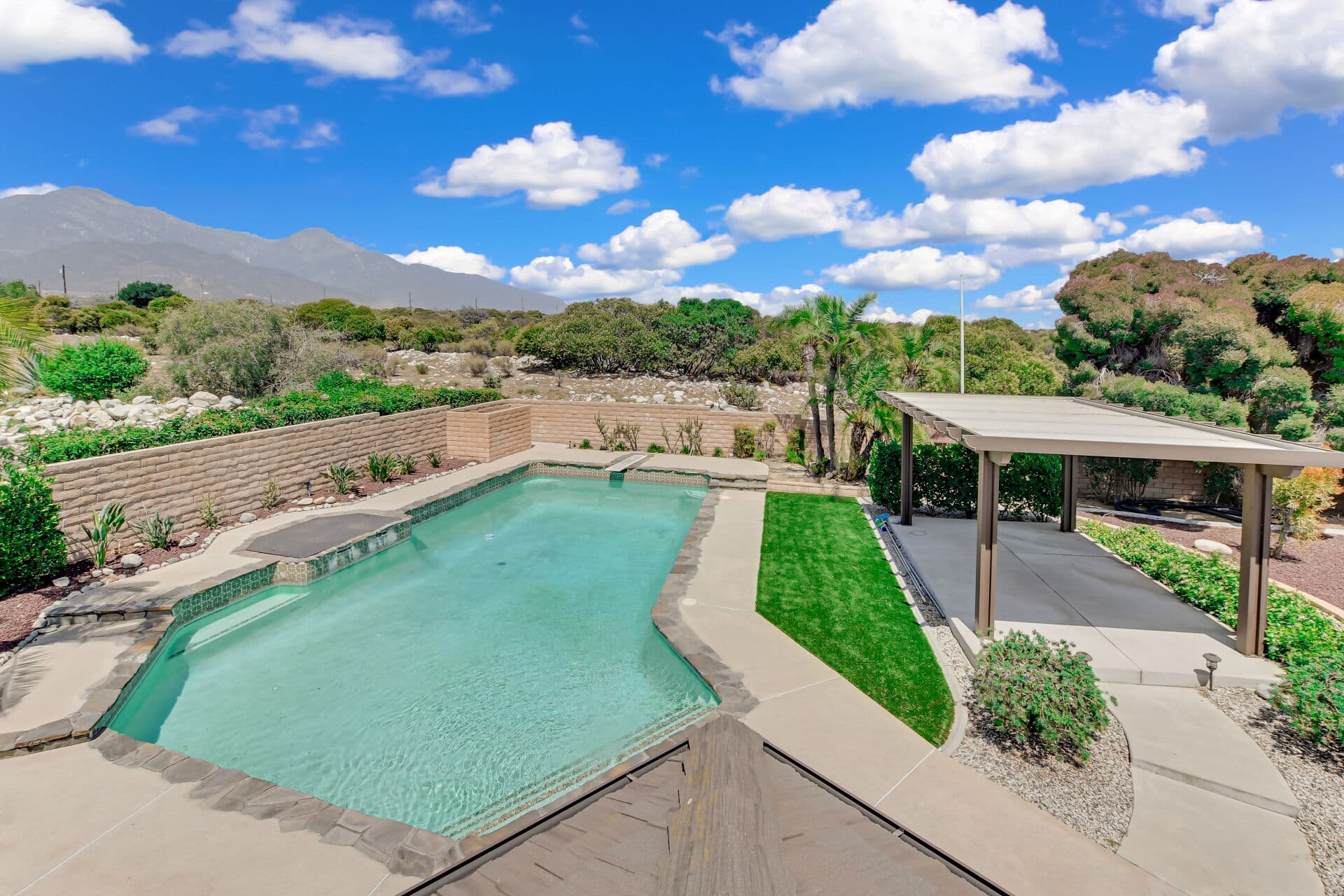
Three mechanics, all visible from the curb. FIRST, Claremont photographs and shows best in spring — the season guide's canopy-and-garden show is, from a seller's chair, free staging: the same mature landscape buyers pay a premium for is at its annual peak, and a listing shot in April carries production value a January shoot cannot buy. SECOND, the buyer pool deepens on a schedule: family buyers — a core Claremont stream — start shopping in spring because they are solving for a summer move and a fall school start, which means the season's buyers are not browsers but clocks in motion. THIRD, logistics ease: longer evenings expand the showing day, and the whole transaction pipeline — inspectors, appraisers, movers — runs at full capacity. None of this is secret, which is exactly the strategic problem: the season's advantage is priced in by the competition it attracts.
The clock runs backward: spring launches are winter projects
The playbook's most practical insight is arithmetic: a listing that launches in prime spring was prepared in winter. Work the sequence backward from your target launch. REPAIRS AND PROJECTS in the winter months — the finish-the-almost-done discipline the preparation guide teaches, done while contractors are bookable rather than besieged. DISCLOSURES AND DOCUMENTS assembled before marketing, per the selling guide's before-the-sign checklist. THE GARDEN on the horticultural clock, not the listing clock: spring curb appeal is planted and pruned months earlier, and a mature Claremont garden rewards an owner who worked with its calendar. PHOTOGRAPHY timed to the bloom, not the contract date. A seller who starts preparation the week they decide to 'list this spring' is usually a summer listing wearing spring intentions — which is not a disaster (summer has its own playbook) but is not the plan they thought they had.
Standing out in the crowded season
Spring's double-edge — more buyers, more competitors — makes differentiation the whole game, and the levers are the unglamorous ones. PRICE TO THE SEASON'S REALITY: a crowded field punishes aspiration pricing faster than a thin one, because buyers with fresh comparables next door calibrate instantly; the pricing-strategy reading the buyer-side guide teaches works in reverse for sellers choosing their list strategy. CONDITION AND DOCUMENTATION beat decoration: in a season of staged listings, the one with the systems folder — the repipe paper, the roof invoice, the documented order this site preaches — reads as the safe purchase, and safe wins tiebreaks. LAUNCH DELIBERATELY: the debut-weekend choreography the open-house guide maps earns its keep most in spring, when accumulated buyer attention can be concentrated on a well-timed first weekend. And STAY HONEST ABOUT THE CALENDAR: spring rewards readiness, not the word 'spring' — a fully-prepared April listing beats a rushed March one every time.
The decision, honestly framed
Should you wait for spring? The honest answer is the seasonal guide's standing theme: seasonality is real but secondary. A prepared listing in any month beats an unprepared one in the best month; life events, not calendars, drive most sale timing; and a buyer on a clock exists in every season. What spring offers is a tailwind — the town at its best, the deepest family-buyer pool, the fullest pipeline — and tailwinds are worth taking when your own timeline allows. When it does: start in winter, differentiate on condition and documentation, launch deliberately, and let the season's free staging do what it does. When it does not: the fundamentals that actually sell houses are in season all year.
Anthony Grynchal has been licensed in California since November 2009 and has launched listings in every month of the year — the spring ones enjoyed the tailwind, and the prepared ones outperformed regardless. This is general information; your dates, your property, and current conditions belong to a live conversation.
Frequently asked questions
Why is spring the best season to sell in Claremont?
Three mechanics: the town's canopy-and-garden peak is free staging for the mature landscape buyers pay for, family buyers shop in spring solving for summer moves and fall school starts, and longer evenings plus a full-capacity transaction pipeline ease logistics. The catch: every seller reads the same calendar.
When should I start preparing for a spring listing?
Winter — the clock runs backward. Repairs while contractors are bookable, disclosures assembled before marketing, the garden worked on its horticultural calendar, photography timed to the bloom. Deciding to 'list this spring' in March usually produces a summer listing wearing spring intentions.
How do I stand out when spring inventory is crowded?
The unglamorous levers: price to the crowded season's fast-calibrating reality, lead with condition and documentation (the systems folder reads as the safe purchase, and safe wins tiebreaks), and launch deliberately with a concentrated debut weekend rather than drifting onto the market.
Is it worth waiting months for spring to sell?
Only when your own timeline allows — seasonality is a tailwind, not a strategy. A prepared listing in any month beats an unprepared one in the best month, and buyers on clocks exist year-round. If spring fits, start in winter and take the tailwind; if not, the fundamentals sell houses in every season.

Written by
Anthony Grynchal
Anthony Grynchal is a California real estate professional with eXp Realty, licensed since November 2009 (California DRE# 01873626), and the Designated Local Expert™ for Claremont — where he has lived for more than 33 years.
More about AnthonyPublished · Updated