Ask someone who moved here from a colder state what surprised them about the housing and eventually you get to this: there is nowhere to put the boxes. No basement, and in a great deal of the local stock, no attic worth the name either.
Claremont's postwar ranch neighborhoods, its mid-century tracts, and its slab-on-grade infill were not built with seasonal storage in mind, because the climate did not demand a second wardrobe. What the climate did not anticipate is that people still own holiday decorations, patio cushions, luggage, sports equipment, space heaters, and the four boxes of paperwork nobody will ever open. Those things have to live somewhere for most of the year.
Where the storage actually is
In a house with no basement and a low-clearance roof structure, the seasonal capacity is usually spread across four places, each with its own problem.
The garage. The default, and the worst one for anything sensitive. An attached garage in this valley gets genuinely hot through the long dry season, and an unconditioned space under a sunlit roof runs hotter than the outside air. Heat and heat cycling are what damage stored goods - not a single hot day, but months of it.
Garage rafters and overhead racks. More capacity than people use, and the hottest air in the building sits up there. Fine for plastic bins of hardscape items. Poor for anything with adhesive, wax, magnetic media, or an image on it.
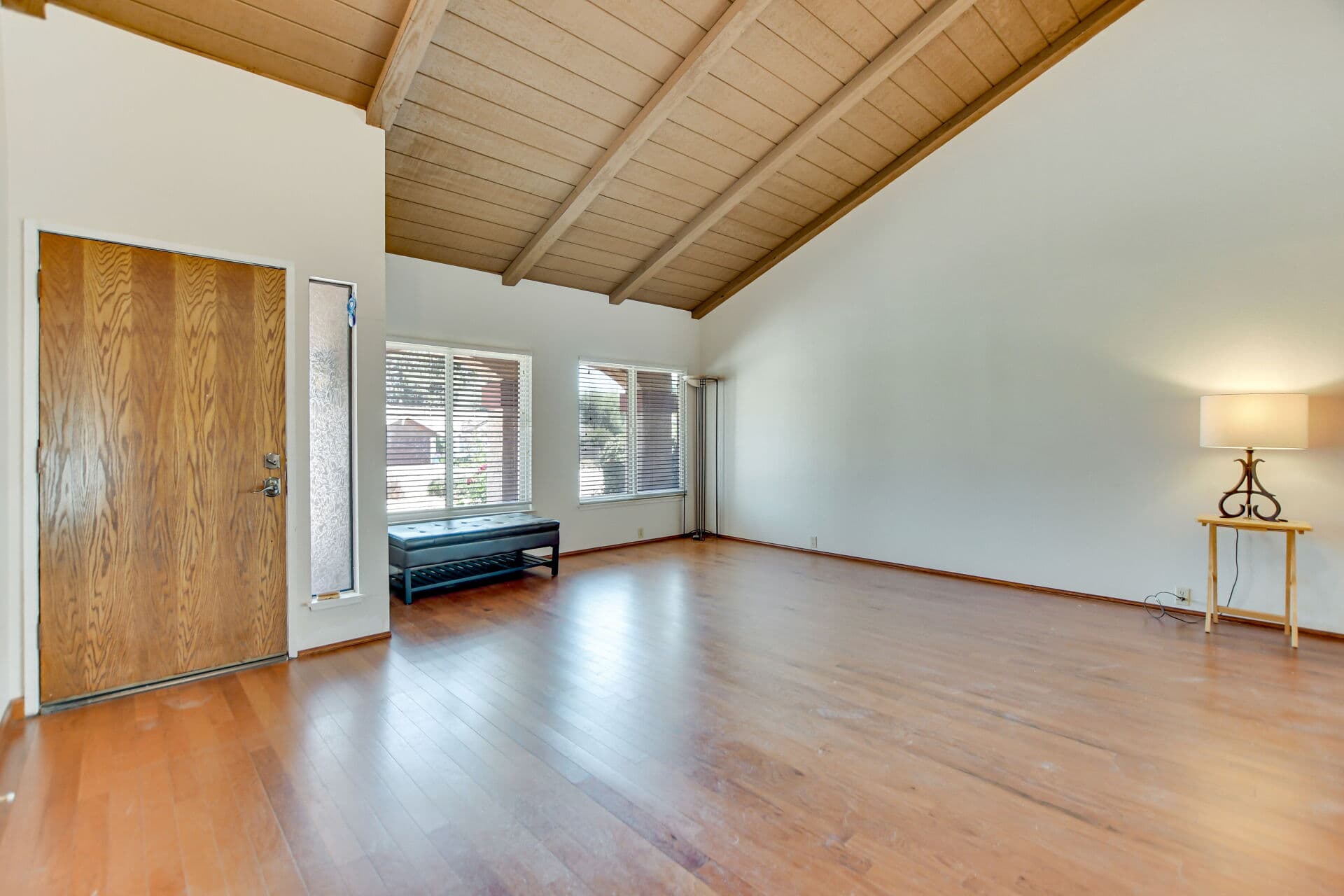
Closets and hall cupboards. The only conditioned storage many of these houses have, which is why they fill first and why a buyer's first impression of storage is formed by opening one.
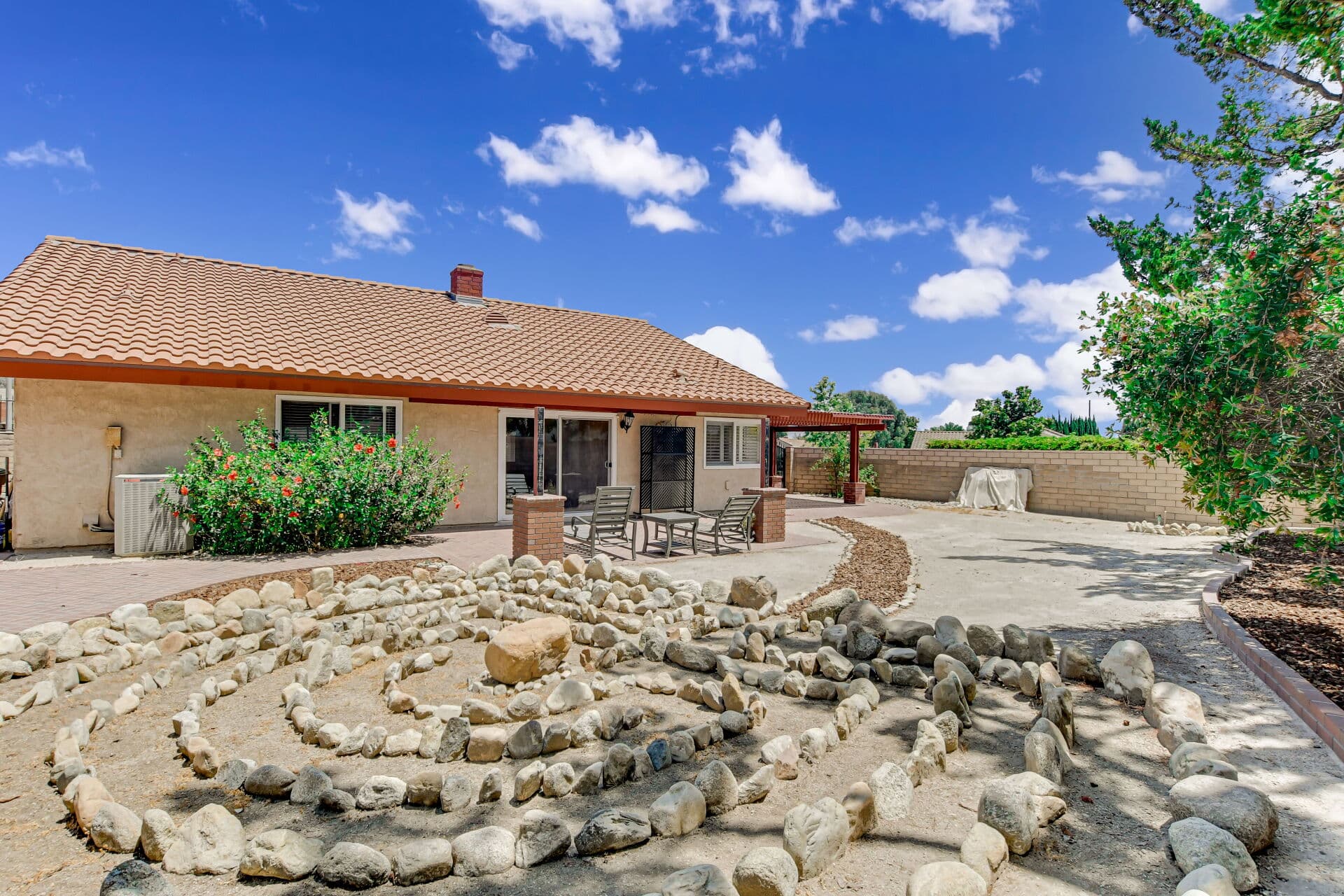
The side yard. Sheds, deck boxes, and the narrow strip beside the house. Useful, weather-exposed, and the place where drainage and pest problems begin if it is packed to the fence.
What heat actually ruins
People assume that because it rarely freezes here, storage is easy. The failure mode is the opposite one. Sustained heat in an unconditioned garage or overhead rack degrades a predictable list.
- Photographs, negatives, and printed material - curling, sticking, fading.
- Candles, wax, and anything with an adhesive backing, including labels and tape on the bins themselves.
- Electronics and batteries. Stored batteries in particular do not enjoy a hot garage, and leaking cells ruin whatever they were packed with.
- Vinyl records, tapes, and film.
- Paint, solvents, and aerosols, which also raise a safety question in a hot enclosed space.
- Anything upholstered, which absorbs and holds odor in heat.
The practical rule is simple: if it would be unhappy sitting in a parked car all summer, it does not belong in the garage. That short list of items needs interior space, and finding interior space is the actual project.
Moisture and pests, the two quieter problems
Cardboard on a slab is a bad idea in any climate, and here it is a specific one. Slabs pass moisture, and a box left flat on concrete through a wet stretch wicks it. Bins on pallets, shelving, or racks solve it for the cost of an afternoon.
Pests are the other tax. Cardboard is habitat, and a stack of it in a warm garage or an overloaded side yard is an invitation. Sealed plastic bins are not a luxury item here; they are the difference between storing something and feeding something. Pest specifics belong to a pest professional, but the storage-side prevention is entirely about materials and clearance.
The part that affects a sale
This is where seasonal storage stops being a housekeeping topic. Buyers in this market evaluate storage constantly, mostly without saying so, and they do it by opening doors. A garage packed to the ceiling with bins does not read as "this family owns a lot of holiday decorations." It reads as "this house has no storage," and that impression is very hard to argue a buyer out of afterward.
The correction is not clever shelving. It is removing volume before listing so that the storage which exists can be seen. Two rules do most of the work:
- A garage should show at least one clear parked-car footprint and a visible floor. A buyer needs to see that the car fits.
- Closets should be visibly under capacity, not merely tidy. A full closet neatly arranged still reads as full.
Off-site storage during a listing period is a real expense and, for a house whose stored volume is the issue, usually the cheapest presentation fix available. It also makes the eventual move easier, since a portion of the packing is already done.
Building more storage
Sheds, overhead racks, garage conversions, and any structure in a side or rear yard raise questions about setbacks, height, permitting, and in some cases whether the structure changes how the property is described. Those questions are answered by the City of Claremont's planning and building staff for your specific parcel, and if a property is in a homeowners association or a historic overlay there may be a second layer of review. Confirm before you buy materials, not after. A permanent structure built without the right approvals becomes a disclosure item and a negotiation item at sale.
A seasonal rhythm that works
The households that manage this well do not have more space. They rotate. Cold-weather bedding, heaters, and rain gear come forward as the wet season approaches and go back afterward. Patio cushions, shade sails, and pool equipment go the other way. Holiday storage is consolidated into one clearly labeled block rather than scattered. And once a year, ideally in the mild stretch when a garage is bearable to work in, the whole system gets opened, culled, and closed again.
That annual pass is also when heat damage gets caught before it spreads, and when the sealed-bin discipline gets re-established. It is unglamorous and it is the only thing that stops a garage becoming a landfill with a door.
Anthony Grynchal has been licensed in California since November 2009.
The rest of the local year is mapped at the seasonal guides hub, and if you are getting a house ready to show, start with a homeowner's year and selling in fall.
Frequently asked questions
Why do so many Claremont homes have no usable attic or basement?
Much of the local stock is postwar ranch, mid-century tract, or slab-on-grade infill built for a mild climate where a second seasonal wardrobe and a furnace room were not necessary. Low-slope roof framing leaves little usable overhead volume, and basements were never standard in the region.
What should never be stored in a Claremont garage?
Anything that would be unhappy sitting in a parked car all summer: photographs and printed material, candles and adhesives, electronics and batteries, tapes and records, and upholstered items. Sustained heat and heat cycling in an unconditioned garage degrade all of them over months.
Does a full garage really hurt a home sale?
It hurts the impression. Buyers judge storage by opening doors, and a garage packed to the ceiling reads as a house with no storage rather than a family with a lot of boxes. Clearing enough volume to show a parked-car footprint and a visible floor is one of the cheapest presentation fixes available.
Do I need approval to add a storage shed?
Possibly. Setbacks, height, and permitting rules apply to structures, and homeowners association or overlay review may add a second layer. Confirm with the City of Claremont's planning and building staff for your parcel before building, because an unapproved permanent structure becomes a disclosure and negotiation item at sale.

Written by
Anthony Grynchal
Anthony Grynchal is a California real estate professional with eXp Realty, licensed since November 2009 (California DRE# 01873626), and the Designated Local Expert™ for Claremont — where he has lived for more than 33 years.
More about AnthonyPublished · Updated