Claremont's canopy is one of the genuine reasons people move here, and for a stretch of the spring it is also the reason some of them cannot stop sneezing in your living room.
Sellers rarely think about this, and it is worth thinking about, because a buyer's physical comfort during a showing shapes their impression of a house in ways they will never attribute correctly. Nobody says the house made me sneeze. They say something about it did not feel right.
This is not a case for cutting anything down. The canopy is an asset, and the argument for treating it as infrastructure is made in the guide to the Claremont homeowner's year. It is a case for managing a short, predictable, annual nuisance well.
What is actually happening
Pollen is a plant reproductive strategy, and the plants that make people miserable are generally the ones broadcasting it into the air rather than relying on insects. That is why a spectacular flowering display is often not the culprit, and a nondescript tree quietly releasing clouds of fine material usually is.
In a heavily planted town the volume of that material is simply higher than in a bare one, and it settles on everything: cars, patio furniture, window sills, entry mats, pool surfaces and the outdoor rooms a spring showing is supposed to sell.
The timing varies between species, which is why the season is not one event but a sequence, and why one household's difficult weeks are not the same as another's. Anyone wanting a specific medical answer about a specific reaction should be asking a clinician, not a real estate article.
What it does to a showing
Three effects, in descending order of how often they matter.
THE VISIBLE FILM. Yellow-green dust on a dark car, a glass table, a window sill or a pool surface reads as a house that has not been cleaned recently, even when it was cleaned yesterday. Buyers do not think about pollen; they register dusty.
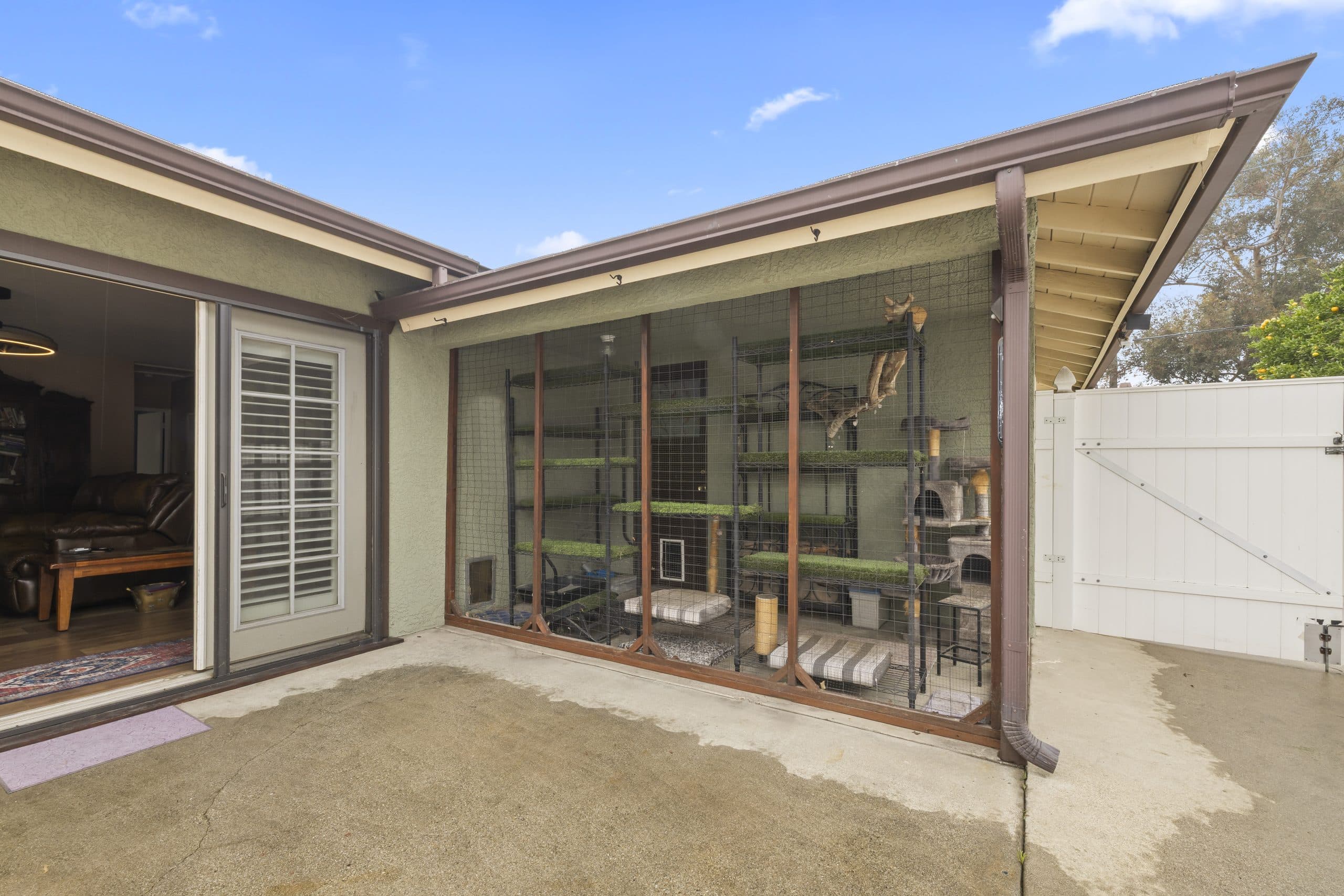
THE OUTDOOR ROOMS. A patio, deck or garden seating area is a selling feature in Claremont, and a coated one is not being shown at its best. A buyer who does not want to sit down has not experienced the space.
THE PHYSICAL REACTION. A buyer whose eyes are streaming does not linger, and time in the property is one of the few things a seller genuinely benefits from. The same buyer touring a different house on a better day for them will remember that house as more comfortable.
What sellers should actually do
The interventions are cheap and mostly about timing and surfaces.
Clean the outdoor surfaces close to the showing rather than early in the week. Pollen is a reaccumulating problem, and a Monday clean does not survive to Saturday. Patio furniture, glass, railings, entry steps and the door itself are the ones that get looked at.
Deal with the entry sequence specifically. A swept, washed, uncoated approach and a clean mat set the tone before anyone is inside.
Change the filters. Air handling filters in a house that has been drawing in spring air are frequently overdue, and a fresh filter both improves what circulates and looks like maintenance to an inspector.
Consider running the air handling system on circulation before a showing rather than opening every window on a heavy pollen day. This is the one point where the usual advice to air the house out needs judgement, and it depends on conditions on the specific day.
Wipe interior sills and hard surfaces near windows and doors, which is where the settled material shows up indoors.
Keep it out of the photography. The point about scheduling and conditions for images is made in the guide to photographing a listing by season, and a coated patio in a hero image is a real and avoidable problem.
Do not fake it, and do not hide anything
Two temptations to resist.
Heavy fragrance is not a solution. A strongly scented house reads as a cover-up, and for a buyer already reacting to something in the air it makes the experience worse rather than better.
And nothing here justifies concealing a genuine problem. Pollen is a normal seasonal condition. Mould, persistent damp or an ongoing air quality issue is not, and those are disclosure matters rather than presentation matters. If a buyer's reaction inside a house is markedly different from their reaction outside it, that is worth understanding rather than deodorising, because an inspector will look at the same question later.
What buyers should think about
For a buyer with genuine sensitivity, this is a real liveability question and it deserves a straight look rather than a hopeful one.
Visit the property in more than one season if the timeline allows it, and at least be aware that a house toured in the autumn will present differently in the spring. The argument for a second visit under different conditions is made in the piece on spring in Claremont.
Look at what is actually planted on and around the lot, and ask. A seller who has lived through several springs there knows which weeks are difficult.
Then look at the house's ability to manage it, which is the part people forget: the age and type of the air handling system, whether filtration can be upgraded, whether windows seal properly, and whether flooring and finishes hold dust. Those are fixable variables, and they matter more than the species list.
Anything medical belongs with a clinician. Anything about a specific plant or a specific removal belongs with an arborist and, where a tree may be protected or in the public right of way, with the City of Claremont before anything is cut.
Keep the canopy in perspective
It would be a poor trade to treat a mature urban forest as a liability because of a few weeks a year. The shade reduces cooling load, the trees define the character of the streets, and they are the thing that cannot be bought back.
There is no honest published figure for how heavy any given spring will be, and any number offered for it should be treated with suspicion. The pattern is dependable, the intensity is not, and the response is the same either way: clean the surfaces close to the showing, change the filters, be honest about what is a season and what is a defect.
More on how Claremont's calendar affects buying and selling is on the seasonal guides hub. Anthony Grynchal has been licensed in California since November 2009. A dusty patio in April is not a dirty house. It is just a house with trees, and it takes ten minutes to fix before a showing.
Frequently asked questions
Does pollen affect how a Claremont home shows in spring?
Yes, mostly through surfaces and comfort. Settled pollen on patio furniture, glass, sills and pool surfaces reads as an uncleaned house, coated outdoor rooms do not get used during a visit, and a buyer who is physically uncomfortable does not linger. All three are addressable with cleaning timed close to the showing.
Should I open the windows before a spring showing?
It depends on the day. Airing a house out is usually good practice, but on a heavy pollen day running the air handling system on circulation with a fresh filter may present better than opening everything. Avoid heavy fragrance either way, since it reads as concealment and worsens the experience for a sensitive buyer.
Should a buyer with allergies avoid a heavily treed street?
Not automatically. Look at what is planted on and around the lot, ask the seller which weeks are difficult, and assess the house's ability to manage it: air handling age and type, whether filtration can be upgraded, how well windows seal, and whether finishes hold dust. Take any medical question to a clinician.
Can I remove a tree that causes allergy problems?
Not without checking first. Street trees, trees in the public right of way and protected species are commonly subject to local rules, and standing on your own lot does not automatically permit removal. Speak to a certified arborist about alternatives and confirm what is permitted with the City of Claremont before any work.

Written by
Anthony Grynchal
Anthony Grynchal is a California real estate professional with eXp Realty, licensed since November 2009 (California DRE# 01873626), and the Designated Local Expert™ for Claremont — where he has lived for more than 33 years.
More about AnthonyPublished · Updated