
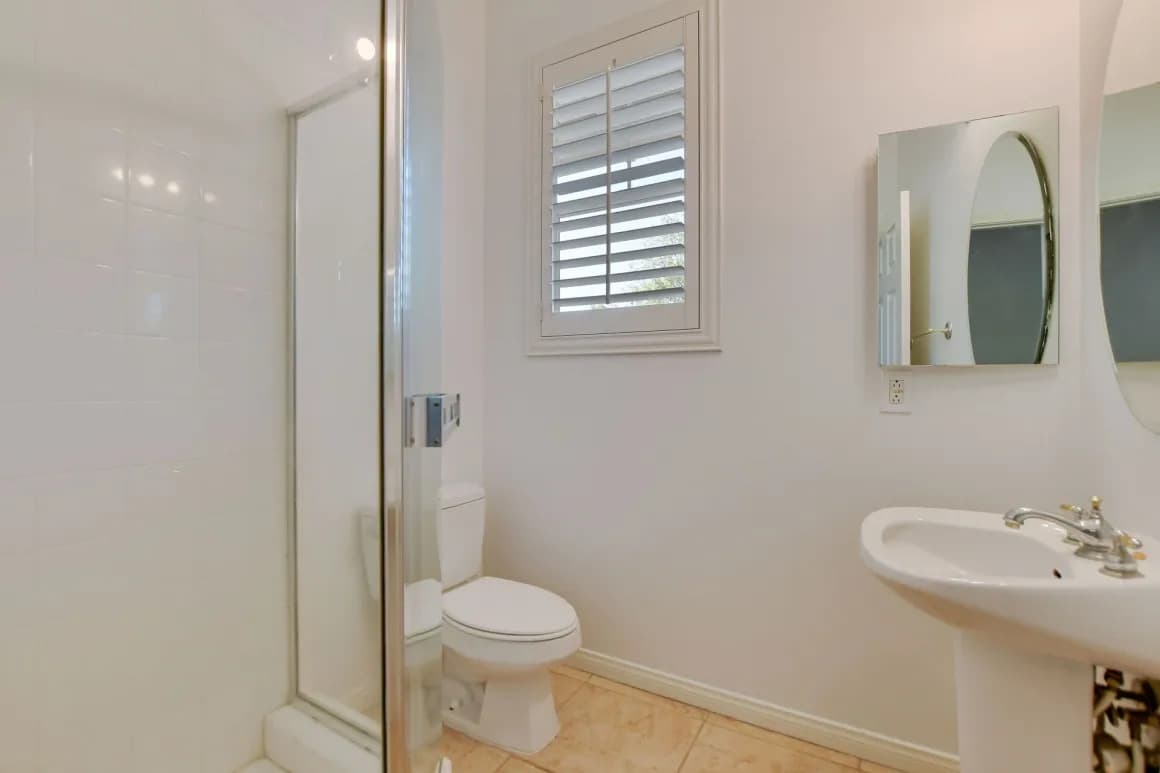
After thirty years in a Claremont home, the renovation question changes shape. A young family remodels for the decades ahead; an owner in their seventies is renovating against a different horizon — years of personal use that may be five or fifteen, and a sale that may come on their schedule or someone else's. That changes which projects make sense, and the honest answer is not 'none': some late-life renovations are among the best money an older owner ever spends, while others pour savings into value the owner will never use and the market will not return. This article is the sorting framework. It deepens the senior living guide; the accessibility-specific modifications — grab bars, ramps, the safety engineering of staying put — are the modifications guide's subject, and this article is the layer around it: the worth-it test for everything else.
The framework: three questions before any project
FIRST, THE STAY-OR-GO QUESTION, answered honestly. Every renovation decision downstream depends on whether this home is the ten-more-years home or the two-more-years home — and 'we haven't decided' is a decision to make only reversible, safety, and maintenance investments until you have. The aging-in-place guide and the downsizing guide frame that fork; the renovation budget should wait for its answer. SECOND, THE DUAL-USE TEST: the best late-life projects serve the owner NOW and the sale LATER without conversion cost. A walk-in shower is the canonical example — safety for the owner today, an ordinary market preference tomorrow; nothing about it reads as specialized. Lever handles, better lighting, a bedroom-and-bath arrangement that works without stairs: the same dual-use logic. THIRD, THE HORIZON-MATCHED PAYBACK: projects whose value is consumed by living with them (comfort, efficiency, safety) price against your realistic years of use; projects justified by resale (the kitchen gut, the addition) price against what the market actually returns — and remodeling-industry research has said for years that major projects typically return only part of their cost at sale. Spending late-life savings on a major remodel 'for the value' is usually the arithmetic error, not the conservative move it feels like.
What tends to be worth it — and what usually is not
WORTH IT, in the usual case: SAFETY AND FUNCTION (the bathroom that works for changing mobility — the modifications guide's territory — plus lighting, flooring transitions, and the small engineering that prevents the fall that forces the move); DEFERRED MAINTENANCE WITH CONSEQUENCES (the roof section, the failing water heater, the electrical panel an insurer flags — these protect both the living years and the eventual sale, and in California's tightened insurance market the documentation file of completed work has become part of a home's insurability); AND MODEST SYSTEMS COMFORT (heating and cooling that actually works in the rooms you live in). USUALLY NOT WORTH IT: THE MAJOR TASTE REMODEL (a new owner routinely re-does kitchens to their own taste — paying for finishes a buyer may replace is the classic over-improvement); THE ADDITION LATE IN OWNERSHIP (long payback, heavy disruption, and permits that trigger their own consequences — note that permitted additions can affect property-tax assessment, a verify-with-the-assessor concept, and that permit history also matters at sale, where the appraisal guide's permits-matter rule applies); and ANY PROJECT SOLD TO YOU RATHER THAN CHOSEN BY YOU, which leads to the warning this article exists to carry.
The protective layer: contracting while older
Older homeowners are the preferred target of home-improvement fraud, and the protective rules deserve stating plainly, without euphemism. NEVER buy a renovation at your own front door — the door-knocker with leftover materials or an urgent roof observation is a pattern, not a coincidence. VERIFY THE LICENSE with California's contractor licensing board for any meaningful job, and know the state's rules on down payments exist to protect you — a contractor demanding a large share up front is announcing something. GET THE PERMIT for work that needs one: unpermitted work haunts sales, insurance claims, and future owners, and the permit is cheap against any of those. PUT IT IN WRITING, always, and for larger projects add a second opinion — a family member, an accountant, or an agent who can say whether the project makes sense against the home's realistic value. None of this is about capability; it is about the fact that a lifetime of home equity makes late-life owners the industry's richest target, and process is the armor. This is general information; contractor bids, the licensing board's current rules, the assessor, and your own professionals govern.
Anthony Grynchal has been licensed in California since November 2009, and his late-life renovation advice compresses to one test: fix what protects you, improve what you will use, and let the next owner pay for their own taste.
Frequently asked questions
Which renovations make sense for older homeowners?
The dual-use projects: safety and function improvements you use now that read as ordinary preferences at sale — walk-in showers, lever handles, better lighting, single-level living arrangements — plus deferred maintenance with consequences (roof, water heater, panel) that protects both the living years and the eventual sale.
Should seniors remodel the kitchen before selling?
Usually not as an investment — major remodels typically return only part of their cost at sale, and buyers routinely re-do kitchens to their own taste anyway. Spend on repairs and presentation instead; a major taste remodel late in ownership is the classic over-improvement error dressed as prudence.
How do renovations affect property taxes and appraisals?
Permitted additions and significant improvements can affect assessment — a verify-with-the-assessor concept — and permit history matters at sale, where appraisers and buyers' lenders look for it. The permit is still the right call: unpermitted work haunts sales, insurance claims, and future owners far more than any reassessment.
How can older homeowners avoid contractor scams?
Process is the armor: never buy work offered at your own front door, verify licenses with California's contractor board, know the state's down-payment protections, get permits, put everything in writing, and add a second opinion on larger projects. Home equity makes late-life owners the industry's richest target — treat urgency itself as a warning sign.

Written by
Anthony Grynchal
Anthony Grynchal is a California real estate professional with eXp Realty, licensed since November 2009 (California DRE# 01873626), and the Designated Local Expert™ for Claremont — where he has lived for more than 33 years.
More about AnthonyPublished · Updated