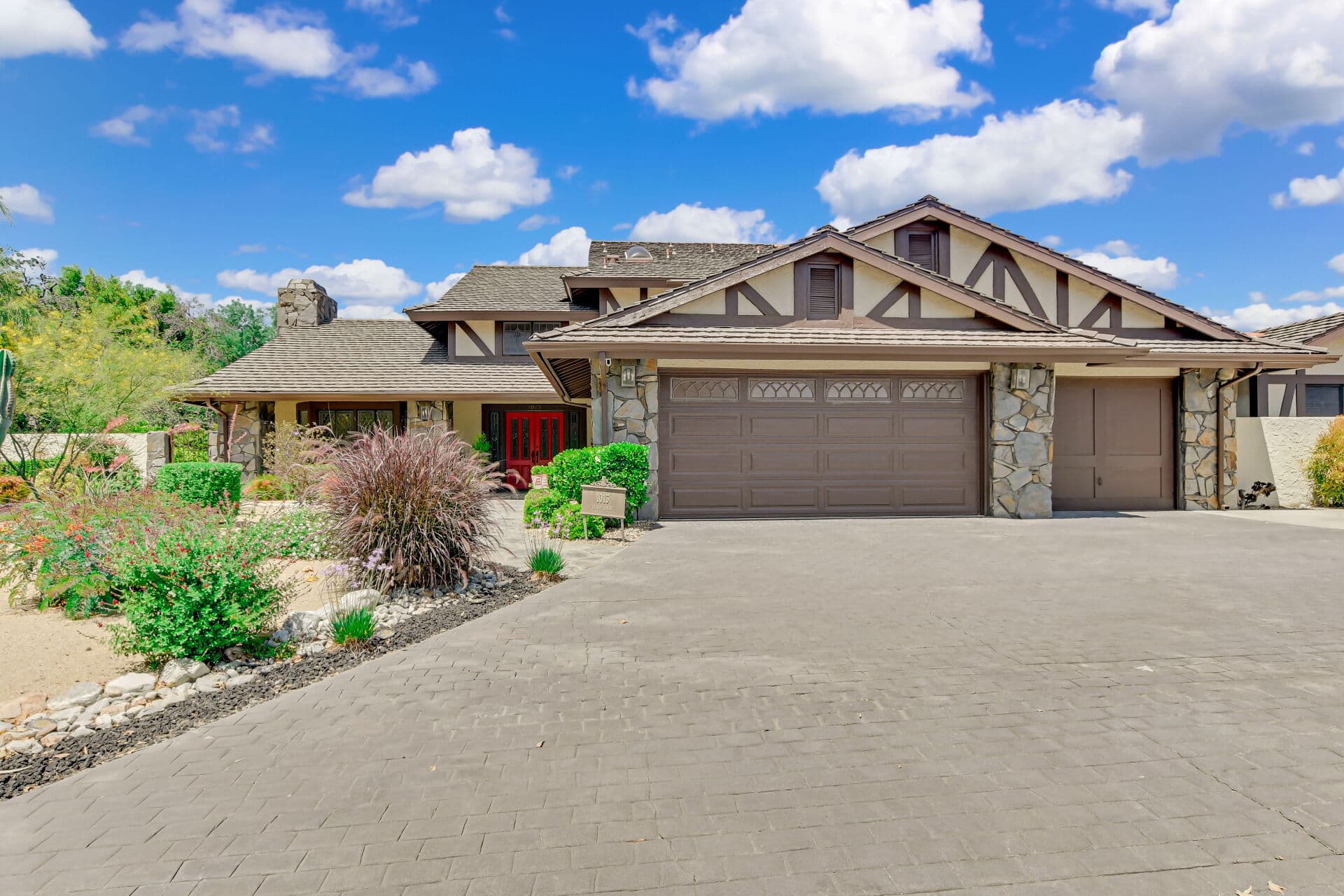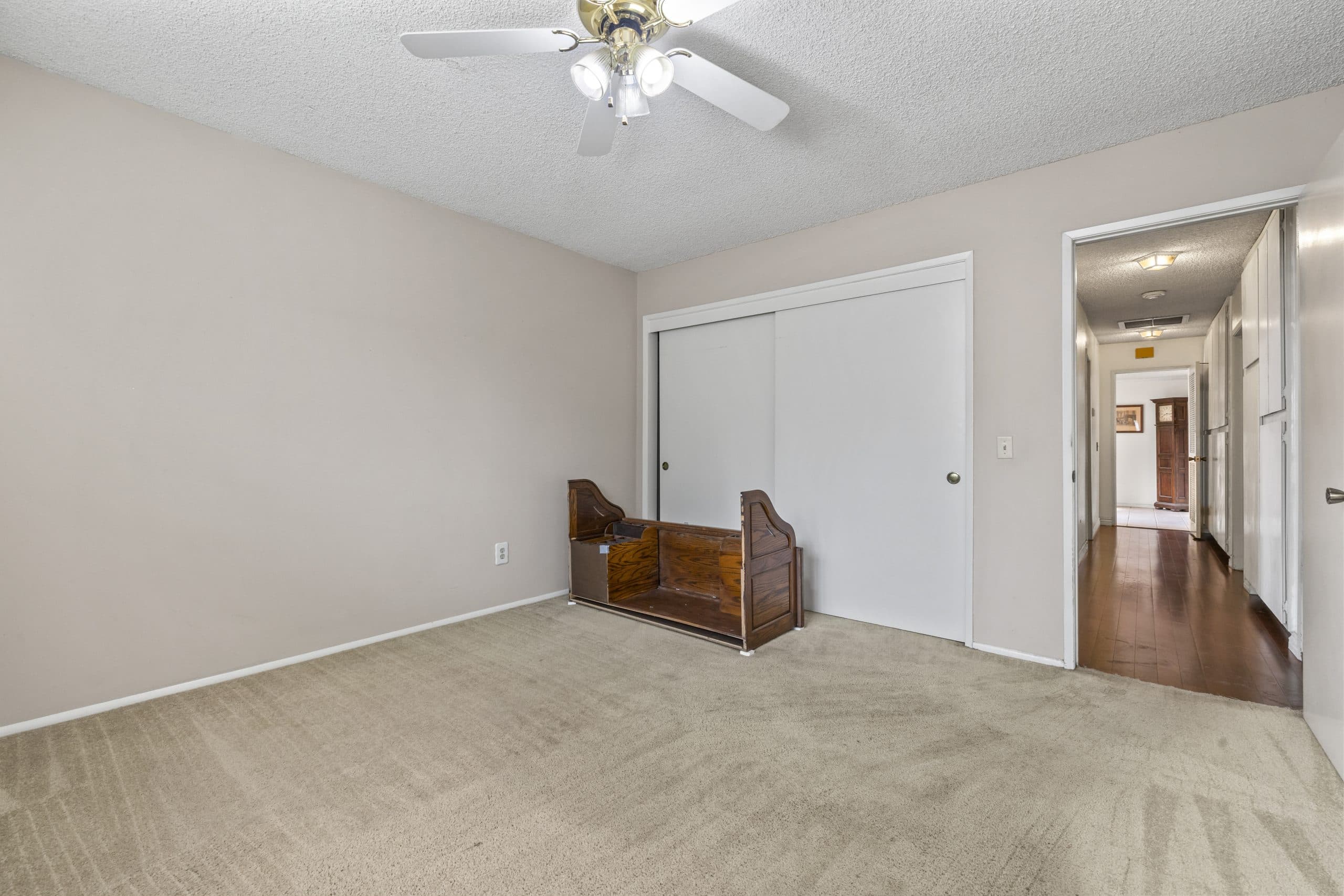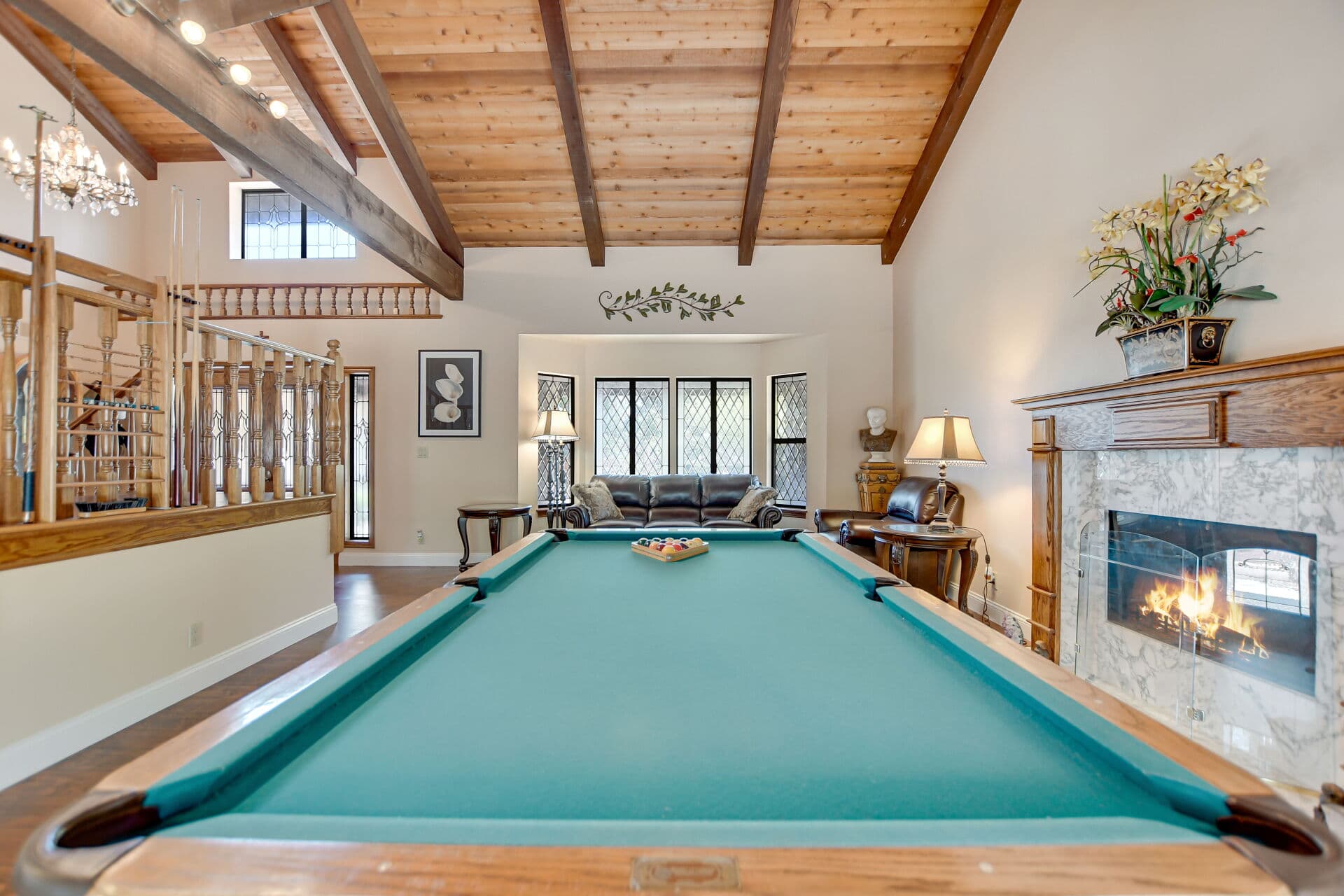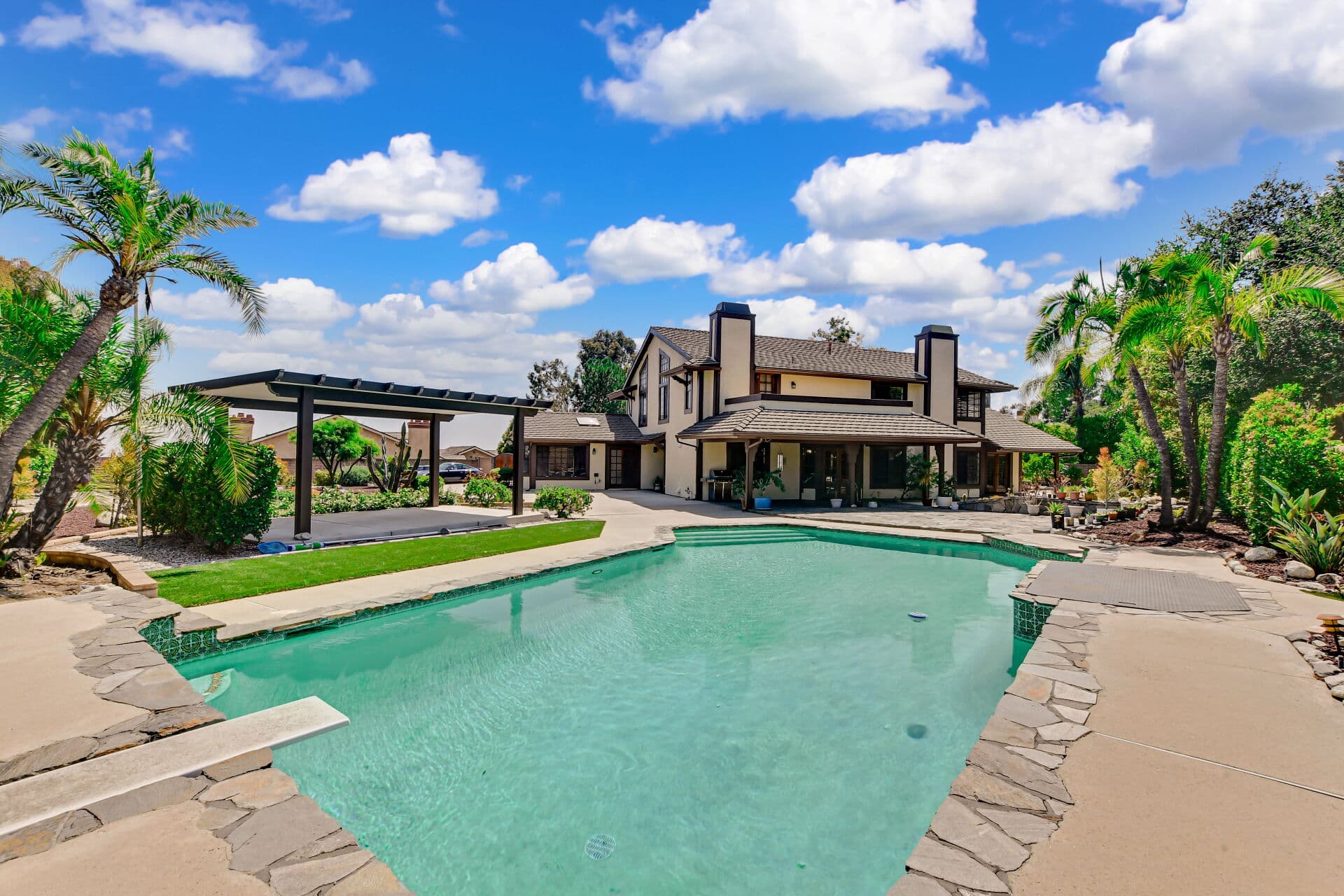
Showings happen at inconvenient hours. Late afternoon in winter, after work in any season, a last-minute request on the way home. A house that photographs beautifully at eleven in the morning can be a series of dim rooms at five in the evening, and the difference is entirely lighting.
Smart lighting solves this specific problem better than almost anything else it does. Not because color-changing bulbs impress buyers - they generally do not - but because a house can be made to light itself correctly, on time, without anyone driving over to flip switches.
The staging problem, stated as a job
Before a showing, a listed house should have: every room lit evenly enough to read as bright rather than shadowed, the entry and path welcoming from the curb, no dark hallway, and no lamp left off in a corner that makes a room look smaller than it is.
Doing that manually means someone walking the house, room by room, before each appointment. On a vacant listing that is a real cost in time. On an occupied one it is a family being asked to perform a routine on short notice.
A single scheduled scene does the whole job. That is the honest case for smart lighting during a sale, and it does not require automating the house - it requires automating the ROOMS THAT MATTER.
What to automate, and what to leave alone
AUTOMATE: the entry and porch, the main living space, the kitchen, the primary bedroom, any hallway that goes dark, and the exterior path from the street. That short list covers the route a buyer actually walks.
LEAVE ALONE: closets, the garage, the laundry, bathrooms with a single fixture, and anything where a switch on the wall is already fine. Adding devices there costs money and adds things that can fail during the one week they are being watched.
The scene worth building is not dramatic. Warm, even, slightly brighter than you would use for an evening at home, with the accent lamps on. What reads well in person and what reads well in a photograph are close enough that one setting serves both.
Bulbs, switches, and the trap
SMART BULBS are the renter-and-reversible option. They screw in, they need no wiring, and they come out at the end. Their weakness is the trap every household eventually finds: if someone turns the wall switch off, the bulb has no power and the schedule cannot reach it. During a listing, that someone is an agent or a visitor who has never seen the house before.
SMART SWITCHES replace the switch itself, which keeps the wall behaving normally and puts control at the right layer. The cost is electrical work, and in older Claremont houses that often means discovering there is no neutral conductor in the switch box - the recurring constraint covered in the 1950s retrofit guide.
PLUG-IN OUTLETS handle lamps, which is a large share of the actual light in a staged room, and they require nothing at all.
For a listing specifically, the pragmatic mix is usually plug-in outlets for lamps, a small number of smart bulbs in fixtures nobody will switch off, and tape or a note on the switches that must stay up. That last item sounds crude and it works.
The rule that survives the sale
THE WALL SWITCH MUST KEEP WORKING. This is the single most important design rule in residential lighting automation, and it matters double during a showing.
A buyer who walks into a dim room and reaches for a switch that does nothing has learned something about the house, and it is not a good something. A buyer who has to be told to use an app to turn on a light is being handed a preview of the ownership experience. Keep every room operable by hand, and let the automation be the thing that makes the manual path unnecessary rather than impossible.
Vacant listings and the security overlap
An empty house benefits from lighting that varies, and lighting on a schedule is one of the oldest occupancy signals there is. Modern controllers can randomize timing slightly, which is more convincing than a lamp on a mechanical timer clicking on at exactly the same minute.
Pair that with the access discipline for the listing period - code hygiene, per-person entry, and a reset at closing - which is covered properly in the showings access guide. Lighting and access are the two operational systems of a listed house, and they are worth setting up together at the start of the listing rather than adjusting during it.
After the sale
Bulbs are personal property in the ordinary case; installed switches are not. If you staged with smart bulbs and intend to take them, replace them with ordinary bulbs before the final walkthrough rather than leaving empty sockets, and say so in advance. If you installed smart switches, they stay, and the account behind them has to be released. The distinctions are set out in the conveyance guide.
Also hand over the scenes. A new owner who inherits a lighting system with a scene named for a room they have not learned yet, controlled by an app they did not choose, will usually rip it out. A one-page note saying what each scene does and how to change it is often the difference between a system that survives the sale and one that gets replaced in the first month.
For the broader picture, start with the smart-homes guide, and see the what buyers actually want guide for how lighting ranks against everything else buyers notice. Anthony Grynchal has been licensed in California since November 2009.
Frequently asked questions
Which rooms are worth automating for showings?
The route a buyer actually walks: entry and porch, main living space, kitchen, primary bedroom, any hallway that goes dark, and the exterior path from the street. Closets, garages, and single-fixture bathrooms are not worth the devices.
Are smart bulbs or smart switches better for staging?
Bulbs are reversible and need no wiring, but lose power whenever someone flips the wall switch - which visitors do constantly. Switches keep the wall working normally but require electrical work, and older Claremont boxes often lack a neutral conductor.
Should lighting be automated in a vacant listing?
Yes, and a controller that varies the timing slightly is more convincing than a mechanical timer clicking on at the same minute. Set it up with the showing access plan at the start of the listing rather than adjusting during it.
Do smart bulbs stay with the house?
Bulbs are ordinarily personal property and switches are not. If you intend to take the bulbs, replace them with ordinary ones before the final walkthrough and say so in advance rather than leaving empty sockets.

Written by
Anthony Grynchal
Anthony Grynchal is a California real estate professional with eXp Realty, licensed since November 2009 (California DRE# 01873626), and the Designated Local Expert™ for Claremont — where he has lived for more than 33 years.
More about AnthonyPublished · Updated