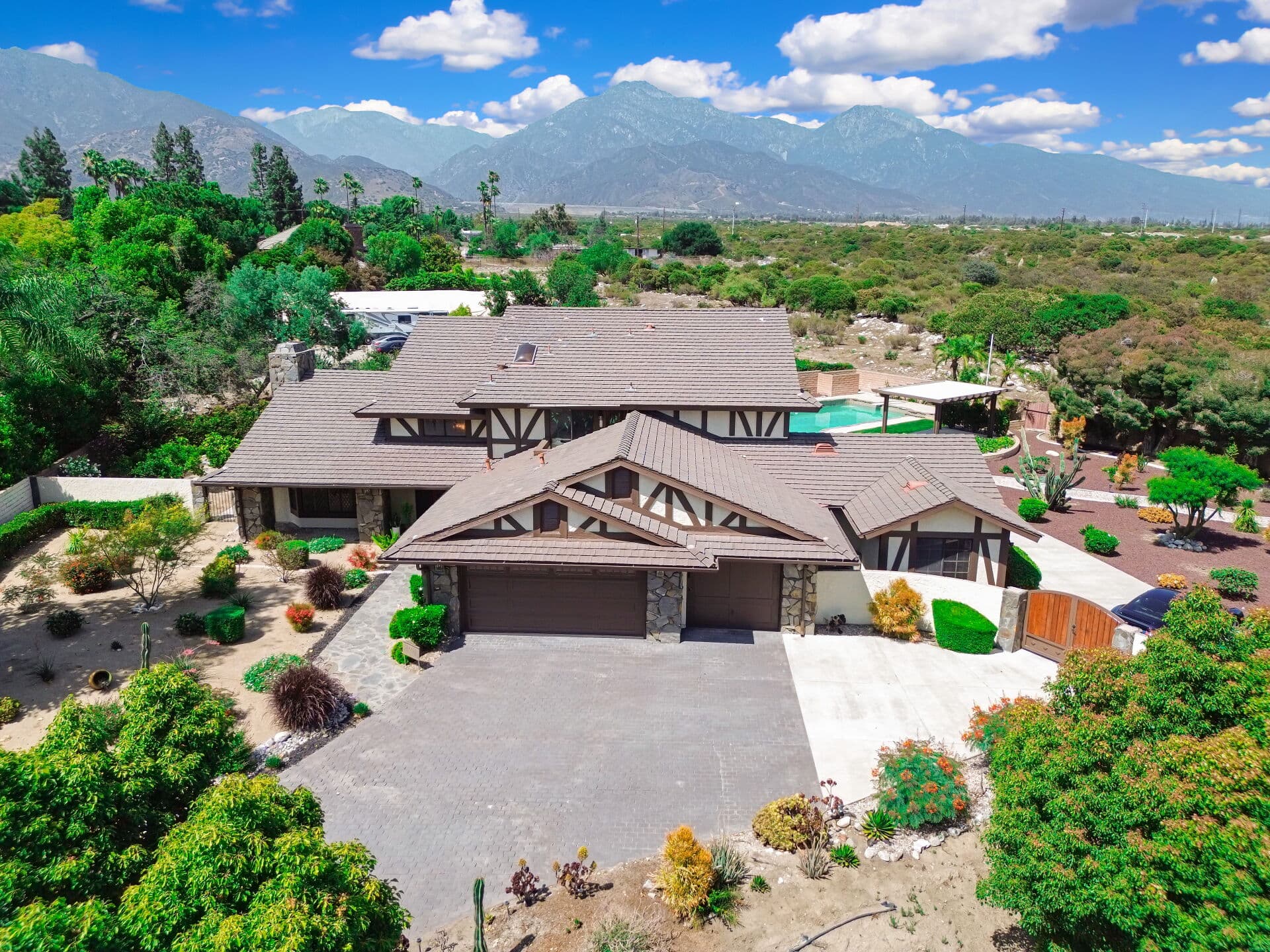
Claremont's tree canopy is one of the reasons people move here. It is also the single most common physical constraint on rooftop solar in this city. Those two facts sit in permanent tension, and homeowners tend to meet them in the wrong order: they install the system first and discover the shading afterwards, or they buy a house with an underperforming array and never work out why.
Shade is not a minor derating factor. Depending on the system's design, shading a small portion of an array can affect a disproportionate share of its output, and it is the leading explanation for a system that produces less than the owner expected.
Why a little shade does more damage than people assume
The intuition is that shading a tenth of the panels costs a tenth of the production. That intuition is wrong for many system designs, because of how panels are wired together.
In a conventional string arrangement, panels are connected in series, and the output of the string is constrained by its weakest contributing panel. A branch shading part of one panel can therefore drag down the string it belongs to, not just itself. Systems designed with panel-level electronics behave differently and localise the loss better, which is one of the reasons those designs exist.
What that means practically: the answer to "how much will this tree cost me" depends on the system's electrical design as well as on the shadow. It is a question for the designer looking at the actual layout, not a rule of thumb.
Shade moves, and it moves in two directions
Any honest assessment accounts for both.
THROUGH THE DAY, the shadow travels. A roof plane clear at noon can be shaded morning and afternoon, and the hours a system produces are not all equally valuable depending on how the utility prices them, which is a matter for the utility's current rate information and the homeowner's own bills rather than for an estimate.
THROUGH THE YEAR, the sun's angle changes, so shadows are longer in winter and shorter in summer. A site assessed once, on one afternoon in July, has been assessed badly.
And there is a third axis people forget entirely: TREES GROW. A young tree that clears the roof today is a shading problem in a decade. A neighbour's tree, over which the homeowner has no control at all, is a shading problem the homeowner cannot solve. Assess the site as it will be, not only as it is.
How the assessment is actually done
Competent installers perform a shading analysis rather than eyeballing it. Tools exist that model the site's obstructions and the sun's path across the year to produce a picture of how much irradiance each roof area actually receives, month by month.
A homeowner should ask for that analysis, in writing, and should ask specifically about the worst months rather than the annual average. An average conceals the winter, and the winter is when the shading is worst and the days shortest.
For an existing system, the equivalent evidence is the production data described in the array condition guide. Monitoring that shows output collapsing at the same hours every day, or dropping seasonally in a pattern that tracks the sun's angle rather than the weather, is describing shade rather than a fault.
The choice nobody enjoys
Once shading is quantified, a homeowner is generally choosing among four options, and there is no clever fifth one.
MOVE THE ARRAY to a plane with better exposure, if one exists. That is the cheapest fix and the first thing to explore, though on the complex roof geometry common in older Claremont homes there may be nowhere better to go.
CHANGE THE DESIGN so that the shading does less harm, using panel-level electronics or a different string configuration. This mitigates rather than eliminates.
TRIM OR REMOVE THE TREE, which is where this becomes a genuinely local question. Trees are subject to local regulation, some species and locations more than others, and street trees are not the homeowner's to cut. Ask the City of Claremont what applies to a specific tree at a specific address before assuming anything is permitted, and never touch a neighbour's tree or a street tree without doing so.
ACCEPT LESS PRODUCTION, or install a smaller system, and price the decision honestly. There is nothing wrong with this outcome. A homeowner who values the canopy more than the marginal production has made a reasonable trade, provided they made it knowingly.
Do not let a review body pick the shaded plane
Where an association or a design review process has views about panel placement, those views can point directly at the shaded roof plane. That is the collision described in the historic placement guide, and the way through it is documentation. A shading analysis showing that the preferred plane produces materially less is a technical argument, and technical arguments travel better through review processes than aesthetic preferences do.
For buyers, specifically
If you are buying a Claremont home with an existing array, look up. Then look at the production history and see whether it matches what is above the roof. A system that has always underperformed because of shading is not broken, and no repair will fix it, so a buyer valuing the array should understand which of those two situations they are in.
And if you are buying a home WITHOUT solar and intend to install it, treat the canopy as part of the purchase decision. A mature tree that makes the lot beautiful may also be the reason the roof cannot carry a system worth having, and that is much better known before the offer than after.
For the wider map, return to the solar guide. Tree regulations belong with the City of Claremont, rate questions with the utility, and system design questions with a qualified installer. Anthony Grynchal has been licensed in California since November 2009.
Frequently asked questions
How much production does shade actually cost?
It depends on the system's electrical design as well as on the shadow. In conventional string wiring, shading part of one panel can constrain the whole string it belongs to. Designs using panel-level electronics localise the loss better. Ask the designer about the actual layout rather than applying a rule of thumb.
How is shading assessed properly?
With a shading analysis that models the site's obstructions against the sun's path across the whole year, not a visual check on one afternoon. Ask for it in writing, and ask specifically about the worst months rather than the annual average.
Can I cut down a tree that shades my panels?
Not necessarily. Trees can be subject to local regulation, street trees are not the homeowner's to cut, and a neighbour's tree is not yours at all. Ask the City of Claremont what applies to the specific tree at the specific address before any work is planned.
How do I tell shading from a fault on an existing system?
Read the monitoring history. Output that collapses at the same hours each day, or falls seasonally in a pattern tracking the sun's angle rather than the weather, describes shade. An abrupt drop that persists across all conditions is more consistent with equipment failure.
Should shading change whether I buy the house?
It should inform what you pay for the array, and it should inform expectations if you plan to install one. A heavily shaded roof is not a defect to be repaired, so a buyer valuing solar should know before the offer whether the site can support a system worth having.

Written by
Anthony Grynchal
Anthony Grynchal is a California real estate professional with eXp Realty, licensed since November 2009 (California DRE# 01873626), and the Designated Local Expert™ for Claremont — where he has lived for more than 33 years.
More about AnthonyPublished · Updated