Downsizing usually means leaving. Sell the house, leave the block, leave the trees, leave the neighbors you have known for decades, and buy something smaller somewhere else.
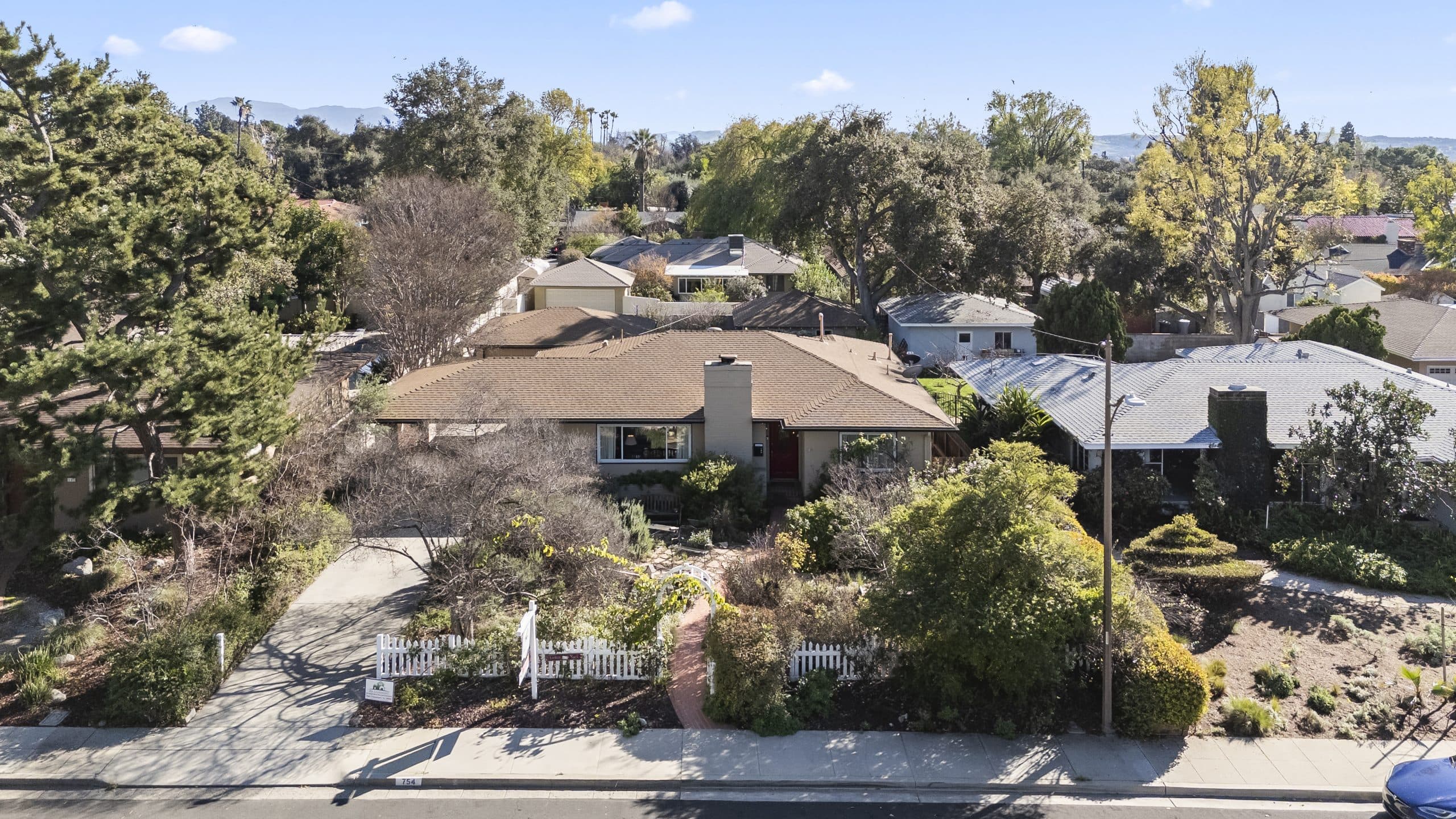
There is another version. Build a small, well-designed unit on the lot you already own, move into it, and let the main house serve a different purpose. You keep the address, the canopy, the walk to the Village, and the neighbors. You change the amount of house you maintain.
It is not the right answer for everyone. It is the right answer for more Claremont households than realize it is available.
What this actually looks like
Three common shapes.
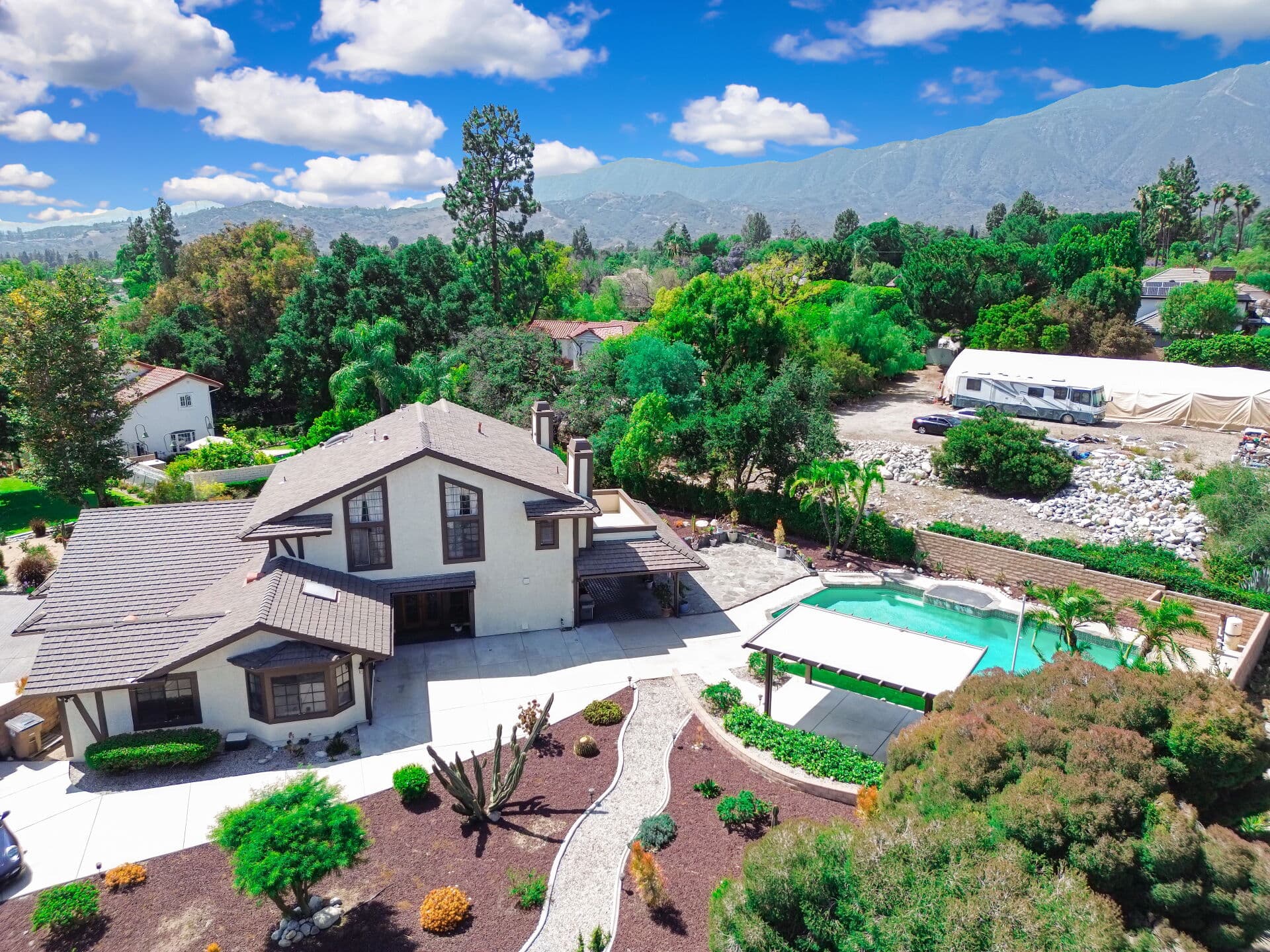
Owner moves to the ADU, family takes the house. An adult child's household moves into the main residence while the parents live in the accessory unit. Everyone has their own front door and their own kitchen, and the family is a few steps apart rather than a few counties.
Owner moves to the ADU, main house is rented. The larger dwelling produces income while the owner lives in a smaller, cheaper-to-run building on the same parcel.
Owner stays in the house for now, and builds the unit ready. The unit is used by a guest, a caregiver or a tenant until the household is ready to swap. The move is planned rather than forced.
The third one deserves emphasis. The best time to build is while you are able to manage a construction project, not during a health event. Households that build early get to choose the design. Households that build late take whatever can be done fast.
Design for the years you will actually be there
A downsizing unit is not a rental unit with different paint. It is where you intend to live, and the design decisions are different.
Single level, step-free entry. No threshold at the door, no step from the path. This is the one that matters most and the one most frequently missed because a small step looks trivial on a drawing.
Doorways and turning space. Wide enough for a walker, and eventually a wheelchair, including in the bathroom.
Blocking in the bathroom walls. Backing installed during framing so grab bars can be added later without opening a wall. Nearly free now, disruptive later.
A curbless shower. Easier to build once than to retrofit.
Lighting and switching. More light than you think, controls at the right height, and a path from bed to bathroom that is lit.
Laundry inside the unit. Crossing a yard with a basket in January is a design failure.
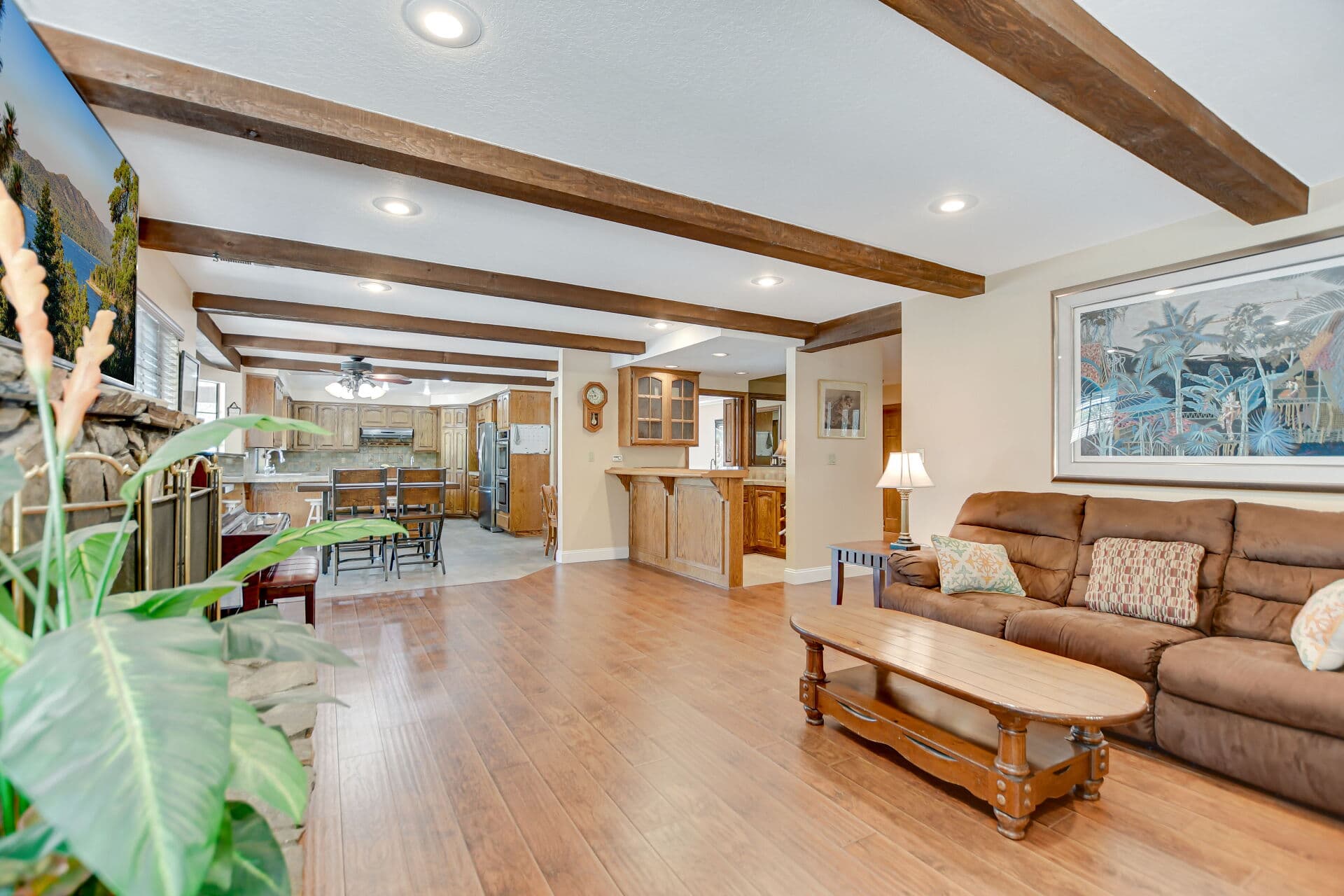
Storage. The most underestimated item in every small dwelling. A lifetime of belongings does not compress on schedule.
These are the same considerations that shape a unit built for a parent, and they are covered in more depth in ADUs for aging parents. The difference is only who moves in.
Fit on the lot, and fit on the block
What is buildable is decided by setbacks, height, size, coverage, trees, easements and access, and none of those are numbers to guess at. Get them from the City of Claremont planning counter, dated and in writing, and remember that ADU standards are the fastest-moving area of California land-use law. Verify before relying on anything, here or elsewhere.
The lot-level checklist is in Claremont lot requirements for an ADU. The dimensional standards are explained in ADU setbacks, height and size limits.
Fit on the block matters too, especially if you intend to stay. A unit that reads as part of the property rather than an object dropped behind it will age better and cause fewer conversations. That is the subject of designing an ADU that fits Claremont's character.
The family conversation, held properly
Where family is involved, the housing decision is the easy part. The hard part is what nobody writes down.
Who owns the property, and does that change? Who pays for the construction, and does that create an interest or an expectation? What happens if the arrangement stops working? What happens on death, and how does this interact with the estate plan and other children? What is expected in terms of care, and what is not?
Assumed answers are how families end up in conflict years later, usually at the worst possible moment. Written answers, prepared with an estate attorney, are how they avoid it. If title, transfers or exclusions are in play, that is a professional conversation, not a family-dinner conversation, and it touches tax questions set out in ADUs and property taxes in Claremont.
The economics, honestly
This article publishes no figures, and that is deliberate. What can be said honestly is structural.
You are trading construction spending now for lower ongoing costs and for staying put. A smaller dwelling generally costs less to heat, cool, clean and maintain than a larger one. Whether the trade works depends on your resources, your timeline and the cost of the alternative, which is buying elsewhere and paying transaction costs on both ends.
How the project is funded is its own decision, covered in financing an ADU in Claremont.
And if the main house will be rented, that is a landlord decision with real obligations attached, set out in ADU rental rules: leases and rent caps.
What you keep
The financial argument is real, and it is not usually what decides this.
What decides it is that people do not want to leave. They want the same street, the same trees, the same distance to the farmers market, the same neighbors who notice when the paper has not been picked up. Downsizing in place keeps all of that while shedding the part that has become work: the empty bedrooms, the roof, the yard, the stairs.
The alternative is a move that ends a long connection to a place. Sometimes that is right. It is worth knowing it is not the only option.
Before you commit
- Confirm what your lot allows, in writing, from the city.
- Design for aging in place from the start, not as an upgrade.
- Settle the family and title questions with an attorney before construction.
- Talk to a CPA about assessment and any rental income.
- Talk to your insurer about a second dwelling before occupancy.
- Build while you can manage the project, not when you must.
Start at the Claremont ADU hub, and read the Claremont ADU guide from idea to occupancy for the full sequence.
Anthony Grynchal has been licensed in California since November 2009.
Frequently asked questions
Can I live in the ADU and rent out my main house?
Owners commonly do, but occupancy conditions, rental obligations and any program or financing conditions on the property can bear on it. Confirm with the City of Claremont and, where a lease is involved, with counsel before committing.
What should a downsizing ADU include that a rental would not?
Design for aging in place from the start: single level, step-free entry, wide doorways, blocking in bathroom walls for future grab bars, a curbless shower, generous lighting and laundry inside the unit.
When is the right time to build?
While you are able to manage a construction project and make design choices, rather than during a health event. Households that build early choose the design; households that build late take whatever can be done quickly.
What family questions should be settled first?
Ownership, who pays for construction and what that creates, what happens if the arrangement stops working, what happens on death, and what care is expected. Put the answers in writing with an estate attorney.

Written by
Anthony Grynchal
Anthony Grynchal is a California real estate professional with eXp Realty, licensed since November 2009 (California DRE# 01873626), and the Designated Local Expert™ for Claremont — where he has lived for more than 33 years.
More about AnthonyPublished · Updated