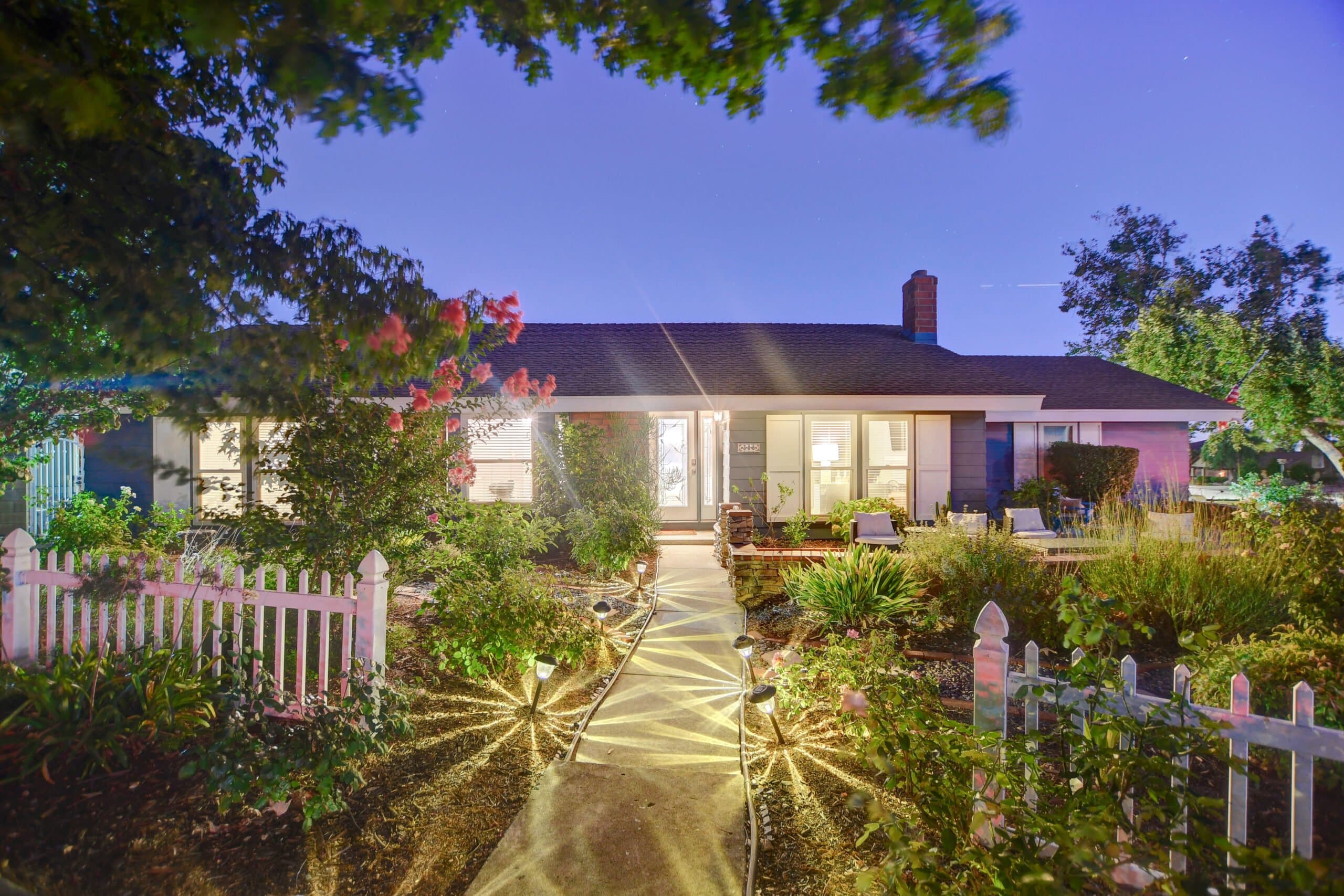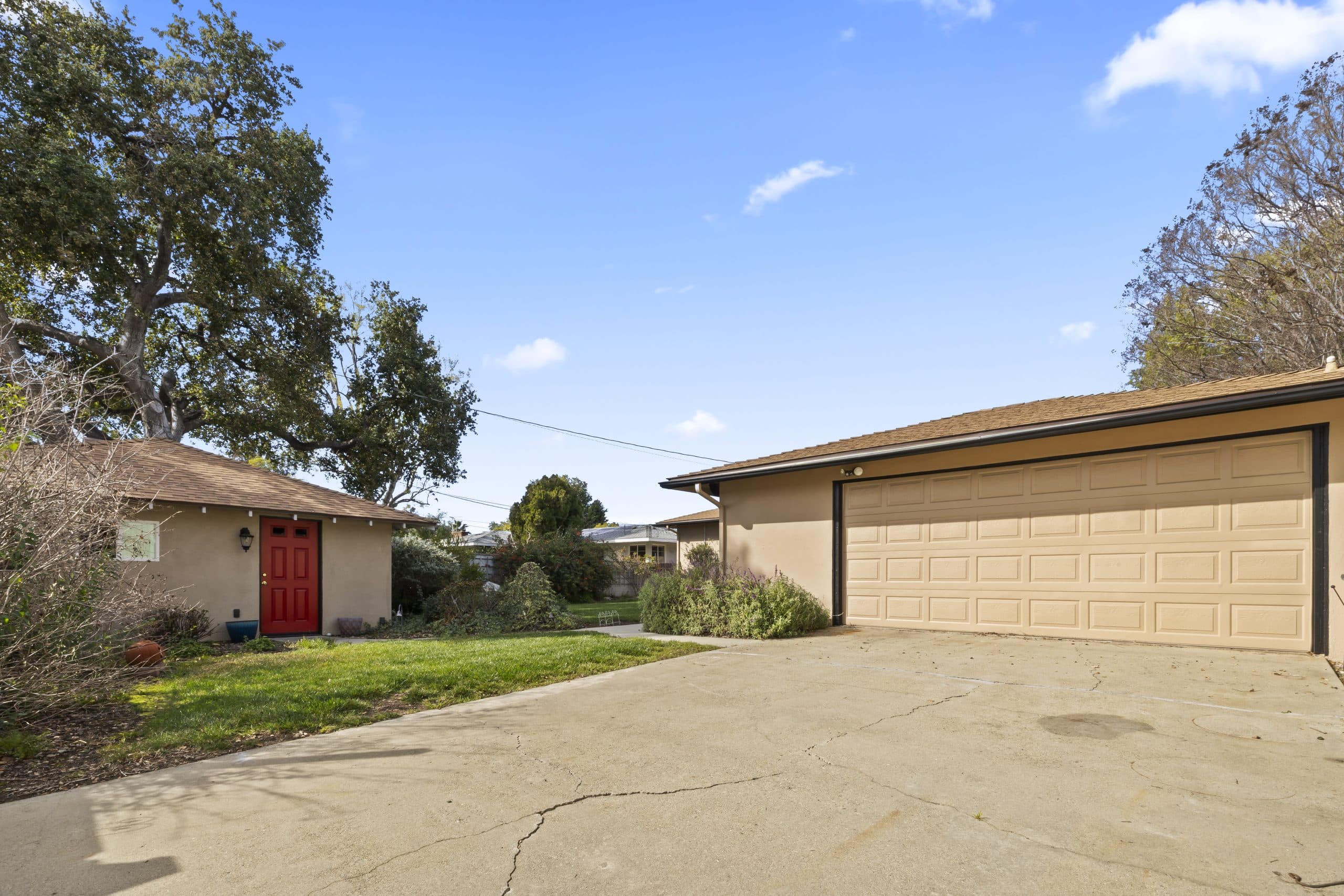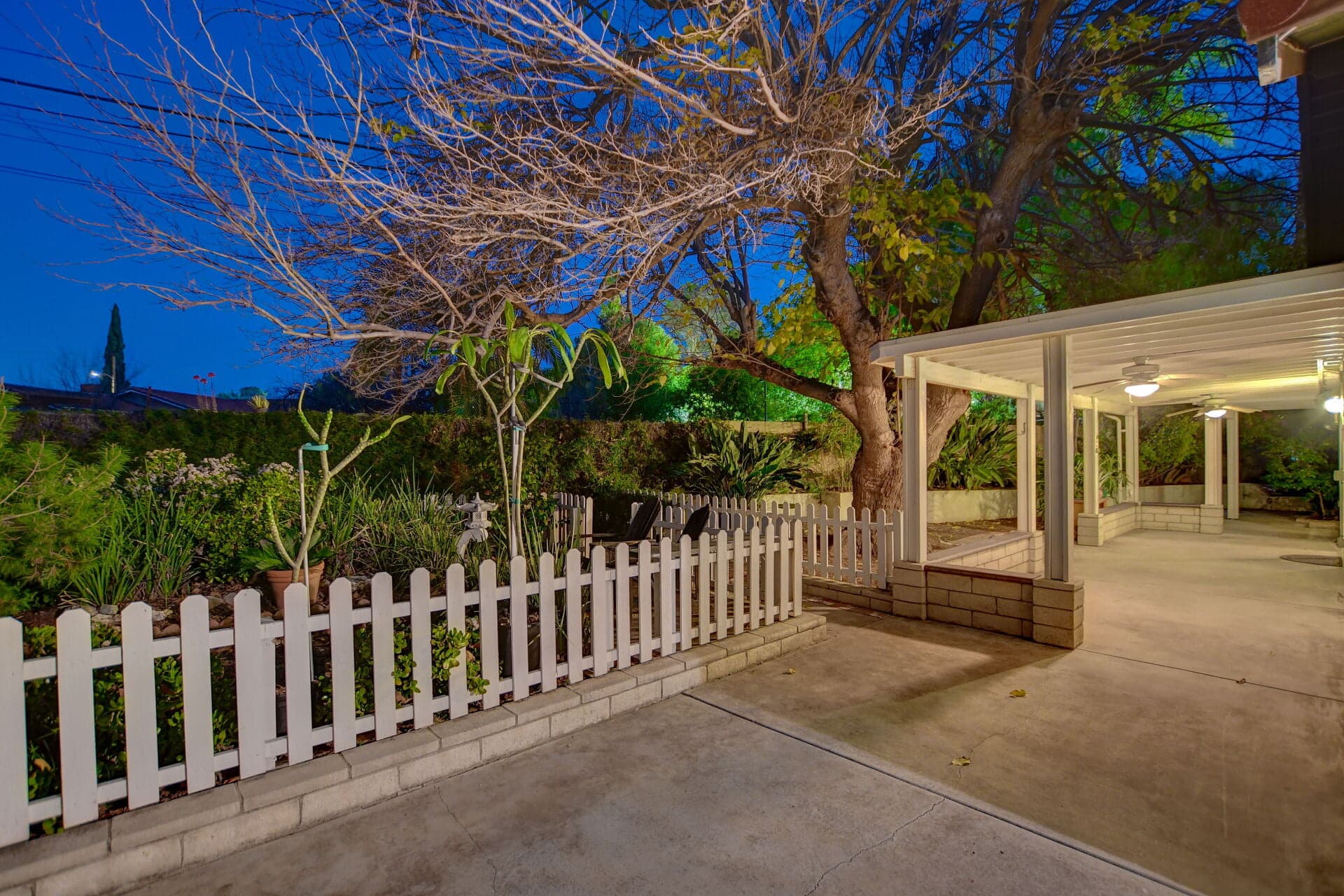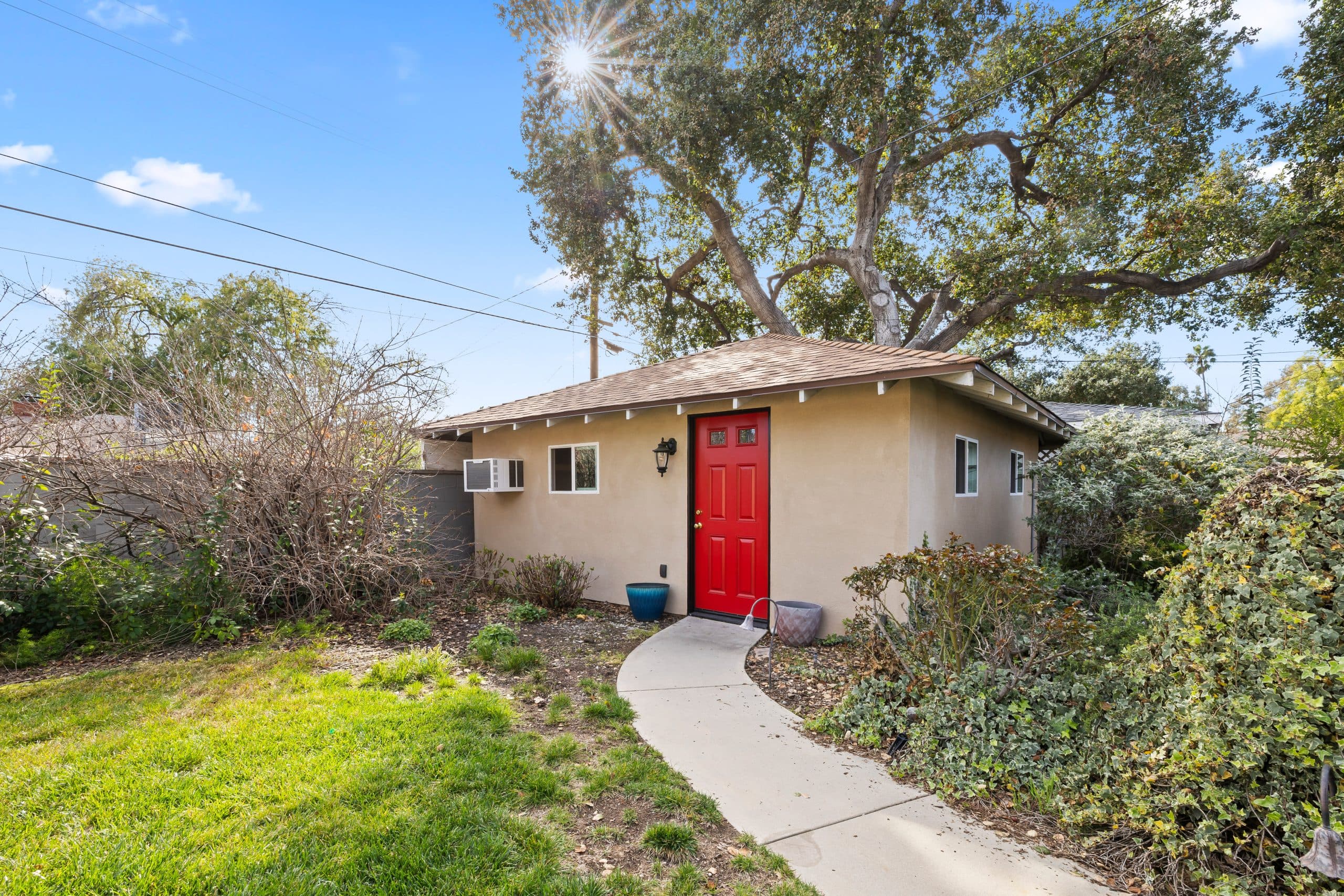
An inspection on a single-dwelling property has a known shape. Roof, foundation, plumbing, electrical, heating, and the accumulated small evidence of how the house has been kept. Add a second dwelling and the shape changes in two ways at once: there is simply MORE to look at, and there is a new category of question that a conventional inspection never asks, which is whether the second unit is what the seller says it is. This article is about both, from either side of the transaction. It deepens the ADU guide, and it assumes the documentation logic the selling guide sets out.
The usual warning, and it matters here because inspections and permit history intersect. California ADU law and local enforcement practice change quickly, and what a city will accept regarding an existing unit is a current-practice question, not a settled one. Nothing below is legal advice or a statement of any requirement. The City of Claremont holds the permit record and the current rules; a licensed inspector, a contractor, and where appropriate an attorney hold the rest. Verify before relying on any of it.
Two of everything, and a scope conversation up front
Start with the practical. A property with an ADU has, potentially, two roofs, two water heaters, two heating and cooling systems, two electrical panels or a panel plus a subpanel, two sets of fixtures, and a plumbing arrangement joining both to one set of services. That is more time and often a different fee, and it is a conversation to have with the inspector BEFORE booking rather than discovering on the day.
Ask explicitly whether the quoted scope includes the second unit, whether it includes any detached garage or converted space, and how the report will present the two structures. A report that mixes both dwellings' findings into one list is far harder to act on than one that separates them, and separation matters later if a repair negotiation ends up itemized.
The connection points are where the surprises live
Individual systems in a well-built ADU are usually straightforward. The interesting findings are almost always at the SEAMS, where the new unit meets the existing property.
Electrical is the classic. A second dwelling has to be fed from somewhere, and the question is whether that was done properly, with adequate service capacity and correct separation, or improvised. Extension cords, undersized feeds, and creative subpanel work are the sort of thing an inspector flags immediately and a buyer should take seriously.
Plumbing is the second. Where the ADU ties into the waste line, whether that was a permitted connection, and whether any pumped arrangement exists are all worth understanding, since these can be expensive to correct and invisible from the surface. The sewer lateral article explains why this is the subsystem most likely to hold an unpleasant surprise.
Water, gas, and metering come third. Whether services are shared or separate is not itself a defect, but it determines how the property can be operated and billed, and it is something a buyer should know rather than discover, which the utilities and meters guide takes up directly.
Drainage, because you have added a building to a yard
An ADU occupies ground that used to absorb water, and it adds a roof that concentrates it. Look at where downspouts discharge, whether the ground slopes away from both structures, whether any low area now collects, and whether the space between the two buildings drains at all. Poor drainage is not usually dramatic on inspection day, and it is a slow, expensive problem to live with.
The question a normal inspection does not answer
Here is the part unique to ADU properties. A home inspector reports on CONDITION, not on legality. An inspector can tell you a unit is well built and cannot tell you it was permitted. Those are different questions, answered by different people, and conflating them is one of the more consequential mistakes a buyer can make.
The permit question is answered by the city's record. Was the unit permitted, was it finaled, and does the permitted description match the structure standing there. A structure that looks excellent and has no final can be a substantial problem, and one that shows some age but carries a complete record is a known quantity. For the full buyer-side treatment, the unpermitted ADU article is the one to read before writing an offer, and the legalization article covers what the path forward can look like.
Signals worth noticing in a converted space
Conversions of garages, workshops, and outbuildings are common and can be excellent. They can also be a room with plumbing added and a bed in it. Without asserting any standard, the things that reward a careful look are whether the space was built as habitable space or adapted with the minimum: how the floor was treated, how the walls and ceiling were finished and insulated, how heating and ventilation are handled, whether bathroom and kitchen ventilation exhausts properly, whether egress and natural light look like a bedroom's rather than a storeroom's, and whether the original structure's use is still visible in awkward places. None of that decides compliance, which is the city's call, but it tells you what kind of work you are looking at.
What sellers should do first
If you own the property, run the inspection logic on yourself before listing. Get the permit file. Assemble finals, plans, and any system documentation. Have a professional look at the seams, especially electrical and waste, and correct what is correctable. Then disclose fully and provably.
The reason is not virtue. A documented unit is one a buyer, an appraiser, and a lender can all credit. An undocumented one invites a renegotiation at the worst possible moment, when the buyer's inspector has just handed them leverage and there is no time left to answer calmly. Owners who prepared this way describe the inspection as an event that confirmed what they already said; owners who did not describe it as the week the deal changed shape. That contrast is one of the recurring entries in the ADU mistakes list.
This is general information and not legal, inspection, or construction advice. A licensed home inspector, licensed contractors, and the City of Claremont govern every specific mentioned here. Anthony Grynchal has been licensed in California since November 2009.
Frequently asked questions
Does a home inspection cost more with an ADU?
Usually, because there is more to inspect: potentially two roofs, two water heaters, two heating systems, a panel plus a subpanel, and two sets of fixtures. Confirm before booking whether the quoted scope includes the second unit and any converted garage, and ask for the two structures to be reported separately.
Can a home inspector tell me if an ADU is permitted?
No. An inspector reports on condition, not legality. Whether a unit was permitted and finaled, and whether the permitted description matches what is standing there, is answered by the city's permit record. A well-built unit with no final can still be a substantial problem.
What ADU inspection findings matter most?
The connection points where the new unit meets the existing property. Electrical feed and separation, where and how the waste line was tied in and whether that connection was permitted, and how water and gas are served and metered. These are expensive to correct and largely invisible from the surface.
What should a seller do about the ADU before listing?
Pull the permit file, assemble finals, plans, and system documentation, have a professional review the seams, and correct what is correctable. A documented unit is one a buyer, appraiser, and lender can credit; an undocumented one invites renegotiation at the moment you have least time to answer it.

Written by
Anthony Grynchal
Anthony Grynchal is a California real estate professional with eXp Realty, licensed since November 2009 (California DRE# 01873626), and the Designated Local Expert™ for Claremont — where he has lived for more than 33 years.
More about AnthonyPublished · Updated