These purchases are different from every other kind, and the difference is not the house. It is that several people with different interests are making one decision, often under time pressure created by something that already happened.
The transactions that go well are the ones where the structure was settled before the search started. The ones that go badly are usually fine houses attached to unresolved questions about who owns what.
Settle ownership before you tour
This is a legal and tax question, not a real estate question, and it needs the right professionals. Talk to an estate planning attorney and a CPA before you write an offer, not after.
The common structures each carry consequences:
- The parent buys in their own name. Simplest, and it depends entirely on their resources and their ability to qualify.
- An adult child buys and the parent occupies. Common, and it raises questions about occupancy representations to a lender, about rent or its absence, and about what happens later.
- Joint ownership. Several forms exist and they behave very differently on transfer, on death, and on creditor exposure.
- A trust takes title. Frequently the plan, and how it is drafted matters more than the fact that it exists.
Two areas that specifically require professional advice in California: how the purchase and any later transfer interact with property tax assessment rules, and how the structure interacts with any benefits eligibility the parent has or may need. Both are complicated, both change, and both are expensive to get wrong. Your agent should tell you to ask someone qualified, and then you should ask them. The general mechanics of assessment at purchase are in how property taxes work when you buy in Claremont, but that is background rather than advice for your situation.
Include the parent in the decision
Sounds obvious. It gets skipped constantly, usually with the best intentions.
A move late in life costs someone their neighbors, their routines, their pharmacy, their route to the market. Buying a home for a parent who did not participate in choosing it produces a household that never quite settles, no matter how good the house is.
Ask directly what matters to them. Sometimes it is a garden. Sometimes it is being able to walk somewhere. Sometimes it is a spare room so grandchildren can stay. Those answers should shape the search more than the floor plan does.
Accessibility: measure, do not assume
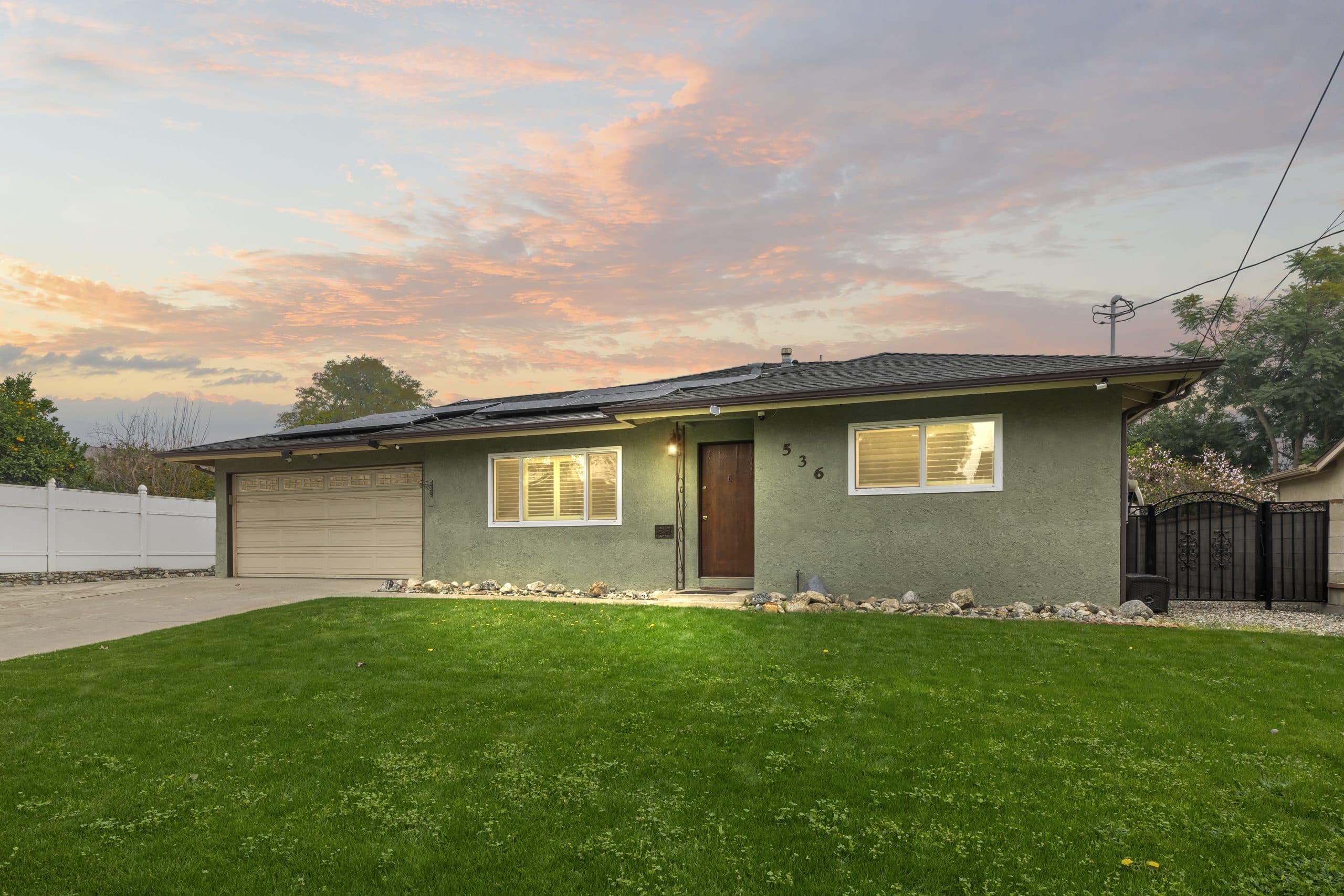
Single-story is a starting point, not a finish line. A one-level home can still be full of obstacles, which is why the specifics in single-story homes in Claremont matter here.
Walk the property with a tape measure and check:
- Entry. Steps at every door, threshold heights, whether a ramp could be added and where it would go.
- Doorways and halls. Widths, and whether turns work for a walker or a wheelchair now or later.
- Bathrooms. Whether the layout can accept grab bars, whether the shower has a curb, whether there is room to assist someone.
- Floors. Level changes between rooms, sunken living rooms, transitions between flooring types.
- Kitchen and laundry. Reach heights, appliance placement, and whether laundry is on the same level.
- Lighting. Hallways, stairs to the yard, the path from the car to the door at night.
Then price what would need to change. Some modifications are simple. Structural ones, particularly where they touch plumbing or a bearing wall, are not, and in older Claremont homes they frequently touch both. Get a contractor's read during your inspection period rather than assuming.
Location, for this specific household
The usual Claremont advantages read differently when you are buying for a parent.
Proximity to you. If the reason for the move is support, minutes matter more than any feature. Drive it at the hours you would actually drive it.
Walkability. The blocks around the Village put shops, restaurants and the farmers market within a walk, which supports independence for as long as walking is comfortable. That is a genuine asset, and it comes with older housing stock and modest lots.
Level terrain. Claremont slopes from the foothills southward. A house with a beautiful hillside outlook can also have a driveway that becomes a daily obstacle. Look at the ground, not just the view.
Medical access. Verify the specific practices and facilities your parent uses, and how a person without a car would reach them.
Maintenance burden. A large lot with mature trees is lovely and it is work. Be honest about who does that work.
The accessory dwelling unit question
A lot of families arrive asking about a second unit on their own property, so the parent is close but independent. It can be a genuinely good answer.
It is also a construction project governed by state and local rules that change, and the details of what is permitted on a specific parcel are a question for the City of Claremont rather than for a listing. Read the ADU material for the framework, then verify current requirements for your parcel with the city before you build a plan on it.
If an existing structure is being presented as an accessory unit, establish what it legally is. A converted garage, an unpermitted room addition and a permitted accessory dwelling unit look similar from the yard and are entirely different on paper.
Due diligence does not shrink because the timeline is emotional
These purchases often happen after a fall, a diagnosis or a death, and the pull to move quickly is strong.
Resist compressing the parts that protect you. Full inspection period, with a contractor walking it if modifications are planned. Read the preliminary title report properly. Handle the findings with the framework in Claremont home inspections, and understand what you are giving up before waiving anything, per the real risk of waiving contingencies.
Decide who is the client
One practical point that prevents real confusion later. In a purchase involving a parent and one or more adult children, be explicit about who the agent represents and who signs. That should be settled in writing at the start.
Buyer-agent compensation is negotiable and agreed in writing between the buyer and the agent. It is not automatically a seller obligation. In a family purchase with several people involved, having that in writing early prevents an awkward conversation at a bad moment.
Start the full sequence at the Claremont home buying hub. Anthony Grynchal has been licensed in California since November 2009.
Frequently asked questions
Should the parent or the adult child hold title?
That is a legal and tax question with real consequences for assessment, transfer and benefits eligibility. Talk to an estate planning attorney and a CPA before writing an offer. No agent, including me, should decide that for a family.
Is a single-story home enough for accessibility?
It is a starting point. Check entry steps and thresholds, doorway and hallway widths, bathroom layout for grab bars and a curbless shower, level changes between rooms, and reach heights in the kitchen. Measure rather than assume.
Can we build an accessory dwelling unit so a parent lives on our property?
Often yes, but what is permitted on a specific parcel depends on current state and local rules and should be confirmed directly with the City of Claremont before you plan around it. If an existing structure is described as an accessory unit, establish what it legally is.
How do we handle a compressed timeline after a health event?
Move the search quickly and keep the protections intact. Full inspection period, a contractor's read if modifications are planned, and a properly read title report. The timeline pressure is real, but a rushed purchase is harder to undo than a delayed one.

Written by
Anthony Grynchal
Anthony Grynchal is a California real estate professional with eXp Realty, licensed since November 2009 (California DRE# 01873626), and the Designated Local Expert™ for Claremont — where he has lived for more than 33 years.
More about AnthonyPublished · Updated