Claremont's rail platform sits inside the Village, not on the edge of town. That is unusual, and it is one of the reasons the blocks around the depot behave differently from the rest of the city.
A home near a station is a genuine asset for some households and a genuine mismatch for others. The difference is entirely about how you verify it before you write, not after.
What you are actually buying
Proximity to the depot usually means proximity to everything else in the Village: restaurants, the Sunday farmers market, shops, the transit center and, for many of these blocks, the Claremont Colleges. That density of destinations within a walk is the real product. The train is one part of it.
For a household where someone commutes toward downtown Los Angeles, or where a second car is genuinely optional, the arithmetic can be very different from a house three cities east. Not everyone will use it, and plenty of buyers near the depot never board a train. They bought the walkability and the platform came with it.
Verify the service yourself, before you rely on it
This is the part I insist on.
Rail schedules, line configurations, fare structures and connecting bus service all change over time, and they are administered by transit agencies rather than by anyone in a real estate transaction. Nothing a listing says about service, and nothing an agent says about it including me, is a substitute for checking current schedules directly with Metrolink and with the relevant local transit operators.
Do it concretely. Take your actual commute, on a weekday, at your actual departure time, as a round trip. Include the walk to the platform and the connection at the other end. A commute that works beautifully on paper and adds an hour in practice is something you want to discover before escrow, not in your second week of ownership.
Noise: the thing to measure rather than guess
Trains make noise. So do horns, crossing bells and, on a freight corridor, equipment that runs at hours passenger service does not.
How much reaches a specific house depends on distance, orientation, intervening structures, the direction the bedrooms face and what the windows are. Two houses on the same street can experience it very differently.
So measure it rather than assume it:
- Visit the property at least twice, and make one of those visits early morning or evening rather than midday.
- Stand in the primary bedroom with the windows closed, then open.
- Note whether horns sound at nearby crossings and how often.
- Sit in the backyard, since outdoor living is where noise is least filtered.
Noise is not a defect and it is not something a seller can fix. It is a fact about a location, and the only wrong move is discovering it after closing. The same logic applies to the arterials: Foothill and Indian Hill carry sound too.
Parking and street conditions
Blocks near a station and a walkable commercial core carry more parked cars. Some streets have posted restrictions, permit requirements, time limits, overnight rules or street-sweeping schedules, and station parking has its own rules administered separately.
Read the signs at both ends of the block, then confirm current residential parking rules with the City of Claremont. Do not rely on what a neighbor tells you or what the listing implies.
The housing stock around the depot
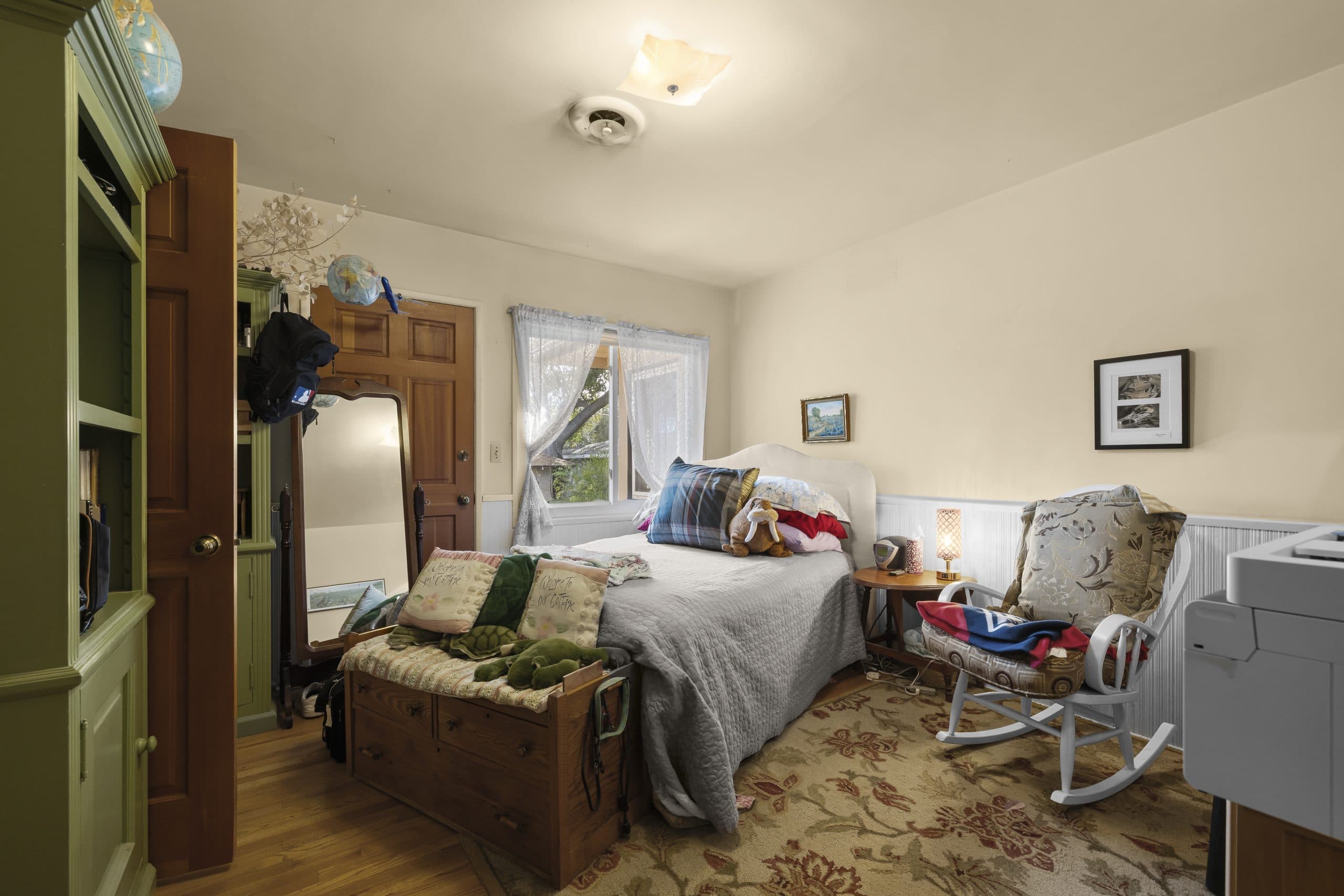
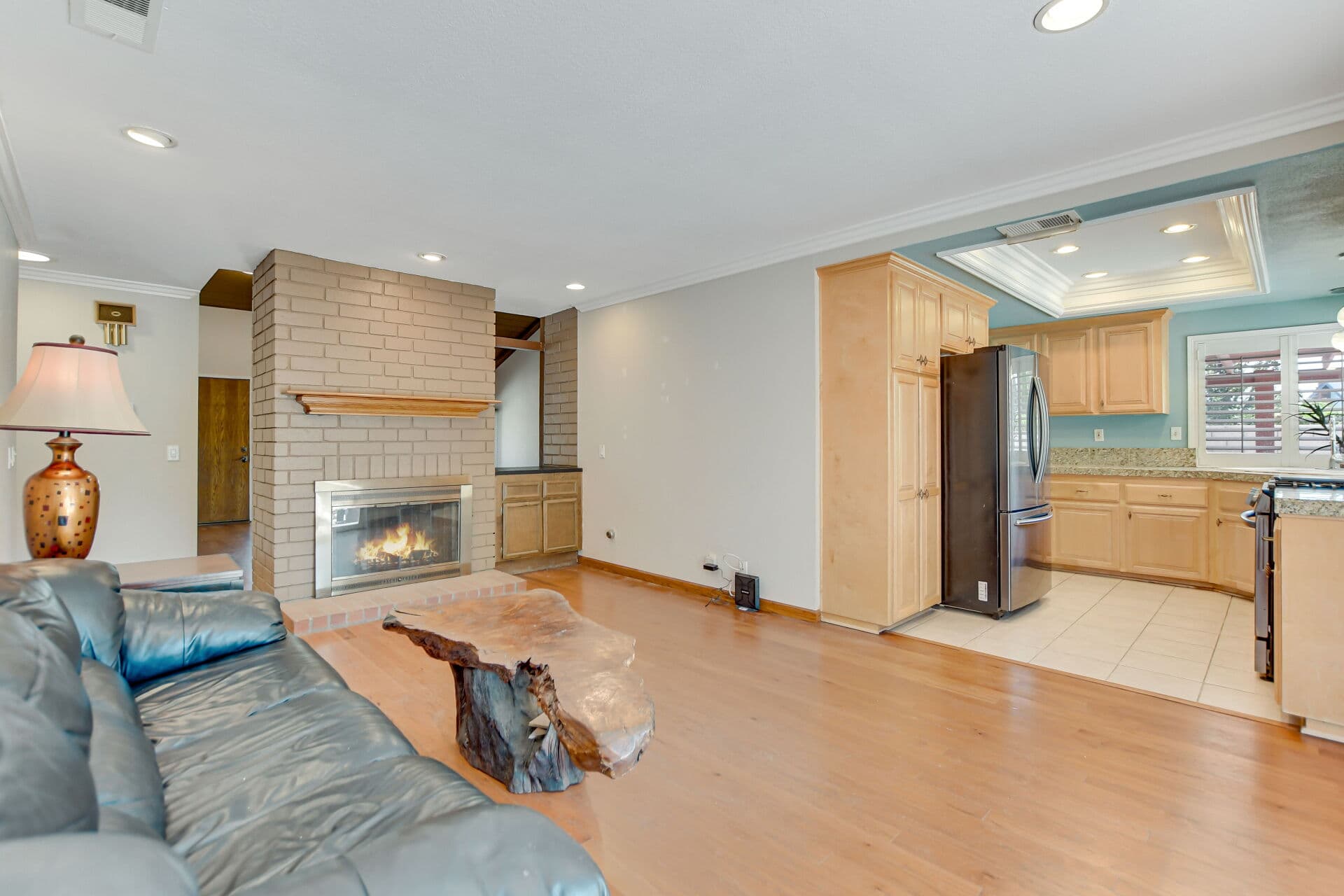
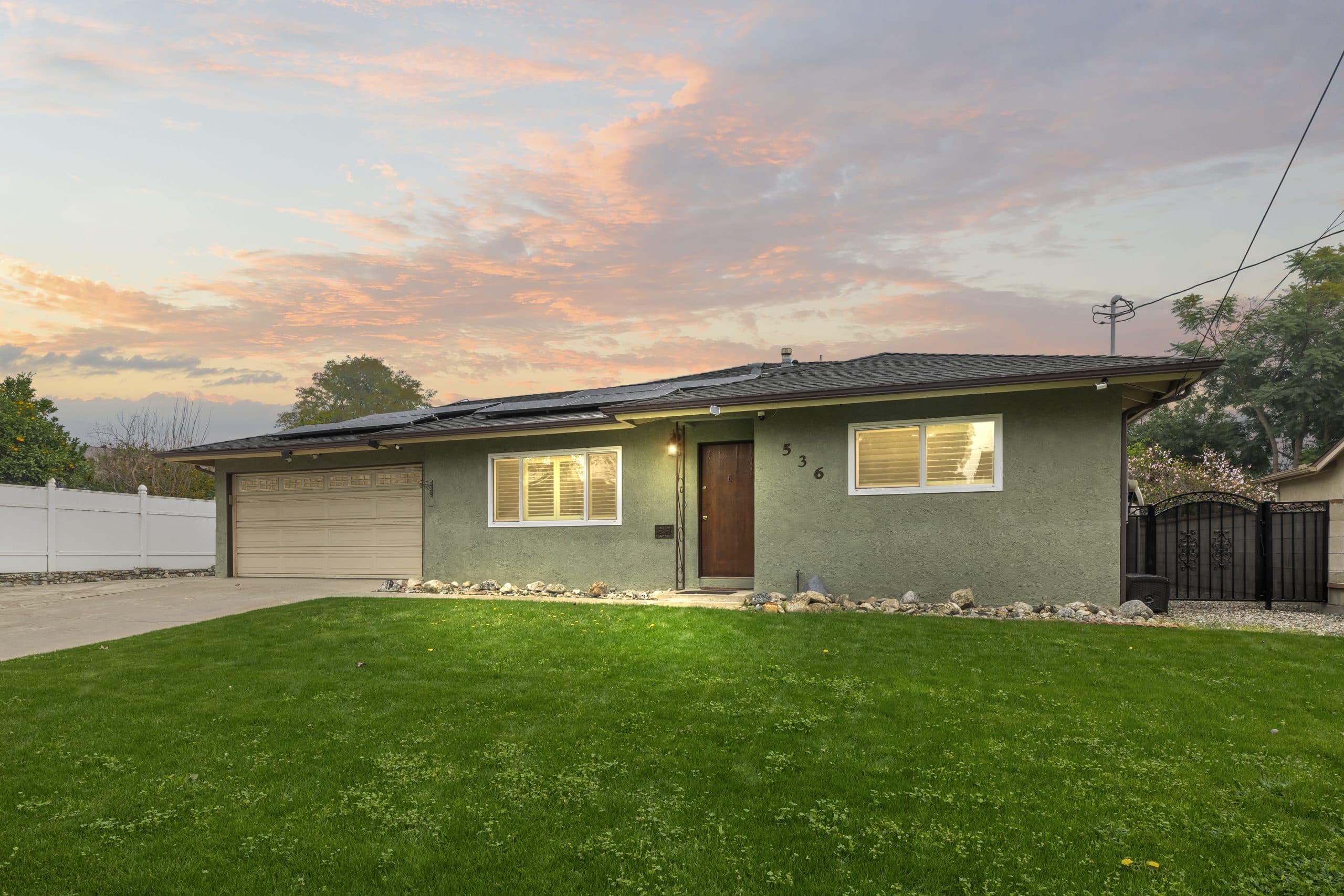
These are among the oldest residential blocks in the city, subdivided long before anyone designed a neighborhood around a cul-de-sac. Expect character and expect age.
Older systems. Original panels, original supply lines, single-pane windows unless replaced. Identify all of it inside your inspection period and handle findings with the framework in Claremont home inspections.
Additions of uncertain permit history. Almost every older house here has been changed. Ask whether permits exist. A converted garage, a studio and a permitted accessory dwelling unit look alike from the yard and are entirely different on paper.
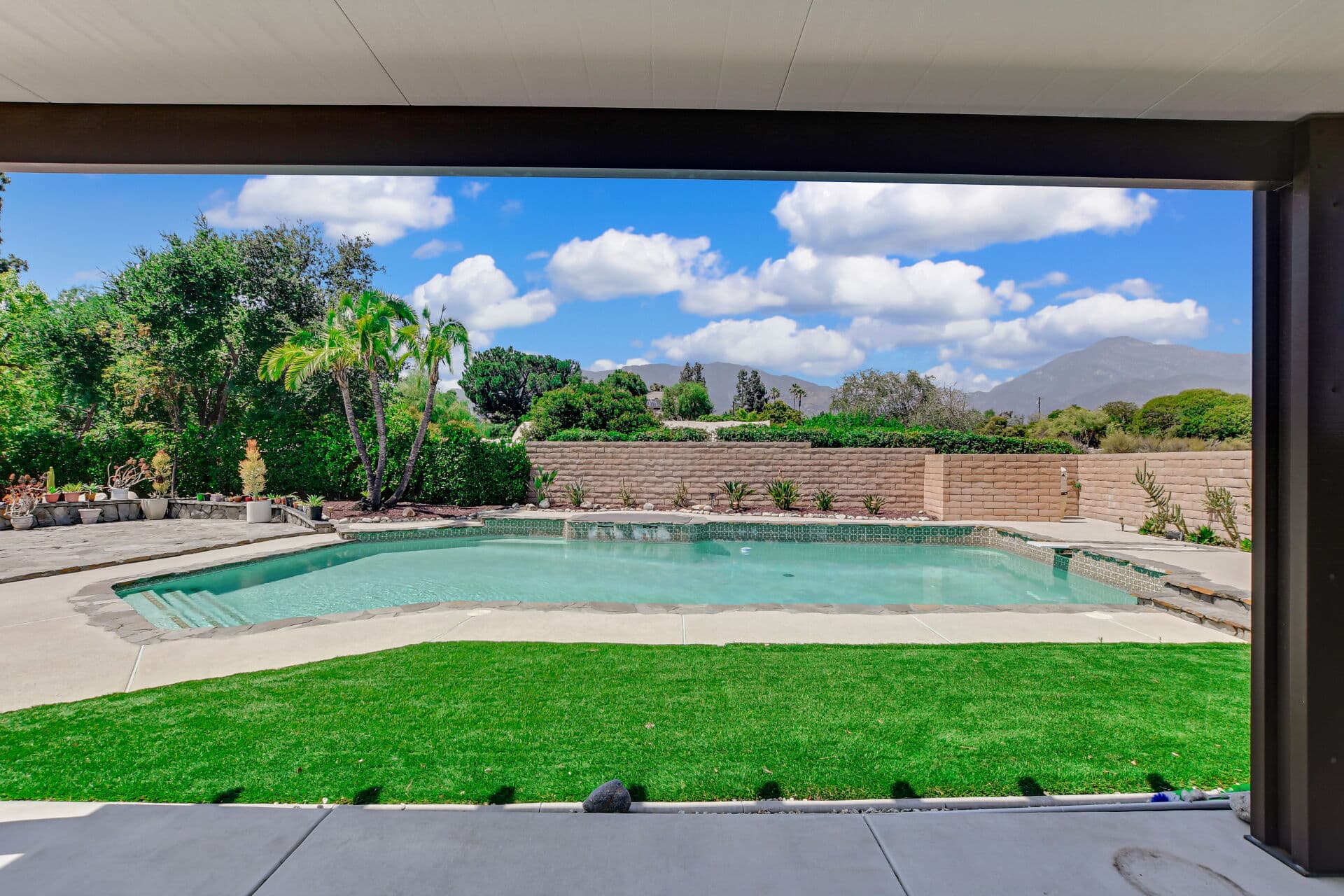
Modest lots. Walkable neighborhoods trade ground for proximity. If acreage matters more than a walk, north Claremont and the outer tracts are the better search.
Easements and encroachments. Old blocks accumulate recorded interests. Read the preliminary title report properly, using how to read a preliminary title report.
Rental assumptions need verification too
Buyers near a station and a college cluster frequently arrive with a rental plan already sketched. Before you build any numbers on it, confirm what is actually permitted.
Rental use is governed by current municipal rules, by any homeowners association, and by any restriction recorded against the parcel. Room rentals, whole-house rentals, short-term rentals and accessory dwelling unit use are treated differently, and the rules change. Confirm the current position in writing with the City of Claremont, and never treat a seller's belief as verification.
Competing for one of these homes
Well-located property in a small city that builds very little tends to draw more than one buyer. The answer is preparation, not speed.
Have your loan genuinely underwritten before you tour. Know which terms you can flex and which you will not. Read your contract before you are under pressure to sign one. The structural approach is in writing a winning offer on a Claremont home, and the case against stripping your protections to win is in the real risk of waiving contingencies.
Also settle representation early. Buyer-agent compensation is negotiable and is agreed in writing between you and your agent. It is not automatically paid by a seller. Have that conversation before you are deciding between two houses.
Who this location genuinely suits
Households that will actually use the walkability, that value being able to leave the car home, that want the Village as an extension of their block, and that are comfortable with an older house and the maintenance that comes with one.
It suits less well the buyer who wants a large flat yard, current construction, quiet at every hour, or abundant off-street parking for several vehicles. None of those preferences are wrong. They just point somewhere else in the city.
For the wider comparison, read why buyers choose Claremont over nearby cities, and start the full sequence at the Claremont home buying hub. Anthony Grynchal has been licensed in California since November 2009.
Frequently asked questions
How much train noise will I hear near the Claremont depot?
It varies house by house depending on distance, orientation, intervening structures and windows. Visit at least twice, including an early morning or evening, and listen in the primary bedroom and the backyard rather than relying on a midday impression.
How do I confirm current train schedules and service?
Check directly with Metrolink and the relevant local transit operators, and ride your actual commute as a round trip at your real departure time. Schedules and service change, and nothing in a listing is a substitute for the agency's own information.
Are there residential parking restrictions near the station?
Some blocks carry posted restrictions, permit requirements or sweeping schedules, and station parking is administered separately. Read the signs at both ends of the block and confirm current residential rules with the City of Claremont.
What is the housing stock like around the depot?
Older, on generally modest lots, with the character and the aging systems that come with early subdivisions. Expect original panels or plumbing in some homes, additions of uncertain permit history, and recorded easements worth reading closely.

Written by
Anthony Grynchal
Anthony Grynchal is a California real estate professional with eXp Realty, licensed since November 2009 (California DRE# 01873626), and the Designated Local Expert™ for Claremont — where he has lived for more than 33 years.
More about AnthonyPublished · Updated