The Claremont Colleges sit in the middle of the city, not on an edge of it, and the residential blocks around them are ordinary neighborhoods rather than a campus district. That is the first thing to understand. You are not buying into student housing. You are buying a house that happens to be near seven institutions.
Still, proximity changes a handful of practical things, and those things are worth knowing before you tour rather than after you close.
What the proximity actually gives you
The institutions are permanent. They do not relocate, they do not get bought, and they do not decide one year to move to another county. That is a durable thing to sit next to.
Day to day it means public lectures, concerts, galleries, athletic facilities, an unusual density of walkable destinations, and a neighbor mix that includes a lot of people who work in education. It also means the Village is generally within a walk, and so is the Metrolink platform for a lot of these blocks.
For a household with someone who works at one of the colleges, the calculation is simpler still. A short walk to work is a real quality-of-life asset and it is one of the more durable reasons people stay put here for decades.
The housing stock in the ring around campus
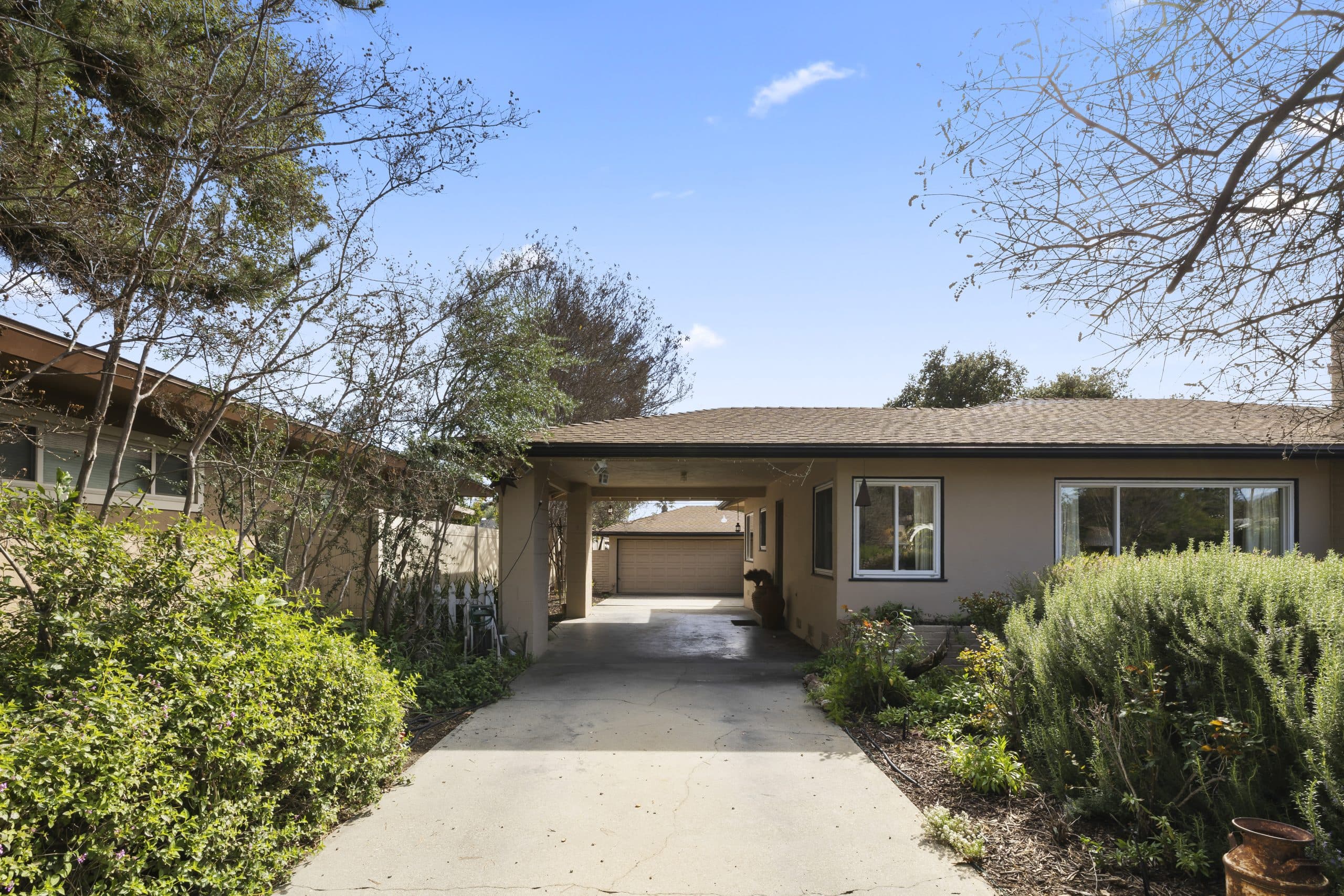
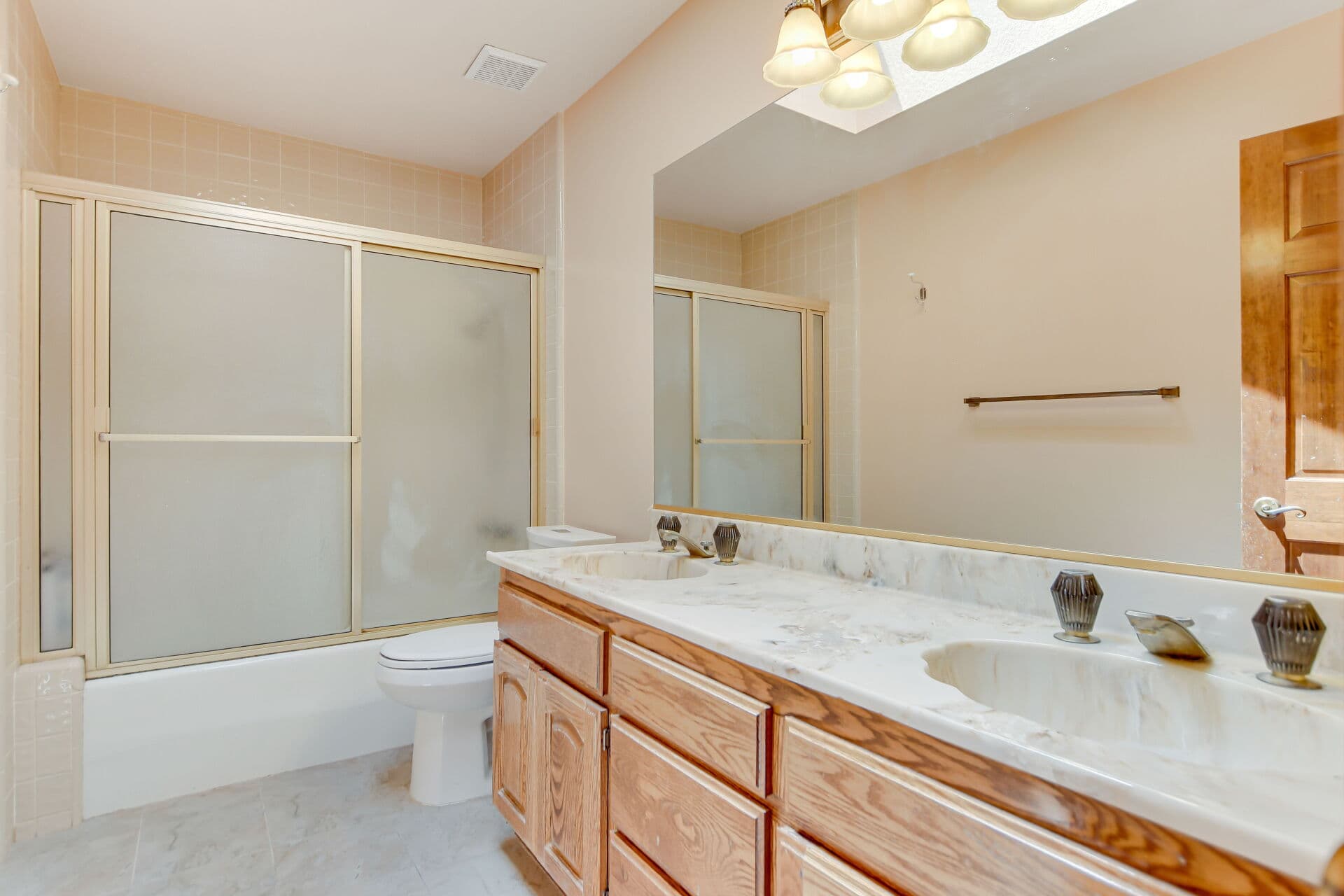
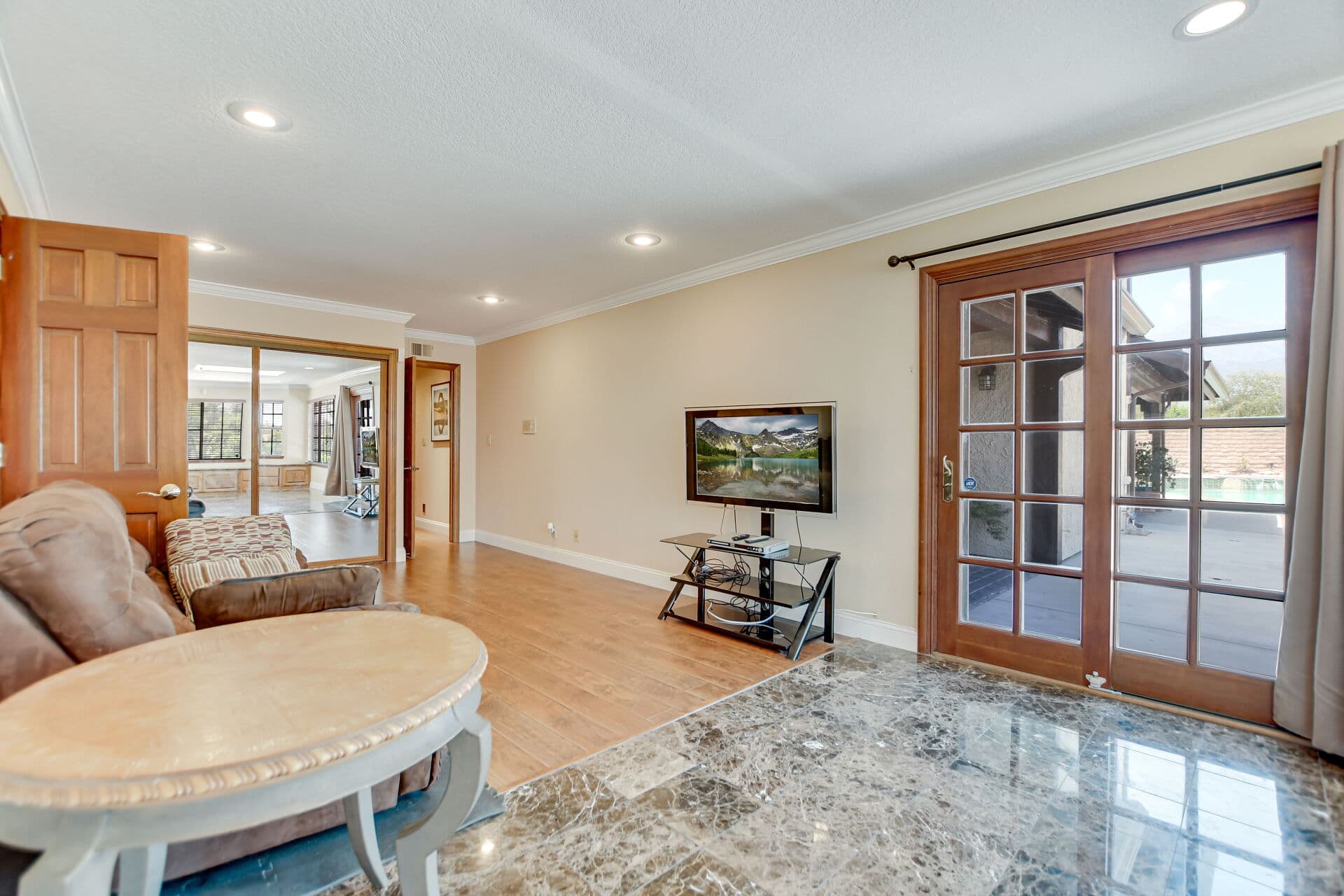
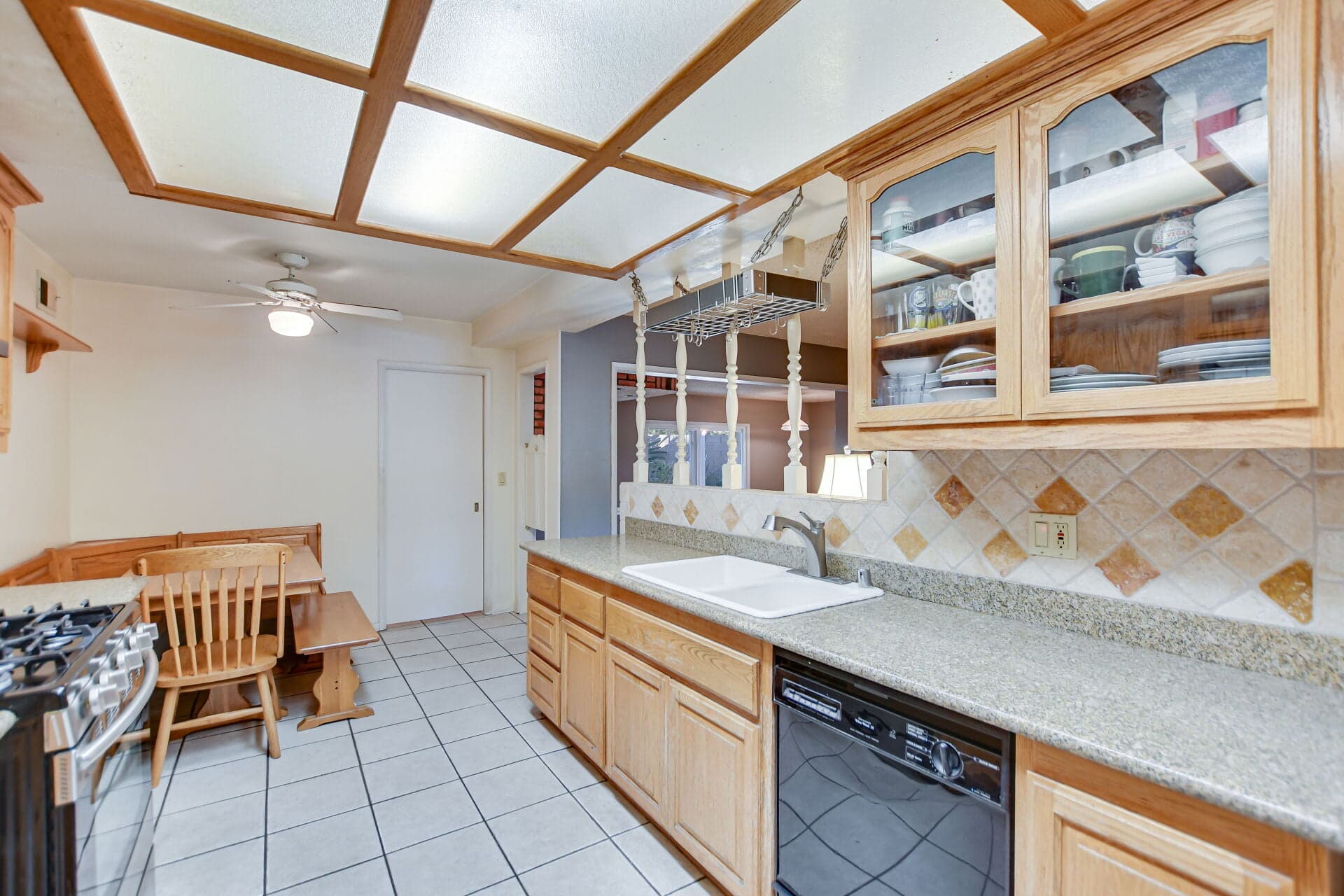
Homes near the colleges skew older, because those blocks were subdivided early. Expect character, expect smaller rooms than a newer tract, expect original windows unless someone replaced them, and expect systems that have been updated once or several times over a long life.
Expect additions, too. Almost every older Claremont house has been changed at some point, and the useful question is not whether it was changed but whether the change was permitted. You cannot resolve that at a showing. Ask the listing agent whether permits exist and put it on the list for your inspection period, along with everything else in Claremont home inspections.
Lots in this ring are often modest. That is what happens when a neighborhood is laid out for walking rather than for driving. If ground is your priority, the north end of the city and the outer tracts will show you more of it.
The things buyers do not think about until they live there
Parking and street pressure
Blocks near a campus carry more parked cars than blocks that are not. Some Claremont streets have posted restrictions, permit requirements, overnight rules or street-sweeping schedules. None of that is visible in a listing.
Go stand on the street on a weekday afternoon during the academic year. Then read the signs on both ends of the block. Then confirm the current rules with the City of Claremont rather than with whoever is selling you the house.
The academic calendar changes the neighborhood
These blocks are quieter in July than in October. If you tour in summer, you are seeing one version of the street. If you tour during finals, you are seeing another. Neither is the whole picture, and the only fix is to visit more than once at different times.
Events and pedestrian traffic
Commencement weekends, move-in days, athletic events and concerts all produce concentrated traffic and parking demand on specific days. For most buyers this is a handful of weekends a year and a fair trade. For some it is not. Decide honestly.
If you are thinking about renting it out
A lot of buyers near a college look at a house and immediately picture a rental. Slow down before you build a plan on it.
Rental use is governed by the city's own municipal rules, and separately by any homeowners association, any recorded covenant on the parcel, and any restriction that shows up on title. Occupancy limits, room rentals, short-term rentals and accessory dwelling unit use are all treated differently and the rules change over time.
Do three things before you rely on any rental assumption. Confirm the current municipal rules directly with the City of Claremont. Read the preliminary title report for recorded restrictions, using the approach in how to read a preliminary title report. And if there is an accessory unit or a plan to build one, read the ADU material before you assume anything about what it can be used for.
Never take a rental representation from a listing or a seller as verification. A seller's belief about what is allowed is not a permit and it is not a legal opinion.
Schools, and the thing people get wrong
Being near the colleges has nothing to do with which public school a house is assigned to. Claremont Unified serves the city and its attendance boundaries follow lines rather than neighborhood names. Two houses on opposite sides of one street can be assigned differently, and boundaries are revisable by the district.
Confirm any assignment directly with Claremont Unified for the specific address, before you write.
How this affects the offer
Well-located homes in a small, largely built-out city tend to attract more than one buyer. That is a preparation problem rather than a luck problem. Have your financing genuinely underwritten, understand which terms you can flex and which you cannot, and read writing a winning offer on a Claremont home before you are in a position where you need it.
What I would resist is treating proximity to the colleges as a reason to abandon your due diligence. The institutions are permanent, which means they will still be there next month. There is no version of this where skipping an inspection period on a hundred-year-old house was the right call because the location was good.
Questions to ask before you write
- What are the current parking rules on this exact block, confirmed with the city?
- What does this street sound and look like during the academic year, on a weekday, in the evening?
- Which additions or converted spaces exist, and are there permits?
- What does the preliminary title report show in the way of easements or recorded restrictions?
- If a rental plan matters to me, what do the current municipal rules actually permit, in writing, from the city?
- What is the school assignment for this address, confirmed with Claremont Unified?
Answer those six and you will know more about the house than most buyers who tour it. For the wider sequence, start at the Claremont home buying hub and read why buyers choose Claremont over nearby cities if you are still comparing towns. Anthony Grynchal has been licensed in California since November 2009.
Frequently asked questions
Are homes near the Claremont Colleges mostly student rentals?
No. The blocks around the colleges are ordinary residential neighborhoods with owner-occupied homes alongside rentals. The institutions sit in the middle of the city rather than in a separate campus district.
Can I rent a room or the whole house to students?
That depends on current municipal rules, any homeowners association, and any restriction recorded against the parcel. Confirm the current rules directly with the City of Claremont and read the preliminary title report. A seller's belief is not verification.
Is parking a problem on these blocks?
It varies street to street and some blocks carry posted restrictions or permit requirements. Visit on a weekday during the academic year, read the signs at both ends of the block, and confirm current rules with the city.
Does living near the colleges affect which public school my child attends?
No. Claremont Unified assigns by attendance boundary, which follows lines rather than neighborhood names and can be revised. Confirm the assignment for the specific address with the district before you write an offer.

Written by
Anthony Grynchal
Anthony Grynchal is a California real estate professional with eXp Realty, licensed since November 2009 (California DRE# 01873626), and the Designated Local Expert™ for Claremont — where he has lived for more than 33 years.
More about AnthonyPublished · Updated