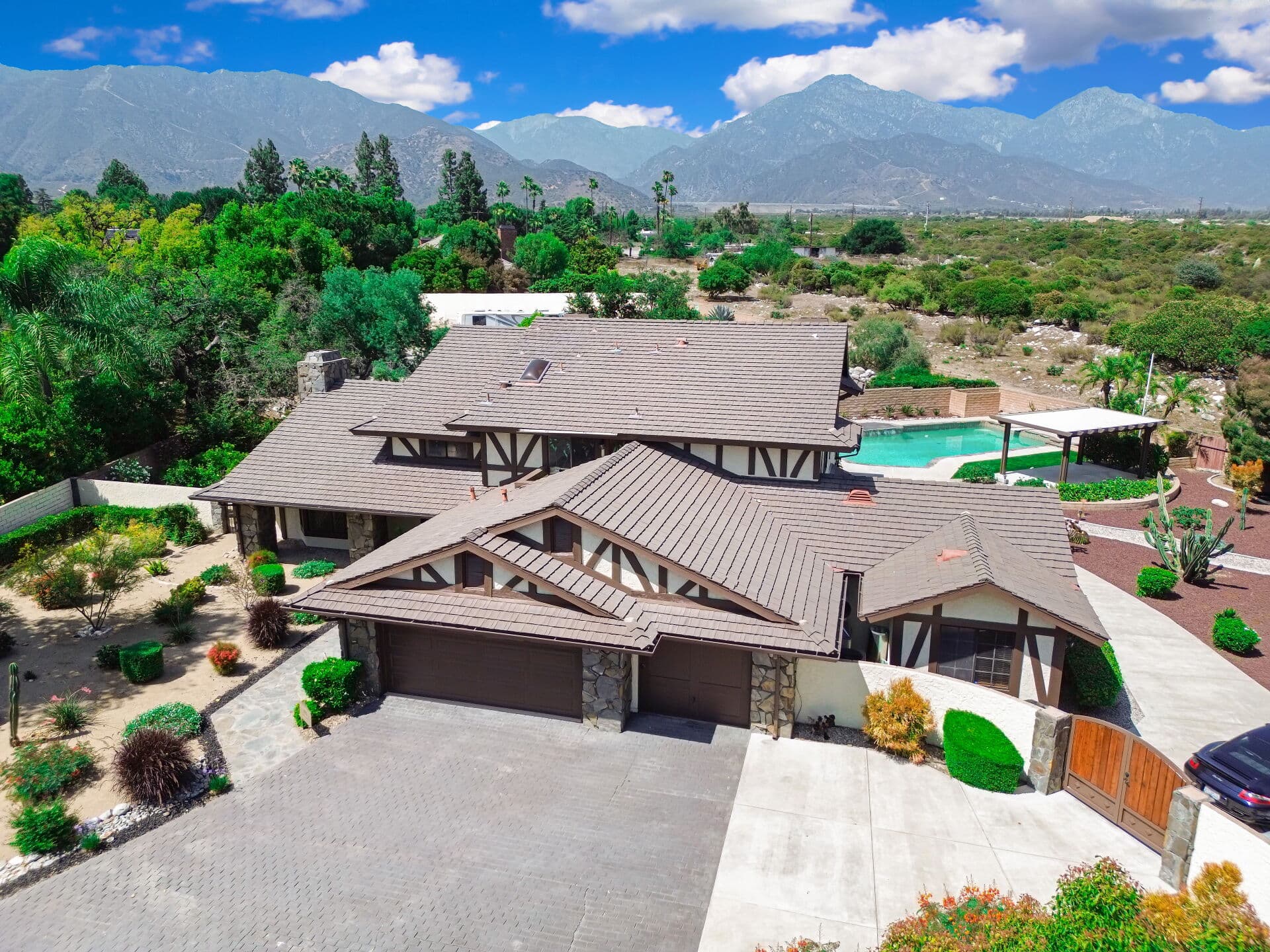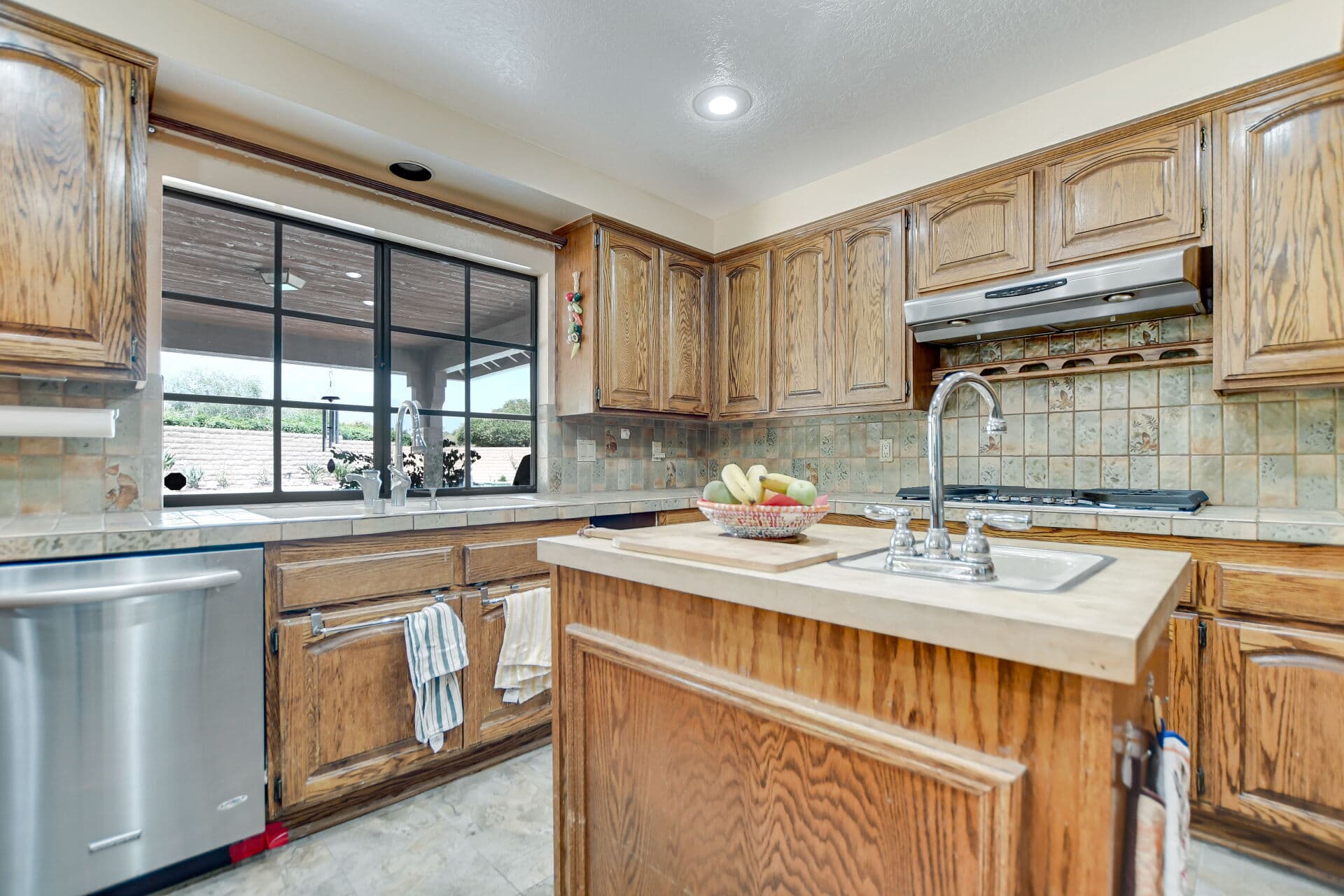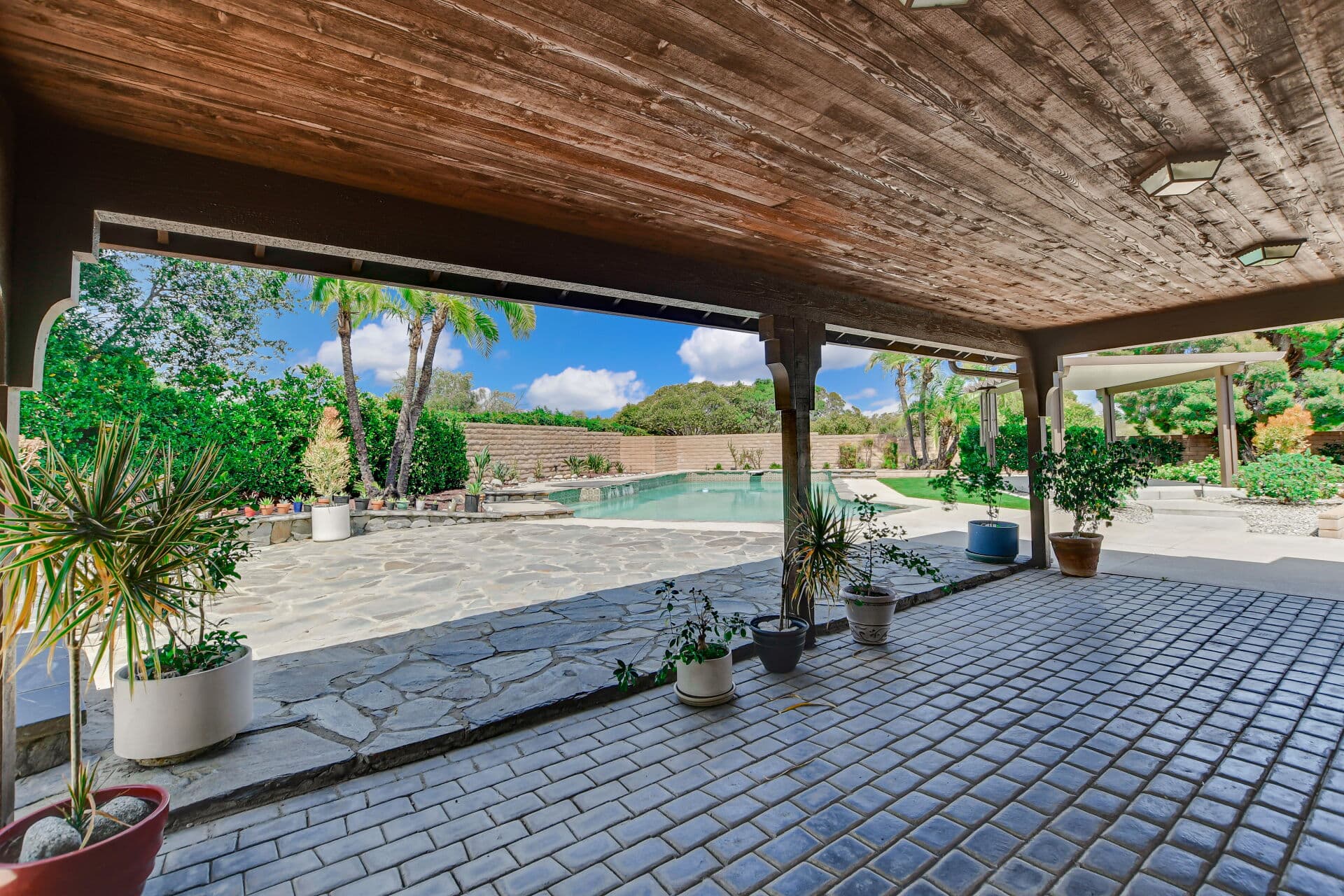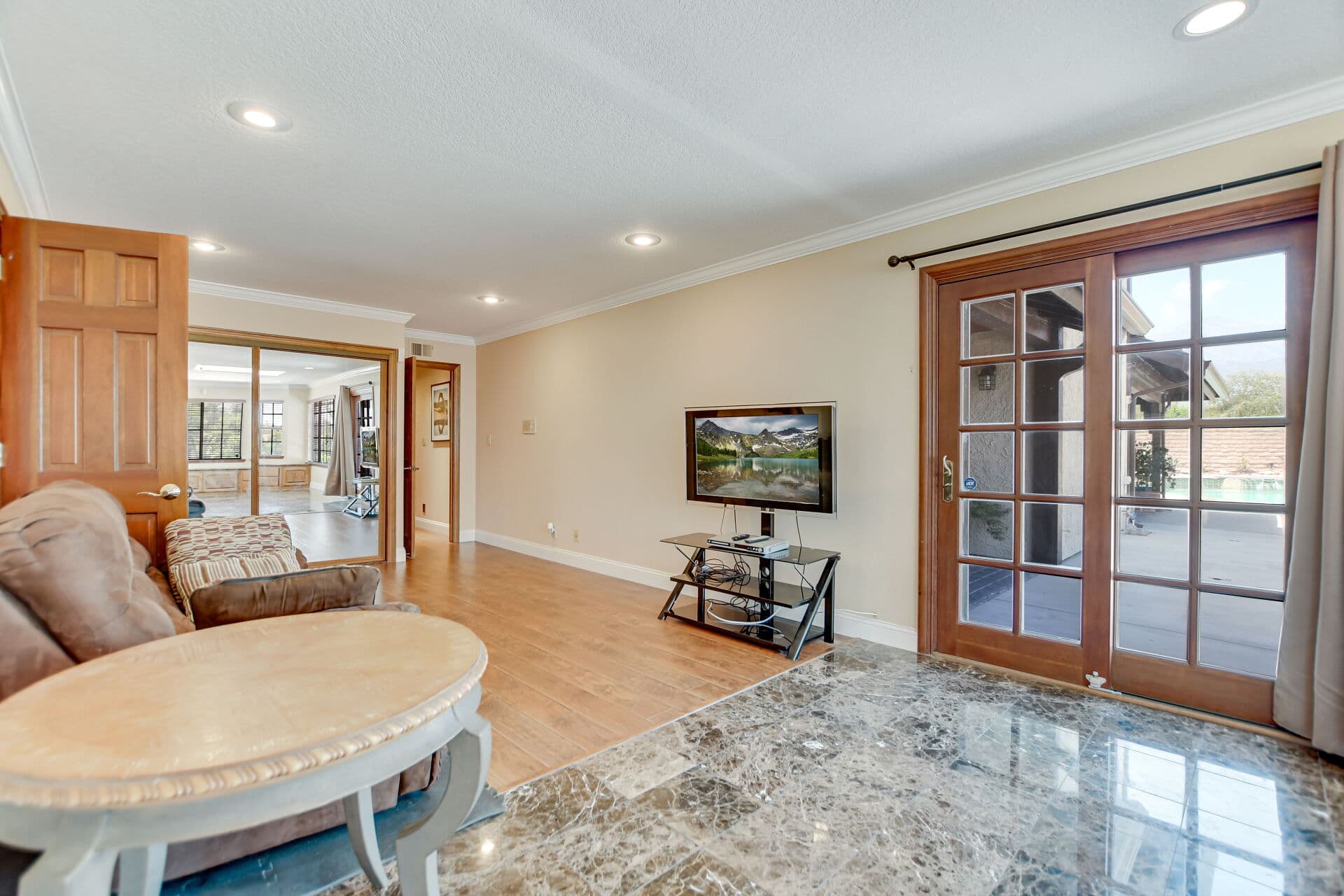
Every listing is written to make you want to see the house. That is what it is for, and there is nothing wrong with it. The skill worth having as a buyer is separating the part that is MARKETING from the part that is DATA, because the second half is where the useful information lives.
Done well, this saves you weekends. You stop touring houses that were never going to work and you start noticing the ones whose description is quietly telling you something.
Read the fields before the prose
Every listing carries a set of structured fields, and those are the ones to read first: year built, lot size, living area, bed and bath count, parking, heating and cooling, any association, and the tax and parcel information.
Treat the fields as the claim and verify anything that matters to you. Living area and room counts come from records that lag and sometimes disagree with each other, and the county assessor's record is a useful second source. Where the description and the fields disagree, believe neither and ask.
Year built in particular changes your whole due diligence list, which is why an older house deserves the approach in due diligence for pre-1978 houses.
Language that is describing a real condition
Some phrases carry information. They are not tricks; they are usually the honest way to say something.
Sold in present condition, or as-is, tells you the seller does not intend to make repairs. It says nothing about the seller's honesty and everything about the negotiation ahead, as explained in what as-is actually changes for a Claremont buyer.
Bonus room, flex space, den, office and guest quarters are words used for rooms whose status may not match the official record. That is a permit question, not an insult, and it is answerable at the counter.
Bring your vision, contractor special and great bones are describing scope of work. Take them at face value and bring an inspector.
Trust sale, probate sale or fiduciary sale tells you the seller may never have lived in the property. Expect limited disclosures and plan for more investigation.
Tenant occupied means a lease may continue past closing, which changes the purchase substantially.
Cash preferred usually signals something about condition or financing complexity. Ask what it is.
What the days and the price history tell you
Two data points sit beside the description and get ignored. The first is how long the property has been on the market in its current run. The second is whether the asking price has changed, and when. Neither is a verdict, and neither should be read as pressure in either direction. What they give you is a question. A property that has been available a while is worth asking about, because the answer is sometimes condition, sometimes an access constraint, sometimes nothing more than a seller who is content to wait. A price that moved recently is worth asking about for the same reason. Ask the listing side directly rather than inventing a story that fits the numbers.
Language that is doing nothing
Charming, stunning, must see, rare opportunity, entertainer's dream, once in a lifetime. These are adjectives. They are not claims you can verify, they are not commitments, and they should not move you one way or the other. Skip past them to the next specific noun.
The same goes for any framing that implies you must hurry. Urgency in copy is a writing technique, not information about the property.
Read the photographs like a buyer
Photographs are the most informative and most easily misread part of a listing.
Notice what is NOT photographed. No garage, no side yard, no rear elevation, no bathroom. Absence is a question, not proof of anything.
Notice angles and lenses. Wide lenses are standard practice and rooms are usually smaller in person. Judge scale by the furniture rather than by the impression.
Notice light and season. A photograph taken in one season does not tell you about the other.
Notice virtual staging, and note that reputable listings label it. Furniture that looks perfect and slightly weightless usually is not there.
Notice edges. Fence lines, neighboring structures, power lines, slopes and drainage all show up at the corners of photographs taken for other purposes.
Check what the listing does not mention
Absence in the copy is worth noticing as much as anything present. A description that never mentions the garage, the yard, the kitchen or the primary bathroom is not necessarily hiding something, but it is telling you where the seller believes the strength of the property is not. Read the whole listing once and then ask yourself which parts of a house it simply never described. Those are the rooms to look at first when you arrive, and the ones to ask about if you cannot get there.
What listing copy cannot tell you
It cannot tell you about condition behind finishes. It cannot tell you about permits. It cannot tell you about insurability. It cannot tell you what the daily experience of that street is, because that is something you learn standing on it at different times.
And it is not the source for anything about schools or attendance areas. Those are determined by the district, so verify boundaries and enrollment questions directly with Claremont Unified rather than from a listing line.
Turn a listing into a decision
Read the fields. Note the specific conditional language and what it implies. Discount the adjectives entirely. Look at what the photographs show at their edges and what they leave out. Write down your questions.
Then tour with those questions in hand, which is a completely different experience from wandering through a house being impressed. What to look at once you are inside is in the Claremont home tour checklist, and more buyer guidance is in the buying a home hub.
Anthony Grynchal has been licensed in California since November 2009.
Frequently asked questions
Is the square footage in a listing reliable?
Treat it as a claim rather than a measurement. It comes from records that lag and sometimes disagree with each other. Cross-check against the county assessor's record and verify independently if it matters to your decision.
What does bonus room usually mean?
Often a room whose status may not match the official record, such as a conversion or an addition. It is a permit question, and the city building division holds the answer.
What does cash preferred signal?
Usually something about condition or financing complexity. It is worth asking directly what is driving it rather than assuming.
Should I trust listing photographs?
Read them for information rather than impression. Note what is not photographed, allow for wide lenses, check whether staging is virtual, and look at the edges of frames for fences, slopes and neighboring structures.
Can I rely on school information in a listing?
No. Attendance areas and enrollment questions are determined by the district and should be verified directly with Claremont Unified.

Written by
Anthony Grynchal
Anthony Grynchal is a California real estate professional with eXp Realty, licensed since November 2009 (California DRE# 01873626), and the Designated Local Expert™ for Claremont — where he has lived for more than 33 years.
More about AnthonyPublished · Updated