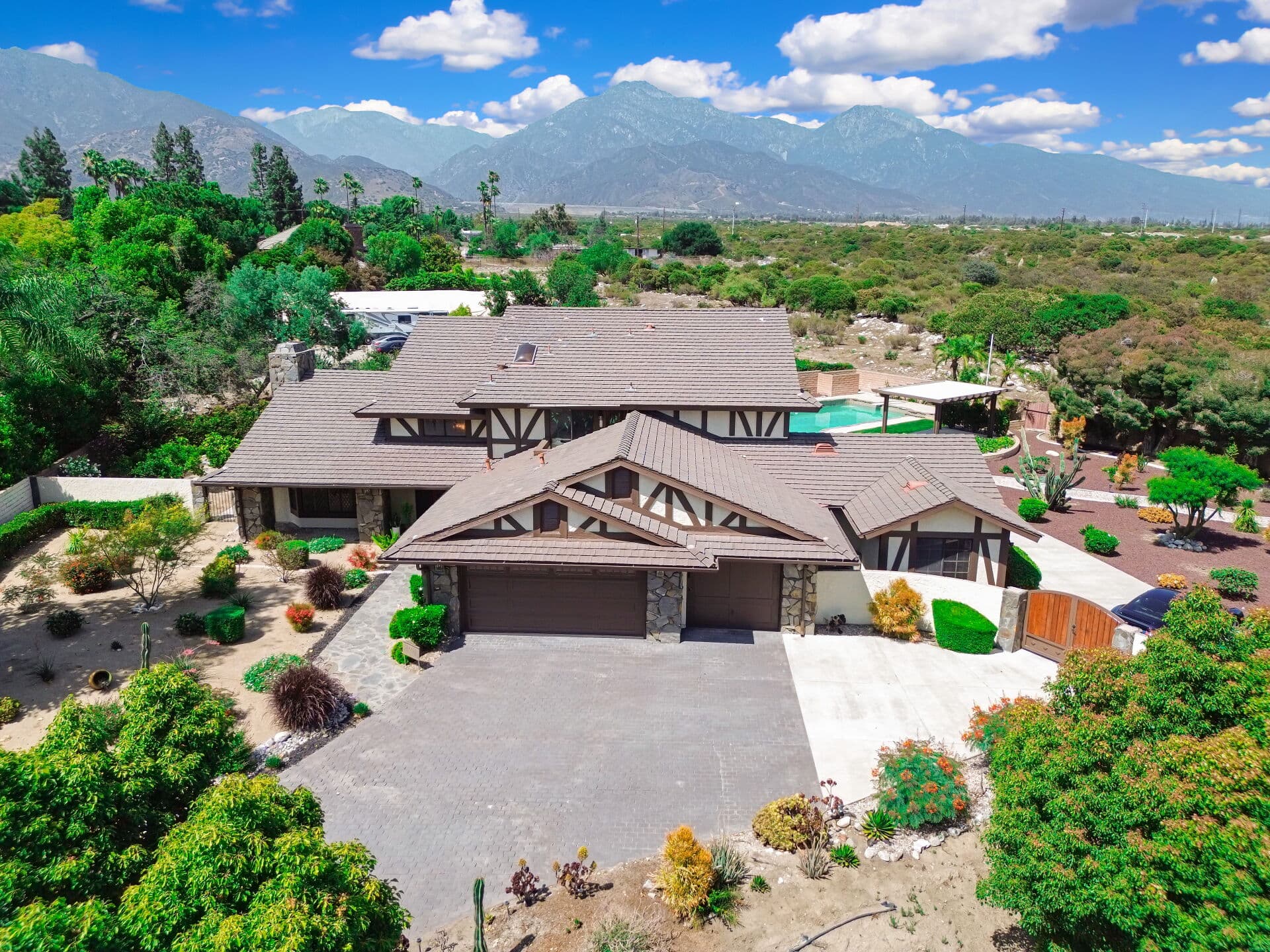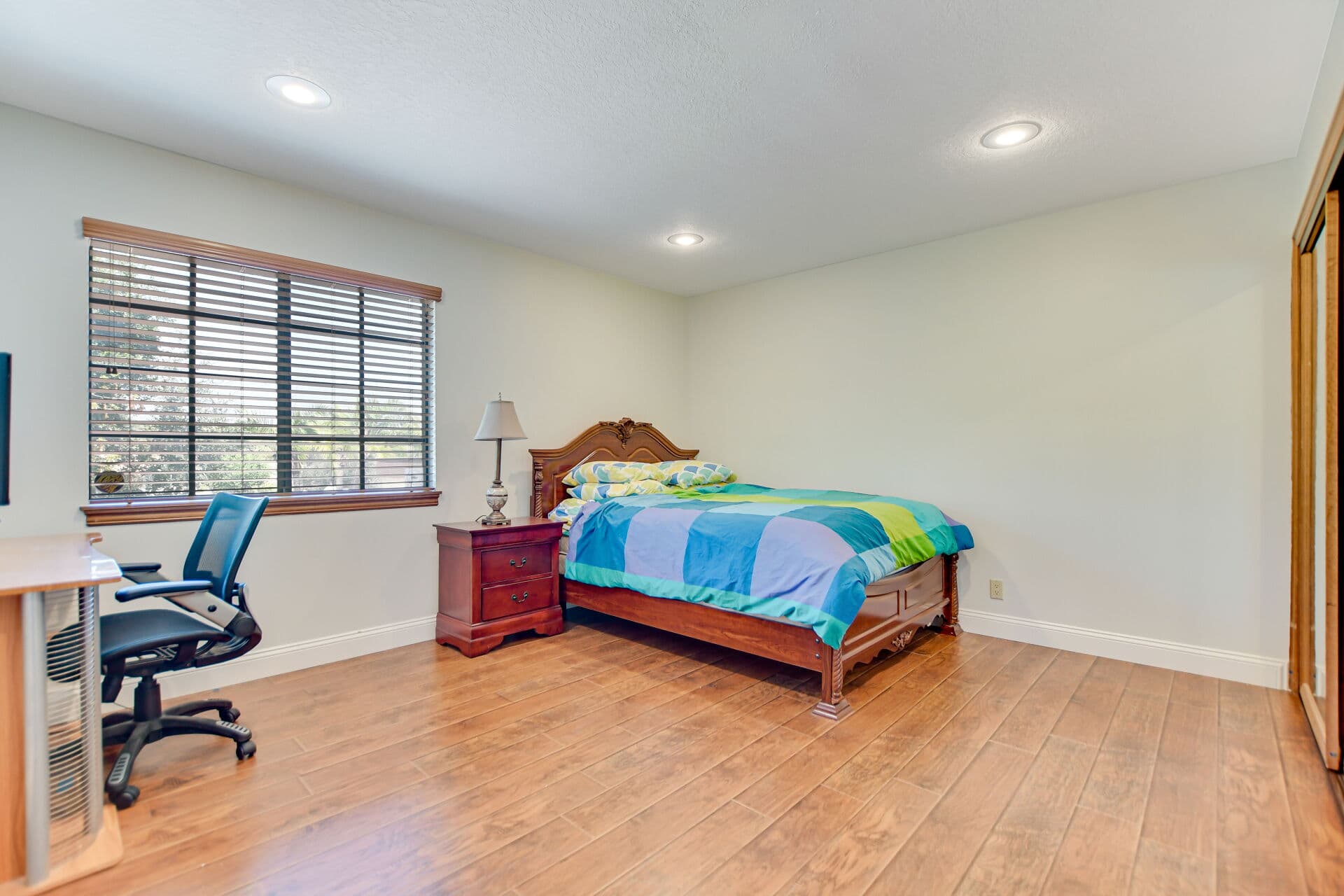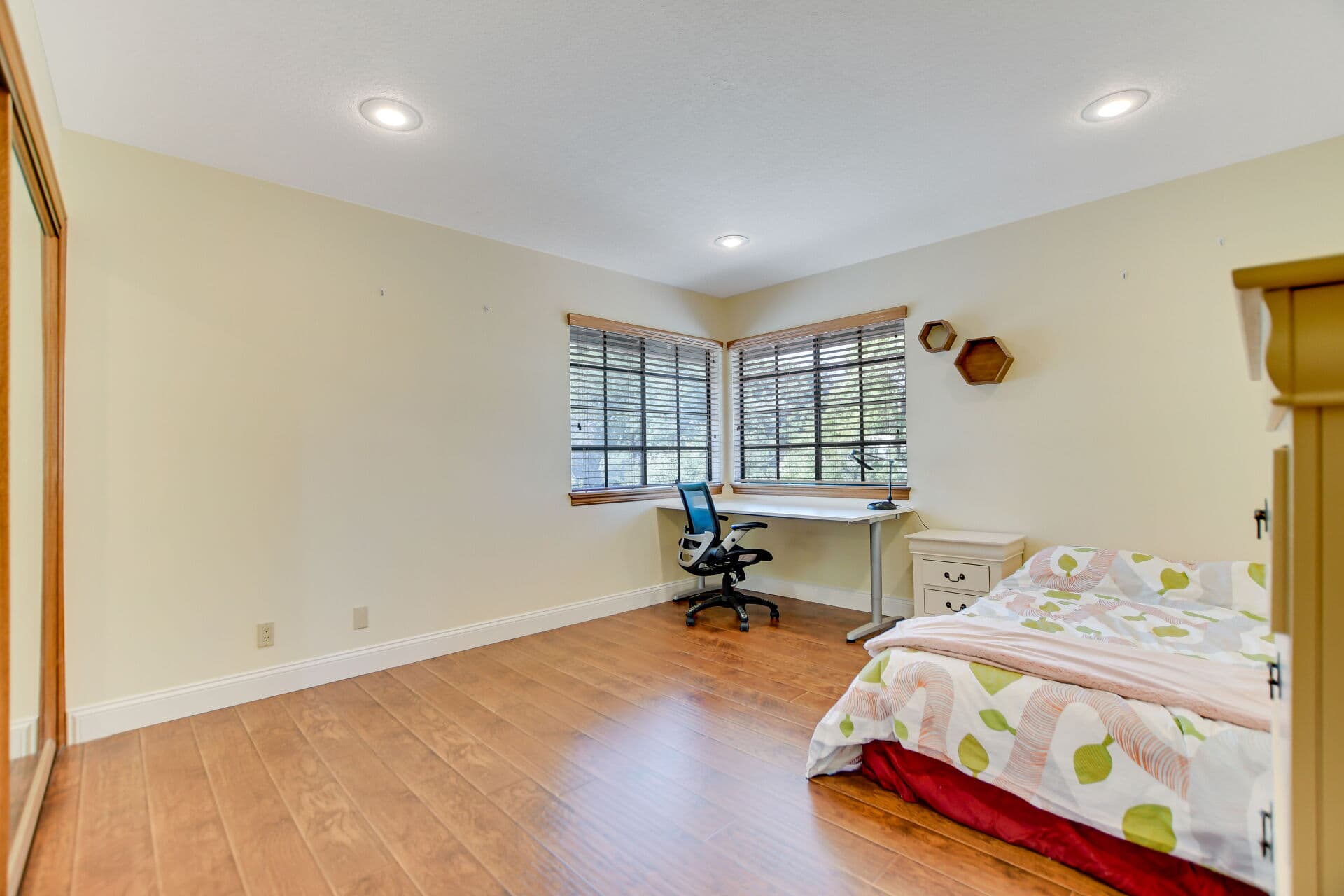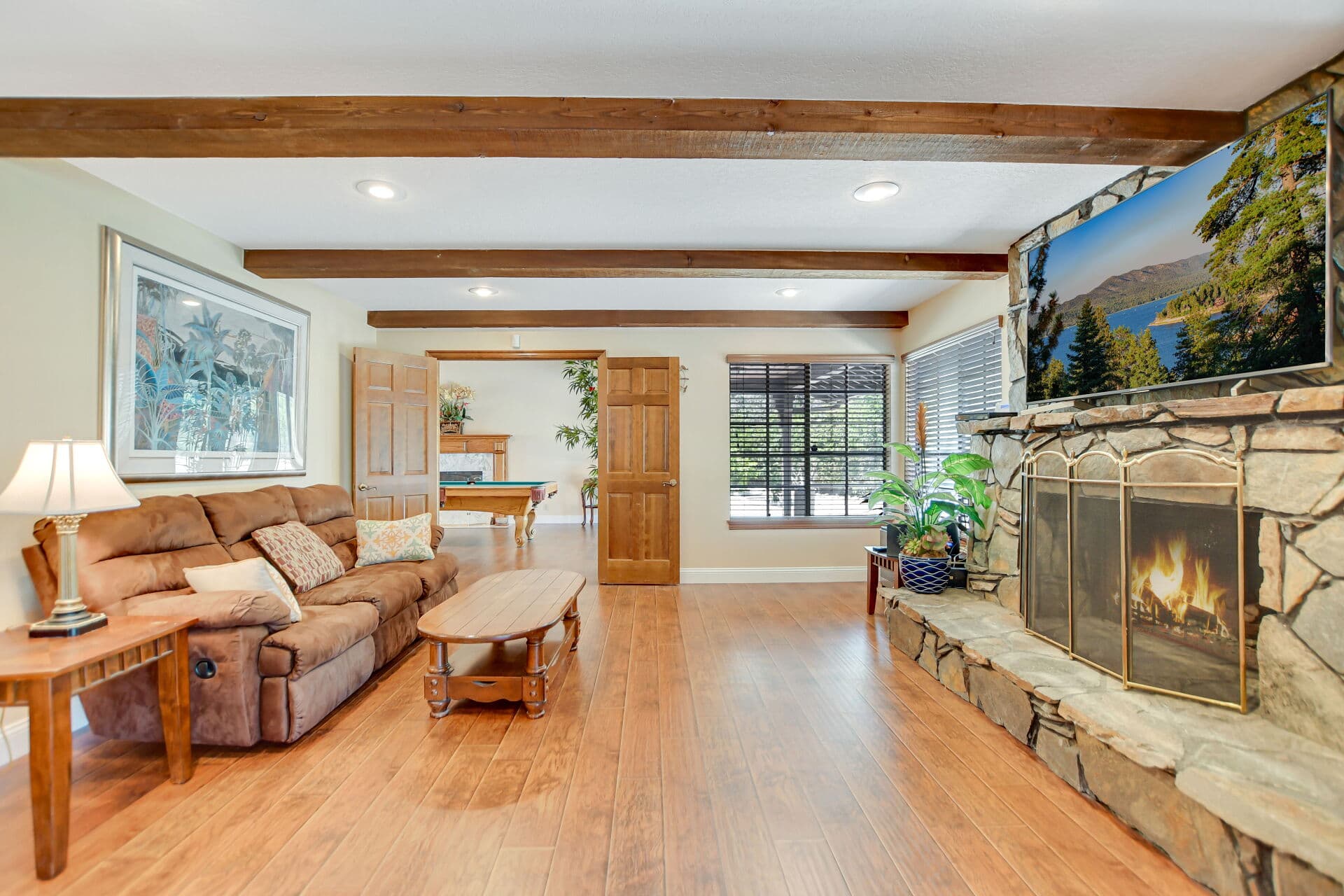
A good part of the housing stock in this town predates 1978, and plenty of it is lovely. Thick walls, real trees, rooms in proportion, streets that were laid out before anyone designed a cul-de-sac. Buyers who want that are not making a mistake.
They are, however, buying a different maintenance profile from a house built in the last twenty years, and there is one legal marker that sits right on that date. Here is what to look at, in the order a sensible buyer looks at it.
The 1978 line
For residential property built before 1978 there is a federal lead-based paint disclosure requirement. The seller provides what they know, the buyer receives a pamphlet, and buyers are given an opportunity to conduct an inspection or risk assessment for lead-based paint hazards.
Read those documents rather than initialling them. Note that the presence of lead-based paint in an older home is not unusual and does not by itself make a house unsafe; condition and management are what matter. If you want a professional assessment, use the opportunity the process gives you, and take advice from a qualified professional rather than from anyone's general reassurance.
Asbestos-containing materials also appear in houses of certain eras, in flooring, insulation, ducting and other assemblies. Again, condition matters, and a qualified professional is the person to ask about identification and handling. Neither of these is a reason to avoid older houses. Both are reasons to know what you have before you start a renovation.
The systems that decide your first five years
ELECTRICAL. Ask what the service is, what the panel is, and how much of the original wiring remains. Some older panel types and wiring methods attract questions from insurance carriers, and that is worth learning before you are relying on a policy. Have an electrician look if the general inspector raises anything.
PLUMBING SUPPLY. Ask what the supply piping is and how much has been replaced. Galvanized supply lines corrode from the inside and give notice in the form of pressure and discoloration.
SEWER LATERAL. This is the single most valuable extra inspection on an older house. A camera inspection of the line from the house to the main shows roots, offsets, bellies and failures that no walkthrough reveals. Order it separately; general inspections do not include it.
ROOF. Ask the age, the number of layers, and whether there is documentation. Roof age drives insurance decisions as much as it drives leaks.
HEATING AND COOLING. Age, service records, ducting condition, and whether the system suits the house as it is now used.
FOUNDATION AND DRAINAGE. Older lots have had decades of landscaping, hardscaping and grading changes. Look at where water goes in a downpour, and take cracks to a specialist rather than to the internet.
Windows, insulation and comfort
Original windows are often part of why a house is charming, and they are also where comfort and noise live. Decide honestly whether you want to keep, restore or replace them, and find out early whether anything constrains that choice, particularly on a property with historic character or in an area with design review. Ask the city before assuming a replacement is a straightforward project.
Insulation in older houses ranges from good to absent. Ask what is in the attic and the walls, because it is one of the cheaper improvements and a real one.
Additions, conversions and the paperwork trail
Forty or seventy years is a long time for a house to sit still, and most have not. Enclosed porches, converted garages, added bathrooms, a second unit in the back.
Check the permit record for all of it rather than accepting a description. The method is in checking permit history before you buy in Claremont, and older homes are exactly where it pays.
Trees, which are their own subject
Mature trees are one of the reasons people want these streets. They are also large living structures near buildings, with roots near lines and canopies over roofs.
Ask about tree health, recent work and any history of limb failure. Ask the city about any protections that apply to trees on the property, because rules about removal and trimming exist in many jurisdictions and they can differ for street trees and for particular species. An arborist is a reasonable inspection on a heavily treed lot.
Insurance, early
This is the step most buyers of older homes leave too late. Roof age, electrical panel type, plumbing material and prior claims all affect what a carrier will offer. Quote the specific address as soon as you are in contract, not after your contingencies are gone.
How to think about the whole thing
An older house is not a risk to be eliminated, it is a maintenance calendar to be understood. The buyers who are happy in them are the ones who arrived with a list of what needs attention in year one, year five and year fifteen, and who priced accordingly.
So spend more on inspections than you would on a newer home, take the reports seriously without panicking at the length of them, and use what you learn to negotiate on price rather than on a repair list. What a buyer should be looking at during the tour itself is in the Claremont home tour checklist.
More buyer guidance is in the buying a home hub.
Anthony Grynchal has been licensed in California since November 2009.
Frequently asked questions
What is special about homes built before 1978?
Federal rules require a lead-based paint disclosure for residential property built before 1978, along with a pamphlet and an opportunity for the buyer to conduct an inspection or risk assessment for lead-based paint hazards.
Does lead-based paint make a house unsafe to buy?
Not by itself. Its presence in older homes is common, and condition and management are what matter. Use the inspection opportunity the process provides and take advice from a qualified professional.
What extra inspection is most worth ordering on an older home?
A camera inspection of the sewer lateral. It is not part of a general home inspection and it reveals root intrusion, offsets and failures that no walkthrough can show.
Will an older home be harder to insure?
It can be. Roof age, electrical panel type, plumbing material and prior claims all affect what carriers offer. Quote the specific address as soon as you are in contract rather than at the end.
Can I replace the original windows?
Often yes, but check first. Properties with historic character or in areas with design review can have constraints. Ask the city before assuming replacement is straightforward.

Written by
Anthony Grynchal
Anthony Grynchal is a California real estate professional with eXp Realty, licensed since November 2009 (California DRE# 01873626), and the Designated Local Expert™ for Claremont — where he has lived for more than 33 years.
More about AnthonyPublished · Updated