Claremont has houses people drive past on purpose. Not many towns this size do.
What is unusual here is not one spectacular building but the RANGE — a century of residential architecture sitting on adjacent streets, each era well represented and, in most cases, well kept. That is a direct consequence of a town that never had a boom big enough to erase itself and never had a decline deep enough to lose its buildings.
The eras, and how to recognize them
Turn-of-the-century and Craftsman. Low-pitched gabled roofs, deep porches, exposed rafter tails, wood siding or shingle, built-in cabinetry inside. These are the houses of the college's early decades and the citrus economy that surrounded it, concentrated on the older grid near the center of town.
Period revivals of the 1920s and 1930s. Spanish Colonial Revival with white stucco, tile roofs and arched openings; Tudor with steep gables and half-timbering; the occasional Colonial Revival. Smaller than their curb presence suggests, superbly plastered, and expensive to alter.
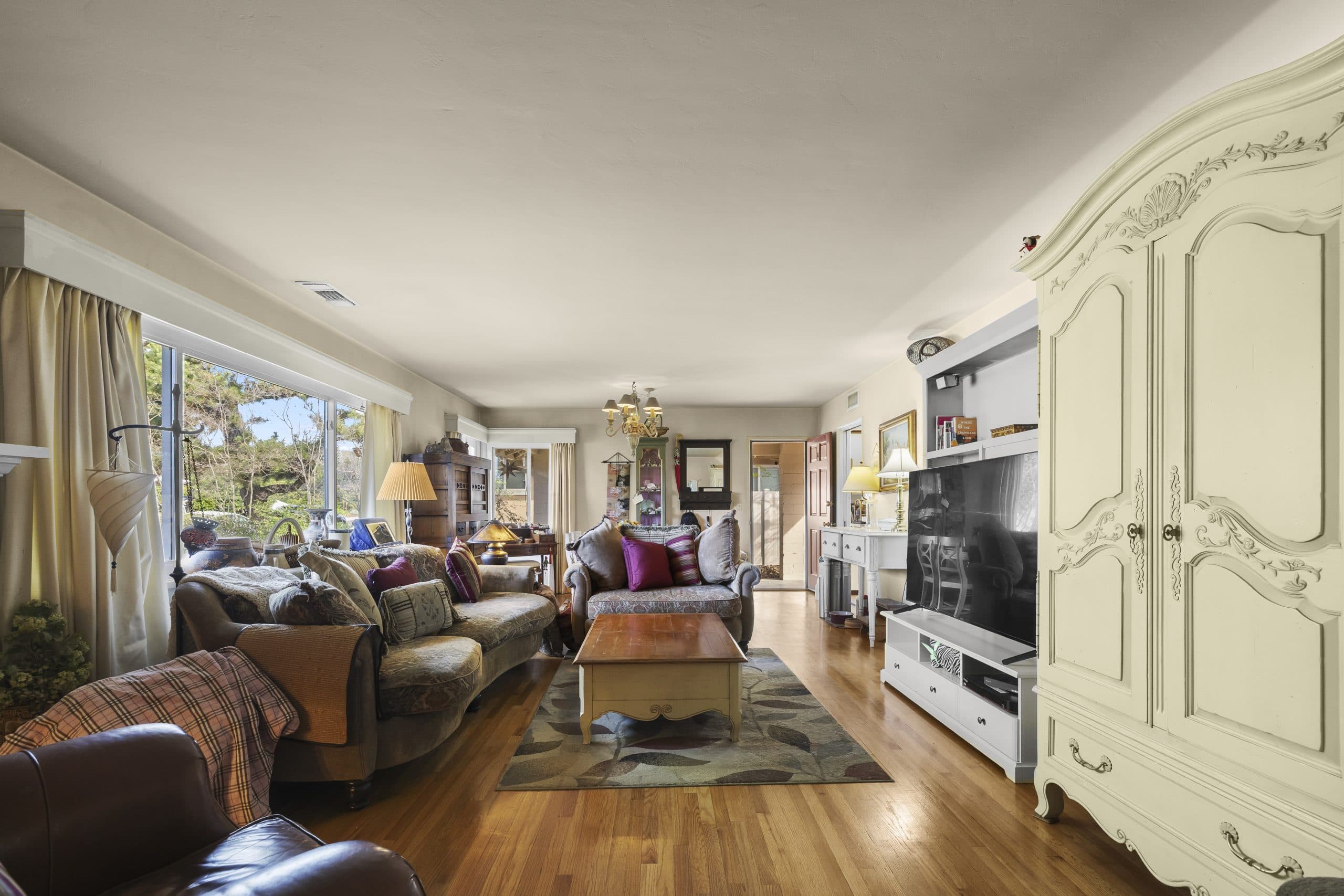
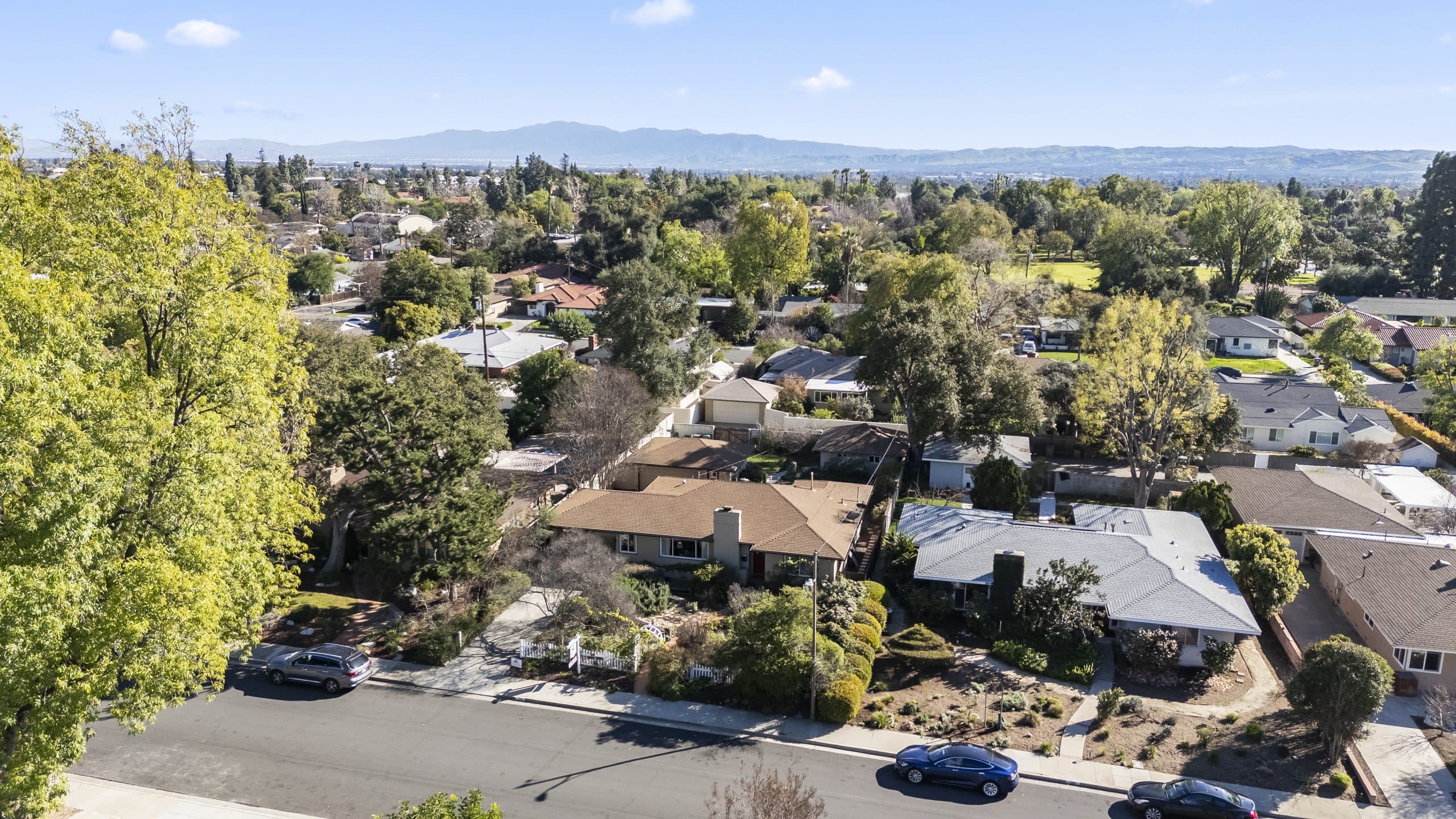
Postwar ranch. Single story, low horizontal massing, attached garage, sliding doors to a rear yard. Claremont has a great deal of this, much of it on former grove land. See the postwar boom.
Mid-century modern. Post-and-beam framing, glass walls, exposed structure, flat or low-slope roofs, indoor-outdoor planning. Claremont's concentration of good examples is tied to the colleges' expansion in those decades and to the kind of client that produced. See how the Claremont Colleges grew.
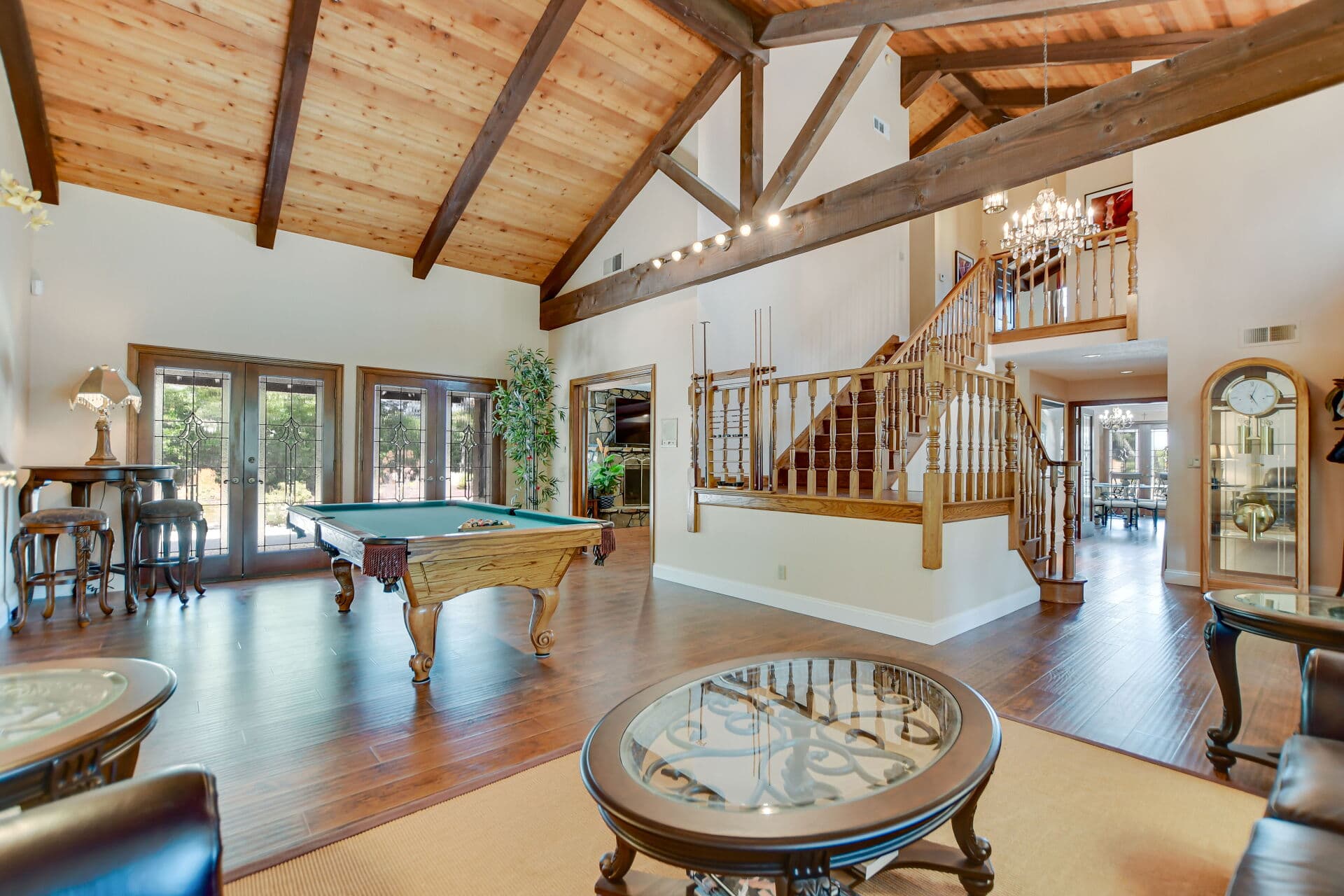
Foothill custom. Larger irregular lots, houses sited to terrain, Spanish revival and contemporary vocabularies mixed, built across several decades as the town expanded north.
Who built them: the honest answer
Claremont attracted architects and design-literate clients, and the town's inventory includes work by notable designers. It also includes a great deal of excellent builder-designed housing, and — this is the part that matters commercially — a persistent tendency for the two categories to get confused in listing copy.
An attribution is a factual claim. Before it affects what you pay, it should be supported by something checkable:
- Original permits and plans on file with the city, which frequently name the designer.
- Historic resource surveys and inventories maintained by the city and by Claremont Heritage, which document known properties.
- Archival collections, including architects' papers held by institutions and the Claremont Colleges' libraries.
- Published scholarship and established regional architectural surveys.
What is not evidence: a previous listing, a neighbor's recollection, or a stylistic resemblance. Homes get attributed to famous architects by inference every year in Southern California, and the inference is usually wrong. Ask for the document.
What designation actually does
Buyers routinely misunderstand this in both directions.
A local historic designation typically governs exterior and character-defining features and requires review for certain alterations. It generally does not freeze the interior, does not prevent sale, and does not require you to open your house to the public.
It can also carry benefits. California's Mills Act allows local governments to offer property tax reduction in exchange for a maintenance and preservation agreement on qualifying historic properties. Whether Claremont participates, which properties qualify, what the contract requires and what the actual tax effect would be are all specific questions for the city and for the county assessor. Do not price a Mills Act benefit into an offer before confirming it applies to that property.
The framework behind all of this is covered in Claremont Heritage and the rise of preservation.
What a landmark house is really like to own
Romance aside, here is the operating reality.
Maintenance is specialized. Original wood windows, plaster, tile roofs, steel casements and period hardware all require trades that not every contractor has. Budget for the specialist, and find them before you need them urgently.
Systems are the real cost. Electrical service, sewer laterals, foundations and mechanical systems consume the budget. The visible charm rarely does.
Alterations take longer. Design review adds time. Plan for it rather than resenting it, and talk to the planning department before you hire an architect, not after.
Insurance can be different. Replacement cost on a house with irreplaceable materials is not the same conversation as on a tract home. Talk to your carrier early.
The buyer pool is narrower and deeper. Fewer buyers want a significant historic house, and the ones who do want it badly and understand what they are buying. That tends to produce fewer offers and better ones.
How to research a specific house
- Pull the permit history from the city, going back as far as records exist.
- Check the county assessor's record for build year, and treat pre-permit-era dates as approximate.
- Ask the city whether the property appears in any historic resource survey or carries designation.
- Contact Claremont Heritage, which maintains local knowledge and archives.
- Search the Claremont Colleges' library collections and the Claremont Courier's archives for the address and the family names attached to it.
- Compare the physical building to the documents. Additions and alterations are extremely common and are part of the house's real history.
Why this stock exists at all
Because nothing ever cleared it. The 1880s boom collapsed before it could overbuild, the citrus economy faded slowly rather than catastrophically, urban renewal never targeted a town this small, and by the time significant redevelopment pressure arrived, an organized preservation constituency was already in place.
That sequence is unusual and it is not repeatable. It is also the reason a buyer can stand on one Claremont street and see a hundred years of American residential architecture without moving.
For the whole arc, start at the Claremont history hub.
Anthony Grynchal has been licensed in California since November 2009.
Frequently asked questions
How do I verify that a famous architect designed a Claremont house?
Ask for documentation: original permits and plans on file with the city, entries in historic resource surveys, archival collections including architects' papers, or published scholarship. Stylistic resemblance, prior listing copy and neighborhood recollection are not evidence.
Does historic designation stop me from remodeling?
Generally no. Local designation typically governs exterior and character-defining features and requires review for certain changes, while interiors are usually far less restricted. Ask the city's planning department exactly what is protected at a given address before assuming a project is impossible.
Is there a tax benefit for owning a historic home in California?
The Mills Act allows local governments to offer property tax reduction in exchange for a preservation and maintenance agreement on qualifying historic properties. Whether it applies to a specific Claremont property, and what the contract would require, must be confirmed with the city and the county assessor before relying on it.
What styles of homes does Claremont have?
A broad range across roughly a century: Craftsman and turn-of-the-century houses on the older grid, 1920s and 1930s period revivals, extensive postwar ranch, a strong concentration of mid-century modern, and custom foothill homes on larger lots to the north.

Written by
Anthony Grynchal
Anthony Grynchal is a California real estate professional with eXp Realty, licensed since November 2009 (California DRE# 01873626), and the Designated Local Expert™ for Claremont — where he has lived for more than 33 years.
More about AnthonyPublished · Updated