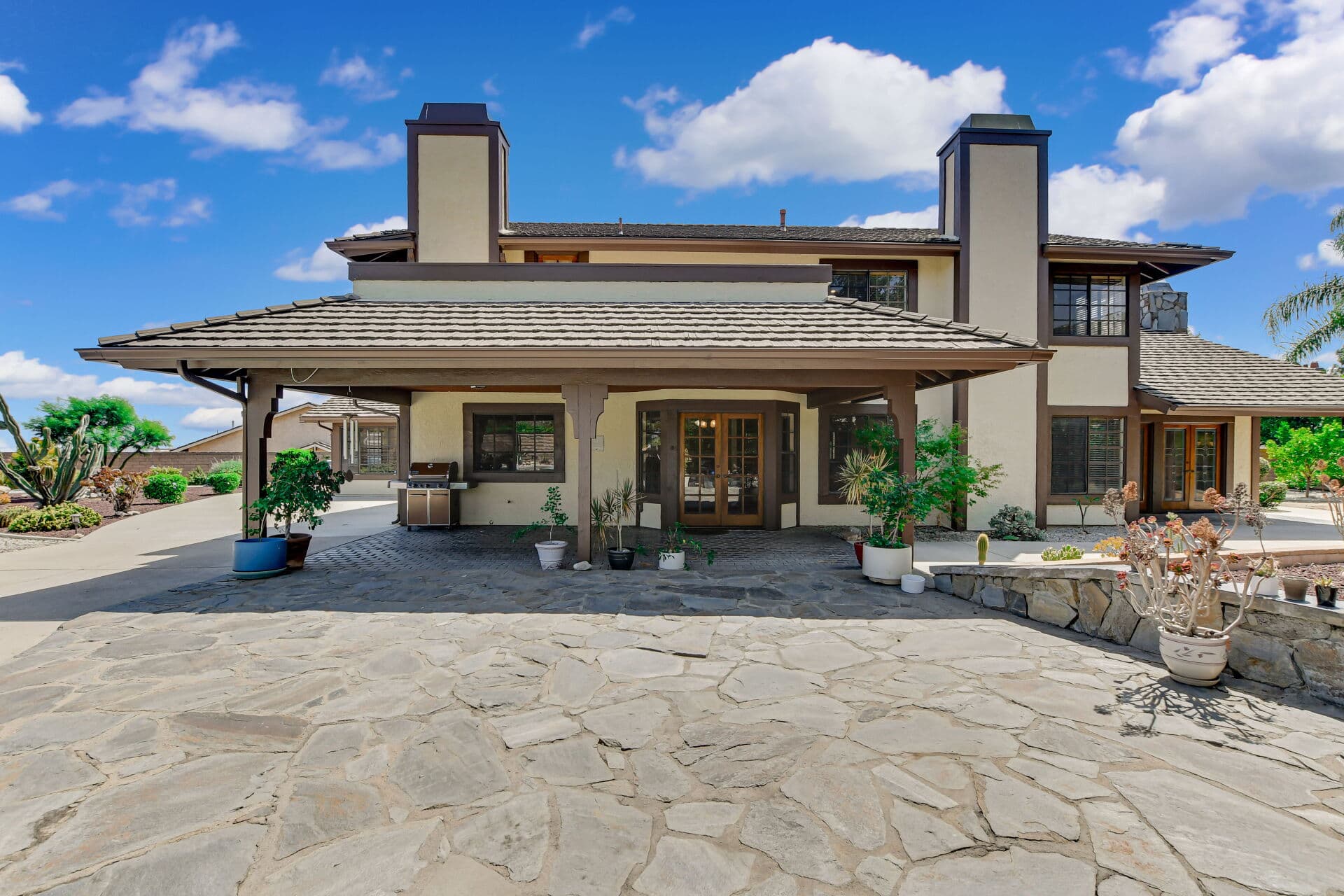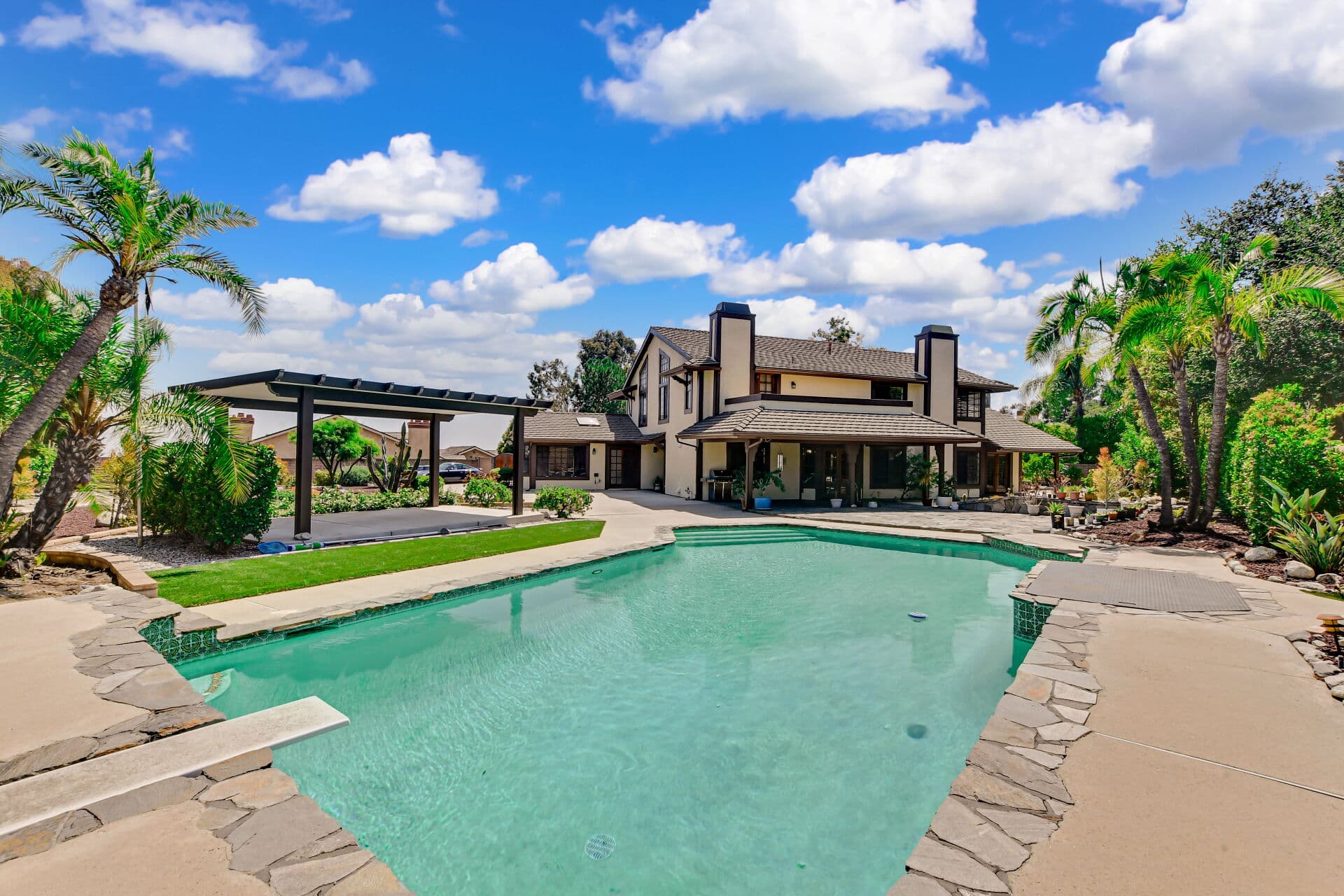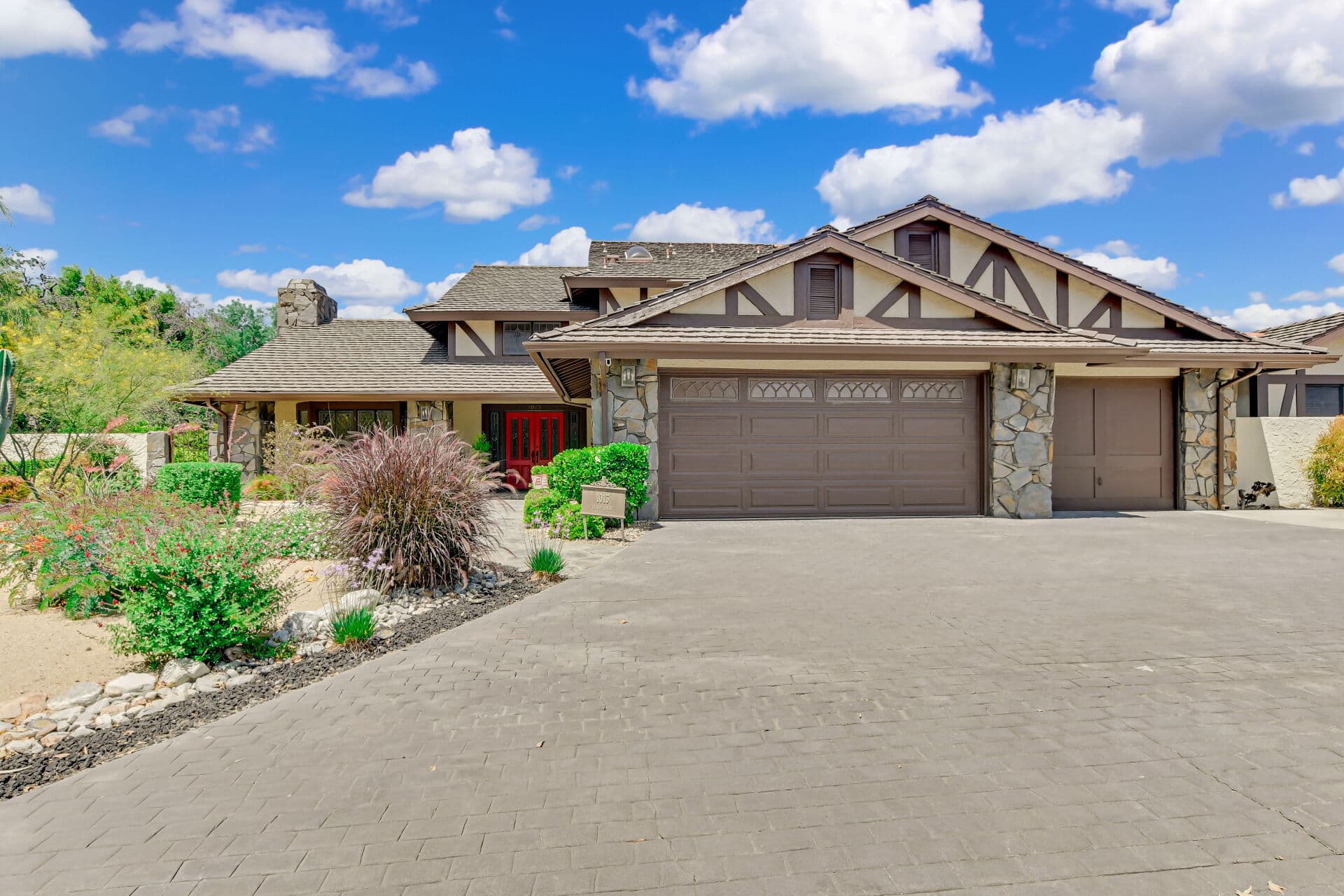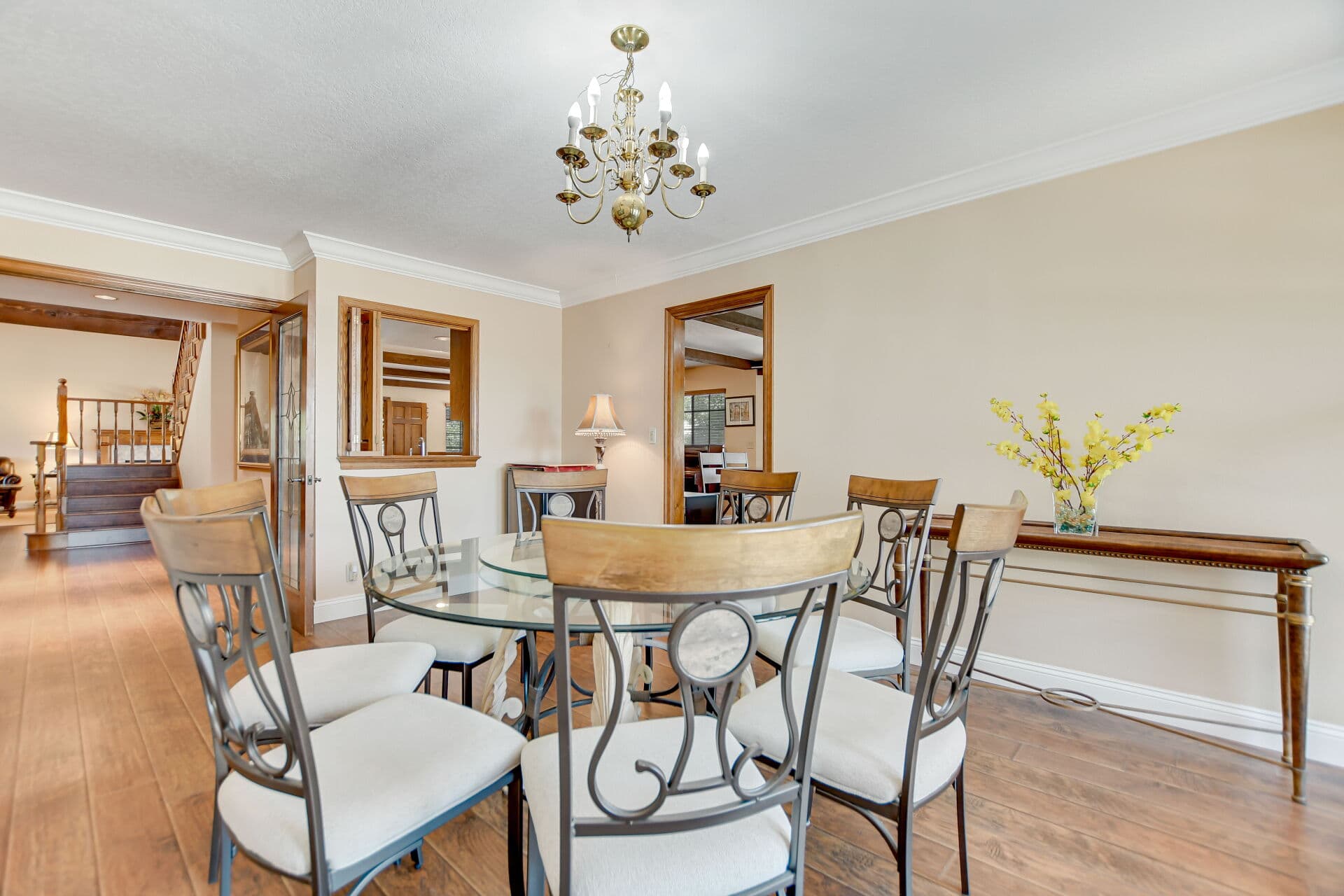
There is a Claremont house type that estate agents recognize immediately and rarely name. Modest in footprint, generous in quality. A room clearly built to be a STUDY, not a fourth bedroom. Built-in shelving on more walls than any decorator would choose. A quiet lot near a campus, a garden that somebody tended for forty years, and an interior that has been maintained rather than restyled.
That house was built for, or bought by, an academic. Claremont has an unusually high concentration of them because it has an unusually high concentration of colleges, and a century of recruiting scholars leaves a mark on a housing stock. This chapter of the Claremont history guide is about that mark.
Recruitment is a housing event
An institution that hires nationally and internationally is making a housing commitment whether it means to or not. Every appointment is a household that must be housed near the campus, on a salary that is respectable rather than lavish, with a preference for quiet, light, and a place to work at home.
Repeat that across decades and several institutions, and you get a market with distinctive demands: small to medium houses of good construction, close in, with a room to think in. The colleges' own expansion, campus by campus, is traced in how the Claremont Colleges grew, and every stage of that growth generated another cohort of households looking for exactly this.
American higher education also drew scholars from abroad throughout the twentieth century, including waves of European academics displaced by upheaval and war, and later a broad international faculty. That is a national pattern rather than a Claremont invention, but a town with this many campuses felt it more than most. Which individuals came here, when, and where they lived is a records question, and the Claremont Colleges archives and Claremont Heritage hold the documentation. This site does not attach names to houses it cannot source.
What the demand built
Four things, all of them still on the market periodically.
Quality at modest scale. An academic household typically wanted good materials, good light, and good proportion rather than square footage. That produced houses whose cost went into joinery, plaster, windows, and siting instead of into size, which is precisely the trade that ages well.
The study. Not a home office in the contemporary sense but a room designed around reading and writing: shelving as architecture, a door that closes, and a window placed for daylight on a desk rather than for a view from a sofa.
Architect-designed modest houses. A client who values design and cannot afford scale is an excellent client for an architect, and college towns across the country carry a disproportionate number of small, seriously designed houses because of it. Some of Claremont's are significant enough to appear in the discussion of landmark homes and who built them.
Gardens with intent. Long tenure plus an interest in botany, and proximity to a region with serious horticultural institutions, produces mature private planting that is frequently more considered than the house.
Long tenure, and what it does to a property
Academic households stay. Tenure is the literal mechanism, and it produces ownership spans measured in decades rather than years. That has consistent consequences a buyer should expect.
The GOOD: original fabric survives because nobody flipped it. Floors, windows, hardware, tile, and cabinetry that a quick-turn renovation would have removed are often intact, and they are expensive to replicate. Landscaping is mature. The house has been genuinely lived in and genuinely cared for.
The COMPLICATED: systems age on a different schedule from finishes. Electrical service sized for a different era, original plumbing, heating installed decades ago, and a roof at the end of its life are all common in a long-held house that looks immaculate. Deferred replacement is not neglect; it is the natural result of nothing ever breaking badly enough to force the issue.
The PRACTICAL: many of these properties reach the market through downsizing or through an estate, which means the seller may have limited direct knowledge of the building's history and disclosures may be thinner than usual. That raises the value of a thorough inspection and of the permit file, and it is one reason the sellers in this position have their own guidance in preserving family history when selling a longtime Claremont home.
Buying one
A few things worth knowing before making an offer on this house type.
Price the SYSTEMS, not the surfaces. The charm is real and it is also the part that will not need money for a decade. Get the roof, the panel, the plumbing, the heating, and the foundation assessed properly.
Do not assume the study converts. Built-in shelving, a fireplace, or a structural wall may be exactly what makes the room work, and removing it is often what makes it ordinary.
Check whether the property carries any historic designation, and confirm what that means for exterior work, because age alone confers nothing and designation is a specific status. The City of Claremont and Claremont Heritage are the sources.
And treat provenance claims carefully. A house near a campus was probably owned by academics. WHICH academics is a documented question, answerable through the recorded chain of ownership and the colleges' archives, and worth answering properly if it is going to appear in a listing.
Anthony Grynchal has been licensed in California since November 2009.
Frequently asked questions
Why do so many Claremont houses have a dedicated study?
A century of academic households buying near the campuses created steady demand for a room built around reading and writing, with shelving as architecture and daylight placed for a desk. It is one of the most reliable signatures of the town's housing stock.
What should I expect when buying a long-held academic family home?
Expect intact original fabric and mature landscaping alongside aging systems, since decades of stable ownership preserve finishes while electrical, plumbing, heating, and roofing quietly reach the end of their lives. Budget for systems rather than surfaces.
Are disclosures thinner on estate and downsizing sales?
Often, because the seller or their representative may have limited direct knowledge of the building's history. That raises the importance of a thorough inspection and of obtaining the permit file from the City of Claremont.
How do I confirm which scholar lived in a house?
Use the recorded chain of ownership to place people at the address on specific dates, then check the Claremont Colleges archives and Claremont Heritage documentation. Provenance affects price, so a claim in a listing should rest on records rather than recollection.

Written by
Anthony Grynchal
Anthony Grynchal is a California real estate professional with eXp Realty, licensed since November 2009 (California DRE# 01873626), and the Designated Local Expert™ for Claremont — where he has lived for more than 33 years.
More about AnthonyPublished · Updated