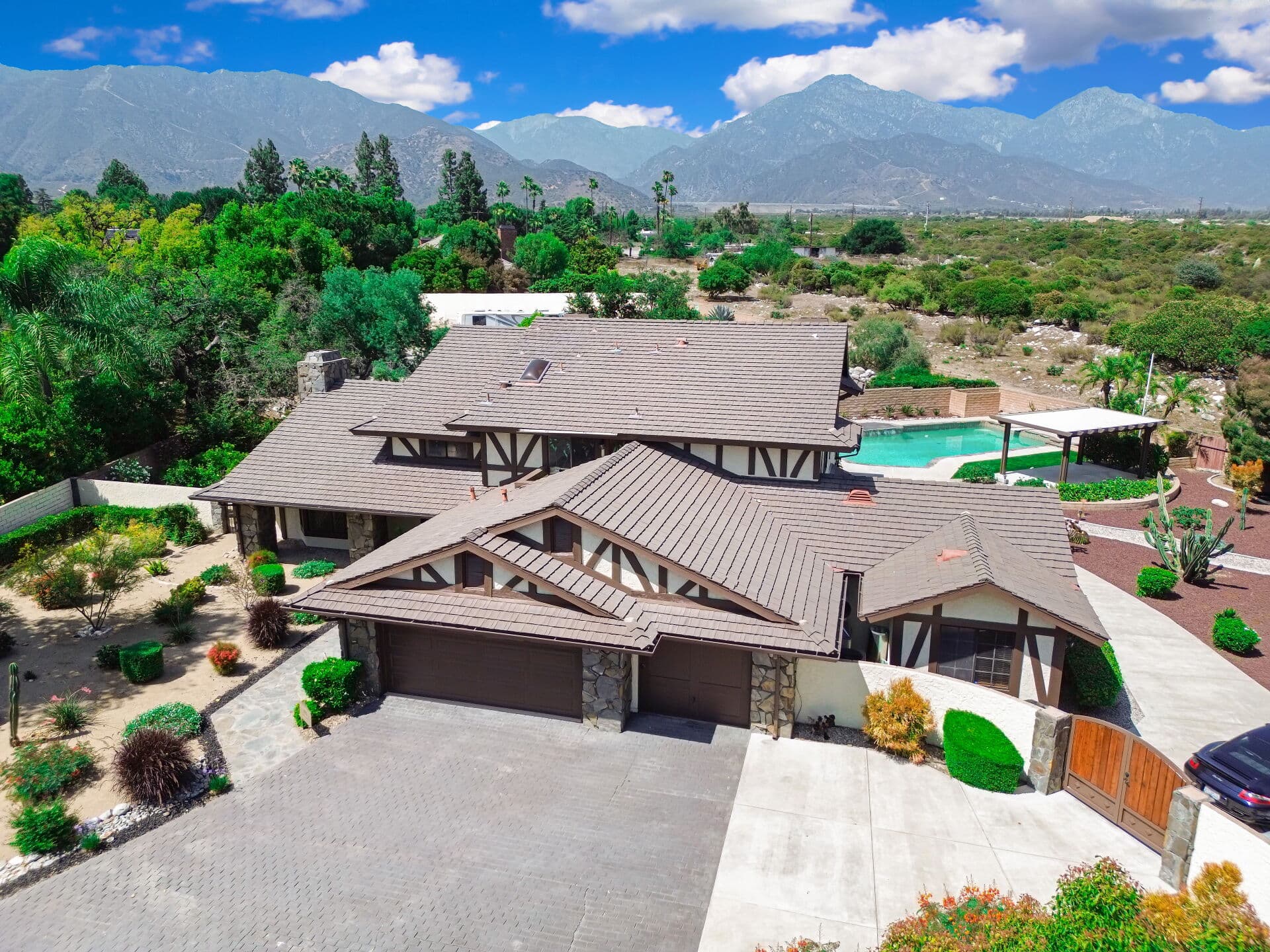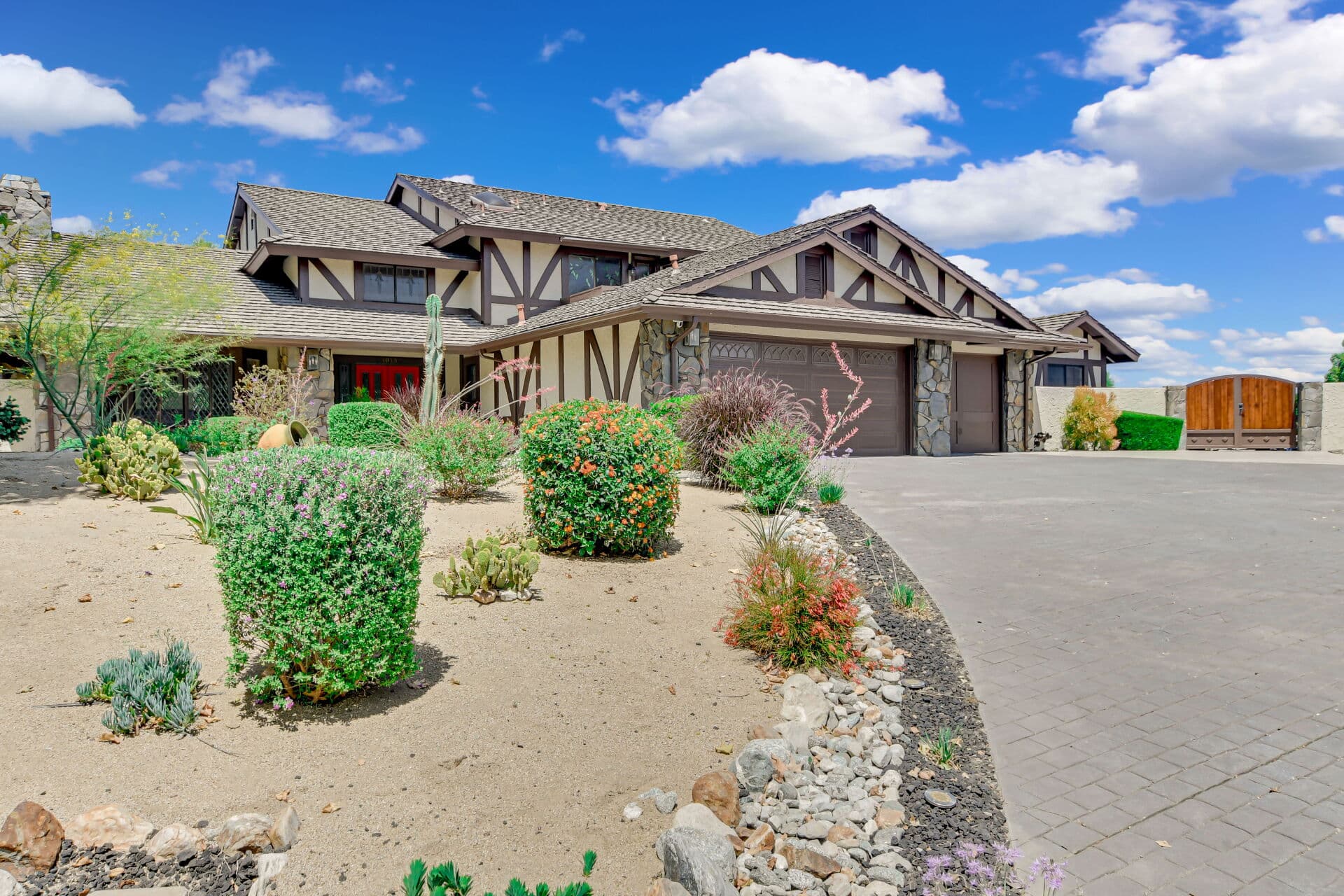
Claremont is a town of trees, and a home that has been in one family for decades is usually a home with a mature canopy over it.
Almost nobody factors that into a downsize. Buyers tour a smaller house, like the floor plan, and only notice in July that the new place has nothing over the west-facing rooms and the old one had a sixty-year-old shade tree doing quiet work every afternoon.
This is not an argument against moving. It is an argument for counting the canopy as a feature, the same way you would count a garage.
What mature shade was actually doing
Three things, mostly.
It moderated the interior. A canopy over the west and south sides of a house changes how the late afternoon feels indoors, and the difference is noticeable rather than theoretical.
It made the yard usable. Outdoor space without shade is outdoor space you use in the morning and abandon by noon for a good part of the year. A patio under a tree is a room. A patio in full sun is a surface.
And it did something for the street. Established neighborhoods here read the way they do largely because of the trees, and that is a real part of what people mean when they say a block feels settled.
None of this comes with the new house automatically. Newer and smaller homes are frequently on younger landscaping, and a tree planted at move-in is doing very little for you for a long while.
The other side of the ledger
Mature trees are also work, and expensive work when it goes wrong.
They need periodic professional attention, and the taller the tree the less of that is a homeowner job. Roots find irrigation lines, hardscape and occasionally sewer laterals. Leaf drop is a season, not an afternoon. A large limb over a roof is a thing you think about during a wind event.
Plenty of downsizers are relieved to be rid of exactly this. That relief is legitimate and it belongs in the count alongside the loss. The point is only that the canopy is on BOTH sides of the ledger, and most people put it on neither.
How to read the trees on a home you are considering
Stand in the yard and look at the west side of the house, then the south. That is where shade earns its keep in this climate.
Notice what is deciduous and what is evergreen. Deciduous trees shade in summer and let light through in winter, which is usually what you want over living space. Evergreens shade year-round, which is welcome over a patio and less welcome over a room you use in January.
Look at the scale relative to the house. A young tree twelve feet from a wall will not stay twelve feet from that wall, and someone will be dealing with it.
And look at what is not yours. A neighbor's mature tree can provide most of a small lot's shade, which is a genuine benefit that you do not control. That is worth knowing rather than assuming.
Smaller lot, different relationship to the outdoors
The canopy question is really part of a larger one, which is what your outdoor space is for after the move.
On a large Claremont lot, the yard is usually a place you maintain and occasionally use. On a small one it is often the reverse: a compact space you use daily and maintain in twenty minutes. That is frequently an improvement, and it is one of the reasons people describe the smaller place as easier rather than smaller.
But it only works if the space is comfortable to be in. A small yard with no shade is a small yard you do not go into, which means you did not downsize your outdoor space, you eliminated it. If the garden matters to you specifically, the transition is worked through in keeping the garden when the yard gets smaller.
Shade you can add, and shade you cannot
Some of this is fixable and some of it is not, and knowing which is which prevents both false hope and unnecessary rejection of a good house.
Fixable, reasonably: a patio cover, a pergola, awnings on the worst windows, exterior shades. These are ordinary improvements and they solve the outdoor-room problem quickly.
Fixable, slowly: planting. A well-chosen tree in the right position will do the job, eventually. If you are planning to be in the home a long time this is a real answer, and it is worth planting in the first year rather than the fifth.
Not really fixable: orientation. A house whose main living space faces hard west with no room for anything between it and the sun is what it is. That is not a dealbreaker on its own, but it should be priced into your expectations of how the room will feel.
Check whether the property has an association with rules about landscaping or exterior changes before you plan any of it. What is permitted varies, and the place to get an answer is the governing documents rather than a neighbor, as covered in the HOA question.
Leaving trees you planted
There is an emotional layer here that people are sometimes embarrassed to mention.
If you planted the tree in the front yard the year you moved in, watching it be someone else's tree is not nothing. I have had people who were entirely calm about selling a house get quiet about a specific tree.
That is a normal part of leaving a long-held home and it does not mean the decision is wrong. Take photographs of the yard in the season it looks best. Some people take a cutting or a seedling to the new place, which is a small thing that seems to help more than it should.
Putting it in the decision
Add three questions to your list when you look at smaller homes here.
Where does the afternoon sun hit, and is anything in the way of it? What tree work is the new property going to require of me, and can I do it or arrange it easily? And if the yard has no shade today, is there room and permission to create some?
None of these will decide a purchase by themselves. All of them will affect how the house feels in August, which is a longer stretch of your life than the move itself.
For how the rest of the ordinary week shifts in a smaller home, see what a smaller Claremont home changes about an ordinary day, and the Claremont downsizing hub connects this to the wider sequence.
Anthony Grynchal has been licensed in California since November 2009.
Frequently asked questions
Do mature trees matter when choosing a smaller home?
More than most people expect. Shade on the west and south sides changes how the interior feels in summer and whether a small yard is usable, and a newly planted tree takes years to do the same job.
Are mature trees a liability when I sell?
They are both an asset and an obligation. They contribute a great deal to how an established Claremont property feels, and they also require professional maintenance and can affect irrigation, hardscape and roofs.
Can I add shade to a smaller lot?
Often yes, through a patio cover, pergola, awnings or planting. Check the property's governing documents first if it belongs to an association, since exterior and landscaping rules vary.
What should I look at on a tour to judge shade?
The orientation of the main living space, whether nearby trees are deciduous or evergreen, how close young trees sit to the structure, and whether the shade you are relying on is actually on a neighbor's property.

Written by
Anthony Grynchal
Anthony Grynchal is a California real estate professional with eXp Realty, licensed since November 2009 (California DRE# 01873626), and the Designated Local Expert™ for Claremont — where he has lived for more than 33 years.
More about AnthonyPublished · Updated