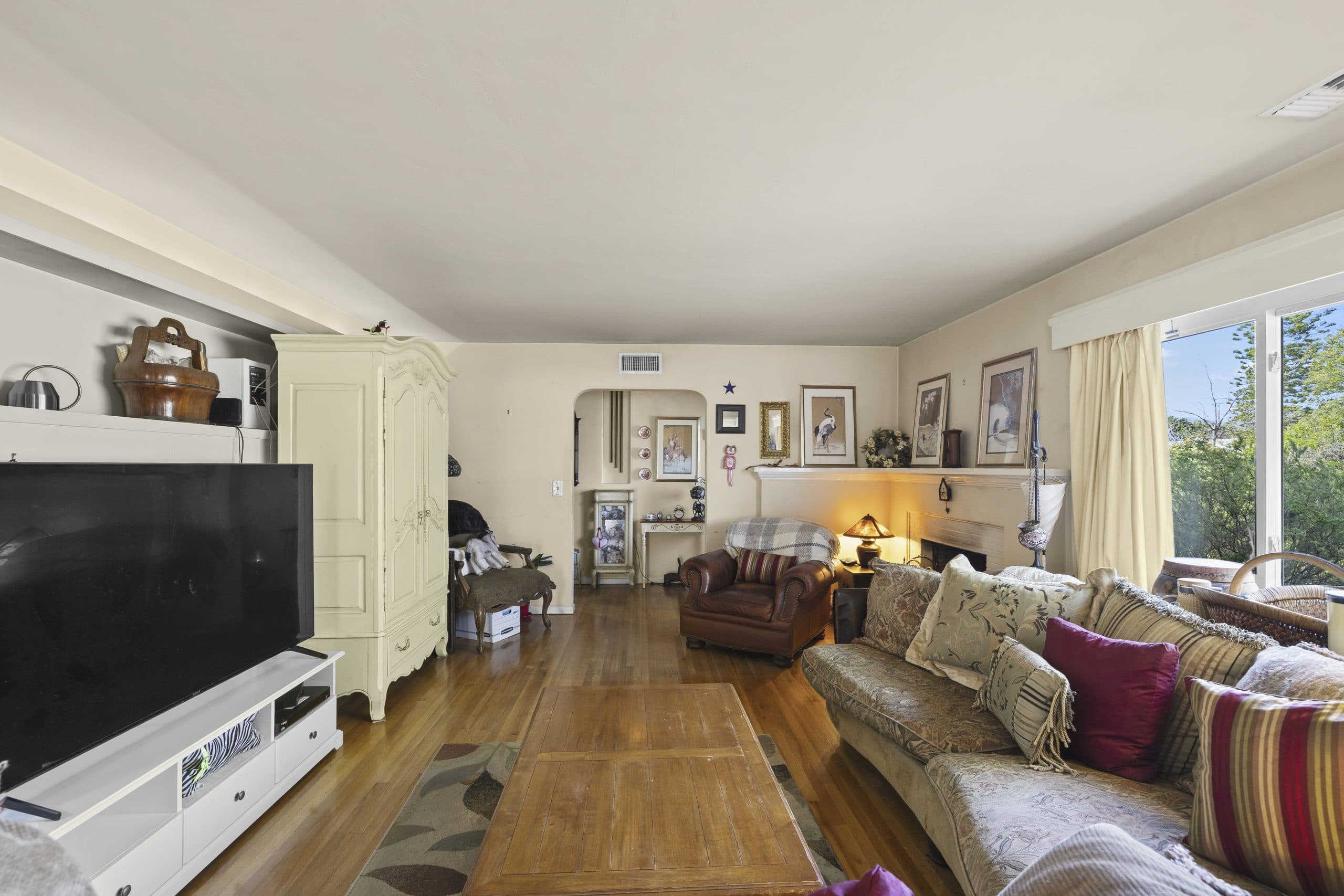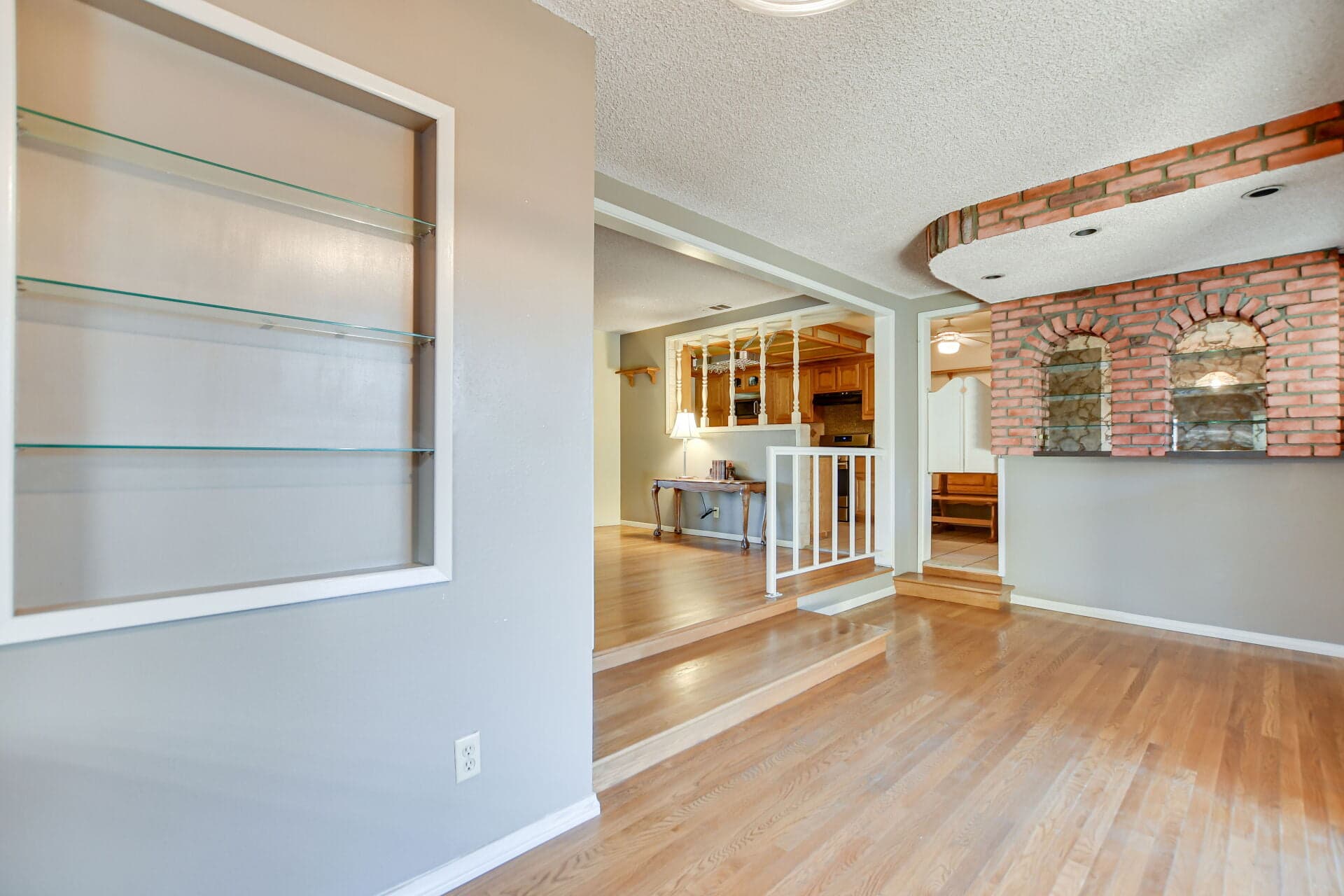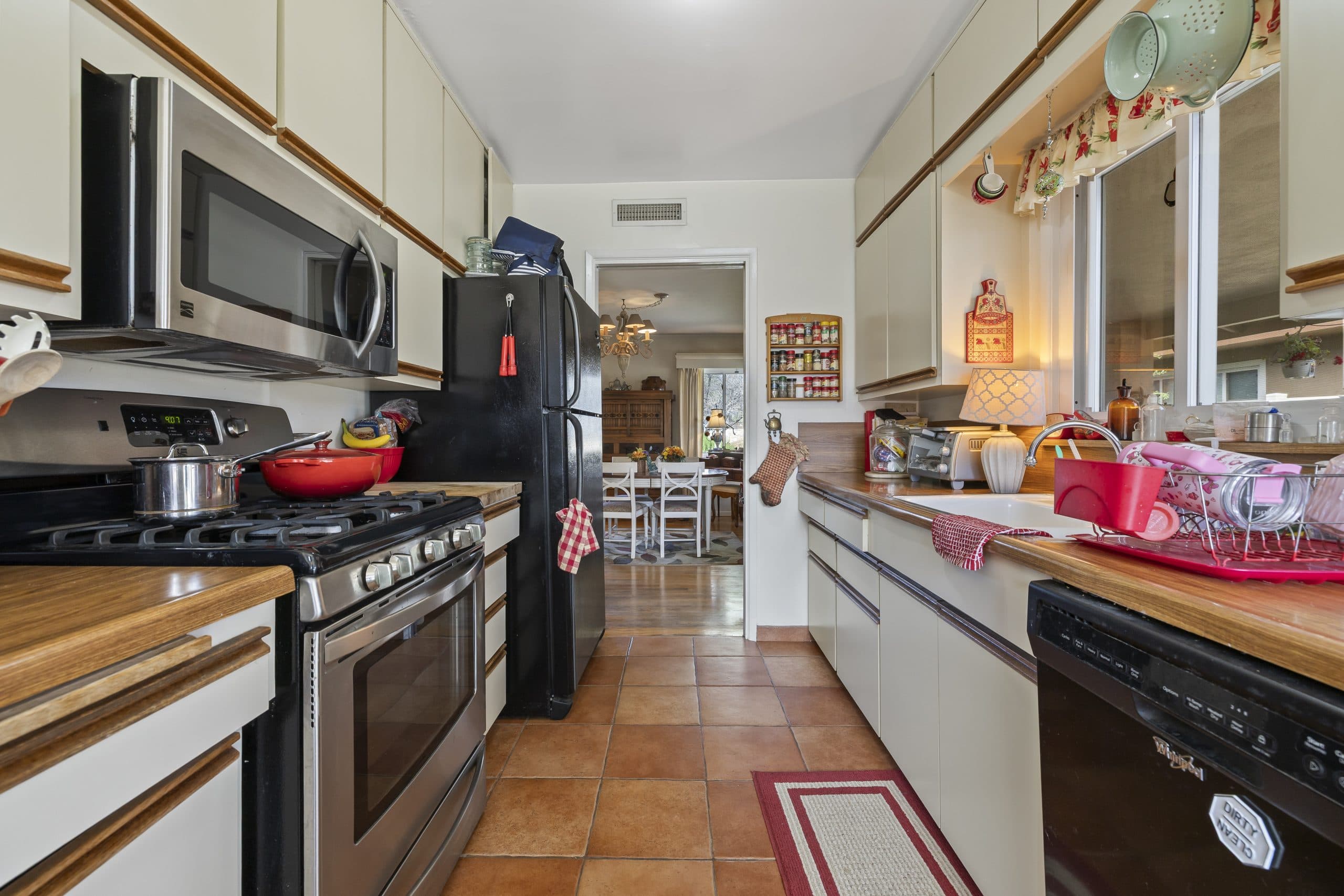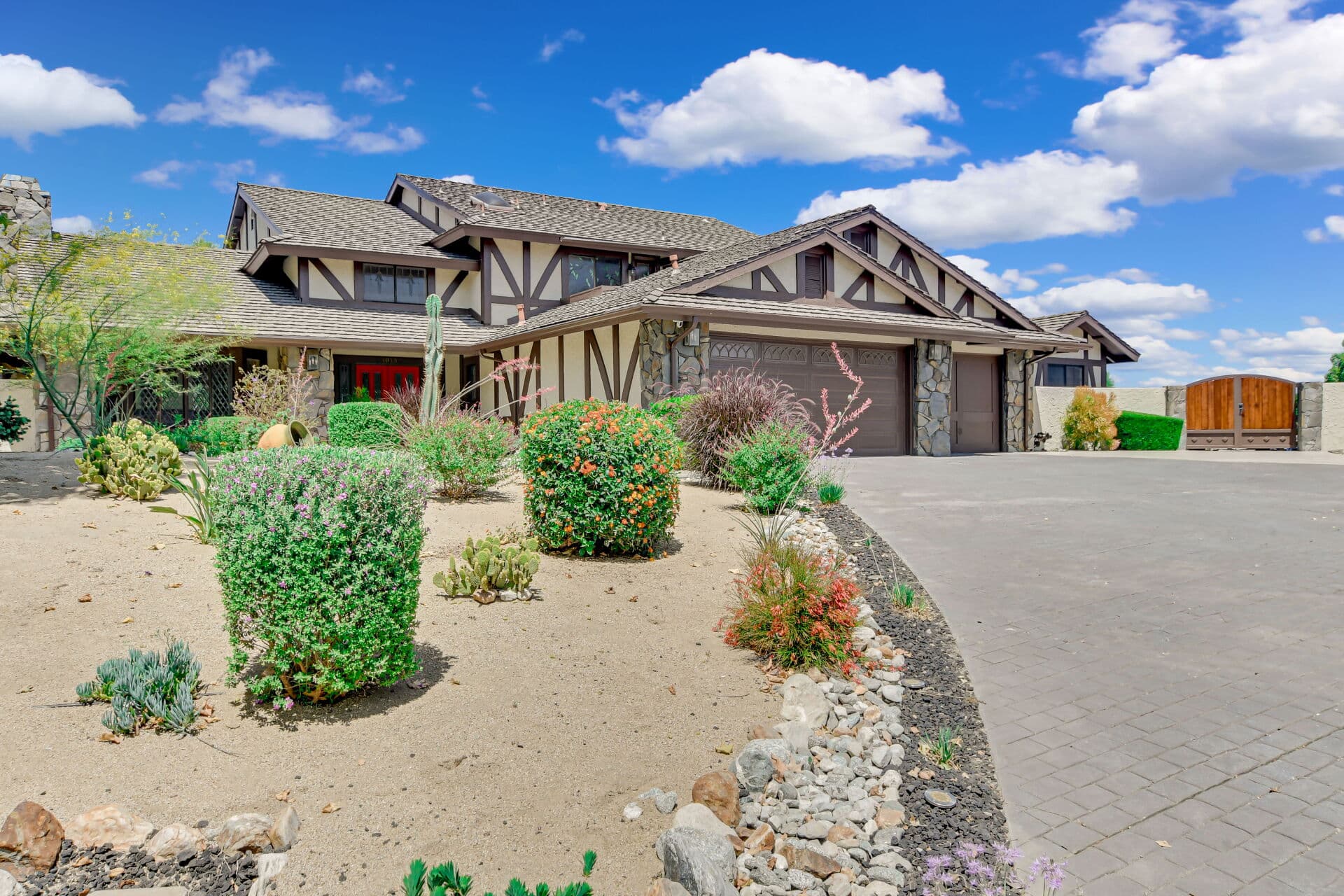
North Claremont homes are not just larger. They are larger in a particular way, and that way is what makes leaving one a different decision from leaving a house anywhere else in town.
Bigger lots. Slope, often. Mature landscaping that took decades to establish. Distance from most errands. A garage that ended up holding a great deal more than cars.
Owners who have been up there a long time usually frame the question as square footage. In my experience the square footage is rarely the thing they miss or the thing that was costing them. It is the LOT. So this article is about what the lot was actually doing for you, and what changes when it is smaller.
The upkeep is mostly outside
Walk through the maintenance list of a large North Claremont property and very little of it is interior. It is irrigation zones. It is the slope that needs attention after a wet winter. It is trees that require someone with real equipment. It is a driveway that is longer than most.
That matters because moving to a smaller HOUSE does not automatically reduce it. Two homes with identical interiors can carry completely different outdoor obligations, and the outdoor obligation is usually the one that has been quietly consuming your Saturdays.
If your honest complaint is the yard rather than the rooms, say so early. It changes which listings are worth your time, and it is the distinction drawn out in fewer rooms or less upkeep, two different Claremont downsizes. A great many North Claremont downsizes are upkeep moves wearing a size costume.
What the slope was doing
Elevation is one of the reasons people bought up there, and it is also one of the reasons some of them leave.
The view is real. So is the temperature difference on a summer evening. So is the privacy that comes from a lot where the neighbors are not directly across a narrow street.
But slope also means steps. Steps from the street to the door. Steps from the driveway to the kitchen with groceries. A back yard on two or three levels, connected by stairs that were nothing at all for thirty years and are something now.
This is worth being unsentimental about, because it is the part of the property that is hardest to modify. A kitchen can be changed. A hillside cannot, at least not affordably. Before you decide the house is the problem, walk your own approach from the car with something in both hands and notice what you notice. The same reading applied to a home you are considering is covered in steps, thresholds, and doorways.
Distance is a real feature, in both directions
Living toward the foothills means driving for most things. That is not a criticism. Many people chose it deliberately and would choose it again.
It becomes a factor when the driving stops being neutral. Evening trips you skip because the drive back up feels long. Errands batched into one weekly expedition because doing them separately is not worth it. Visitors who come less often than they used to.
The alternative is not automatically better. Closer-in homes trade quiet for activity, and some people find that a genuine loss rather than a gain. The point is only that distance is a variable you have been holding constant for decades, and a downsize is one of the few moments you get to reset it. The closer-in version of the trade is described in Village living after the family home.
The garage problem is bigger up here
Large lots come with large storage, and large storage fills. Not with junk, usually. With equipment that a big property genuinely required: ladders that reach a two-story roofline, a mower sized for real lawn, tools for jobs that only exist when you own an acre-scale yard.
Almost none of that transfers. A smaller home does not need a large mower, and the person buying your house may not want one either.
Plan for that separately from the household sorting. It is a distinct category with distinct destinations, and treating it as an afterthought during the last week is how it ends up in a rented unit for two years.
What people say they miss, and what they do not
Talking to North Claremont owners a year after a move, the pattern is fairly consistent.
What they miss: the quiet, the trees they planted, and the ability to be outdoors without anyone seeing them. Those are real losses and it is fair to grieve them.
What they thought they would miss and did not: the extra bedrooms, the formal dining room, and the size of the garage. Those turn out to have been running as storage for a long time.
What they are relieved about: the outdoor list. Almost universally. People describe it as no longer carrying a project in their head at all times, and they describe it as the thing that made the move worth it more often than any other single factor.
You do not have to leave the neighborhood to leave the lot
This is the option people overlook, because they treat downsizing as a decision about the town rather than about the property.
Claremont has smaller and lower-maintenance homes at a range of locations, and some of them are far closer to the foothills than people assume. If what you value is proximity to the trailheads and the sense of being at the edge of town, that can survive a move. If what you value is the specific half-acre, it cannot, and that is worth knowing before you start looking.
Either way, this is a question you can answer without committing. Spending time in a smaller place before selling anything is the single most useful thing a hesitant owner can do, and the mechanics are in the trial run.
The sequence that tends to work
First, separate the complaints. Rooms, yard, slope, distance, cost. Write them in order of how much they actually bother you, not how much they seem like they should.
Second, address the one at the top. If it is the yard, a smaller lot in the same area may solve it entirely. If it is the slope, you are looking for level ground, and that is a hard filter rather than a preference.
Third, do the equipment sort early, while there is no deadline. It is the part of a foothill move that consistently takes longer than anyone plans for.
Fourth, look at what you are keeping before you decide what you need. A large property tends to make people assume they own more than they do, or less.
Where to go from here
A North Claremont downsize is usually a good decision made for a slightly wrong reason. The house was rarely the burden. The land, the slope, and the distance were, and they can each be solved on their own terms.
If you want the full sequence rather than the neighborhood-specific version, the Claremont downsizing hub lays out how the pieces connect. If your first question is what the smaller home actually has to accomplish, start with what to ask a smaller home to do.
Anthony Grynchal has been licensed in California since November 2009.
Frequently asked questions
Is downsizing from North Claremont different from downsizing elsewhere in town?
Usually yes, because the burden tends to be the lot rather than the house. Larger parcels, slope, mature trees and irrigation carry an outdoor maintenance load that a smaller interior does not by itself reduce.
Can I downsize and stay near the foothills?
Often. Claremont has smaller and lower-maintenance homes at a range of locations, some closer to the north end than people assume. Whether it works depends on whether you value the area or the specific property.
What should I do with equipment sized for a large property?
Treat it as its own category and start early. Ladders, mowers and tools scaled to a big lot rarely transfer to a smaller home, and buyers do not always want them either.
How do I know whether the yard or the house is the real problem?
List your complaints and rank them honestly. If most of them are outdoors, you are looking for a smaller lot, which is a different search from looking for fewer rooms.

Written by
Anthony Grynchal
Anthony Grynchal is a California real estate professional with eXp Realty, licensed since November 2009 (California DRE# 01873626), and the Designated Local Expert™ for Claremont — where he has lived for more than 33 years.
More about AnthonyPublished · Updated