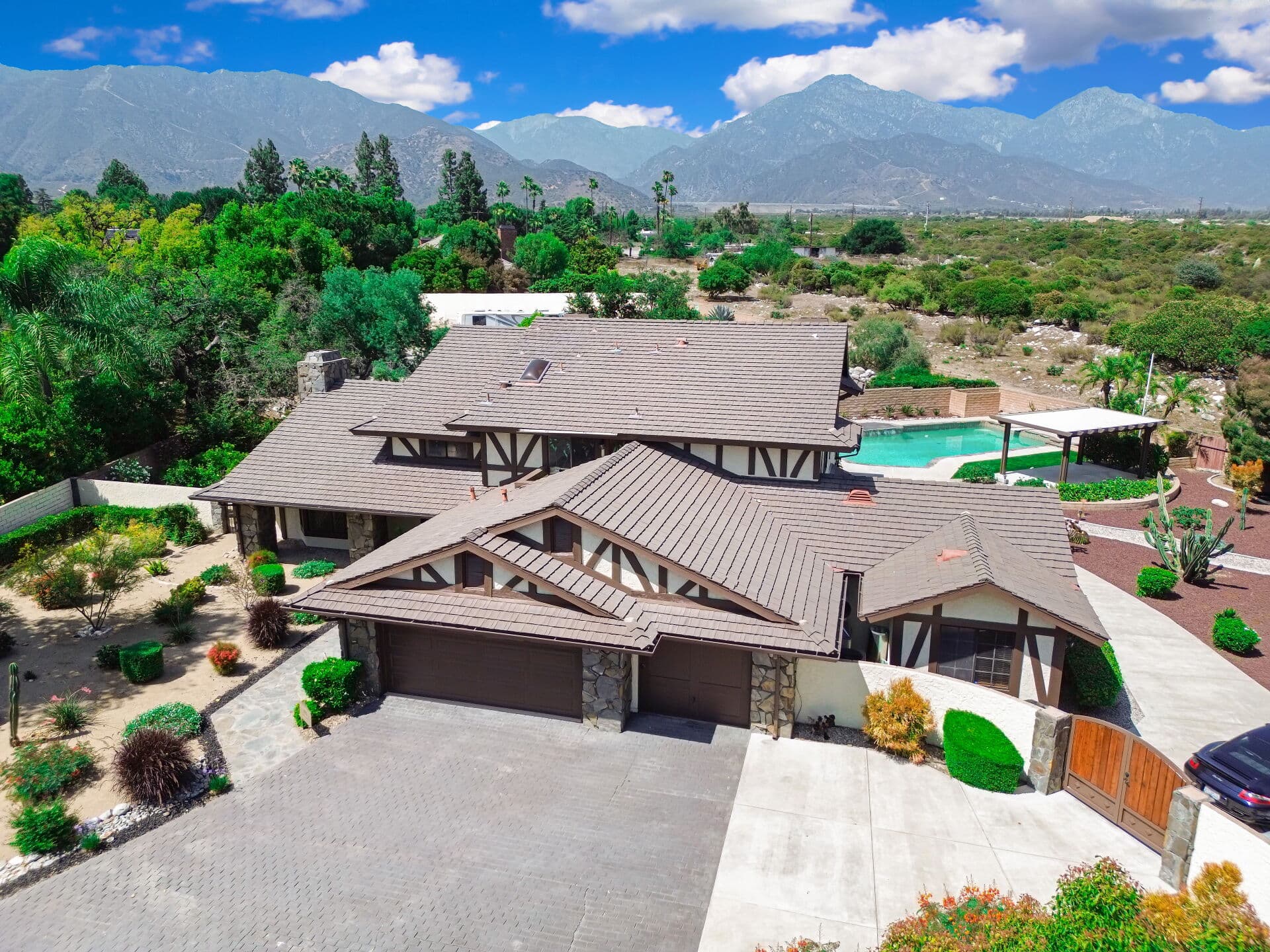
For a lot of Claremont families, the pool was the point. It is where the summers happened, where the birthday parties were, and where the kids learned to swim.
It is also, by the time people are considering a downsize, frequently the single largest recurring obligation on the property. Not the biggest expense necessarily, but the most relentless one. It does not take a season off.
Leaving it is usually straightforward emotionally and less straightforward practically, and the practical part starts well before the sale.
Be honest about which pool you have
There are two versions of this situation and they lead in different directions.
The first is a pool that is still in service. It runs, it is used at least occasionally, equipment is functional and the surface is sound. Leaving that behind is a maintenance decision.
The second is a pool that has been coasting. The heater stopped working some years ago and was never replaced. The plaster has seen better decades. Nobody has swum in it since a particular summer that people can name.
The second version is much more common in a long-held home than owners like to admit, and it is the one that needs attention before a sale rather than during one. A pool that has quietly become a maintenance question is one of the more expensive things a buyer's inspection can surface late.
What it costs you, in the currency that matters
Set money aside for a moment, because I am not going to quote figures and yours will differ anyway.
Count the time and the attention instead. Weekly service or weekly work. Chemistry that has to stay in range whether or not you are home. Equipment with a service life, which means a replacement is always somewhere on the horizon. Water, in a climate where that is not a small consideration. Fencing and gate hardware that has to be right, permanently, especially if grandchildren visit.
Downsizers consistently report that this category of obligation, rather than square footage, is what they were actually tired of. The pool is often the clearest single example of it, which is described more broadly in fewer rooms or less upkeep.
Do not fill it in on your way out the door
Owners sometimes decide that removing the pool will make the house easier to sell, particularly if it is in poor condition.
That is a large, irreversible, permit-involved project undertaken at the least convenient moment, and it changes the property in ways that not every buyer will value. Some buyers in this town specifically want a pool. Some specifically do not. Removing it does not neutralize the question, it just picks a side, at your expense, right when your attention is most divided.
The far more common answer is to present it honestly: working equipment, clear service records, a clean surface and safe fencing, with the condition disclosed accurately. A buyer can price a pool they understand. What costs a seller is a pool with an unclear history.
The general principle of not launching new projects during a downsize sale applies here with unusual force, and it is worked through in preparing a full Claremont home.
Records are worth more than improvements
If there is one thing to do before listing a home with a pool, it is to gather the paper.
Service records, if you have them. Equipment ages and any replacement receipts. Any resurfacing or replastering and when. Permits for the original construction or any later work, if you can locate them. Whether the fencing and gate hardware meet the requirements that apply, which is a question for the city rather than for a neighbor.
A stack of documentation turns an unknown into a known, and unknowns are what get discounted. This is the same reason to assemble records for the rest of a long-owned house before it goes on the market.
What you actually lose
Worth naming plainly, because people who assume they will not miss it sometimes do.
Exercise, for anyone who swam regularly. That is the loss most often mentioned and it is the most easily replaced, since this area has options and a membership is a great deal less work than ownership.
The gathering function. A pool gives people a reason to come over and something to do when they arrive, which matters if grandchildren visit in summer. A smaller home without one hosts differently, and that adjustment is covered in still hosting in a smaller Claremont home.
And the private outdoor life. A pool yard is a destination in your own property. Losing it is part of the broader shift where a smaller home tends to push your life outward into the town instead of inward into the lot.
Should the next house have one?
Some downsizers do want a pool again, usually swimmers, and there is nothing inconsistent about that.
If that is you, look at it as a different purchase than the one you made thirty years ago. The relevant questions are how the equipment is accessed and serviced, whether the deck is level and easy to walk, whether entry and exit are manageable, and whether the maintenance can be handed to someone else without difficulty.
A shared pool at an association property is the other route, and it is worth reading what the documents actually say about it: who maintains it, what the hours are, and how it is funded. Shared amenities are lower effort, not no effort, and the reserve question behind them is a real one.
The order I would do it in
Get the pool into honest working order or get it honestly documented, ideally the first, at minimum the second. Do this before anything else in the sale preparation, because it takes the longest and depends on other people's schedules.
Decide separately whether you want one at the next house. Do not let fatigue with THIS pool make that decision automatically, and do not let nostalgia make it either.
And if the pool has been the emotional center of the property, allow that leaving it is a real goodbye. Photographs help. So does the fact that the reason it mattered was the people in it, and those people will be at the next house too.
The full sequence for a Claremont downsize sits at the Claremont downsizing hub.
Anthony Grynchal has been licensed in California since November 2009.
Frequently asked questions
Should I remove a pool before selling a Claremont home?
Rarely. Removal is a large, permit-involved and irreversible project at the worst possible moment, and some buyers specifically want a pool. Presenting it in working order with clear records is usually the better path.
What records should I gather about a pool before listing?
Service history, equipment ages and replacement receipts, resurfacing dates, any available permits, and confirmation that fencing and gate hardware meet the requirements that apply. Ask the city rather than a neighbor.
What do people miss most after leaving a pool?
Regular swimmers miss the exercise, which is the easiest thing to replace. The bigger adjustment is usually the gathering function, especially for households that hosted family in summer.
Is a shared pool at an association property easier?
Generally lower effort, but not no effort. Read the governing documents for maintenance responsibility, access rules and how the amenity is funded before assuming it is simpler.

Written by
Anthony Grynchal
Anthony Grynchal is a California real estate professional with eXp Realty, licensed since November 2009 (California DRE# 01873626), and the Designated Local Expert™ for Claremont — where he has lived for more than 33 years.
More about AnthonyPublished · Updated