In town, essentially no. A dusting that sticks on Claremont's streets is a rare event people remember and photograph, not a winter routine. You will not be buying a snowblower.
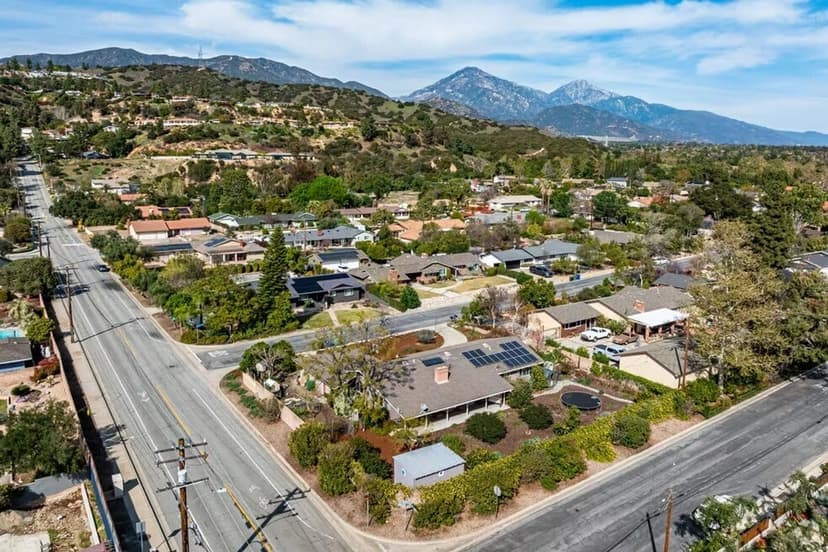
On the mountains directly above the city, absolutely yes, and often. The San Gabriel peaks that form Claremont's northern backdrop carry snow through much of the winter, and the Mount Baldy area up the mountain road is close enough that residents make a day of it. That combination, orange trees in the yard and snow on the ridgeline, is one of the more genuinely distinctive things about living here, and it is part of the picture described in what Claremont is known for.
So: snow as scenery, not as chores. But the climate question underneath is worth answering properly, because it does affect a house.
The actual climate profile
Claremont is inland Southern California at the base of a mountain range, and that produces a fairly specific pattern. Long, hot, dry summers. Mild winters where a frost is possible but a hard freeze is unusual. And a rainfall year that is concentrated into a handful of winter storms rather than spread evenly, which means the ground can go a long time dry and then take a great deal of water in a short period.
Add the wind. This region gets Santa Ana wind events, dry offshore winds that come down through the passes and canyons, most commonly in autumn and winter. They are the reason a still afternoon can turn into a night of branches on the roof, and they matter to anyone with mature trees, older fencing or a hillside lot.
What that means for a house you are considering
Five practical translations, each of which is a question to ask during your inspection period rather than after you own it.
Cooling matters more than heating. Ask what the air conditioning is, how old it is, and whether it actually serves the whole house. In older Claremont stock, a system that was adequate for its era is not necessarily adequate now. Ask about attic insulation while you are at it, because in this climate it does more work than most buyers assume.
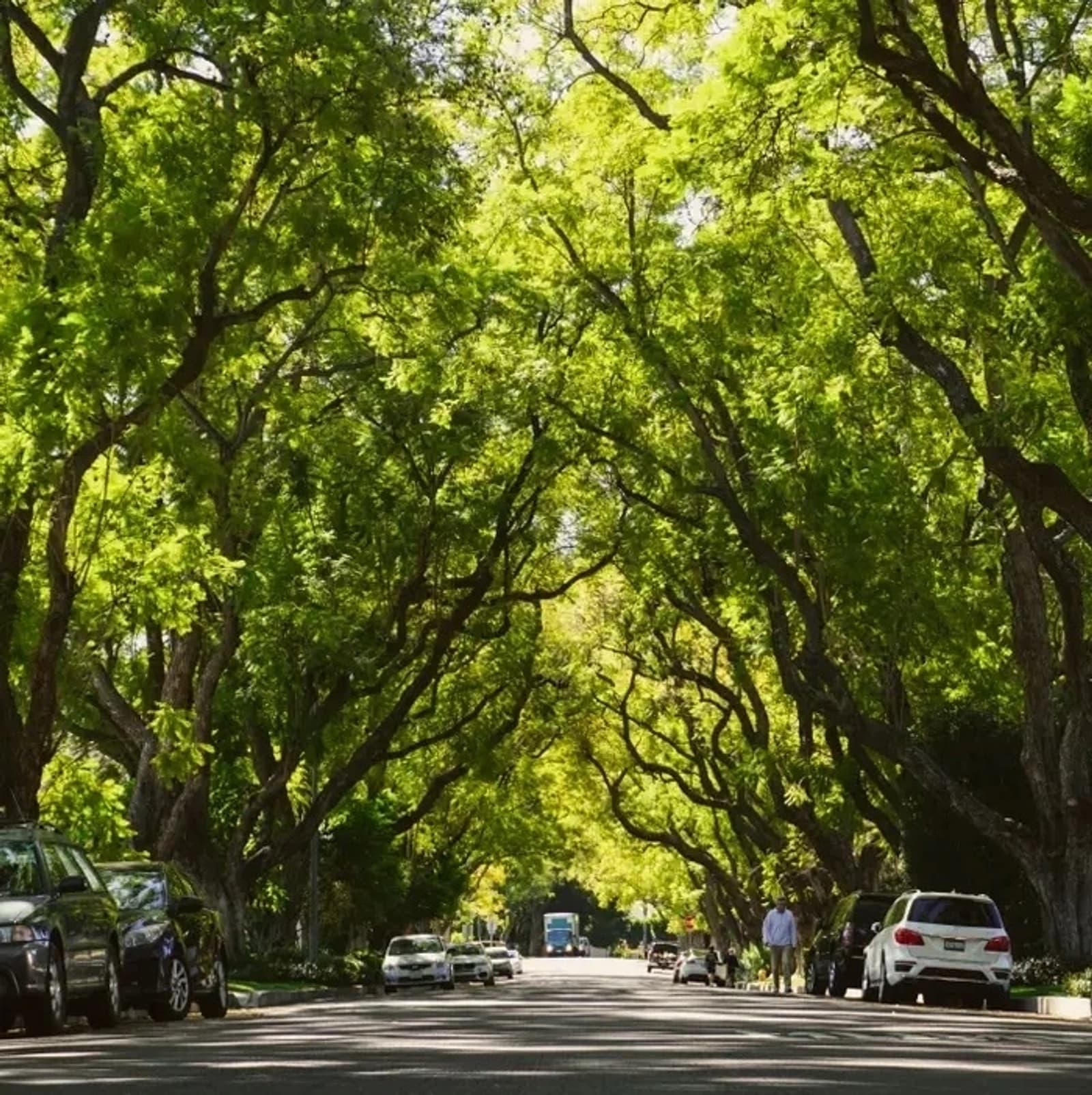
Shade is infrastructure. The canopy is not only decorative here. A mature tree on the right side of a house is a genuine cooling asset, which is one reason the city takes its trees seriously and one reason removing them is not a purely private decision. That question is covered in can you cut down a tree on your own Claremont property.
Irrigation and landscape are ongoing decisions. A big irrigated lot in a dry-summer climate is a real line item and a real maintenance commitment. Look at what is planted, how it is watered, and whether the system works, and be realistic about what you want to maintain.
Drainage is a winter-storm question, not an average-rainfall question. Grading, gutters, downspouts, and where water goes when it arrives all at once are worth a specific look, particularly on sloped lots. The lots most exposed to this are in the hillside areas described in the quick guide to Claremont's neighborhoods.
Fire season is a real consideration in the foothills. Homes closer to the wildland edge sit in a different risk conversation from homes on the flat, and that conversation covers defensible space, vegetation management, roofing and vents, and insurance availability and terms. I am not an insurance broker and will not pretend otherwise: ask a licensed broker about coverage for the SPECIFIC address early, not the week before closing, because availability and terms vary and the answer can affect your purchase.
The seasons, in the way residents actually experience them
Summer is long and hot, and life shifts to early mornings and evenings. Autumn brings the wind events and the start of the fire-weather conversation. Winter is mild at ground level, wet in bursts, and spectacular looking north when a storm clears and leaves the peaks white. Spring is short and, for a few weeks, is the best argument for the whole town.
For sellers, that rhythm matters more than the weather itself: curb appeal, light and how a garden reads all move with the season, and that is one input into timing a listing. The wider version of that question is in when is the best time to sell a house in Claremont.
If you are relocating from a cold climate
Three adjustments people make. There is no basement, because there is no frost line to dig below, which changes where your storage goes entirely. Houses here are built to shed heat rather than to hold it, so insulation, windows and shade are the levers rather than furnace capacity. And the annual maintenance calendar is different: less about freeze protection, more about roof and drainage before the first storms, vegetation before fire season, and the cooling system before summer.
None of that is difficult. It is just a different list from the one you are used to keeping.
The short answer, restated
Snow in Claremont itself is a rare novelty. Snow on the mountains above it is a regular winter feature and a genuine amenity. The climate questions that should actually shape your purchase are heat, shade, irrigation, storm drainage and, in the foothills, fire and insurance.
Ask those during your contingency period, with the right professional on each one, and the weather becomes one of the best things about owning here rather than a surprise.
More short answers are collected on the Claremont FAQ hub. Anthony Grynchal has been licensed in California since November 2009. He is a licensed real estate salesperson, not an insurance broker, contractor or engineer; obtain insurance quotes and property condition assessments for a specific address from appropriately licensed professionals.
Frequently asked questions
Does it snow in Claremont, California?
Snow that sticks in town is a rare event rather than a winter routine. The San Gabriel peaks immediately above the city carry snow through much of the winter, and the Mount Baldy area up the mountain road is a short drive away.
What is the weather like the rest of the year?
Inland Southern California: long, hot, dry summers, mild winters where a hard freeze is unusual, and a rainfall year concentrated into a handful of winter storms. Autumn and winter also bring dry Santa Ana wind events.
How does the climate affect a house here?
Cooling capacity, attic insulation, shade trees, irrigation, and storm drainage matter more than heating. On sloped lots, grading and where water goes during a heavy storm deserve a specific look during inspections.
Is wildfire risk a factor when buying in Claremont?
For homes nearer the wildland edge in the foothills it is part of the conversation, covering defensible space, vegetation management, building details and insurance. Ask a licensed insurance broker about the specific address early in escrow rather than at the end.

Written by
Anthony Grynchal
Anthony Grynchal is a California real estate professional with eXp Realty, licensed since November 2009 (California DRE# 01873626), and the Designated Local Expert™ for Claremont — where he has lived for more than 33 years.
More about AnthonyPublished · Updated