This question sounds trivial until it is your house. A household with more cars than driveway, a converted garage, a guest suite, an adult child moving home, or a street that fills up on a college weekend all turn overnight parking from a detail into a daily fact of life.
Overnight parking on Claremont streets is regulated by the city, and the rules, exemptions and any permit programs are the city's to state and to change. I am not going to publish hours or permit terms here for the same reason I do not publish tax rates: they change, and a buyer acting on a stale number is worse off than a buyer who called. Ask the City of Claremont about the specific street before you commit.
What follows is what to ask and why it matters to the purchase.
What to verify, street by street
Ask the city these, about the address you are actually considering.
Whether overnight street parking is restricted, and during which hours. Whether a PERMIT or exemption program exists for residents and guests, how many permits a household can hold, what it costs and how you apply. Whether restrictions differ by block, which they can, particularly near commercial areas, the Village and the Colleges. What the STREET SWEEPING schedule is and how it interacts with the overnight rules, because sweeping restrictions are a separate layer and are the more common source of tickets. And whether temporary permission is available for a visitor or for a work vehicle.
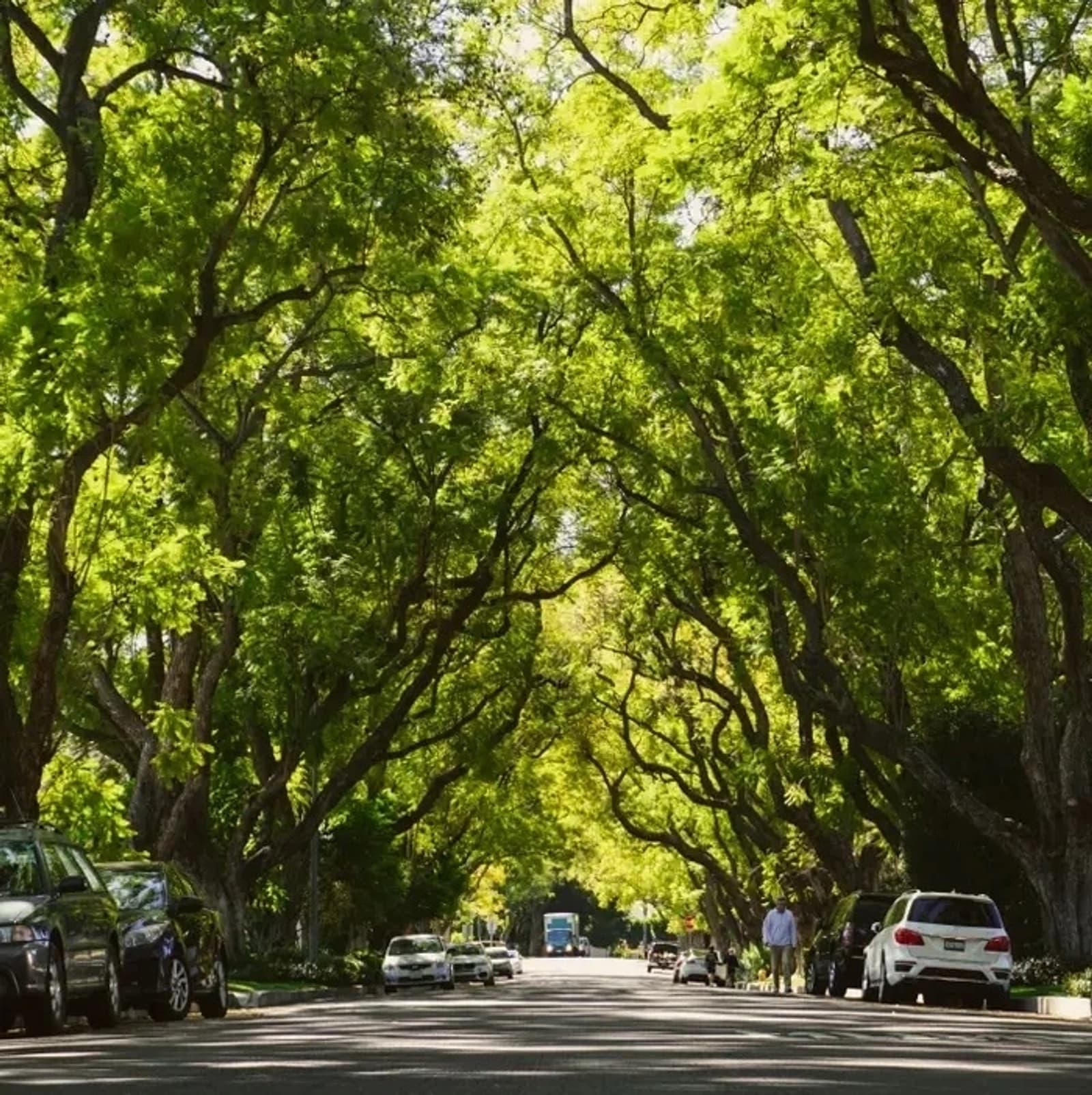
Then drive the street. Not at 2pm on a Tuesday, when every driveway looks generous, but on a weekday evening and again on a weekend night. Parking pressure is a lived condition and it does not appear in a listing.
The parts that are not about the street at all
Half of the overnight parking question is decided inside your own property line.
Does the garage hold cars. Ask this plainly, because a great many Claremont garages hold everything except cars. In a market where basements are essentially nonexistent, the garage carries the storage load, which is explained in do Claremont homes have basements. A two-car garage full of boxes is a zero-car garage in practice.
Was the garage converted. Very common, and it changes both the parking math and, potentially, the permit and disclosure picture. Ask whether any conversion was permitted, and get the city's permit history rather than the listing's description.
Driveway length and shape. A driveway that fits two cars nose to tail is not the same as one that fits two side by side, and the difference decides whether someone is moved every morning. Check whether the driveway apron, sidewalk or parkway limits how far you can pull in.
Association rules. In a condominium or planned development, parking is frequently the single most enforced rule set there is: assigned spaces, guest limits, prohibitions on overnight guest parking, restrictions on trailers, boats and work vehicles. Read the rules rather than the brochure. Where associations exist here is covered in does Claremont have HOAs everywhere.
Where parking pressure concentrates
Two patterns worth understanding without over-generalising.
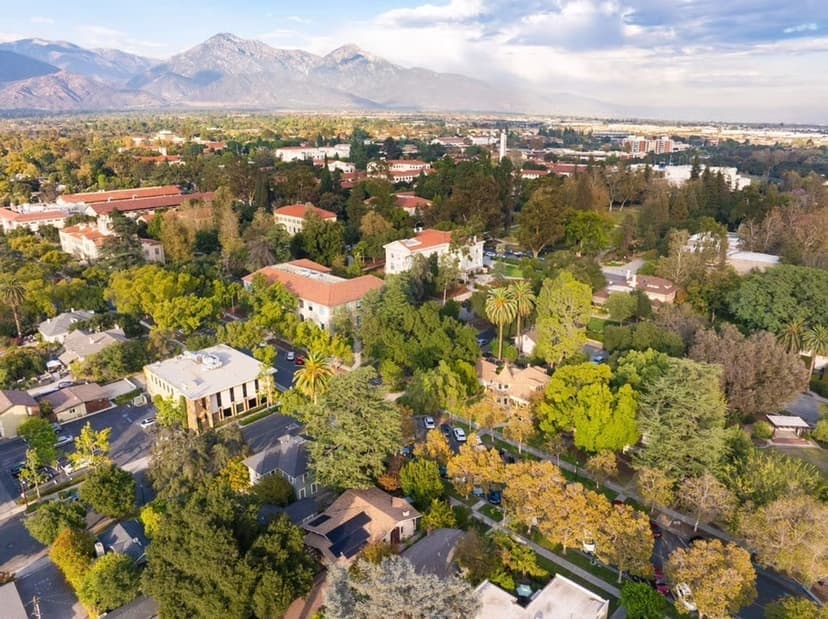
Near the Village and the Colleges, demand for on-street space competes with visitors, students, employees and diners, and the built environment there is older and denser, with narrower streets and fewer, smaller garages. That is part of the trade you make for walkability, which is discussed in is Claremont walkable: the closer you sit to everything, the more you share the curb.
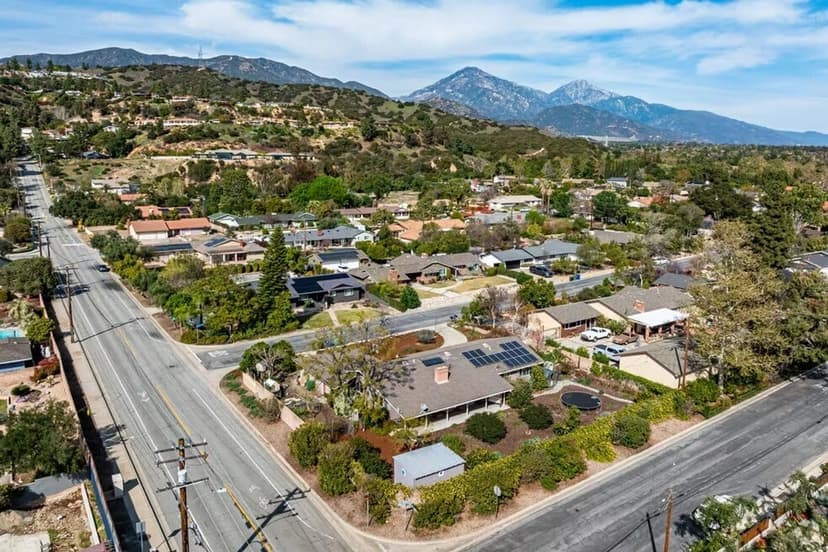
In the newer tracts further out, lots and garages are generally larger and street pressure is lower, but you are further from the things people walk to. Neither is right; they are different products, and parking is one of the ways the difference shows up.
Why an agent brings this up at all
Because it quietly affects value and it very loudly affects satisfaction.
Buyers underweight parking during a tour and then live with it every single night. I have watched a household fall in love with a house and then realise, on the second visit at 8pm, that three cars and one usable driveway space is a permanent negotiation with the street. Better to find that out before the offer.
It also interacts with the plans people have for a property. If you intend to add an accessory dwelling unit, occupancy and parking need to be thought through together; the general shape of what is possible is in can I build an ADU on my Claremont lot. And if you are buying an income property, tenant parking is part of what makes a unit rentable at all.
Two more habits worth having
Keep whatever the city tells you in writing, including any permit terms, because parking programs get revised and a printed answer from the year you bought is better than a memory. And if you are buying a property with a tenant in place, ask how parking has actually been handled, since an arrangement that was informal between neighbours does not transfer with the deed.
The short version
Confirm the current overnight rules and any permit program with the City of Claremont for that specific block. Look hard at the garage and the driveway rather than trusting the listing's car count. Read the association rules if there are any. And visit the street after dark before you write the offer.
More local questions live on the Claremont FAQ hub. Anthony Grynchal has been licensed in California since November 2009. He is a licensed real estate salesperson, not a city official; verify current overnight parking restrictions, permit programs and street sweeping schedules directly with the City of Claremont for the specific address.
Frequently asked questions
Is overnight street parking allowed in Claremont?
Overnight parking is regulated by the city, and restrictions, exemptions and any permit programs can vary. Confirm the current rules for the specific block with the City of Claremont rather than relying on a general answer or an older listing description.
Do residents need a parking permit?
Ask the city whether a resident or guest permit program applies to the address, how many permits a household may hold, what it costs and how to apply. Also ask about temporary permission for visitors and work vehicles.
What else affects parking besides the street rules?
Whether the garage actually holds cars, whether it was converted and permitted, how the driveway is shaped, and any association rules on assigned spaces, guest parking and trailers or work vehicles.
How should a buyer evaluate parking before making an offer?
Verify the city rules in writing, check the permit history for any garage conversion, read association parking rules if applicable, and visit the street on a weekday evening and a weekend night rather than midday.

Written by
Anthony Grynchal
Anthony Grynchal is a California real estate professional with eXp Realty, licensed since November 2009 (California DRE# 01873626), and the Designated Local Expert™ for Claremont — where he has lived for more than 33 years.
More about AnthonyPublished · Updated