You want a number. I understand why, and I am going to explain instead why the number you would get from an article is close to useless, what actually decides the price of a specific Claremont house, and exactly where to get a live figure that is worth acting on.
This is not evasion. It is the most honest answer available, and it is the same one I give in person.
Why a single figure fails here
Three reasons, and they compound.
IT GOES STALE IMMEDIATELY. Prices move with inventory, financing conditions and season. A figure published today describes a moment, and articles do not update themselves. Buyers who anchor to an old number spend months confused about why nothing matches their expectation.
A MEDIAN IS NOT A PRICE. A median describes the middle of whatever happened to sell in a period. In a small, built-out city where the mix of what sells shifts season to season, a quiet quarter with several large hillside sales and a quarter with several condominium sales produce very different medians without any individual house changing value at all.
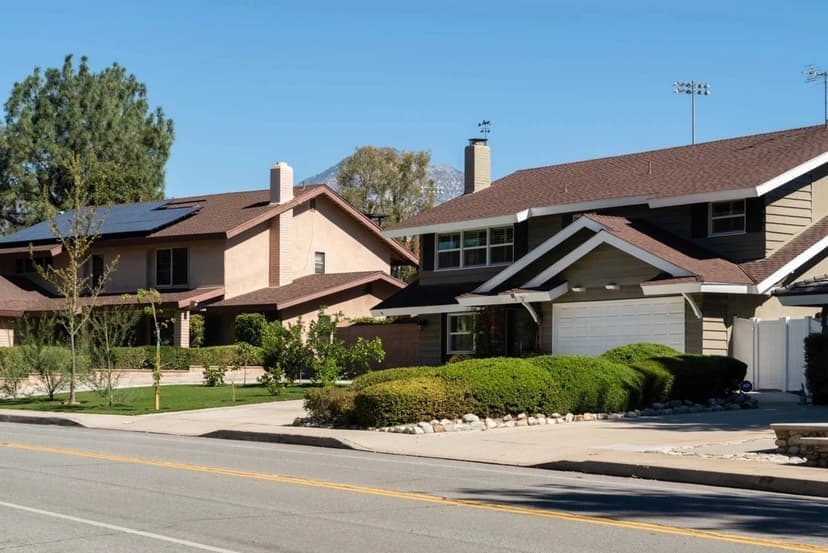
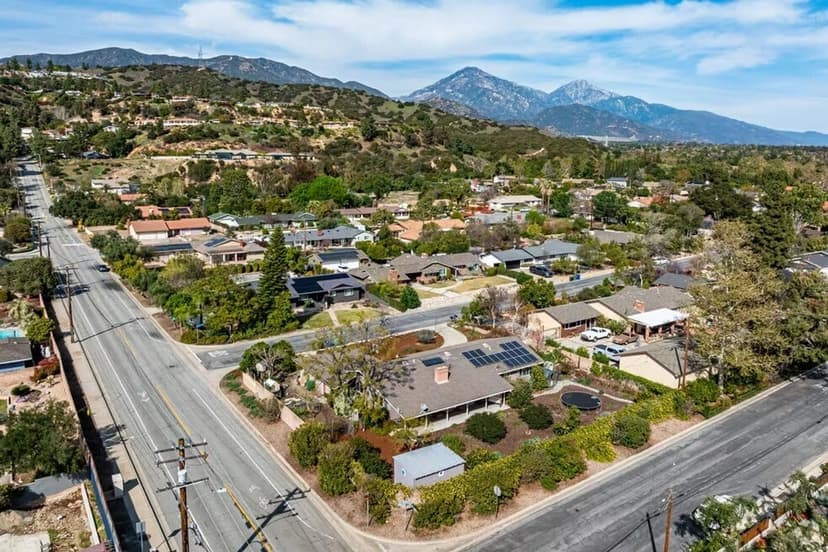
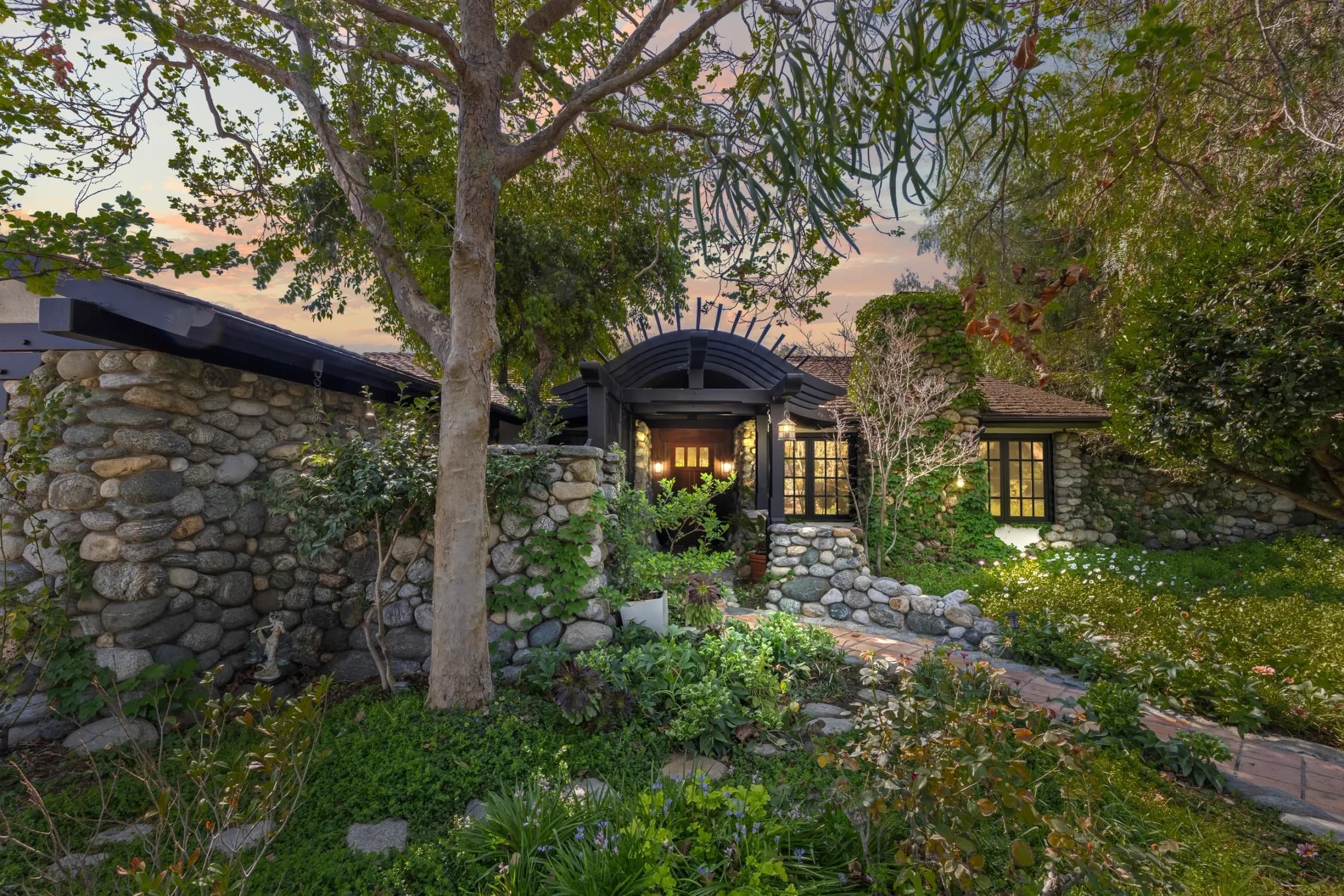
CLAREMONT IS NOT ONE MARKET. This is the big one. The spread within the city is enormous, and it is driven by geography rather than by anything you can average. A hillside home with a view, a Village-adjacent character home, a mid-century tract house and a condominium are four different products with four different price logics, and the city contains all of them within a few minutes' drive. That variety is exactly the point of the quick guide to Claremont's neighborhoods.
What actually drives the number on a specific house
When I price a property, these are the levers that do the real work.
Location within the city. Distance and walkability to the Village, position relative to the foothills, and which streets a block sits between. This is measured in blocks, not miles.
The street itself. Canopy, width, traffic, how it handles parking, whether it is a through route or quiet. Two similar houses a few streets apart can justify quite different numbers on this alone.
Lot. Size, shape, usable outdoor space, orientation, slope, and whether it accommodates what a buyer wants to add later.
The house. Era and architectural character, square footage, bedroom and bathroom count and configuration, and the condition of the expensive systems: roof, electrical, plumbing, heating and cooling, foundation. Deferred maintenance in those is a price conversation, not a cosmetic one.
School assignment. A genuine value driver here, and one buyers must verify with the district directly for the specific address rather than trusting a listing or a map widget.
View. In the hillside areas, view quality is a substantial and highly specific variable. Not all views are equal and they are not interchangeable.
Association dues and what they cover. Where an association exists, dues affect what a buyer can qualify for and therefore affect price.
Condition of the market at that moment. How many comparable homes are available and how urgent buyers are, right now.
Where to get a real number
Three different products, and people mix them up constantly.
AN ONLINE ESTIMATE is a model output. It is fast, free, and it does not know about the canopy, the school assignment, the traffic pattern, the view or the condition of the roof. In a market with this much street-level variation it is a starting point at best, and it is frequently wrong in both directions.
A COMPARATIVE MARKET ANALYSIS is what I prepare: a valuation opinion built from current listings and recent sales in the actual submarket, adjusted for the specific property. It is free, it is current, and it is prepared by a licensed salesperson.
AN APPRAISAL is a separate product, prepared by an INDEPENDENT, STATE-LICENSED APPRAISER, typically ordered by your lender in connection with a loan. I am not an appraiser and I do not perform appraisals; I coordinate with the appraisal process and prepare the analysis described above. The two are not interchangeable, and it is the appraisal that affects your financing.
For the live picture of what is on the market and what is selling, the current market report and a working relationship with someone watching the CRMLS daily beat any published article, including this one.
The number that actually matters is yours
Most people asking what a house costs here are really asking whether they can buy one. That is a different question with a much more definite answer, and it comes from a LENDER, not from an article and not from an agent.
Get a full pre-approval before you tour. That conversation prices your side of the equation: what you can borrow, at what payment, with what down payment, including the property taxes you will actually pay after reassessment rather than the seller's current bill. The reassessment point is a genuine budget-wrecker and it is explained in what property taxes are like in Claremont. The credit side of qualifying is covered in what credit score you need to buy in Claremont.
Once you know your number, the city sorts itself quickly. Some neighborhoods and property types will be in range and some will not, and a good local agent can tell you which within one conversation.
So, the honest answer
There is a wide range, it depends heavily on where in the city and what kind of property, it moves with the market, and the responsible way to answer it for you is a lender conversation plus a current analysis of the specific submarket you are shopping.
Ask me for a real figure on a real street and I will give you one, with the comparable sales it came from.
More short answers live on the Claremont FAQ hub. Anthony Grynchal has been licensed in California since November 2009. He is a licensed real estate salesperson, not an appraiser or a lender; a comparative market analysis is a valuation opinion and not an appraisal, and financing figures should come from a licensed lender.
Frequently asked questions
What is the median home price in Claremont?
Any figure printed in an article goes stale quickly, and a median describes the mix of what happened to sell rather than the value of a particular house. Ask for a current comparative market analysis for the specific submarket you are shopping, and check the current market report for live conditions.
Why do prices vary so much within Claremont?
The city contains hillside view homes, Village-adjacent character homes, mid-century tract housing and condominiums within a few minutes of each other. Location by block, street character, lot, condition, school assignment and view all move the number substantially.
Is an online home estimate accurate here?
Treat it as a rough starting point. Automated models do not account for canopy, street traffic, school assignment, view quality or the condition of expensive systems, all of which drive real value in this market.
What is the difference between a CMA and an appraisal?
A comparative market analysis is a valuation opinion prepared by a licensed real estate salesperson from current listings and recent sales. An appraisal is a separate product prepared by an independent, state-licensed appraiser, typically ordered by your lender, and it is the one that affects your loan.

Written by
Anthony Grynchal
Anthony Grynchal is a California real estate professional with eXp Realty, licensed since November 2009 (California DRE# 01873626), and the Designated Local Expert™ for Claremont — where he has lived for more than 33 years.
More about AnthonyPublished · Updated