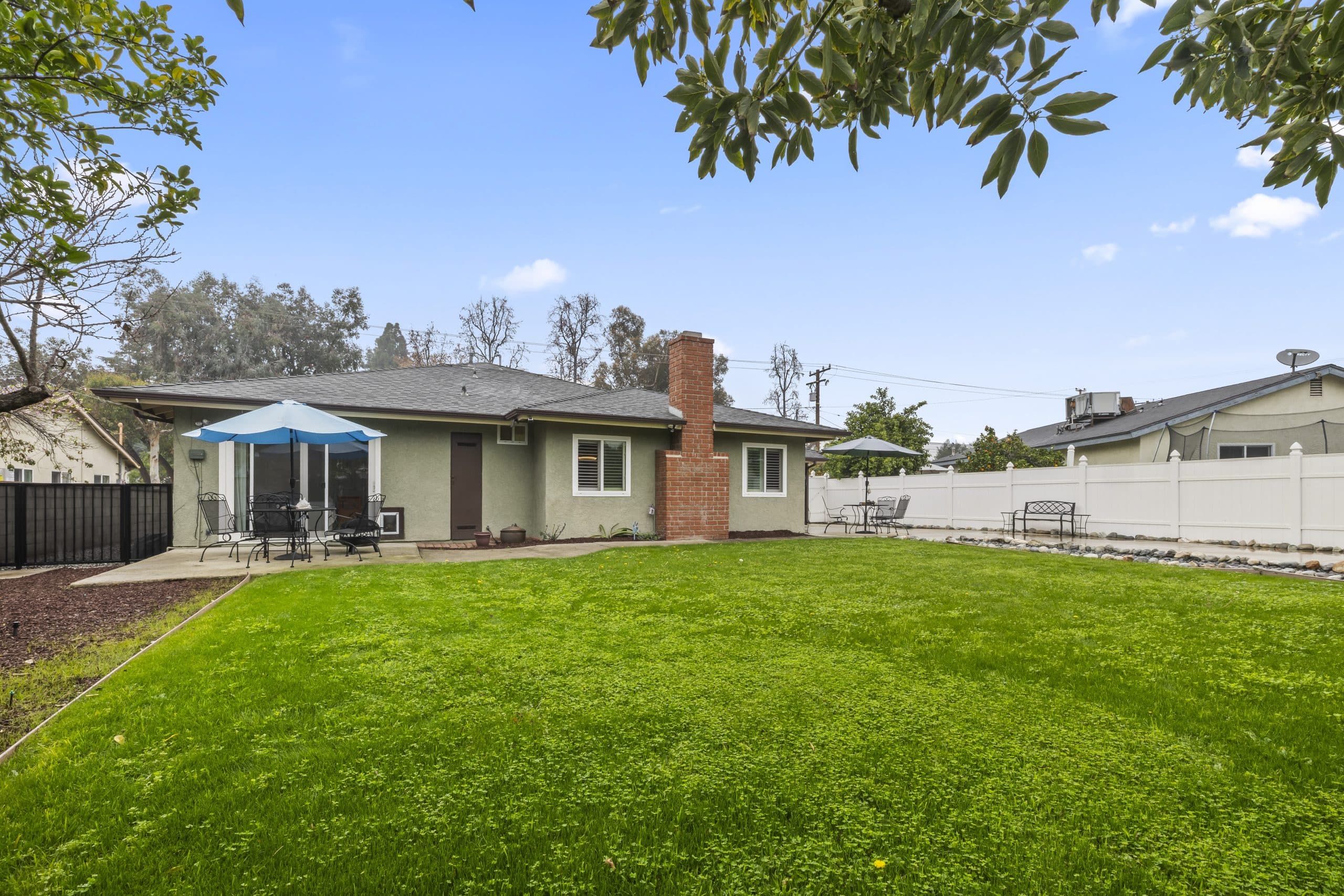
Outdoor structures are the most used and least maintained parts of a Claremont backyard. A deck, a pergola or a patio cover gets built once, admired for a decade, and then quietly asked to keep performing while the sun works on it every afternoon.
None of that is a reason for anxiety. It is a reason for a routine, because outdoor structures fail in slow, visible, predictable ways and almost all of them are cheap to catch early. This piece extends the Claremont home maintenance guide past the back door.
The three places these structures actually fail
Surfaces get the attention and rarely cause the problem. The failures live in three places.
The first is CONNECTIONS - where a ledger meets the house, where a beam meets a post, where a joist hangs from a beam. Fasteners loosen through thermal cycling, hardware corrodes, and wood shrinks away from bolts.
The second is POST BASES, the point where a vertical member meets concrete or soil. Wood that sits in standing water, buried in a planter, or in direct soil contact will decay from the bottom, and the visible part above can look perfect while the base is gone.
The third is the LEDGER, on anything attached to the house. A poorly flashed ledger lets water behind the siding or stucco and rots the rim of the building rather than the deck. It is the most consequential of the three and the least visible.
What Claremont conditions do specifically
Long dry heat is not gentle just because it is dry. Ultraviolet exposure breaks down finishes and the surface fibers under them, and the daily expansion and contraction cycle backs out fasteners, opens joints and splits boards at nail lines.
Horizontal surfaces take the worst of it, so deck boards and the top faces of pergola members age fastest. Clear finishes on those surfaces are especially short-lived; pigment blocks UV in a way that a clear coat mostly does not.
Then there is irrigation. Sprinkler spray hitting a post base or a deck skirt every other morning creates a small, permanently damp zone in an otherwise arid yard, and damp wood in shade is exactly what decay and subterranean pests want. That link is worth reading alongside the termite guide, and the watering layout itself belongs to the landscaping guide.
The inspection an owner can do
Take a screwdriver and go around the structure once or twice a year.
Press the tip firmly into posts at the base, into the ends of joists, into stair stringers, and into any board that stays shaded and damp. Sound wood resists. Wood that takes the tip easily, or feels spongy, is decayed and its appearance is irrelevant.
Look at hardware. Rust streaks running down from a bolt or bracket mean the fastener is corroding, and staining below a connection means water is being held there. Check for hardware that is obviously undersized, missing, or made of a material that does not belong outdoors.
Grab a railing and push. Railings are the most common serious defect in older backyard structures, because they take real load in the one moment nobody plans for. Wobble is a finding, not a quirk.
Walk the deck and feel for bounce, soft spots or boards that move underfoot. Look up at a patio cover for sag along a beam line, and sight along a beam edge to see whether it is straight.
Finishes, honestly
Refinishing is the part owners over-think. In this climate the useful principles are short.
Clean before you coat, and let the wood dry properly first. Pigmented stains outlast clear finishes on horizontal surfaces by a wide margin. Film-forming products look excellent on vertical members and peel on walking surfaces. And re-coat before the previous finish is gone, because stripping weathered wood costs far more effort than maintaining a sound coating.
Composite and aluminum systems change the maintenance, not the inspection. They still stand on posts, still bolt to a house, and still rely on connections you cannot see.
Drainage and debris
Leaves, seed pods and canopy litter collect between deck boards, in the gaps around posts, and on top of solid patio covers. That trapped debris holds moisture against wood and blocks drainage paths.
Clearing it is a small job with an outsized effect, and it pairs with keeping tree limbs off the structure - a habit the canopy guide makes the case for on the roof and which applies just as well over a pergola.
Solid patio covers attached to a house also need their flashing and roof drainage looked at, because water that ponds behind a cover has nowhere to go but into the wall.
Where the line is
Cleaning, refinishing, replacing an individual surface board and clearing debris are ordinary owner work.
Anything structural is not. Ledger repair or reattachment, post or beam replacement, railing rebuilds, foundation or footing work, and any change to the size or configuration of a structure go to a licensed contractor. Electrical - lighting, fans, outlets, heaters - goes to a licensed electrician. Gas lines for outdoor heat or cooking go to a licensed plumber or gas fitter.
Permits are a real question here rather than a formality: new structures, structures over a certain size, anything attached to the house, and anything with electrical or gas typically require review. Ask the City of Claremont before the work rather than during a resale. Unpermitted backyard structures are a routine and avoidable friction point in a sale, and a documented record of the work - the habit described in the owner's guide - is what turns an improvement into an asset.
The bottom line
Backyard structures fail at connections, post bases and ledgers, not in the middle of a board. Carry a screwdriver, push on the railings, keep sprinklers off the wood, clear the debris, keep pigment on horizontal surfaces, and send anything structural, electrical or gas-related to the appropriate licensed trade with the City consulted on permits.
This is general information rather than a structural opinion; a licensed contractor evaluating your actual structure governs. Anthony Grynchal has been licensed in California since November 2009.
Frequently asked questions
How do I tell whether a deck post is rotten?
Press a screwdriver tip firmly into the wood at the base, right where it meets concrete or soil. Sound wood resists and the tip barely marks it; decayed wood takes the tip easily or feels spongy. Check the ends of joists, stair stringers and any board that stays shaded and damp the same way, because appearance is a poor guide once decay starts from the bottom.
What is the most dangerous defect on an older backyard structure?
A failing ledger connection or a loose railing. The ledger is where the structure attaches to the house, and poor flashing there rots the building rather than the deck while staying invisible. A railing carries real load in exactly the moment nobody plans for, so any wobble is a finding to act on and both belong to a licensed contractor rather than a weekend fix.
Does a patio cover or pergola need a permit in Claremont?
Often yes, and the answer depends on size, attachment and what services run to it. New structures, anything attached to the house, and anything involving electrical or gas typically require review. Ask the City of Claremont before the work rather than discovering it during a resale, because unpermitted backyard structures are a routine friction point in a sale.
What finish lasts longest on a deck in Claremont sun?
Pigmented stains generally outlast clear finishes on horizontal surfaces by a wide margin, because pigment blocks ultraviolet light and a clear coat mostly does not. Film-forming products look excellent on vertical members and tend to peel where people walk. Clean the surface, let it dry properly, and re-coat before the previous finish is gone rather than after.

Written by
Anthony Grynchal
Anthony Grynchal is a California real estate professional with eXp Realty, licensed since November 2009 (California DRE# 01873626), and the Designated Local Expert™ for Claremont — where he has lived for more than 33 years.
More about AnthonyPublished · Updated