Hardscape is the part of a property that everyone walks on and nobody inspects until it becomes a trip hazard or a drainage problem.
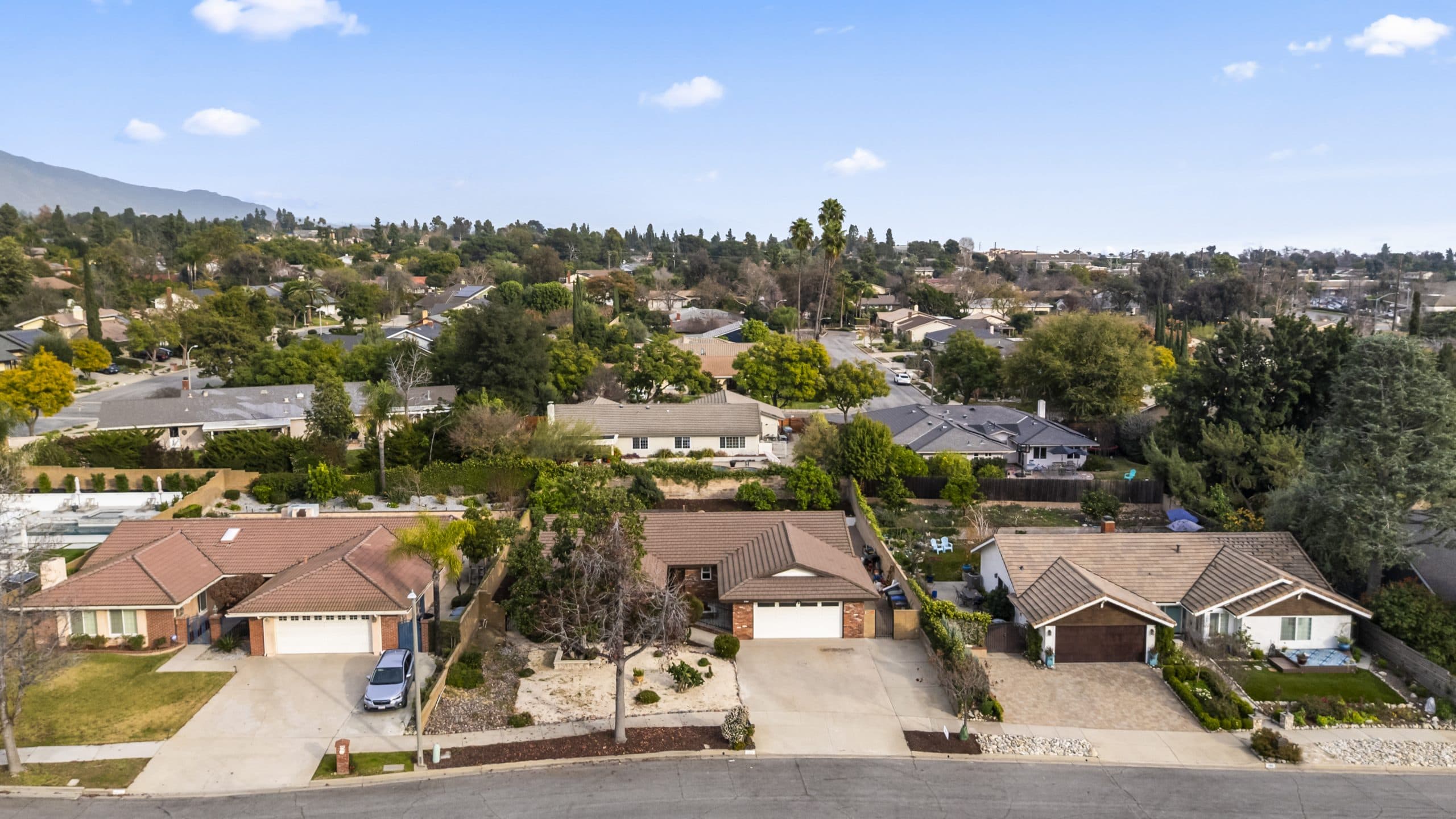
On a Claremont lot, driveways, walkways, patios and steps are doing more than carrying weight. They are shaping where water goes, they are in constant negotiation with tree roots, and they are the first thing a buyer's eye lands on. This piece adds the ground-plane layer to the Claremont home maintenance guide.
Three materials, three failure patterns
Concrete is rigid. It does not bend, so when the ground beneath it moves, it cracks. Some cracking is expected and controlled by joints; the tooled or sawn lines in a slab exist to decide where a crack will go. A crack that follows a joint is the system working. A crack that wanders across a panel, that has a vertical offset between the two sides, or that keeps opening is a different finding.
Asphalt is flexible and binder-based, and in strong sun it oxidizes. The signs are a color shift from black toward grey, a surface that goes rough and loose, and then edge raveling where the material crumbles away at the perimeter. Interconnected cracking in a pattern is a base failure showing through, not a surface problem.
Pavers and flagstone are individual units on a bed. They fail by moving rather than breaking: units settle, joints open and lose sand, and edges spread outward where the restraint has failed. The advantage is that they are repairable in place, and a settled area can often be lifted, re-based and reset without replacing anything.
What is actually moving the surface
Almost all hardscape failure is a base problem or a water problem wearing a surface disguise.
Roots. Claremont's canopy is one of the town's real assets, and mature roots lift slabs. The signal is a localized heave, often with a crack radiating from it, near a trunk. Cutting roots to fix a slab can destabilize or kill a tree, and street trees are frequently not the owner's to cut. Route that question to a certified arborist and to the City of Claremont before anyone brings a saw. The same relationship on the underground side is covered in the sewer line guide.
Water under the slab. Water that repeatedly saturates and drains the soil beneath hardscape washes out fines and creates voids. A hollow sound when you tap, or a panel that rocks slightly, means there is space underneath. The upstream cause is usually a downspout discharging at the slab edge or a grade that sends runoff under rather than across. Where that water goes is the whole subject of the drainage guide.
Irrigation. A broken lateral or a leaking valve under a driveway will quietly undermine it for months. Wet edges, moss growing at a slab joint in a dry stretch, or a paver area that stays dark are worth investigating against the irrigation guide.
Base and edge. A slab poured on poorly compacted fill, or pavers laid without proper edge restraint, will fail regardless of how good the surface material was.
The slope question
Every hard surface next to a house has one job beyond being walkable: move water AWAY from the building.
A driveway or patio that has settled toward the house is now a collection surface delivering runoff to the foundation. This is a common and under-noticed defect, and it links directly to interior moisture, crawl-space dampness and foundation movement. Check it during actual rain, or with a hose, and watch where water actually travels rather than where you assume it goes.
The related readings are the foundation guide and the crawl-space guide, because a hardscape slope problem often presents first as a symptom inside the house.
Safety findings come first
Some hardscape conditions are liability issues rather than aesthetic ones, and they should be handled ahead of anything cosmetic.
A vertical offset between two slab sections at a walkway is a trip hazard. So are steps of inconsistent rise, a loose or missing handrail, a paver that rocks underfoot, and a walkway that goes slick when wet from moss or algae. Deteriorated steps at a porch or a side yard deserve particular attention because people use them in the dark.
Lighting is part of the same conversation. A path that is safe in daylight and unreadable at night is only half solved; the fixture-level detail sits in the landscape lighting guide.
Repair, resurface, or replace
Match the intervention to the finding rather than to the appearance.
Repair is right for a localized problem with a known cause: resetting settled pavers, replacing a cracked flagstone, rebuilding a step, sealing an asphalt surface that is oxidizing but structurally sound. Crack filling on concrete is cosmetic and moisture-limiting; it does not restore structure.
Partial replacement suits concrete, because slabs are panelized. A single heaved panel near a tree can often be removed and replaced without touching the rest of the driveway, and the color difference weathers in.
Full replacement is the honest answer when the base has failed broadly, when the slope is wrong across the whole surface, or when repeated repairs have stopped holding. It is also the only moment when you can change drainage, add a permeable section, or correct a grade, so if any of those are goals, they belong in the same project.
Grading, retaining structures and anything that changes drainage across a property line can carry permitting and engineering requirements. Confirm scope with the City of Claremont, and use a licensed contractor for structural or retaining work.
Low-effort habits that extend the surface
Keep joints clean and filled. Keep dirt and organic debris from building at edges, because that traps moisture against the material. Redirect downspouts so they discharge past the hardscape rather than at it. Trim shrubs back so surfaces dry after irrigation. And photograph cracks, dated, from the same position so you know whether something is moving or simply present.
The bottom line
Read hardscape as a base-and-water system rather than a surface. Find the cause - roots, runoff, irrigation, poor base - before choosing a repair. Fix trip hazards first. Correct slope toward the house before it becomes a foundation conversation. And treat a full replacement as the one chance to fix drainage while the surface is open.
Fold the results into the record described in the owner's guide. This is general information rather than construction, engineering or arboricultural advice; licensed professionals evaluating your actual property govern. Anthony Grynchal has been licensed in California since November 2009.
Frequently asked questions
Is every crack in a Claremont concrete driveway a problem?
No. Concrete is rigid and cracks by design, which is why slabs have tooled or sawn control joints to decide where cracking happens. A crack that follows a joint is the system working. A crack that wanders across a panel, shows a vertical offset between the two sides, or keeps opening over time is a finding worth investigating.
Can I cut tree roots that are lifting my driveway?
Not without advice. Root cutting can destabilize or kill a mature tree, and street trees are often not the owner's to cut. Have a certified arborist evaluate the tree and confirm jurisdiction with the City of Claremont before any cutting, then design the hardscape repair around what the tree can tolerate.
What does a hollow sound under a slab mean?
It usually means a void. Water repeatedly saturating and draining the soil under a slab washes out fines and leaves space, and a panel that sounds hollow or rocks slightly has lost support. Look upstream for the water source, commonly a downspout discharging at the slab edge, a bad grade, or a leaking irrigation line.
Should hardscape slope away from the house?
Yes. Any hard surface next to a building should move water away from it. A patio or driveway that has settled toward the house becomes a collection surface delivering runoff to the foundation, and that shows up later as crawl-space moisture or foundation movement. Test it during rain or with a hose and watch where water actually travels.

Written by
Anthony Grynchal
Anthony Grynchal is a California real estate professional with eXp Realty, licensed since November 2009 (California DRE# 01873626), and the Designated Local Expert™ for Claremont — where he has lived for more than 33 years.
More about AnthonyPublished · Updated