
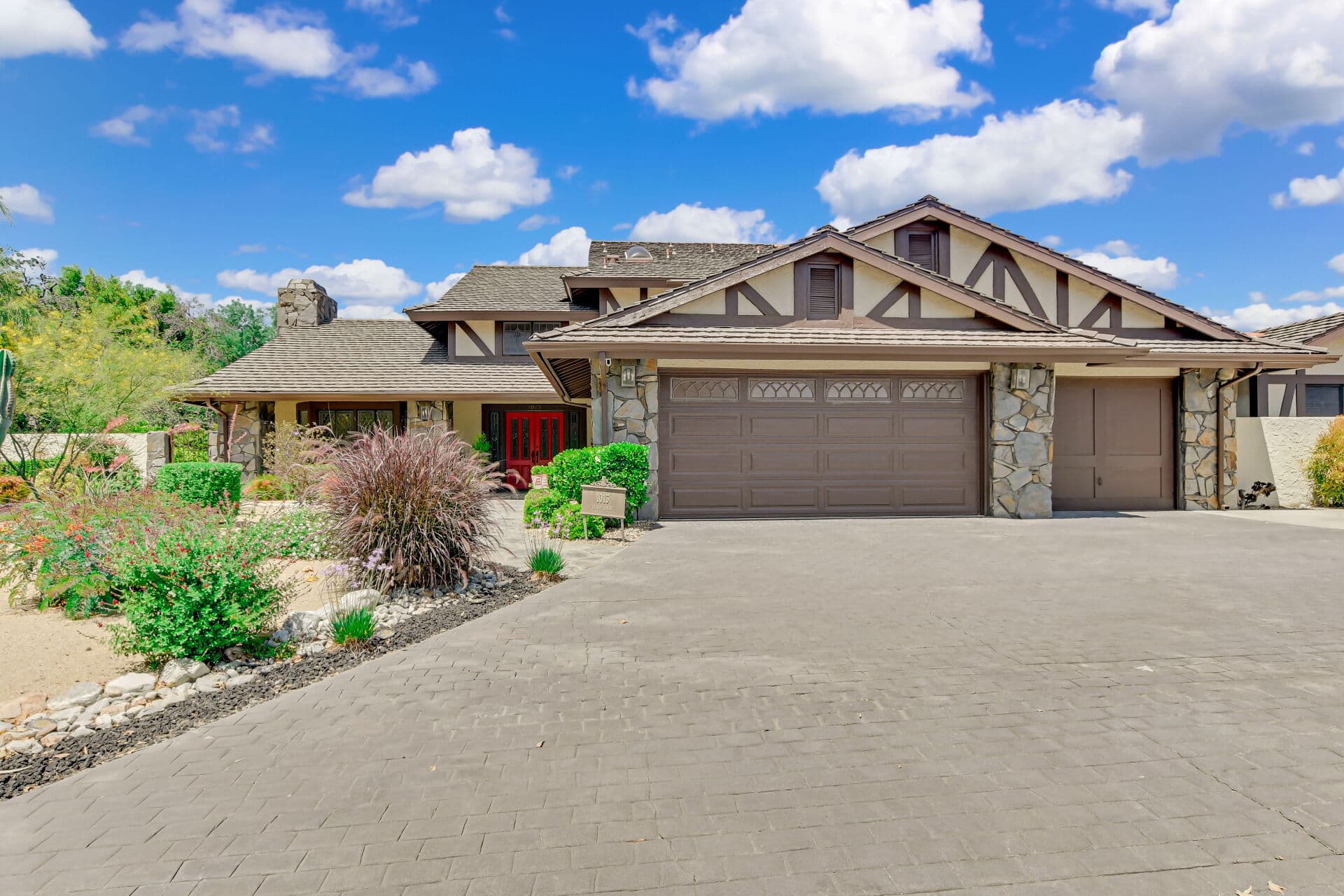
The garage door is the largest moving object most Claremont homeowners own, the most-used entrance to many homes, and — on the wide-frontage ranches that define whole neighborhoods here — as much as a third of the street face. It is also the definition of taken-for-granted: cycled thousands of times a year, maintained never, until the morning it refuses to open with the car inside. Add the driveway gates and side-yard gates common on this housing stock and you have a small fleet of hardware doing daily duty at the exact boundary where the home meets the street. This article covers the maintenance that prevents the bad day, the safety checks that actually matter, and the honest curb-appeal math. It deepens the maintenance guide — the same protect-the-envelope logic as the roof and plumbing chapters, applied to the moving parts.
The garage door: maintenance that prevents the bad day
A garage door system is springs doing the lifting, an opener doing the guiding, and hardware holding it together — and its maintenance divides cleanly into what owners should do and what they should never touch. THE OWNER'S QUARTERLY FIVE MINUTES: watch and listen to a full cycle (new scraping, grinding, or jerking is the early-warning system), lubricate the moving metal — rollers, hinges, springs — with a garage-rated lubricant, snug the visibly loose bracket bolts, and keep the tracks clear; this alone prevents most of the wear that ends in a bad day. THE BALANCE TEST, seasonally: pull the release cord and lift the door by hand to waist height — a healthy door floats there; a door that slams down or flies up has a spring problem, which is your cue to stop and call. AND THE HARD LINE: TORSION SPRINGS ARE PROFESSIONAL-ONLY. They store enough energy to cause serious injury, they fail on their own schedule after their rated cycles, and a spring replacement is a routine service call — the classic sign being a door that suddenly weighs a hundred pounds on the manual lift, or the loud bang from the garage that preceded it. The opener rides on the same discipline: keep the rail lubricated per its manual, replace remotes' batteries before they strand you, and know the manual release — power outages are exactly when the door matters most.
The safety checks that actually matter
Two safety systems ride on every modern opener, and both are legally required equipment on openers for good reason — federal requirements have mandated automatic reversal on garage door openers for decades. TEST THE PHOTO-EYES: block the beam while the door closes — it should reverse immediately; misaligned or dirty sensors are the most common cause of a door that 'randomly' refuses to close, and a two-minute realignment fixes what looks like an opener failure. TEST CONTACT REVERSAL: place a solid object (the classic scrap of lumber) flat under the closing door — the door should reverse on contact. A door that fails either test is a genuine hazard to children and pets and should be treated as broken even though it still moves. The same logic extends to POWERED DRIVEWAY GATES, which carry their own entrapment-protection standards: a motorized gate without functioning obstruction sensing is not a convenience, it is a liability — and manual gates ask only for the humbler basics: hinges that do not sag, latches that actually latch (the pool-barrier gates the pool guide mentions are SAFETY equipment, and self-closing hardware that no longer self-closes has failed at its one job), and wood that gets the same paint-and-seal attention as the fence it lives in.
The curb math — and the transaction angle
Here is the honest economics: on wide-frontage stock, the garage door is among the highest-visibility square footage on the house, and remodeling-industry cost-versus-value research has famously ranked garage door replacement at or near the top of project payback for years — a rare renovation category where the resale story is genuinely strong, precisely because the cost is modest and the visual change is large. The practical ladder: a REFRESH (paint or refinish, new hardware, clean panel repair) buys most of the look for least money on a structurally sound door; a REPLACEMENT decision should match the house's architecture rather than the catalog's default — the carriage-style door on a mid-century ranch and the sleek flush door on a Spanish revival are both category errors, and Claremont's architecture cluster is the taste reference — and it is also the moment to solve insulation (an attached garage's door is part of the home's thermal envelope), quiet (belt-drive openers and nylon rollers transform bedrooms-over-garage houses), and the smart-access question the smart-home guide covers. AT SALE TIME the fleet gets inspected like everything else: doors and gates that operate smoothly, reverse properly, and latch cleanly read as stewardship; the dead opener, the dragging gate, and the failed safety reverse each become an inspection line item — small repairs cheaper to make in maintenance time than to concede in negotiation time. This is general information; your equipment's manuals, a licensed garage-door professional for anything spring-loaded, and the current safety standards govern.
Anthony Grynchal has been licensed in California since November 2009 and does the same two things at every listing walkthrough: cycles the garage door and swings every gate — because the buyer's inspector will, and smooth-and-latching is the cheapest good first impression on the street.
Frequently asked questions
What garage door maintenance can I do myself?
The quarterly five minutes: watch and listen to a full cycle for new noises, lubricate rollers, hinges, and springs with a garage-rated lubricant, snug loose bracket bolts, and keep tracks clear. Seasonally, run the balance test — release the opener and lift the door to waist height; a healthy door floats there.
Why should I never touch garage door springs?
Torsion springs store enough energy to cause serious injury and are strictly professional territory. They fail on their own schedule after rated cycles — the telltale is a loud bang from the garage or a door that suddenly weighs a hundred pounds on manual lift. Spring replacement is a routine, inexpensive service call.
How do I test garage door safety features?
Two tests: block the photo-eye beam while the door closes (it should reverse immediately — dirty or misaligned sensors are the top cause of a door that refuses to close), and place a solid object flat under the closing door (it should reverse on contact). A door failing either test is a hazard, not a quirk.
Is replacing a garage door worth it for resale?
It is one of the strongest-payback projects in remodeling-industry cost-versus-value research year after year — modest cost, large visual change on high-visibility square footage. Match the style to the house's architecture, and use the moment to solve insulation and quiet as well. A refresh (paint, hardware) buys most of the look for less.

Written by
Anthony Grynchal
Anthony Grynchal is a California real estate professional with eXp Realty, licensed since November 2009 (California DRE# 01873626), and the Designated Local Expert™ for Claremont — where he has lived for more than 33 years.
More about AnthonyPublished · Updated