Two houses on the same Claremont street can share a build year and value very differently. That is not a mystery, and it is not sloppiness. It is the difference between actual age and effective age, and understanding it explains more about local valuations than almost anything else you can learn in an afternoon.
The two ages, defined plainly
ACTUAL AGE is arithmetic. Subtract the year built from the current year. It is printed on the county record, it is not open to opinion, and it changes at exactly the same rate for every house in the city.
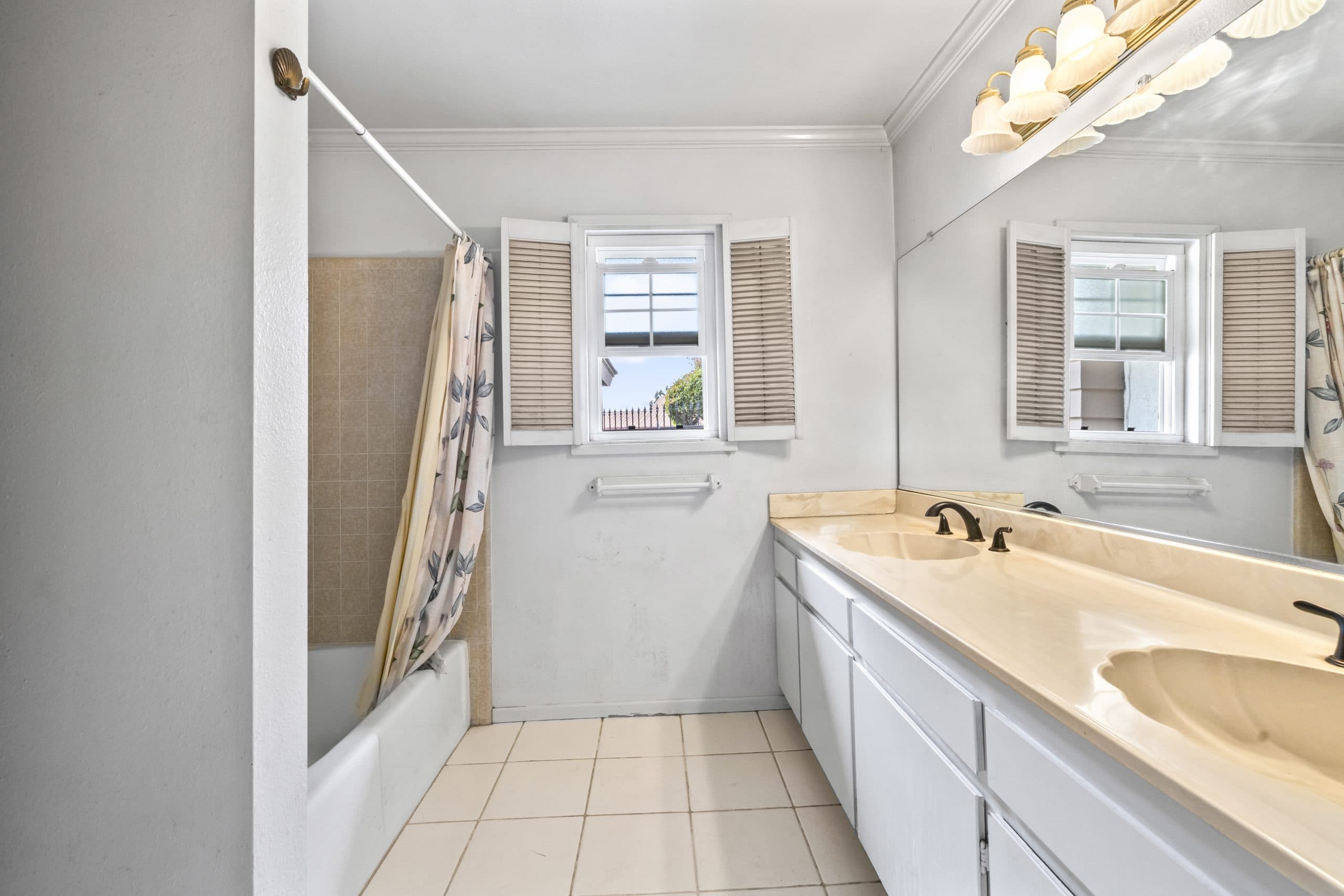
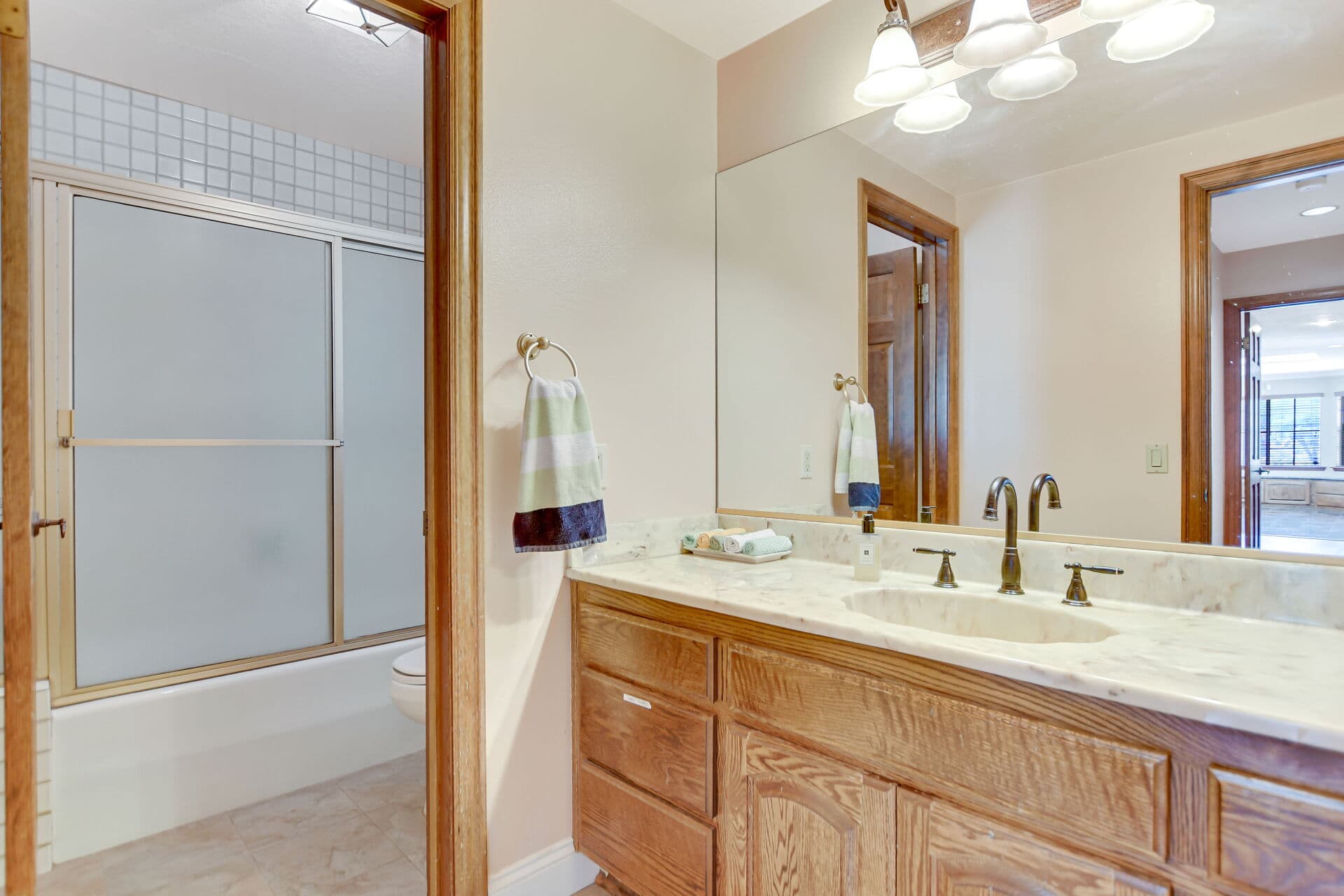
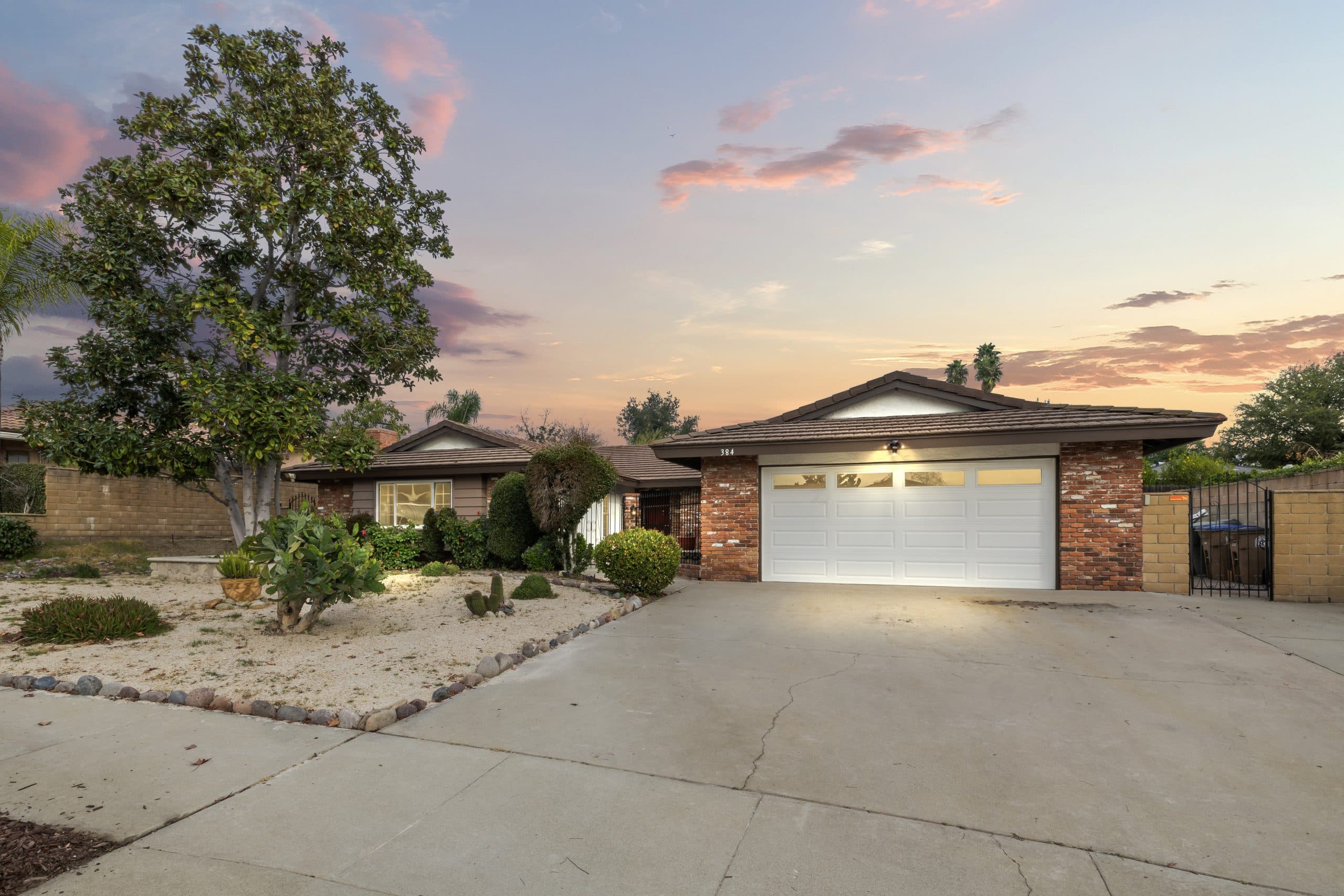
EFFECTIVE AGE is a judgment about how old the house behaves. It asks a different question: given what has been replaced, updated, maintained, or neglected, how old does this property present against others of its type? A carefully kept mid-century ranch with a newer roof, updated electrical, sound windows, and a kitchen that works can present decades younger than its birth certificate. A neglected house from the same tract can present older than it actually is.
Only one of those two numbers moves a valuation much. It is not the one on the county record.
Why this matters more in Claremont than in a newer town
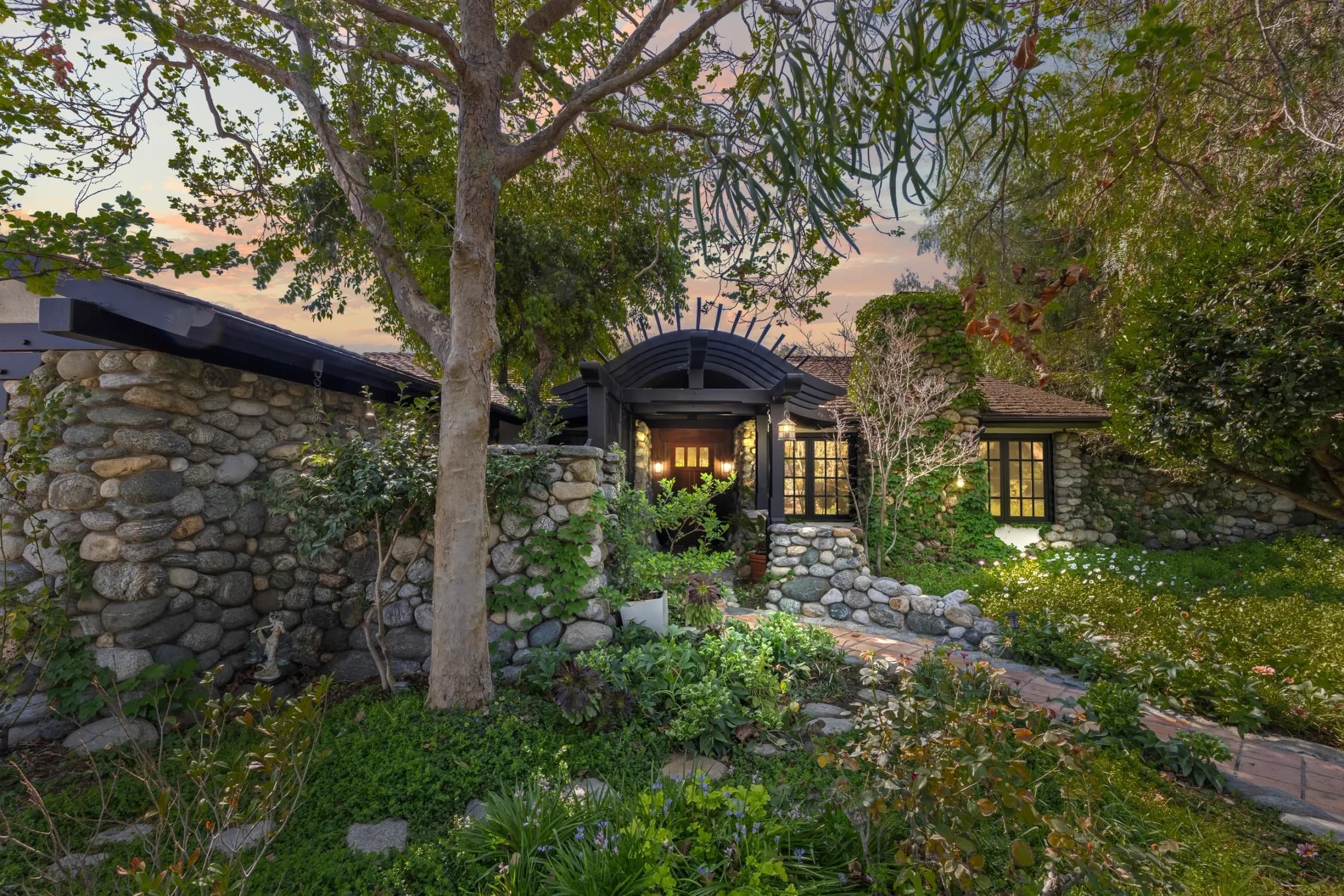
Claremont's housing stock is unusually varied by era. There are early bungalows near the Village, mid-century tracts, custom foothill homes, and later infill. In a subdivision built in a single season, actual age is nearly a constant and the analysis can almost ignore it. Here, a comparable sale two streets away may come from an entirely different decade, with different framing, different wiring conventions, different ceiling heights, and different original finishes.
So the age question cannot be waved off. It has to be worked. That work is a large part of how a Claremont home valuation is built, step by step.
What actually pushes effective age down
The items that move effective age are usually the unglamorous ones. Think about what a buyer would otherwise have to pay for and schedule in their first years of ownership:
- Roof covering and its remaining useful life
- Electrical service, panel, and branch wiring
- Plumbing supply lines and the sewer lateral
- Heating and cooling equipment and ductwork
- Windows, exterior doors, and weather sealing
- Foundation condition and drainage away from the structure
Notice what is not on that list: paint colors, staging, and decorative finishes. Those affect how quickly a house sells and how a buyer feels walking in. They do not do much to the effective age, because they do not remove a future expense from the buyer's calendar.
The inverse is where sellers get surprised. Postponed work does not sit still. It raises effective age, and the effect compounds because one aging system tends to damage another. That mechanism is worked through in the article on deferred maintenance and Claremont home values.
Cosmetic updating is not the same as effective age reduction
This is the single most common misreading in the market. A seller refinishes floors, repaints, replaces countertops, and reasonably expects the house to read as newer. It does read as more appealing, and appeal has real consequences for how many buyers show up. But if the panel, the roof, and the supply lines are original, the effective age has barely moved. Anyone who lifts a service panel cover sees the same house that was there before the paint.
The honest framing for a seller is: cosmetic work buys attention and competition, and system work buys effective age. They are two different purchases with two different returns, and confusing them leads to disappointment.
How effective age enters the comparison
When comparable sales are selected, the goal is to find properties whose effective age is close to the subject's, not merely whose build year is close. If a comp is genuinely newer in behavior, the analysis has to recognize that and adjust. If the comp is older in behavior, the adjustment runs the other way.
Where the difference is large, the better move is often to reject the comp entirely rather than adjust it heavily. A comparison that requires a large correction is a weak comparison, and stacking corrections is how a valuation drifts. The mechanics of that selection and adjustment work are covered in the guide on how to read Claremont comps.
Why automated estimates struggle with this
An automated valuation model has access to the build year, because it is a public field. It does not have access to whether the sewer lateral was replaced, whether the panel is a modern one, or whether the roof has years left. Those facts are not in any database it reads.
On uniform newer housing this gap barely matters, because effective age tracks actual age closely. On Claremont's older and more irregular stock, the gap is exactly where the real differences live. That is a structural limitation of the method, not a defect that a better algorithm removes next year.
Documenting your way to a lower effective age
If you have done system work, a valuation only credits what it can see or verify. Assemble the record: permits, invoices, dates, and the name of the contractor. A replaced main line is invisible from the street and largely invisible in the house. A dated invoice makes it real.
Homeowners who keep a simple folder from the day they move in end up with a decisive advantage at sale time, and they also know sooner when it is worth asking whether it is time to get the home revalued.
What this does not tell you
Nothing here produces a number. Effective age is an input into a comparison, not a price by itself, and the amount it moves any specific property depends entirely on that property and on the comparable sales that happen to exist near it. Anyone offering a fixed value per year of effective age reduction is selling a formula the market does not honor.
The way to get an actual figure is to have someone examine the house and the current comparable sales together. Mr. Claremont prepares a comparative market analysis, a broker opinion of value, for owners who want that answer, and coordinates an independent, state-licensed appraiser when a formal appraisal is what the situation calls for. For assessed values and the county's own record of your property, the Los Angeles County Assessor is the source.
More on how the pieces fit together sits on the Claremont home values hub, and the closest companion piece to this one is appraised value vs. market value in Claremont.
Anthony Grynchal has been licensed in California since November 2009.
Frequently asked questions
Can effective age be higher than actual age?
Yes. A house that has gone without maintenance for a long stretch can present as older than its build year suggests, because a buyer inherits a longer list of near-term work than a comparable home of the same vintage.
Does a full remodel reset effective age to zero?
No. Even a thorough remodel usually leaves original structure, and often original underground plumbing. It can lower effective age substantially, but the property is still evaluated on what was actually replaced, not on the impression the finishes create.
Do appraisers and agents use effective age the same way?
Both consider it, but they are producing different products. A state-licensed appraiser produces a formal opinion of value under an assignment. An agent preparing a comparative market analysis is producing a broker opinion of value for a listing decision. The concept is shared; the document and its purpose are not.
Where do I find my home's official build year?
The Los Angeles County Assessor's record is the authoritative source for the county's data on your property. Permit history at the City of Claremont may tell a fuller story about what has been changed since.

Written by
Anthony Grynchal
Anthony Grynchal is a California real estate professional with eXp Realty, licensed since November 2009 (California DRE# 01873626), and the Designated Local Expert™ for Claremont — where he has lived for more than 33 years.
More about AnthonyPublished · Updated