Owners often ask whether they should wait for a better season before getting a valuation, or before listing. Underneath the question is an assumption worth examining: that the calendar changes what a home is worth.
It does not, directly. What the calendar changes is the evidence a valuation has to work with, the group of buyers in the market, and how a particular house presents. Those are real effects, and they are worth understanding without pretending they are a schedule you can trade against.
What genuinely shifts with the season
The supply of usable comparable sales
This is the largest and least discussed effect. Comparable sales are the raw material of a valuation, and they arrive unevenly through the year. After a slower stretch, the recent, close, similar sales an analysis wants may simply not exist, and the search has to reach further back in time or wider in geography.
Both of those reaches cost accuracy. A valuation prepared when the local evidence is thin is a wider, less certain result than the same valuation prepared when it is plentiful. An honest analysis says which situation it is in. That is part of how a Claremont home valuation is built, step by step.
Who is in the market
Different times of year draw different buyers. Households moving around a school calendar, people relocating for an academic appointment, and buyers with no such constraint are not all shopping at the same moments, and they do not all want the same house.
That matters because value is a statement about the buyers who are actually there. A property that suits one group strongly may face more competition for it in the stretch when that group is active, and less attention outside it.
How the property shows
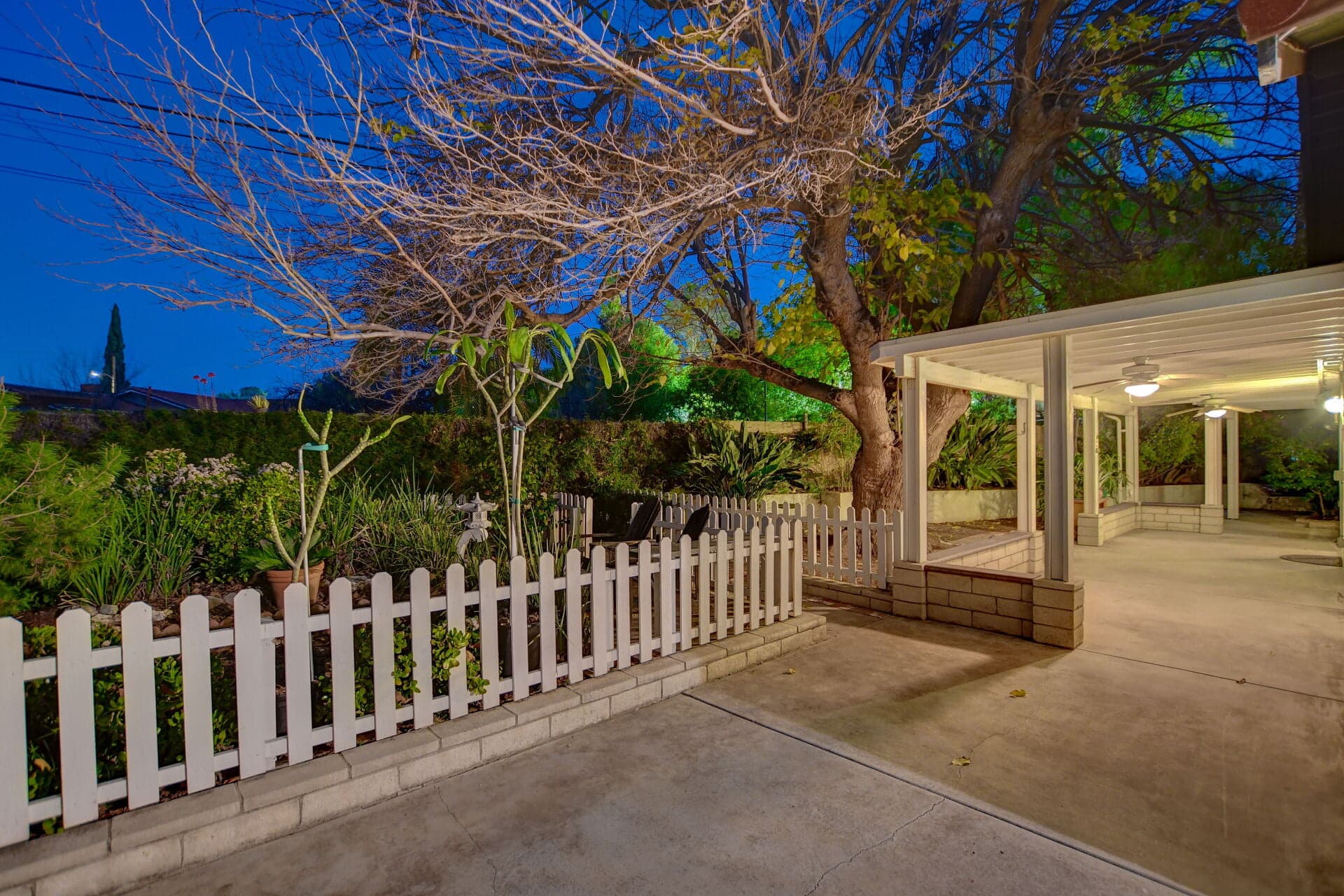
Claremont's streetscape is not constant. Mature deciduous canopy, garden condition, daylight hours, and the usability of outdoor space all change through the year, and they change how a house reads during a showing.
This affects marketability rather than the underlying property, but marketability is not nothing. It shapes how many buyers engage and how strongly. The canopy's role in the local picture is worked through in how Claremont's tree canopy shows up in home values.
What does not shift
Effective age does not. Layout does not. Lot size, orientation, and street position do not. Condition does not, except insofar as maintenance was done. The intrinsic characteristics of the house are the same in every month.
So a valuation prepared in a quiet stretch and one prepared in a busy stretch are not measuring different houses. They are reading the same house against different available evidence and a different set of buyers.
The trap in seasonal timing advice
General advice about the best time to sell is built on broad averages across large markets. Claremont is small, its housing is varied, and its buyer pool has local features that do not resemble a national average.
More to the point, an average tells you nothing about your house. A property whose strongest feature is a mature garden and outdoor living space is affected by the calendar quite differently from a compact home whose appeal is entirely interior. The right timing question is about the specific property, not about the month.
And timing is usually not the largest variable available to a seller. Condition, preparation, and an opening price that stands up to the evidence generally matter considerably more than which month the sign goes up.
When the season should actually influence you
There are cases where it genuinely should.
If the property's main strength is outdoor space or a garden that peaks at a particular time, showing it at its best is a real advantage. If the property has a drawback that is more obvious in one part of the year, that is worth weighing. If your household has a fixed constraint of its own, that usually outweighs any market seasonality anyway.
And if a valuation is being prepared during a thin stretch, it is worth knowing that the result carries more uncertainty, and worth asking to see the comps rather than only the number. The related question of how often to revisit the figure is covered in when to get your Claremont home revalued.
Automated estimates and the calendar
Automated models react to whatever sales have recorded, with the recording lag that entails. In a small market, a handful of unusual sales in a quiet period can move an estimate noticeably, and the movement can look like a trend when it is really a sample size problem.
Reading month-to-month movement in an automated estimate for a single Claremont address as a signal about your home is generally reading noise. The underlying property has not changed.
Getting a current answer
If you want to know where your home stands now, the route is the same in any season: look at the property and the sales that have actually happened near it, and be told honestly how strong that evidence currently is. Mr. Claremont prepares a comparative market analysis, a broker opinion of value, on that basis, and coordinates an independent, state-licensed appraiser when a formal appraisal is what the situation calls for. Assessed values and the county record of your property come from the Los Angeles County Assessor.
The rest of the series sits on the Claremont home values hub, and a useful companion is Claremont home values: what your house is really worth.
Anthony Grynchal has been licensed in California since November 2009.
Frequently asked questions
Is there a best month to sell a Claremont home?
General seasonal advice is built on broad averages that do not describe a small, varied market or your specific property. Condition, preparation, and a defensible opening price usually matter more than the month.
Should I wait for a busier season to get a valuation?
Not necessarily, but ask how much recent local evidence there is. A valuation prepared when comparable sales are scarce carries more uncertainty, and a good analysis will tell you that rather than hide it.
Why does my online estimate move month to month?
Automated models react to whatever sales have recorded. In a small market a few unusual sales can move an estimate noticeably, which often reflects sample size rather than any change in your home.
Does my garden affect the valuation or only the marketing?
Mostly the marketing, by changing how the property shows and how many buyers engage. Mature landscaping can also be a genuine feature, but its treatment depends on the property and on what comparable sales support.

Written by
Anthony Grynchal
Anthony Grynchal is a California real estate professional with eXp Realty, licensed since November 2009 (California DRE# 01873626), and the Designated Local Expert™ for Claremont — where he has lived for more than 33 years.
More about AnthonyPublished · Updated