Buyers comparing this town with the ones next to it arrive at the same question every time, usually in the car between showings. Why does a comparable house cost more here?
It is a fair question and it deserves a real answer rather than a brochure. Here is what the premium is actually attached to, what it is not, and how to decide whether it is worth paying in your particular case.
First, what a premium is not
It is not a guarantee of anything. Paying more does not lock in future appreciation, and no honest person will tell you otherwise. Markets move for reasons that have nothing to do with how pleasant a street is.
It is also not uniform. A town is not one price; blocks inside it behave differently, and the gap between an unshaded arterial-adjacent street and a quiet interior block a few minutes away is real. Some of what buyers describe as a Claremont premium is really a premium for particular streets.
And it is not a quality claim about anyone. This is a discussion about buildings, trees, distances, and infrastructure. That is the only version of the question worth answering.
What the premium is genuinely attached to
Four things, and they are physical rather than atmospheric.
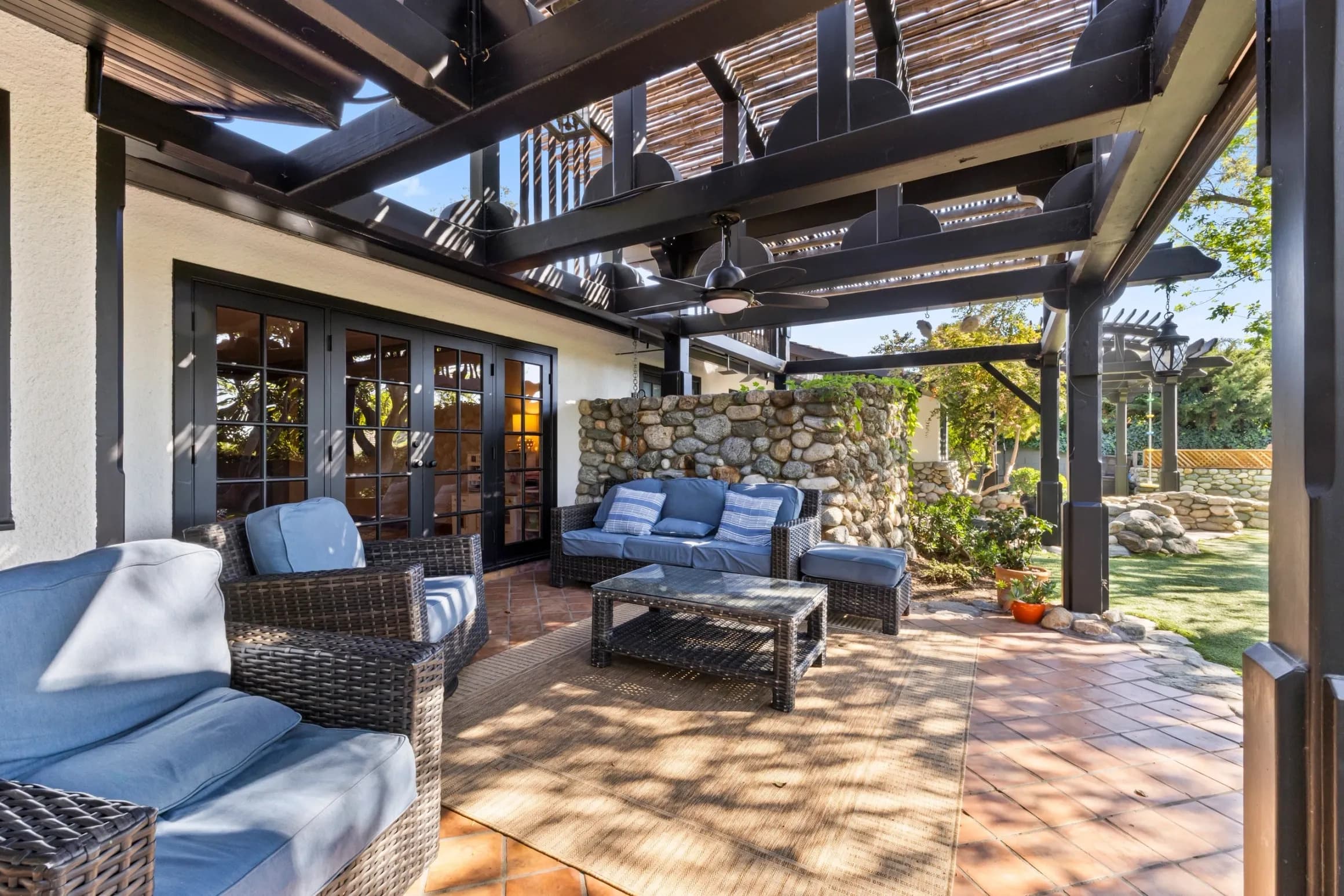
THE CANOPY. Mature street trees are an asset that cannot be built quickly. They take decades, they require maintenance that the town has continued to fund, and they change the temperature of a street in a way you can feel walking from one block to the next in August. Shade is not decoration here. It is a functional feature that affects cooling costs, outdoor usability, and how a house feels at four in the afternoon.
THE COMPACT CORE. A walkable center with a rail connection at its edge produces a specific kind of value: a house from which some errands and some evenings do not require a car. That radius is limited, which is exactly why houses inside it price differently than houses a mile out. The piece on errands without a car maps what is genuinely reachable and what is not.
THE INSTITUTIONS. The colleges provide a standing calendar of lectures, recitals, and exhibitions, along with grounds that function as public space. A town this size does not usually get that, and it absorbs some of the work a house would otherwise do - a point made carefully in the guide to the third-place effect.
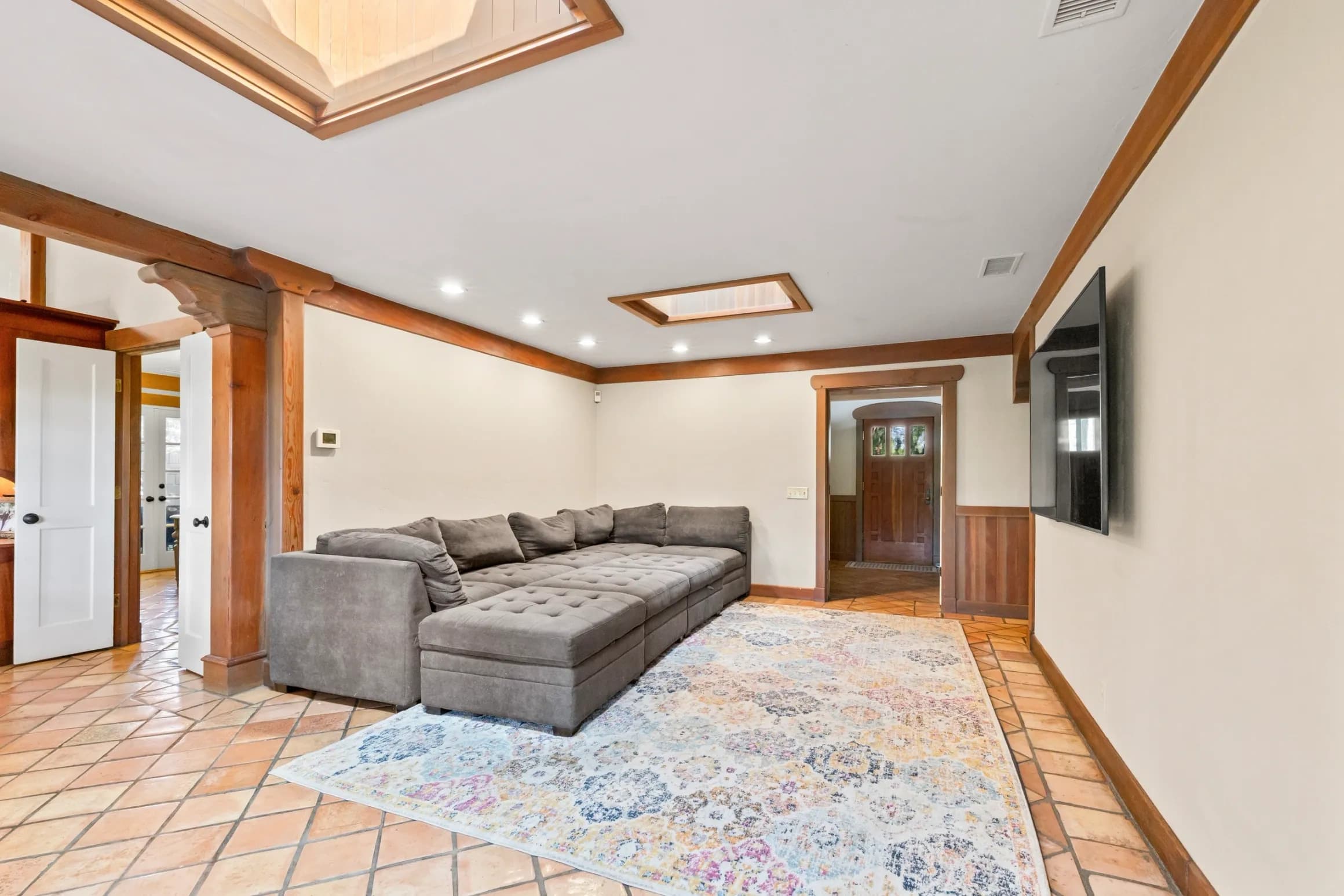
THE STOCK ITSELF. A large share of the housing here is old, individually built, and on lots laid out before uniform tract planning. Buyers who want a house with a particular character have a narrow field of towns to shop in, and narrow supply is the most ordinary reason a price sits higher.
What the premium does not buy
Be equally clear about the other column.
It does not buy modern construction. Old stock brings old systems, and the practical consequences run through cooling, storage, wiring, and floor plans that were designed for a different life. Several of the pieces in this cluster exist because those consequences surprise people.
It does not buy convenience for everything. There is a real list of things this town still asks you to drive for, and it is honestly documented in what Claremont still asks you to drive for. If your weekly pattern is heavy on those errands, some of the walkability premium is money you will not use.
It does not buy quiet everywhere. Arterials, the rail line, campus event nights, leaf blowers, and wind season are all real. A quiet block here is quiet; the town as a whole is a functioning place.
It does not buy scale. Lots and houses in the older neighborhoods are frequently smaller than what the same money buys further east. That is a straightforward trade, and for some households it is the wrong one.
How to test the premium against your own life
Skip the general argument and run four checks specific to you.
COUNT THE CAR TRIPS. Over a normal week, how many of your trips would actually shorten or disappear if you lived inside the walkable radius? If the honest answer is most of them, the premium is buying you time every day. If the answer is few, you are paying for an amenity you will admire rather than use.
COUNT THE OUTDOOR HOURS. Shade and evening climate matter enormously to households that live outside and barely at all to households that do not. Look at how you actually spent last summer.
PRICE THE ALTERNATIVE HONESTLY. Compare a Claremont house against a specific address elsewhere, not against a town average - including its commute, its shade, and its condition. Averages hide the entire question.
ADD THE OLD-HOUSE BUDGET. If you are buying old stock, put a real maintenance and upgrade number in your model before comparing. A premium that looks manageable at purchase looks different once the cooling and electrical work is in the column.
The version most buyers land on
After all of that, the people who conclude the premium is worth it tend to share a profile that has nothing to do with income: they use the town. They walk somewhere most days. They go to things. They eat outside. They tolerate an older house because the location does work for them that a newer house cannot.
The ones who conclude it is not worth it usually want space, newness, or a shorter drive to a job in another direction, and they are right to buy accordingly. That is not a lesser decision. It is a different one.
The honest job of an agent here is to help you find out which group you are in BEFORE you commit, not after. And the fastest route to that answer is spending unstructured time in the town on a weekday, which is a point the piece on weekday versus weekend Claremont makes at length.
The rest of the daily-life picture is collected in the Claremont lifestyle guide.
Anthony Grynchal has been licensed in California since November 2009.
Frequently asked questions
What does the Claremont premium actually pay for?
Mainly four physical things: a mature street-tree canopy that cannot be built quickly, a compact walkable core with a rail connection at its edge, the standing calendar and open grounds of the colleges, and a limited supply of older, individually built houses.
Does paying a premium protect my resale?
No. Nothing about a desirable location guarantees future appreciation, and markets move for reasons unrelated to how pleasant a street is. Treat the premium as something you buy for use, not as a promise about later value.
Is the premium the same across the whole city?
No. Blocks inside the city behave differently. Quiet interior streets, shaded blocks, and locations inside the walkable radius price differently than arterial-adjacent ones, so much of what buyers call a town premium is really a street premium.
How can I test whether the premium is worth it for me?
Count how many of your weekly car trips would actually shorten inside the walkable radius, look honestly at how many hours you spend outdoors, compare against a specific alternative address rather than a town average, and add a realistic old-house maintenance budget.

Written by
Anthony Grynchal
Anthony Grynchal is a California real estate professional with eXp Realty, licensed since November 2009 (California DRE# 01873626), and the Designated Local Expert™ for Claremont — where he has lived for more than 33 years.
More about AnthonyPublished · Updated