Every buyer who tours the north end on a clear morning has the same reaction, and it is not wrong. The mountains sit at the top of the street. The air moves. The blocks feel like the last row of houses before the land stops being anybody's yard.
Then they ask what it is like to live there, and the honest answer is that a trailhead block is a genuinely different product from a house half a mile south, in ways that have nothing to do with the view.
The parking arrives before you wake up
A trailhead is a destination, and destinations generate cars. On weekend mornings the marked lots fill first and the overflow goes where overflow always goes: the nearest residential curb.
This is not a crisis. It is a pattern, and it is predictable enough to plan around. What it means practically is that the curb in front of a foothill-edge house is a shared resource on the days you are most likely to want it. If a household parks a third car on the street, or hosts often, or needs contractor access on a Saturday, that friction is real and permanent. The curb-life guide covers the general version of this question; at the trail edge, turn the volume up.
WHAT TO CHECK: driveway length, whether the driveway can take two cars nose to tail, and whether the garage is actually usable for a car or has quietly become storage. On these blocks, off-street capacity is worth more than it looks on paper.
The morning starts outside your window
Trail users start early, especially in summer, because the heat gives them no choice. That means car doors, tailgates, dogs, and conversation on the street before first light on the days the rest of the town is asleep.
Some households find this pleasant. It is a sign of life, and it ends by mid-morning. Others discover that their bedroom faces the street and that a screen window does very little.
The fix is usually orientation rather than construction. A house where the sleeping rooms sit at the back, or on the side away from the approach route, behaves completely differently from an identical floor plan flipped the other way. Ask which way the bedrooms face before you fall in love with anything else.
Grit, and the maintenance you inherit
The edge of town is where the built environment meets an unbuilt one, and the unbuilt one sheds. Fine grit accumulates on window sills, patio furniture, and pool surfaces at a rate that surprises people moving up from the flats.
None of this is damage. It is housekeeping, and it has a cost in time and in filter changes. Households that run air conditioning heavily on these blocks tend to change filters more often than the label suggests, and screens need cleaning on a schedule rather than a whim.
Outside, the yard calendar tilts toward clearance work: keeping growth down, keeping the space around structures open, keeping gutters clear of what the canopy and the slope both deliver. The yard calendar lays out the general rhythm, and a foothill lot runs a heavier version of it.
Wind behaves differently up here
Claremont gets wind, and the north edge gets it first and hardest. Anything not fixed down moves. Gates that latch fine in still air rattle for two nights straight. Trees that lean already lean more.
This shapes what you buy in small ways that add up: solid gate hardware, patio furniture with weight, shade structures anchored rather than propped, and a real look at the mature trees on and near the lot. The wind-season guide is worth reading before you tour, not after you move.
It also shapes insurance conversations. Proximity to open land is one of the factors carriers look at, and their appetite changes over time. Do not assume. Get a quote on the specific address early in escrow rather than late, and certainly before contingencies come off.
What you get in exchange
Now the other side, because it is substantial and it is why these blocks hold their appeal.
You get the shortest possible commute to the thing many people move here for. A household that actually walks or rides in the morning, rather than intending to, gets that time back permanently. That is a real quality-of-life dividend and it compounds.
You get lots that tend to be larger and streets that tend to be quieter in the middle of the day, because through traffic has nowhere to go past you.
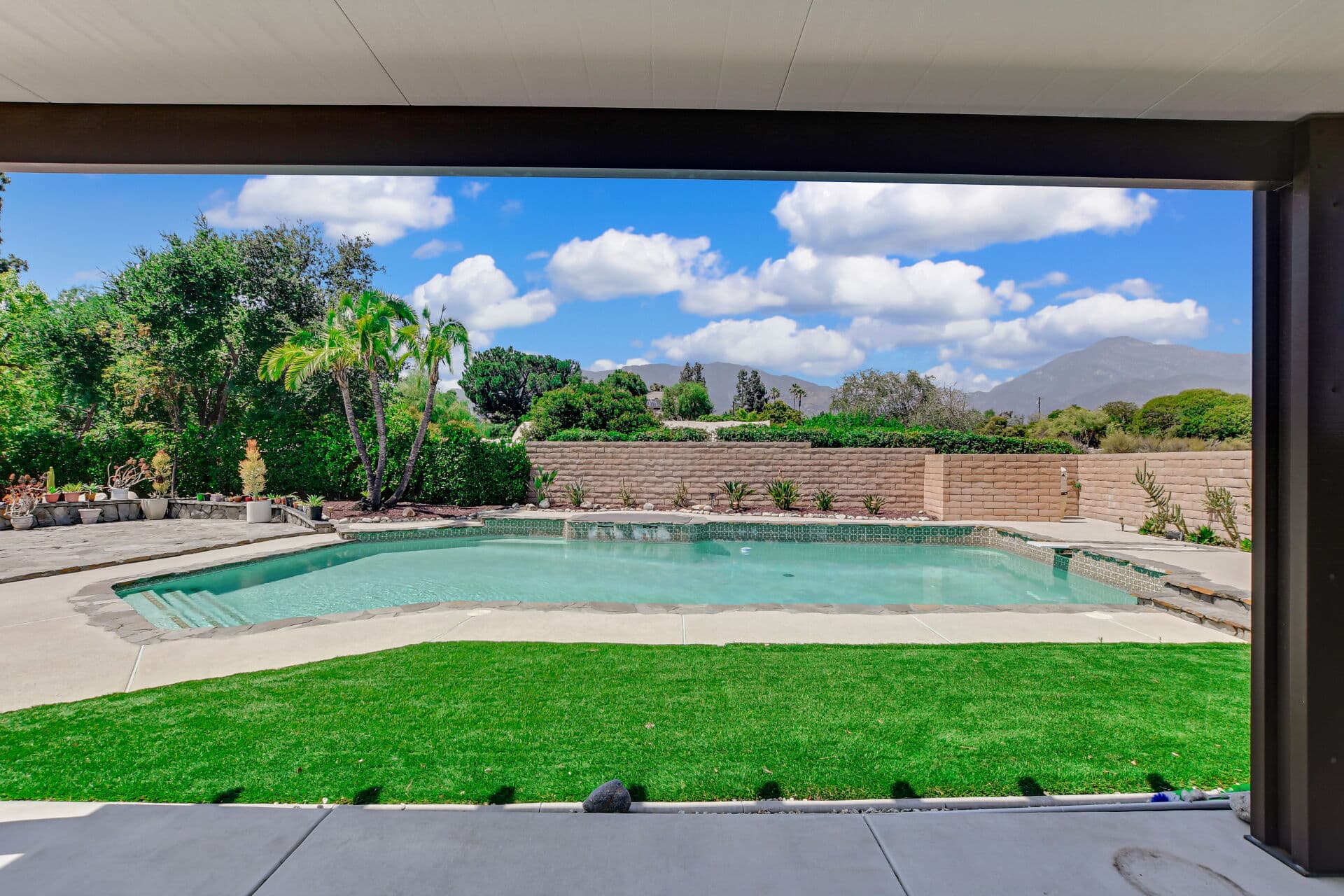
You get light. The north edge sits higher, the slope opens the sky, and evenings behave differently than they do under a heavier canopy further south.
And you get a boundary. There is something specific about living on the last street, where one direction is town and the other is not. People who want that want it badly, and people who do not will happily take a flatter block with better shade.
How to tour a trailhead block honestly
Three visits, not one. A Saturday morning tells you what peak use looks like. A weekday afternoon tells you what the ordinary state is, and it is much quieter than newcomers expect. A windy evening tells you what the loud version sounds like from inside, with the windows closed.
Walk the approach route from the main road to the trail on foot. That is the path the cars take, and standing on it tells you more in ten minutes than any listing photograph will.
Look at the neighbors' driveways. Full driveways and empty curbs mean the block has adapted. Empty driveways and a full curb mean the opposite.
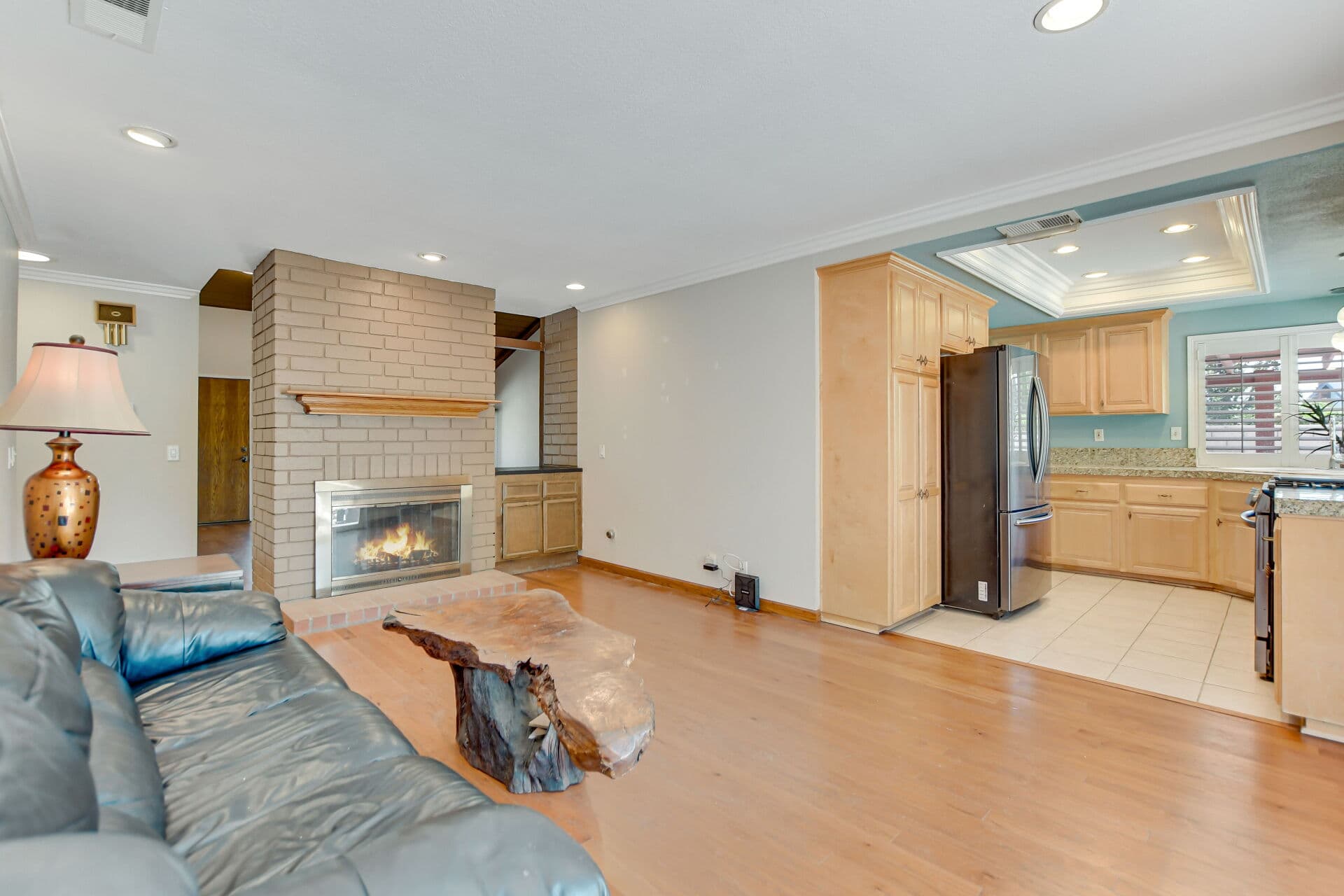
And check the practical seam where outdoors becomes indoors: is there a place to put boots, dirty gear, and a dog that has been on the trail, or does all of that arrive in the living room? A house at the trail edge without a real transitional space fights its own location every single day. The mudroom and laundry guide is the relevant one here.
The decision underneath
A foothill-edge house is not a better house. It is a house with a stronger point of view, and it charges for that point of view in maintenance, in curb space, and in early mornings.
Buyers who use the trail several times a week get an enormous amount back. Buyers who like the idea of the trail get the costs without the dividend, and they usually would have been happier a few blocks south with more shade and a quieter curb.
Be honest about which one you are. That single answer sorts these blocks faster than any feature list.
More on the daily texture of the town is collected in the Claremont lifestyle guide, and the companion piece on weekday versus weekend Claremont explains why one tour is never enough.
Anthony Grynchal has been licensed in California since November 2009.
Frequently asked questions
Is trailhead parking a real problem on north Claremont blocks?
It is a predictable weekend pattern rather than a constant one. Overflow reaches the nearest residential curbs on busy mornings, so off-street capacity - driveway length and a usable garage - matters more on these blocks than it does a few streets south.
Does living near open land change home insurance?
Proximity to open land is one of the factors carriers weigh, and their appetite changes over time. Get a quote on the specific address early in escrow rather than assuming the terms will match your last house.
How much extra maintenance does a foothill lot need?
Expect more frequent filter changes, screen and sill cleaning, gutter clearing, and ongoing clearance work around structures. None of it is damage, but it is a standing time cost that flatter blocks do not carry to the same degree.
What is the best way to tour a trailhead block?
Visit three times: a weekend morning for peak use, a weekday afternoon for the ordinary state, and a windy evening to hear the loud version from inside. Then walk the approach route from the main road on foot.

Written by
Anthony Grynchal
Anthony Grynchal is a California real estate professional with eXp Realty, licensed since November 2009 (California DRE# 01873626), and the Designated Local Expert™ for Claremont — where he has lived for more than 33 years.
More about AnthonyPublished · Updated