
For a century, the geometry of housing was commute geometry: households traded home quality against distance to work, and towns were priced by that trade. Remote and hybrid work bent the geometry — not everywhere, not for everyone, but structurally — and towns with Claremont's profile were among the quiet winners, because the shift reprices exactly what this town sells. This article explains the mechanism at the structural level, the home features the shift repriced, and the honest caveats that keep the analysis from becoming a slogan. It deepens the local-economy guide; the baseline being rewritten is the commuter-economy guide's subject, and both halves rest on the anchor the colleges-engine guide maps.
The mechanism: what fewer commute-days does to a map
The commuter bargain prices distance in daily units: a hard commute endured five times weekly caps how far from the job centers a household will live. Cut the frequency — two or three office days instead of five — and the same commute costs half as much life, which EXTENDS the viable radius around every employment center. Towns at the edge of that radius gain the most: places that were 'a bit far for daily' become 'fine for Tuesdays and Thursdays,' and their home-half advantages suddenly compete for households that previously ruled them out on distance alone. Claremont sits precisely in that band relative to the LA-basin centers — the comparison guide's eastern-edge geography — which is why the hybrid-work era widened the town's effective buyer pool without the town changing at all. The fully-remote household extends the logic further: freed from the radius entirely, it chooses on home-half quality alone, and a town whose entire competitive product IS home-half quality (schools, canopy, Village, the lifestyle inventory) moves up exactly that household's list.
What the shift repriced inside the house
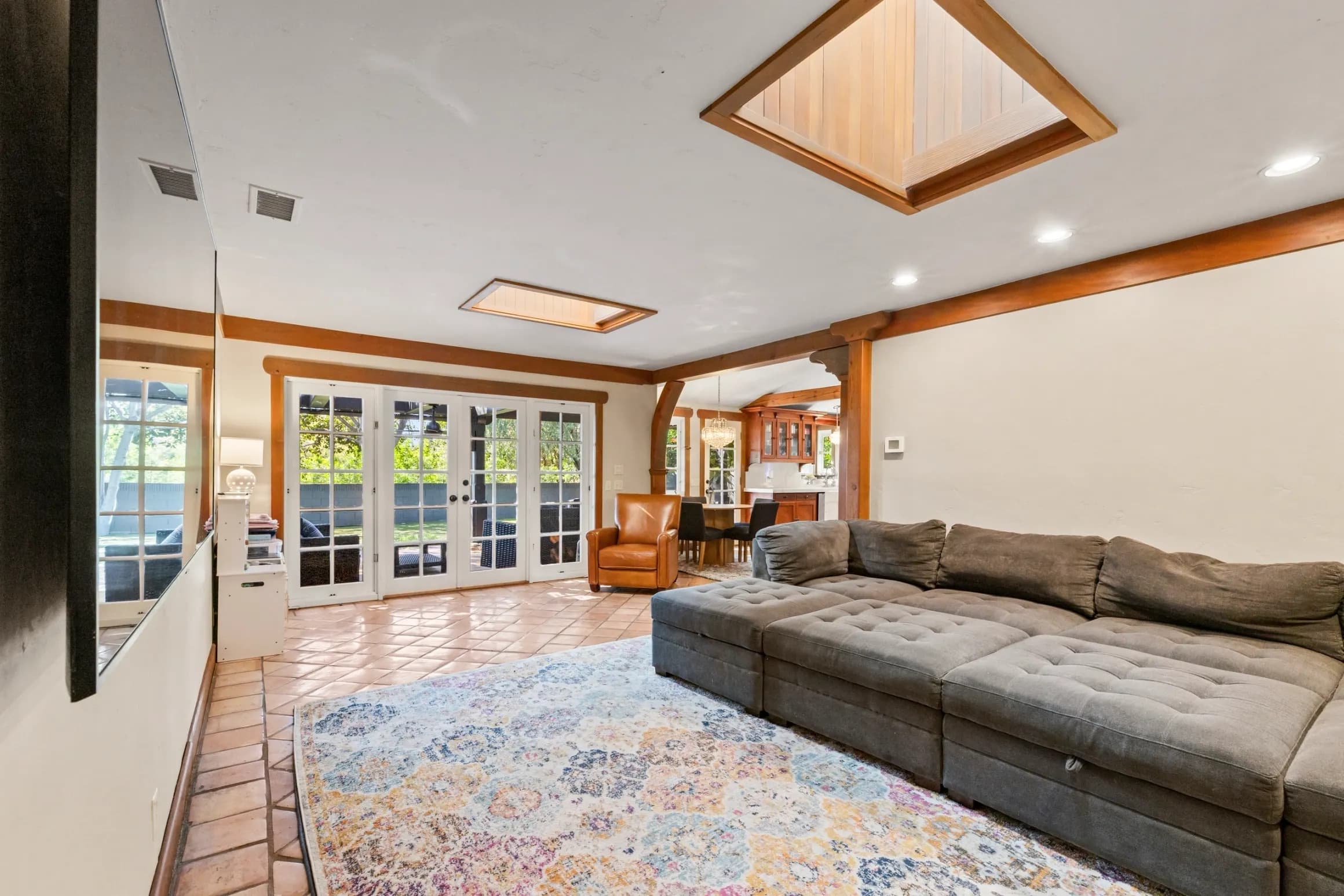
Remote work also reprices the HOUSE itself, and Claremont's stock holds the repriced features in unusual depth. THE WORKSPACE: the dedicated home office went from nice-to-have to load-bearing, and the town's larger-lot stock — the ranch layer's spare bedrooms and dens, the older homes' odd extra rooms — supplies it; the ADU supplies its deluxe version, the detached office. THE DAYS-AT-HOME DIVIDEND: a household home five days weekly consumes its neighborhood differently — the walkable Village, the trail at the street's end, the daytime quiet — so the amenities that were weekend goods became everyday goods, worth more per dollar. And THE QUALITY-OF-ENVIRONMENT premium generally: people staring at their own walls all week pay more attention to which walls; the character stock this site documents benefits from that attention. None of this required Claremont to change — the shift simply moved demand toward what the town already was, which is the best kind of luck.
The honest caveats
The analysis needs its disclaimers stated plainly. HYBRID IS THE MODE: the dominant pattern is fewer office days, not none — so commute geography still matters, just at reduced weight; the radius stretched, it did not dissolve, and the relocation guide's drive-your-real-commute advice stands. POLICIES MOVE: return-to-office pendulum swings are real, employer by employer, and a household betting its geography on a permanent policy should bet conservatively — buy a commute you could live with at higher frequency than today's. THE EFFECT IS PRICED CONTINUOUSLY: markets learn, and whatever premium the shift created is progressively capitalized — this is a structural explanation of demand, not a timing signal. And THE FLOW CUTS BOTH WAYS: the same geometry that lets households choose Claremont over closer-in towns lets others leapfrog past it to cheaper, farther markets; the town's net position depends on its home-half strength, which — per everything this site documents — is exactly where Claremont is strongest. Structure, not slogan: remote work did not make this town; it widened the audience for what the town already does. This is general information; current work-pattern data and market numbers belong to live sources.
Anthony Grynchal has been licensed in California since November 2009 — long enough to have sold the same houses under both geometries — and the change he actually observes is simple: the home-office question moved from the tour's last five minutes to its first five.
Frequently asked questions
How did remote work affect the Claremont housing market?
Structurally, by extending the viable radius around the region's job centers: fewer commute-days make the same distance cost less life, and towns at the radius's edge — Claremont's exact geography — gained buyers who previously ruled them out on distance. The fully-remote household goes further, choosing on home-half quality alone, which is the town's whole product.
What home features did remote work make more valuable?
The dedicated workspace above all — spare bedrooms, dens, and the detached-office ADU — plus the days-at-home dividend: walkable amenities and neighborhood quality consumed daily instead of on weekends. Claremont's larger-lot older stock supplies both in unusual depth.
Should I buy a home assuming I'll stay remote?
Bet conservatively: hybrid is the dominant mode, return-to-office policies swing employer by employer, and the prudent purchase is a commute you could live with at higher frequency than today's. The radius stretched; it did not dissolve — drive the real commute before deciding.
Is the remote-work premium still ahead for towns like Claremont?
Treat it as structure, not timing: markets capitalize the shift continuously, so this is an explanation of demand rather than a signal. The durable point is that remote work widened the audience for what Claremont already does — and the town's net position rides on its home-half strength.

Written by
Anthony Grynchal
Anthony Grynchal is a California real estate professional with eXp Realty, licensed since November 2009 (California DRE# 01873626), and the Designated Local Expert™ for Claremont — where he has lived for more than 33 years.
More about AnthonyPublished · Updated