A town that lives outdoors has more open flame in it than a town that does not.
Not dramatically more. But grills, patio heaters, candles, warming equipment, and vehicles parked on dry ground are all ordinary features of outdoor public life, and they concentrate in the places where people gather.
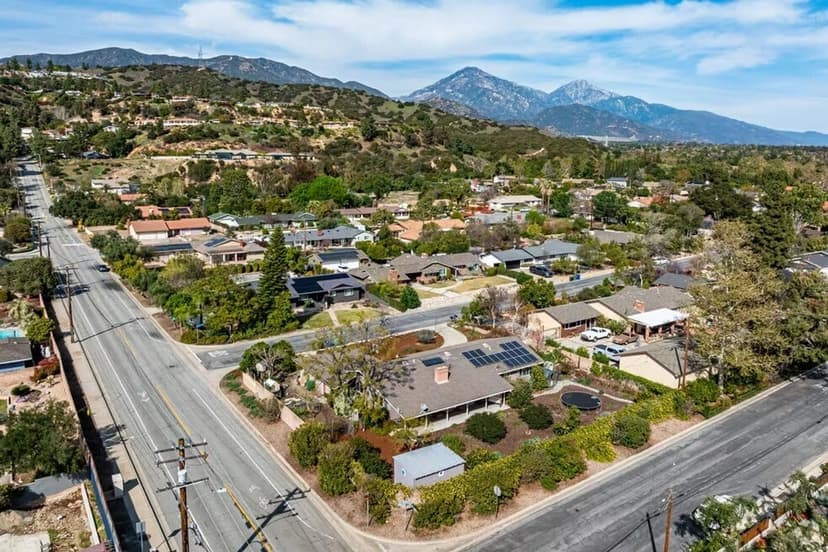
For a household near one of those places, and particularly for anyone at the foothill edge, this is a straightforward property question with straightforward answers.
The exposures worth understanding
Three of them, and they are different problems.
Ember exposure. The dominant mechanism in Southern California structure loss is not a wall of flame arriving. It is airborne embers landing on a roof, in a gutter, in a vent, or in fine dry material against a wall. Anything that produces embers upwind is worth thinking about, and so is everything on your own property that would catch one.
Point ignition near the property line. Cooking equipment, heaters, and vehicles with hot exhaust parked over dry vegetation. Localized, usually well managed, and worth knowing where it happens relative to your lot.
Access under crowd conditions. The most consequential of the three and the least discussed. A street parked full on both sides is a street that fire apparatus may struggle to work in, which is the same constraint examined for medical response in can an ambulance reach you on a crowded Saturday.
The parts of a house that decide the outcome
This list is not specific to gathering places. It is the general Southern California list, and proximity to outdoor activity simply raises the value of getting it right.
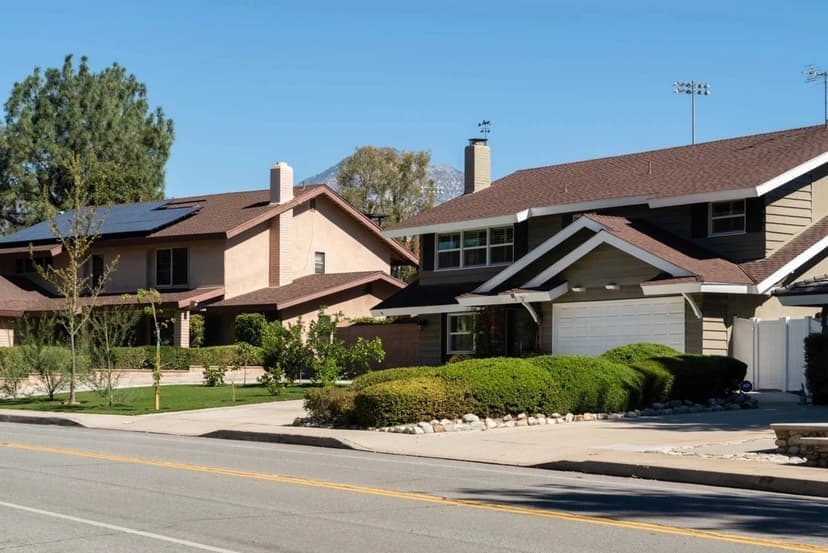
- Roof covering and its condition. The single largest factor, and the one with the longest replacement cycle.
- Gutters and roof valleys. Accumulated dry debris is receptive fuel sitting on the most exposed surface of the building.
- Vents. Attic and crawlspace openings are an ember pathway into the structure. Screening standards exist and have changed over time.
- Eaves and undersides. Open framing catches and holds what enclosed construction does not.
- The first several feet around the building. What is planted, stored, or stacked immediately against a wall matters more than anything further out.
- Fencing material where it meets the structure. A combustible fence attached to a house is a wick.
- Decks and what is stored under them. A common and easily corrected problem.
Applicable construction and defensible-space requirements vary by location and are set and updated by state and local authorities, including the Claremont Fire Department and the City of Claremont. Verify current standards for a specific address rather than working from any general list.
The canopy question
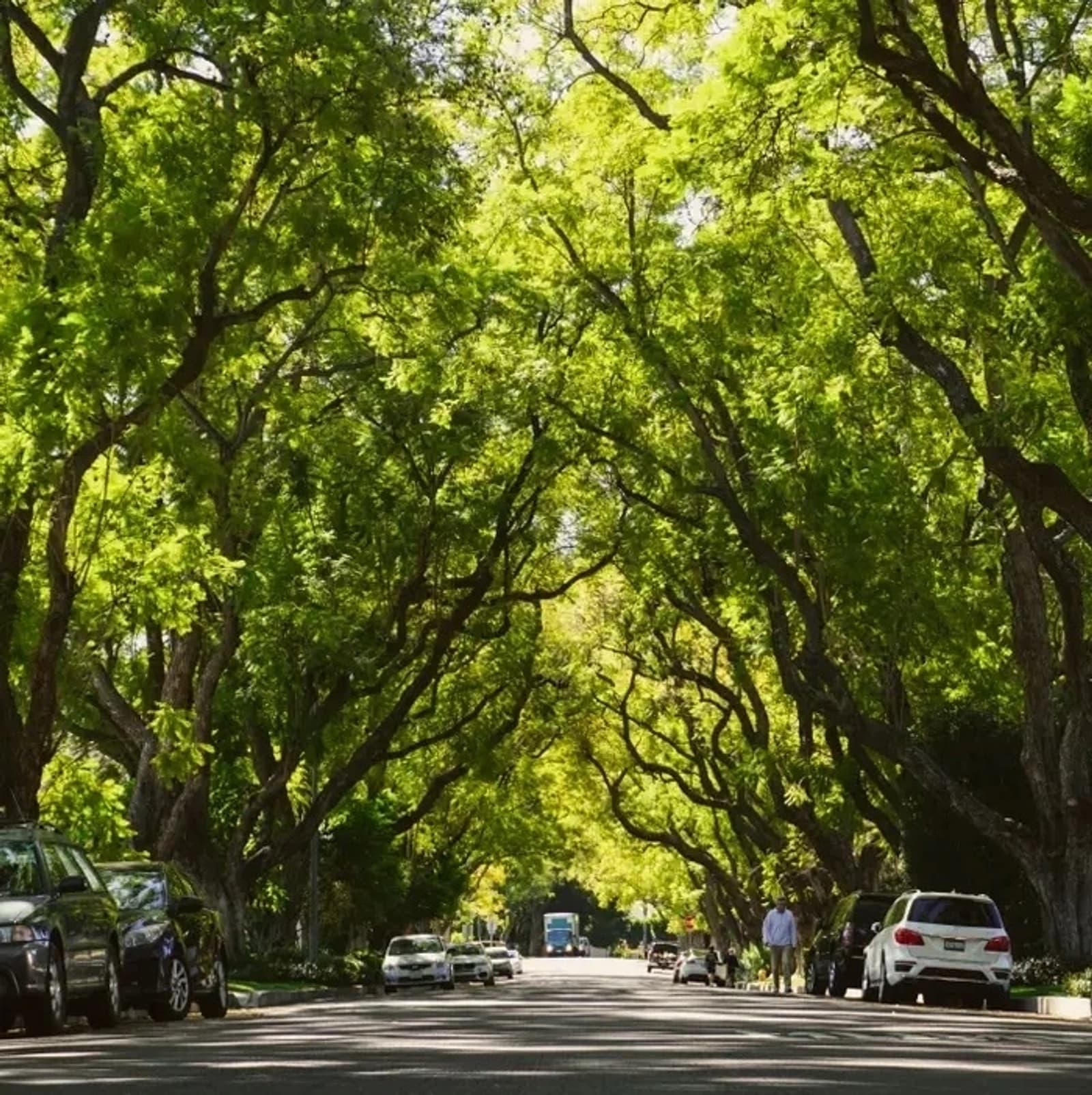
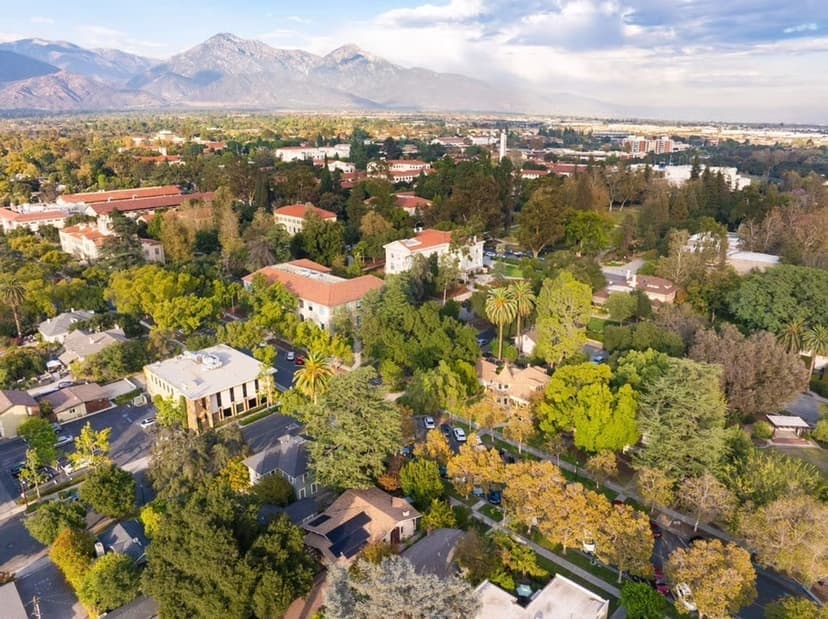
Mature street trees are one of this town's defining features, and residents are right to value them.
They are also vegetation, they drop material continuously, and that material collects in gutters, valleys, and the strip against a building. The response is maintenance rather than removal, and it is seasonal work rather than one-time work.
Well-maintained mature landscaping is not the risk. Neglected accumulation is, and near a heavily used public space the accumulation arrives faster because there is simply more traffic moving material around, as anyone who has watched the morning after on a lively block will recognize.
Insurance is part of this conversation
California property insurance has been a moving landscape, and terms, availability, and requirements change.
What is worth doing rather than assuming: talk to your insurance professional about the specific address, including any hazard designation that applies to it, before you are committed to a purchase. Some carriers ask about mitigation work, some about roof age and material, and requirements shift.
Do not assume that a home in an established neighborhood is automatically straightforward to insure, and do not assume that a quote for a nearby property transfers to this one.
The practical walk-through
Twenty minutes at the property, ideally in dry conditions.
- Look up at the roof edge and the gutters. Is there accumulated material?
- Walk the perimeter and look at the first few feet against every wall.
- Look under any deck or raised structure.
- Find the vents and look at their condition.
- Check where combustible fencing attaches to the building.
- Stand in the street and ask whether apparatus could work here with cars parked on both sides.
Most of what you find is routine maintenance. Occasionally you find something worth addressing before anything else on the property.
What to do with what you find
Nothing on this list is exotic or expensive relative to the rest of homeownership. Gutter clearing, perimeter cleanup, vent screening, and moving stored material out from under a deck are all modest work with a disproportionate effect.
The larger items, roof replacement in particular, belong in a long-term plan rather than a panic. Ask a qualified roofing professional about condition and remaining life, and ask the fire authority about current requirements for the address.
Where to take it next
The local events and civic life hub covers the rest of the questions about living near where a town gathers.
Fire safety requirements, defensible-space standards, hazard designations, and permitted uses of open flame are set by state and local authorities and change over time. Verify current rules for a specific property with the Claremont Fire Department and the City of Claremont, and discuss coverage with a licensed insurance professional. Anthony Grynchal has been licensed in California since November 2009.
Frequently asked questions
Is a home near a public gathering place at higher fire risk?
Not inherently. Outdoor public life involves more open flame in the vicinity, but the factors that decide a structure's outcome are its own roof, vents, gutters, and the first several feet around it. Those are the same anywhere in the region.
Do mature street trees increase risk?
Well-maintained canopy is not the problem; accumulated dry debris in gutters, valleys, and against walls is. Treat it as recurring seasonal maintenance rather than a reason to remove trees, and confirm any tree work rules with the City of Claremont.
Can fire apparatus work on a street parked full on both sides?
It depends on street width and the specific apparatus, which is why access standards exist. Concerns about a particular street should go to the Claremont Fire Department, which sets and enforces the requirements.
Should I check insurance before buying near a gathering place?
Check insurance before buying anywhere in this region. Availability and terms vary by address and have changed considerably, so speak with a licensed insurance professional about the specific property rather than assuming a nearby quote applies.

Written by
Anthony Grynchal
Anthony Grynchal is a California real estate professional with eXp Realty, licensed since November 2009 (California DRE# 01873626), and the Designated Local Expert™ for Claremont — where he has lived for more than 33 years.
More about AnthonyPublished · Updated