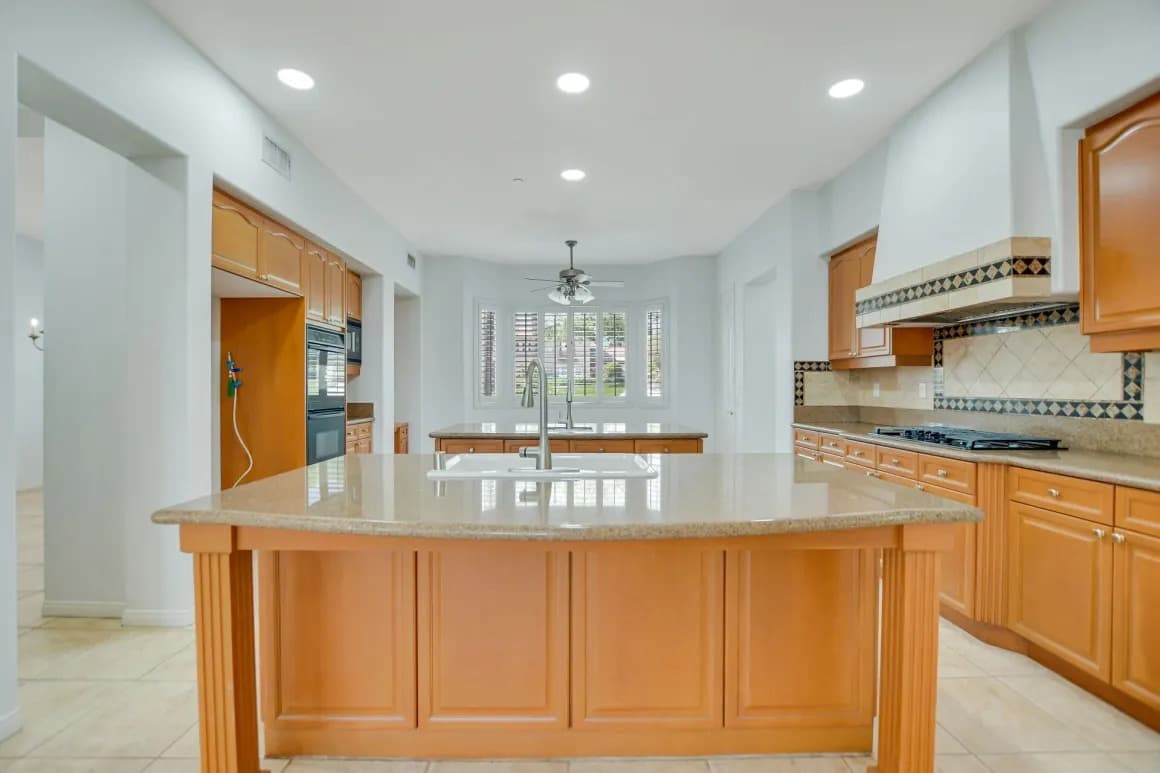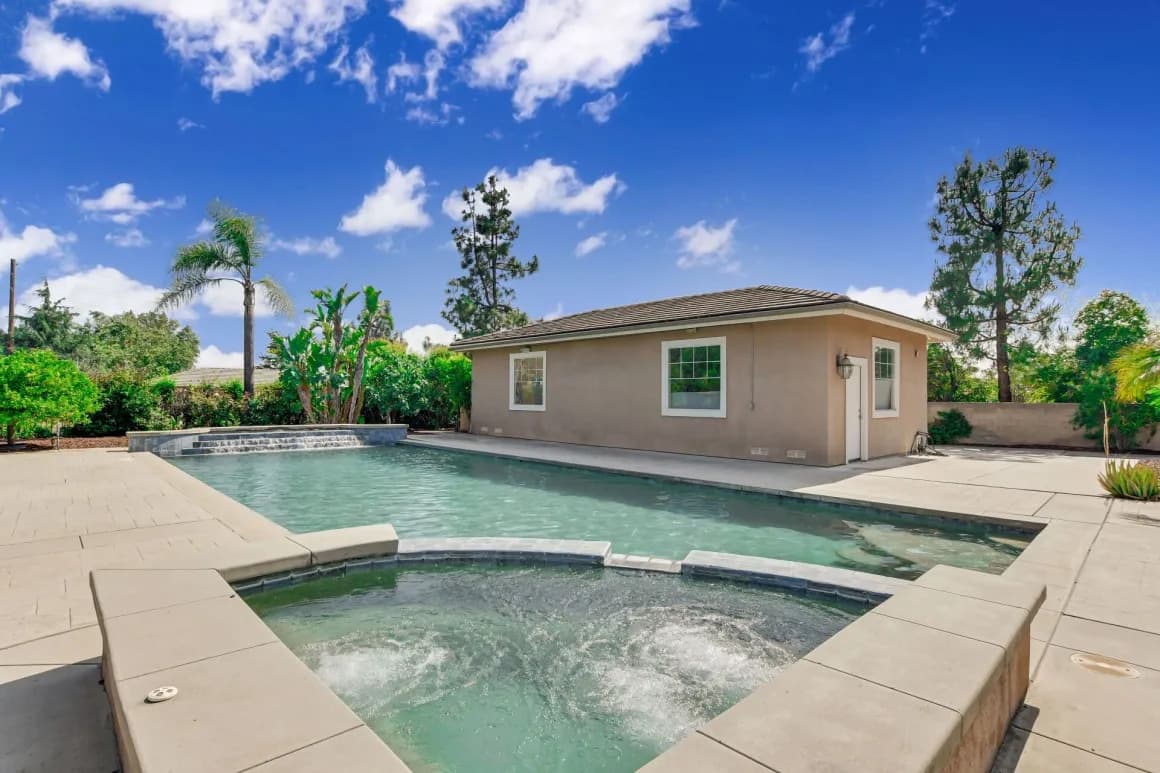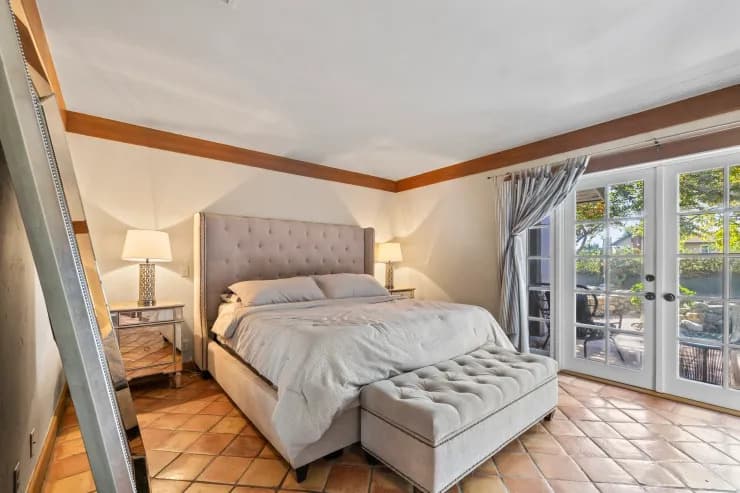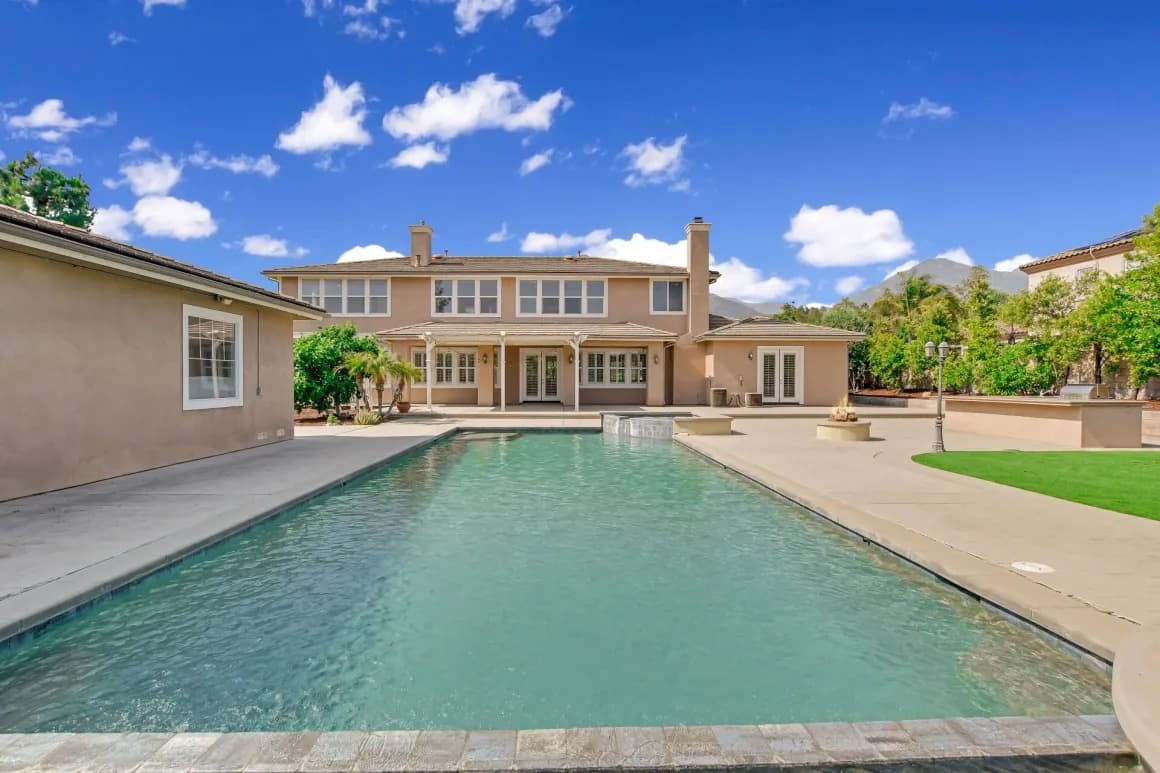
At the top of the Claremont market a buyer eventually faces a genuine fork: a recently built or comprehensively rebuilt house, or an older property with architectural character and a piece of ground that could not be assembled today.
The marketing on both sides is loud. New is presented as worry-free; old is presented as irreplaceable. Both claims are partly true. Here is the comparison without the gloss.
Land is the argument for the older property
Claremont's larger parcels, its hillside positions and its mature landscape were established decades ago and cannot be reproduced. Where a new house exists at the top of this market, it usually sits on ground that was already there — a rebuild, a heavy remodel, or a replacement house on an established lot.
That matters because the permanent characteristics of a property, the ones that survive every future renovation, are almost entirely about the site: how big it is, how it sits, what it looks out on, how private it feels, what grows on it.
An older estate is often the only route to those characteristics. You can modernize a kitchen. You cannot move a house closer to the foothills.
Systems and construction are the argument for new
The counterweight is real and buyers underestimate it. An older Claremont house may carry original or partly updated electrical, plumbing that has been repaired rather than replaced, a heating system approaching the end of its life, single-glazed windows, insulation levels from another era, and a roof with a countdown attached.
Newer construction generally means current wiring capacity, modern plumbing materials, better envelope performance, current seismic detailing, and systems whose remaining life is measured in decades rather than seasons.
None of that is glamorous and all of it is expensive to retrofit. The realistic way to compare the two options is to price the older house AS IT WILL BE after the work you know it needs, not as it stands.
Renovation risk cuts one way
The predictable part of buying older is that some work is coming. The unpredictable part is what opening a wall reveals.
On a significant older Claremont property the common surprises are structural additions done in earlier eras to earlier standards, drainage and retaining work on sloped sites, sub-slab plumbing, and past remodels done without permits — which become the current owner's problem the moment a new permit is pulled.
A buyer's protection is diligence depth, not optimism. Specialty inspections where the general inspector's reach ends, permit history pulled from the city, and enough contingency time to actually use the reports. The estate version of that process is set out in inspecting a Claremont estate.
New construction has its own risks, which are different rather than absent: workmanship variation, a warranty whose terms matter more than its existence, landscape and drainage that have not been through a full wet season, and, on a replacement house, whatever site conditions were built over.
Character is an asset with a narrower market
Provenance — the architect's name, the era, the documented history — genuinely adds value in Claremont, a town that pays attention to its own building stock. It also narrows the buyer pool, because a period house asks a buyer to accept its logic rather than the open-plan conventions a new house is built around.
That trade shows up at resale in both directions. A well-documented character property with the right buyer can be difficult to replace and priced accordingly. The same property in a slow stretch may take longer to find that buyer.
Where a period or architect-designed home is being sold, the presentation task is specific and is covered in selling an architect-designed home in Claremont.
Ongoing cost and the rules attached
Older properties tend to carry more maintenance, more specialized trades, and, if the property sits in a historic overlay or carries a preservation agreement, real constraints on what can be changed and how. Those constraints frequently come with obligations and sometimes with benefits, and both belong in the diligence file rather than in the assumptions.
Insurance is worth checking early on an older property, because construction era, roof age, electrical type and defensible space around the structure all influence what carriers are willing to write. That question is best answered before the contingency period closes, not after.
A newer house is generally simpler on both counts, though a large new house is not a low-maintenance house — it is a house with more of everything to maintain.
How to decide
Two questions settle most of it.
First: is the land itself the reason you want the property? If the parcel, the position or the outlook is what you are buying, the older house is usually the only way to get it, and the construction issues are a cost to be quantified rather than a reason to walk.
Second: what is your real appetite for a project? Not your enthusiasm on a good Saturday — your appetite for a year of decisions, permits, contractors and unplanned costs. Buyers who answer that honestly rarely regret either choice. Buyers who answer it optimistically are the ones who end up selling in three years.
Price both paths fully before choosing: purchase price plus known work plus a contingency for the unknown, against purchase price plus the compromises you are accepting on site and character. They are different assets, and the comparison only works when it is complete.
The wider top-tier process is mapped on the Claremont luxury homes hub. Anthony Grynchal has been licensed in California since November 2009.
Frequently asked questions
Is a new luxury home in Claremont a safer purchase than an older estate?
It is more predictable on systems and construction, not automatically better. Newer construction carries current wiring, plumbing, envelope performance and seismic detailing. Older properties carry the land, position and character that cannot be reproduced. The right comparison prices the older house as it will be after known work.
What usually surprises buyers renovating an older Claremont home?
Structural additions built to earlier standards, drainage and retaining work on sloped sites, sub-slab plumbing, and past remodels done without permits, which become the current owner's problem when a new permit is pulled. Specialty inspections and permit history from the city are the defense.
Does architectural character help or hurt resale?
Both. Documented provenance genuinely adds value in a town that pays attention to its building stock, but it narrows the buyer pool, because a period house asks a buyer to accept its logic rather than open-plan conventions. That can mean a stronger price or a longer search.
Should insurance be checked before buying an older estate?
Yes, and early. Construction era, roof age, electrical type and defensible space around the structure all influence what carriers will write. Confirm the position before the contingency period closes rather than after, so the answer can still inform the decision.

Written by
Anthony Grynchal
Anthony Grynchal is a California real estate professional with eXp Realty, licensed since November 2009 (California DRE# 01873626), and the Designated Local Expert™ for Claremont — where he has lived for more than 33 years.
More about AnthonyPublished · Updated