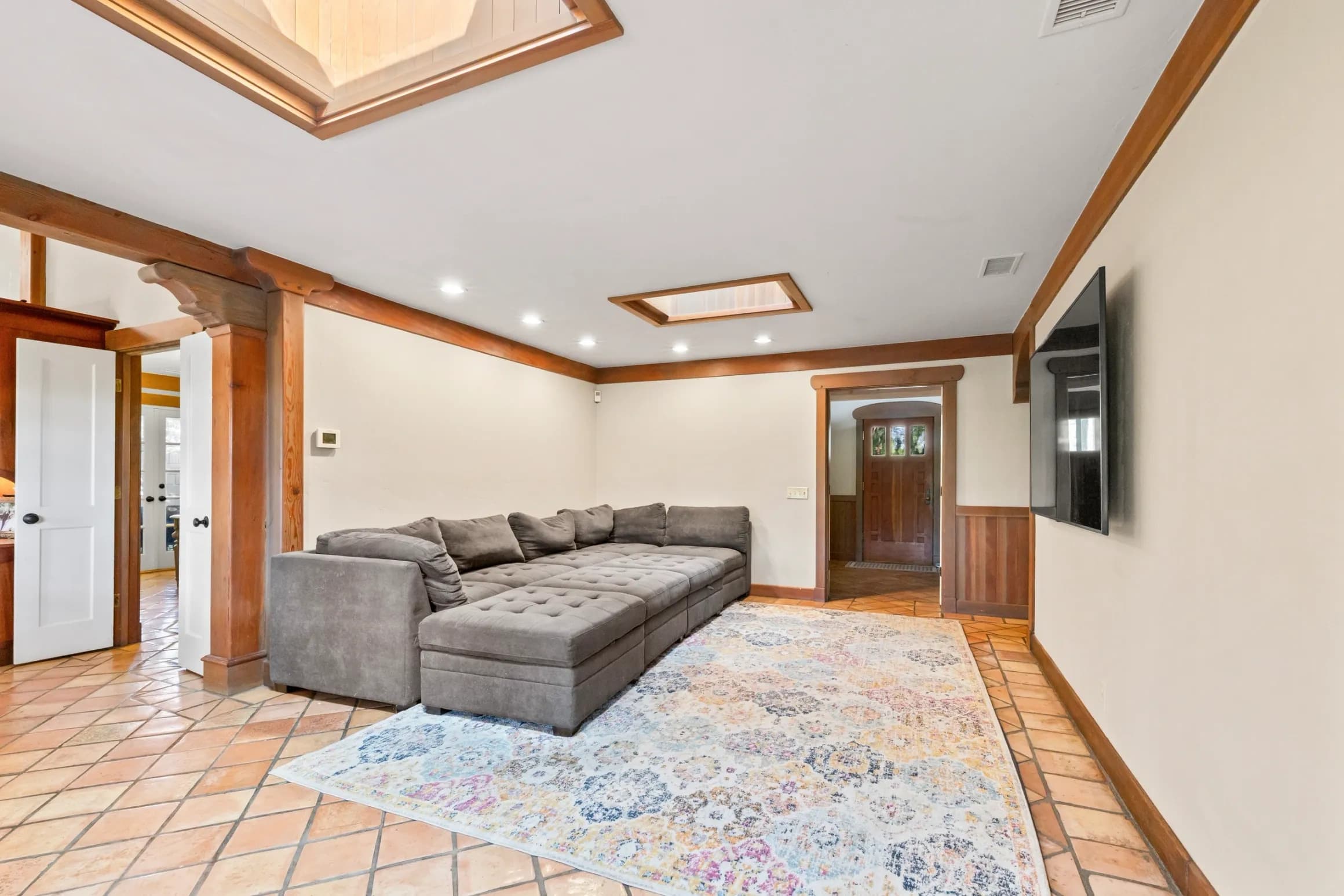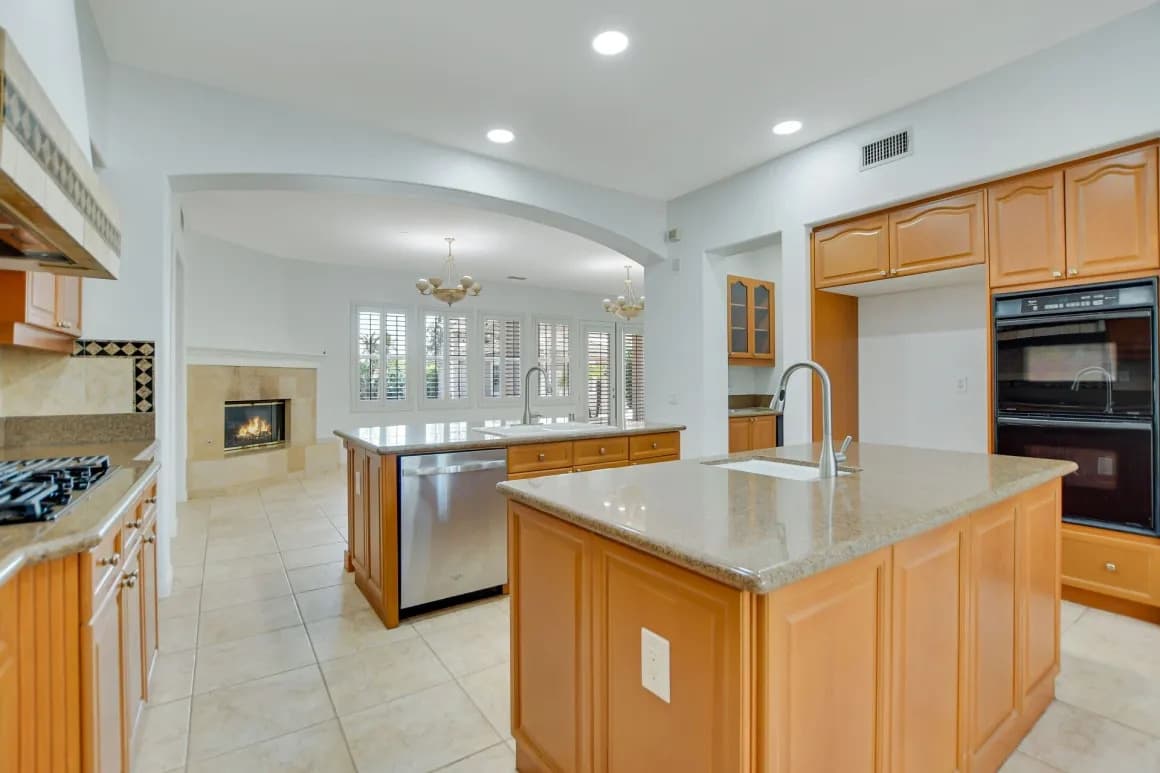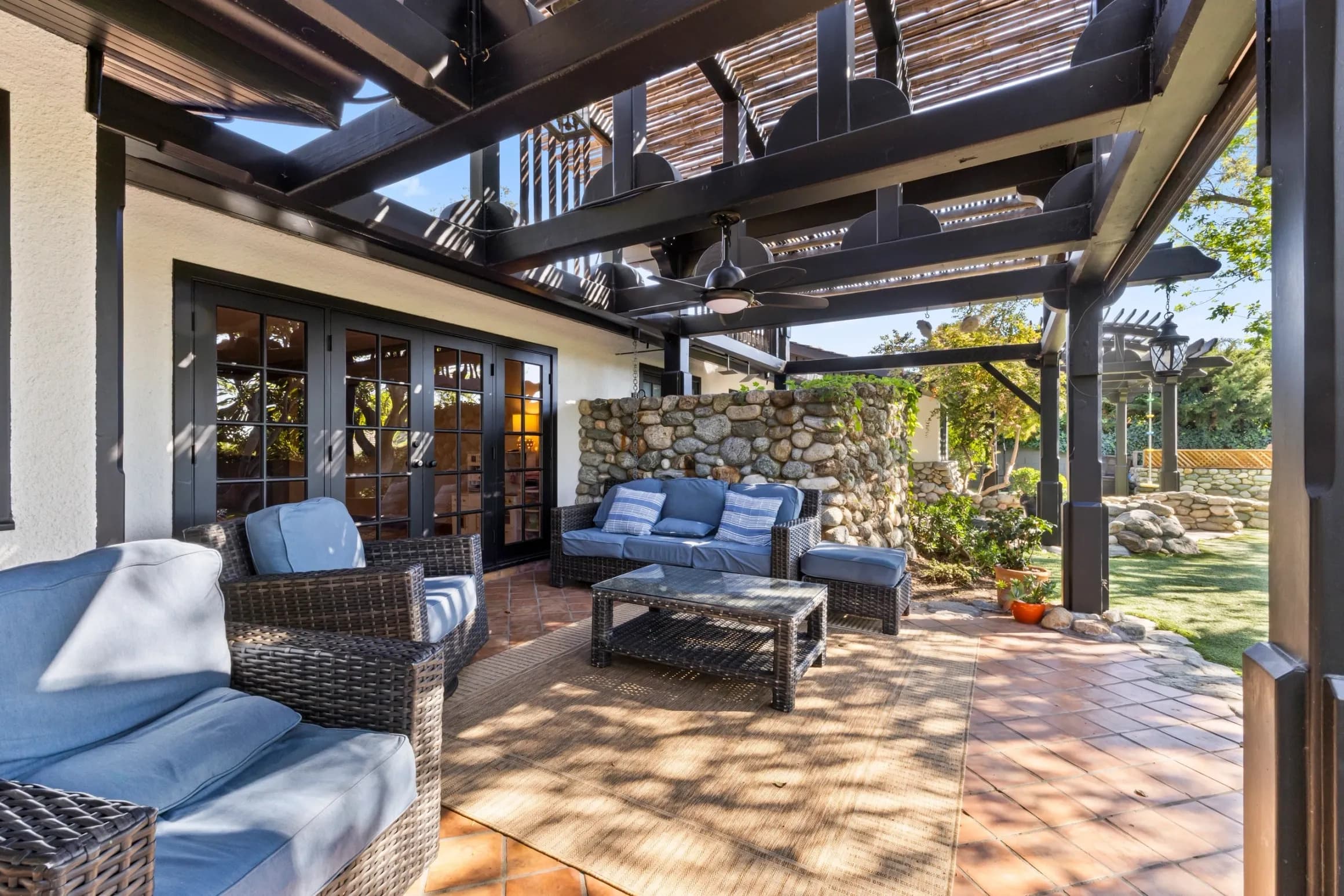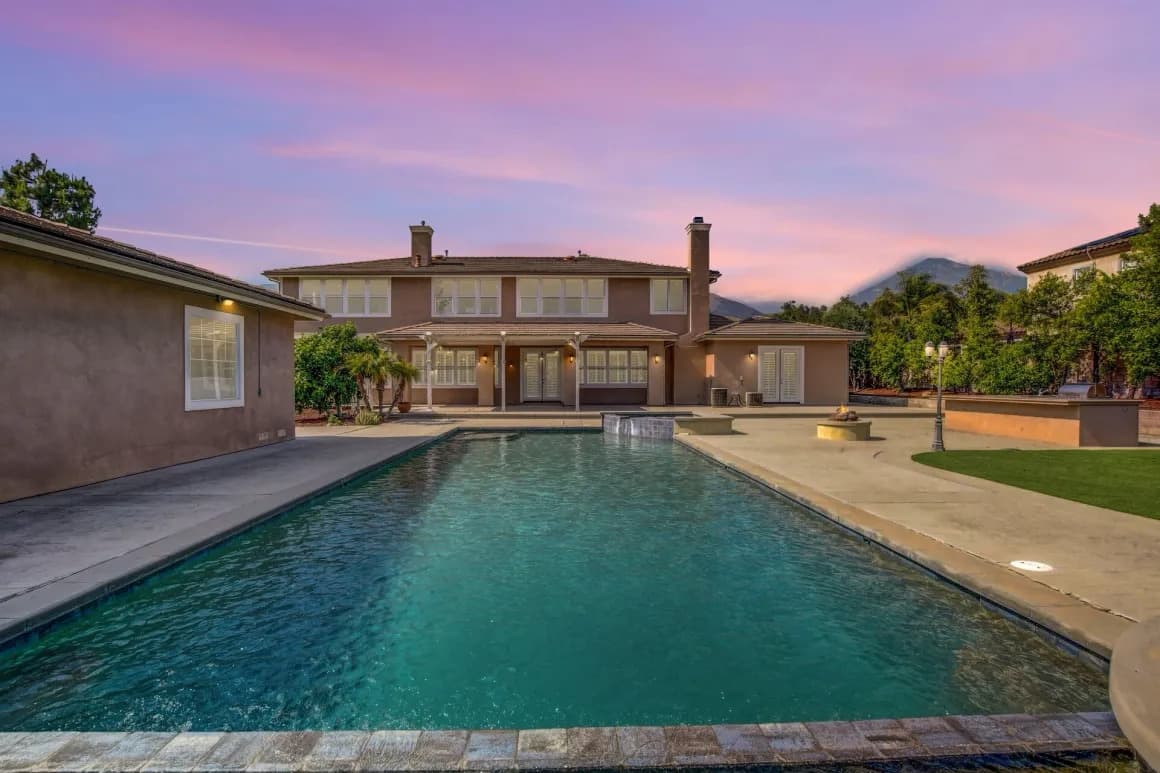
Claremont has a deeper stock of designed houses than a town its size usually carries, a consequence of the Colleges, of a long local interest in architecture, and of hillside lots that attracted architects who wanted to build on difficult ground.
Selling one is a different job from selling a comparable house without that history. Done carelessly, provenance is a line in the remarks that nobody can verify. Done properly, it is the reason the right buyer flies in.
Establish the record before you list
Start with research, not with copy.
Find the documentation. Original plans if the owners hold them. Permit records from the city, which frequently name the designer. Published material — a period magazine feature, a tour listing, a book on the region's architecture, an institutional archive holding the architect's papers. Where a firm still exists, it may hold project records.
Establish what is original and what is not. A designed house that has been remodeled is still a designed house, but a buyer who cares about the architecture will want to know which parts are the architect's and which are a later hand. Being straight about that builds credibility; overstating it destroys it the moment a knowledgeable buyer walks the rooms.
Watch the language. Attribution should be documented rather than implied. A house in the manner of a well-known architect is not a house by that architect, and stating or hinting otherwise is both a marketing failure and a real problem if a buyer relies on it.
Check what the designation actually obliges
Some Claremont properties carry historic status, sit in an overlay district, or are subject to a preservation agreement. Those come with rules about alteration and sometimes with obligations and benefits attached to the property.
Get the position confirmed in writing before listing rather than describing it from memory. Buyers will ask what they can and cannot change, and an accurate answer at the first showing is worth far more than a vague one followed by a correction.
Where a designation restricts change, present it plainly as part of what the property is. Buyers for these houses are frequently reassured rather than deterred, because the same rules protect what they are buying.
Preparation is preservation, not updating
The instinct to modernize before selling is usually wrong here.
The buyer who will pay most for a designed house wants the design. Replacing period cabinetry, original fixtures, distinctive tile or characteristic hardware with current mass-market equivalents removes exactly what that buyer came for, and it does not attract the buyer who wanted a new house, because they will still want a new house.
What does pay is restoration and function. Original elements repaired properly. Finishes cleaned rather than replaced. Systems brought to working order, which is a genuine issue in mid-century and earlier houses where wiring, glazing and heating are frequently original. Windows and doors that operate. Roofing sound.
Where a previous owner made an unsympathetic change, reversing it can be worth real money if it can be done convincingly. Where it cannot, leave it and describe it honestly.
Presentation follows the same logic: furnish to the architecture rather than to a current trend, and edit hard so the building reads. That approach is set out in luxury home staging in Claremont.
Photograph the building, not the styling
Designed houses reward a photographer who understands them and punish one who does not.
What matters is the architecture: sight lines through the plan, the relationship of the house to its site, the specific quality of the light the architect was working with, the details that are the point of the building. Verticals straight, a lens that does not distort the geometry, and time of day chosen for the house rather than for convenience.
A measured floor plan is close to essential. Buyers for these houses think in plan, and many are evaluating from a distance.
Include the documentation in the marketing package. A copy of an original drawing, a period photograph, a published feature — these do more than any adjective, because they are evidence rather than assertion. The wider approach to reaching buyers is in marketing Claremont estates.
The buyer pool is narrow, specific and reachable
Buyers who specifically want a designed house are fewer than the buyers for a comparable conventional home, and they are much easier to find, because they follow architecture rather than browsing generally.
That changes the sale's rhythm. Exposure needs to reach beyond the local market. Time to market may be longer, and it should be planned for rather than treated as a failure — the point made in pricing without perfect comps applies with force here, because provenance is precisely the attribute a comparable-sales grid cannot hold.
Expect knowledgeable questions and prepare for them. Buyers at this end frequently know the architect's work better than the seller does, and a listing agent who cannot discuss the building intelligently costs the seller credibility in the first ten minutes.
The mistake to avoid
The single most expensive error is treating a designed house as square footage with a story attached: pricing it as a comparable house, photographing it like any other listing, and mentioning the architect in the final line of the remarks.
If the architecture is the value, it has to be the subject — researched, documented, restored where needed, photographed properly, and put in front of people who are looking for exactly it.
The wider top-tier process is mapped on the Claremont luxury homes hub. Anthony Grynchal has been licensed in California since November 2009.
Frequently asked questions
How do I confirm who designed my Claremont house?
Look for original plans held by the owners, permit records from the city, which frequently name the designer, published material such as period features or regional architecture books, institutional archives holding the architect's papers, and project records if the firm still exists.
Should I modernize a period home before selling?
Generally no. The buyer who will pay most wants the design, so removing period cabinetry, fixtures or tile removes what they came for without attracting a buyer who wants new construction. Restore original elements and bring systems to working order instead.
Does historic designation make a Claremont home harder to sell?
Not usually, provided the position is confirmed in writing before listing and presented plainly. Buyers for these houses are frequently reassured by rules that protect what they are buying. What damages a sale is a vague answer followed by a correction.
Can I market a house as being by a well-known architect?
Only where the attribution is documented. A house in the manner of an architect is not a house by that architect, and implying otherwise is both a marketing failure and a real problem if a buyer relies on the claim. Document it or describe it accurately.

Written by
Anthony Grynchal
Anthony Grynchal is a California real estate professional with eXp Realty, licensed since November 2009 (California DRE# 01873626), and the Designated Local Expert™ for Claremont — where he has lived for more than 33 years.
More about AnthonyPublished · Updated