The MLS entry is the floor of an estate marketing plan, not the plan. It is a database record. It syndicates, it feeds the portals, it tells every agent in the region that the property exists, and for an ordinary house that is most of the job, because the buyer pool is large and the portals reach it.
At the top of the Claremont market the arithmetic changes. The pool of buyers for a specific significant property is small, often not local, and frequently not scrolling listings at all on the week your home goes live. Reaching them takes work the MLS was never designed to do.
Start with documentation, not adjectives
The single most underrated marketing asset for a Claremont estate is the PAPER. Not brochure copy — records.
Permits for the guest house, the pool, the retaining walls and any converted space. Plans, if they survive. The architect's name and, where it exists, the archive that holds the drawings. Well or irrigation records on larger parcels. Arborist reports on significant trees. Warranties on roofing, systems and recent structural work.
Two things happen when a listing arrives with a documented file. Diligence gets faster, which materially reduces the chance a deal stalls in the contingency period. And the story becomes checkable, which is what separates a property described as special from one demonstrated to be. Buyers at this level, and their advisors, are looking for reasons to trust the presentation. Give them evidence rather than superlatives.
Assemble the file BEFORE the listing goes live. Chasing a permit history from the city while an interested buyer waits is how a strong position turns into a defensive one.
Imagery has to survive a large screen
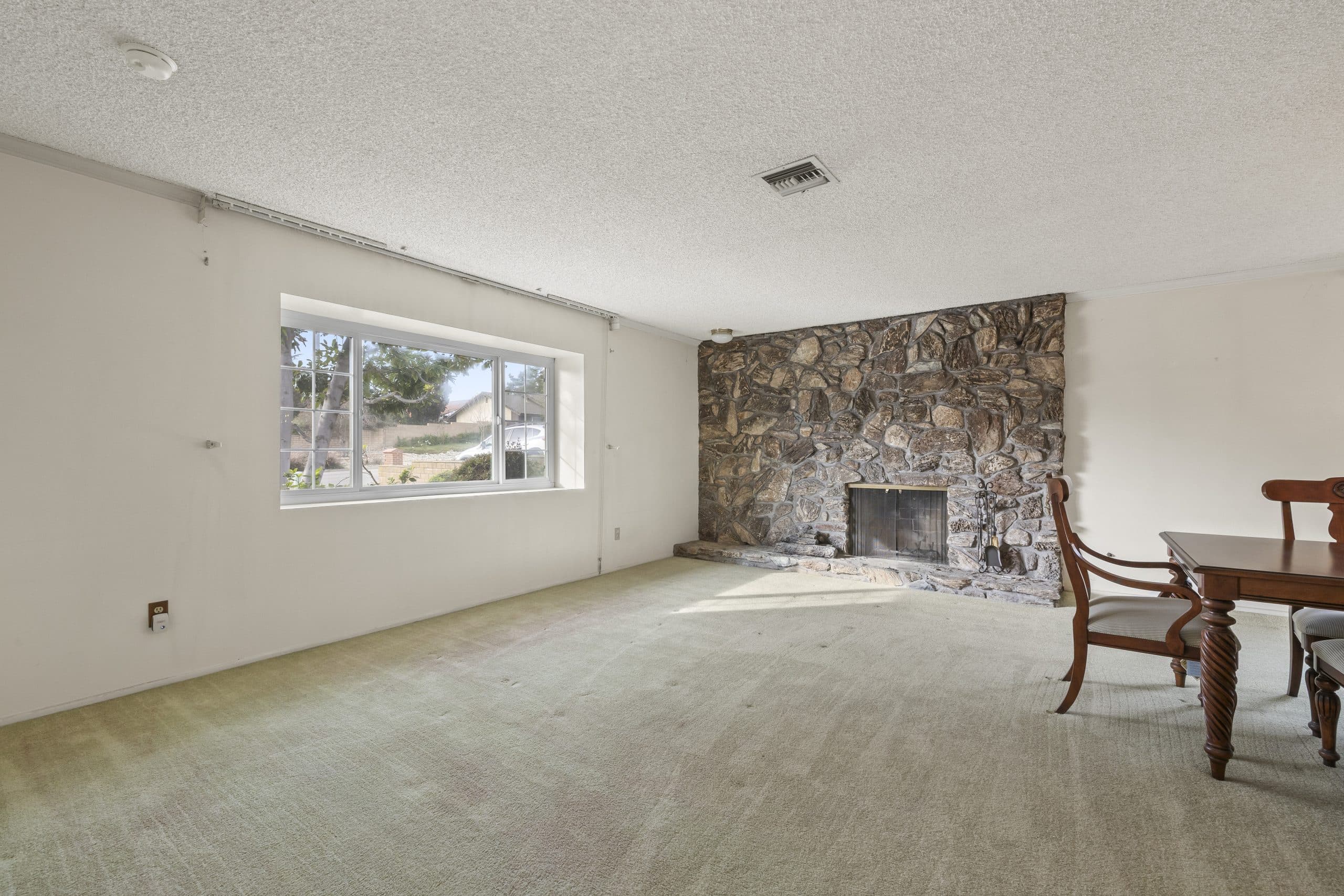
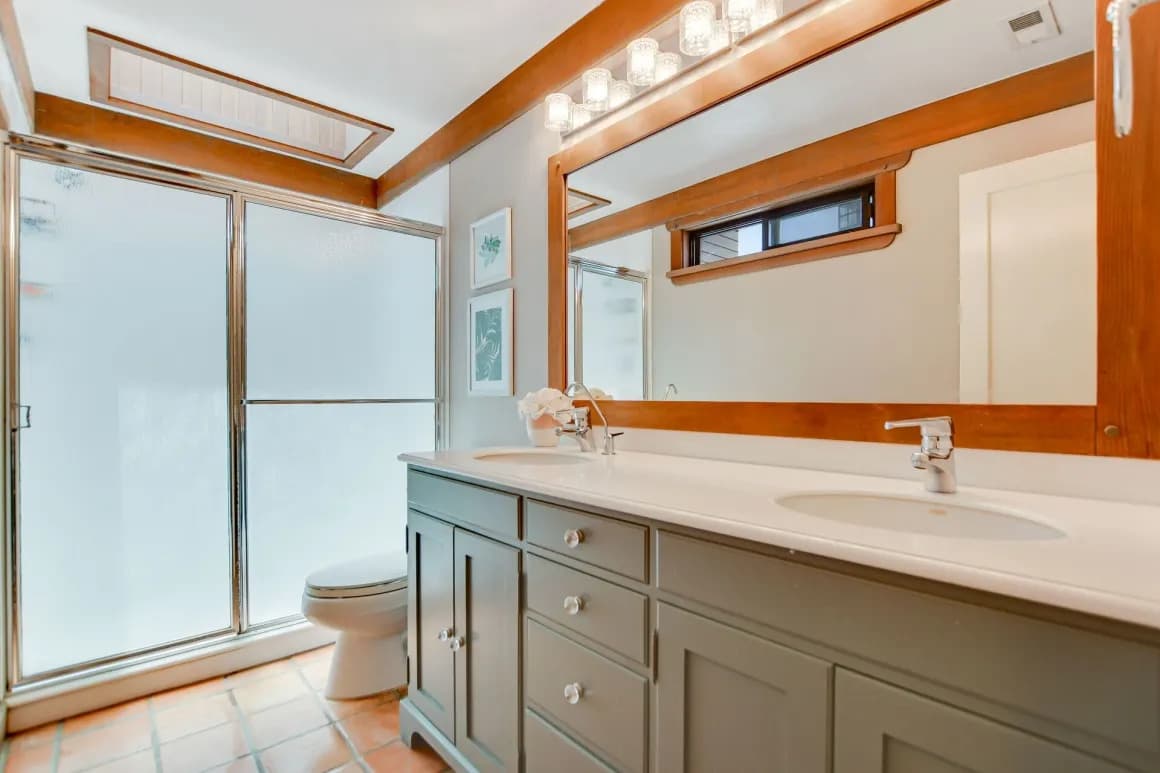
Photography for an estate is not the same job as photography for a tract house, and the difference is mostly discipline. Interiors at this scale need light that is actually there rather than composited in, verticals that stand up straight, and a shot list built around the rooms and sight lines that matter instead of a fixed count.
Film earns its place when the property has something a still cannot carry: a sequence of spaces, a walk down a drive, the way a view opens as you turn a corner. It does not earn its place as a drone reel with music over it, which is now so common it reads as filler.
Floor plans are worth more than they cost. Buyers considering a property from a distance want to understand how it works, and a measured plan answers questions that fifty photographs leave open. On a multi-structure property, a simple site plan showing the main house, accessory structures and how the land is used is often the most-studied document in the package.
All of it depends on the house being ready. What preparation actually changes at this level is covered in luxury home staging in Claremont.
Placement: fewer venues, chosen deliberately
Portal syndication happens automatically and reaches the buyers who are already searching. That is genuinely useful and it costs nothing extra, so it should be complete and accurate — full remarks, correct lot data, every field populated.
Beyond that, placement should be a set of decisions rather than a package. A property with real architectural significance belongs in front of people who follow architecture. A property whose value is the land belongs in front of buyers who search on acreage rather than square footage. Print still functions here in a narrow way: not as advertising volume, but as a physical piece good enough that a buyer keeps it and a neighbor passes it along.
The honest test for any paid placement is whether you can name the buyer it is meant to reach. If the answer is a vague gesture at affluence, it is spending, not marketing.
The network does the work the internet cannot
A meaningful share of top-tier movement in this town happens through conversations: agents who represent buyers waiting for a specific street, owners who have said quietly that the right offer would be considered, professionals whose clients are planning a move a year out.
Working that network is not the same thing as selling off market. A listing can be fully public and still be actively introduced, one call at a time, to the small number of people most likely to want it. That combination — full exposure plus deliberate outreach — is usually the strongest position a seller can hold, because it captures both the buyer who was searching and the buyer who was not.
Where the property is architect-designed, the outreach is more specific still, and the presentation itself changes; that case is treated separately in selling an architect-designed home in Claremont.
Restraint is a marketing decision
Claremont's top tier does not respond well to volume. Language that oversells reads as a warning to buyers who know the town, and a presentation that strains for glamour tends to make a genuinely good property look uncertain of itself.
The tone that works is plain and specific: what the property is, what it sits on, what has been done to it and when, what the buyer is actually acquiring. Let scale, siting and provenance do the persuading. Marketing at this level is mostly the removal of noise.
What to ask a listing agent
Before signing, ask for the plan in writing and read it for specifics. Who exactly is this reaching, and how. What is being documented before launch. Who is shooting it and what is the shot list. What is public, what is by appointment, and what is the sequence over the first month rather than the first weekend.
A plan that is a list of platforms is a template. A plan that names an audience and a sequence was built for the property.
The wider process — pricing judgment, showing protocol, the deal itself — is mapped on the Claremont luxury homes hub, and the market context sits in how Claremont's top tier works. Anthony Grynchal has been licensed in California since November 2009.
Frequently asked questions
Is the MLS enough to sell a luxury home in Claremont?
It is necessary but rarely sufficient. The MLS reaches buyers already searching and feeds the portals, which matters. It does not reach the small, often non-local group most likely to want one specific significant property, and it does nothing to document the property so that diligence goes smoothly.
What documents should be ready before an estate listing goes live?
Permits for the main house and every accessory structure, plans where they exist, records for pools, wells and irrigation, arborist reports on significant trees, warranties on recent roofing and systems work, and any architect or historical records. Assembling them before launch prevents a contingency-period stall.
Does video help sell a high-end Claremont property?
Only when the property has something a photograph cannot carry, such as a sequence of spaces or the way a view opens. A generic drone reel adds little. A measured floor plan and, on larger parcels, a site plan usually do more work than film does.
Can a home be publicly listed and still marketed discreetly?
Yes, and it is often the strongest position. The listing gets full exposure while showings run by appointment and outreach happens through direct conversations. That captures both the buyer who was actively searching and the one who was not.

Written by
Anthony Grynchal
Anthony Grynchal is a California real estate professional with eXp Realty, licensed since November 2009 (California DRE# 01873626), and the Designated Local Expert™ for Claremont — where he has lived for more than 33 years.
More about AnthonyPublished · Updated