Setting the first number on a distinctive property is a judgment call made with incomplete information. That is unavoidable, and the reasoning behind it is set out in pricing a Claremont luxury home without perfect comps.
This is the sequel. Once the property has been on the market and the market has responded, you have information you did not have on day one. The question is how to read it, and whether the answer is a new number or something else entirely.
First, separate the three failure modes
A listing that is not selling has one of three problems, and they call for opposite responses.
A REACH problem means the right buyers have not seen it. A PRESENTATION problem means they saw it and did not engage. A PRICE problem means they saw it, understood it, and concluded it was not worth the number.
Cutting the price fixes only the third. Applied to the first two it burns value while leaving the actual cause in place, and it does so publicly.
How to tell them apart
The distinction is legible in behaviour rather than in any single metric.
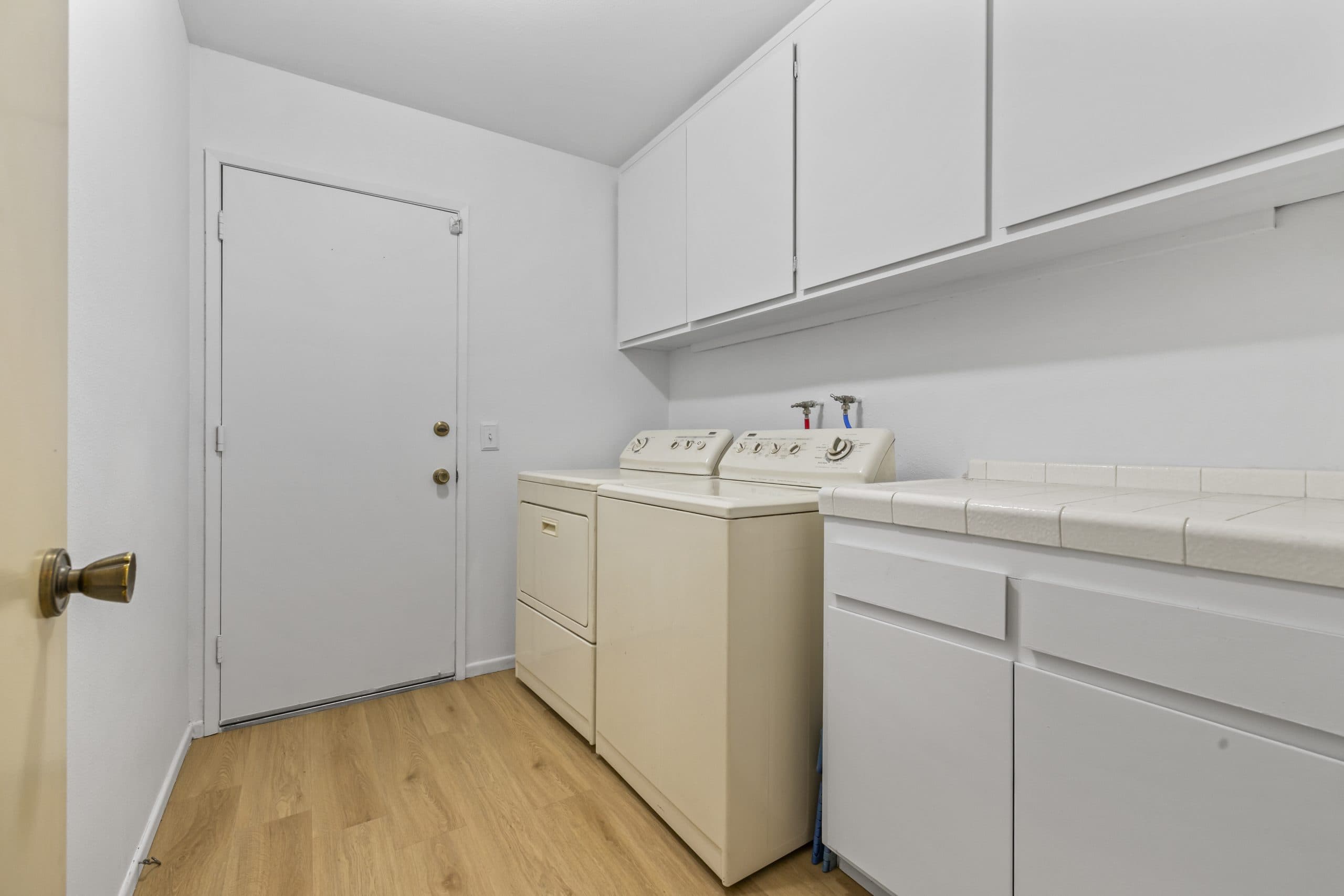
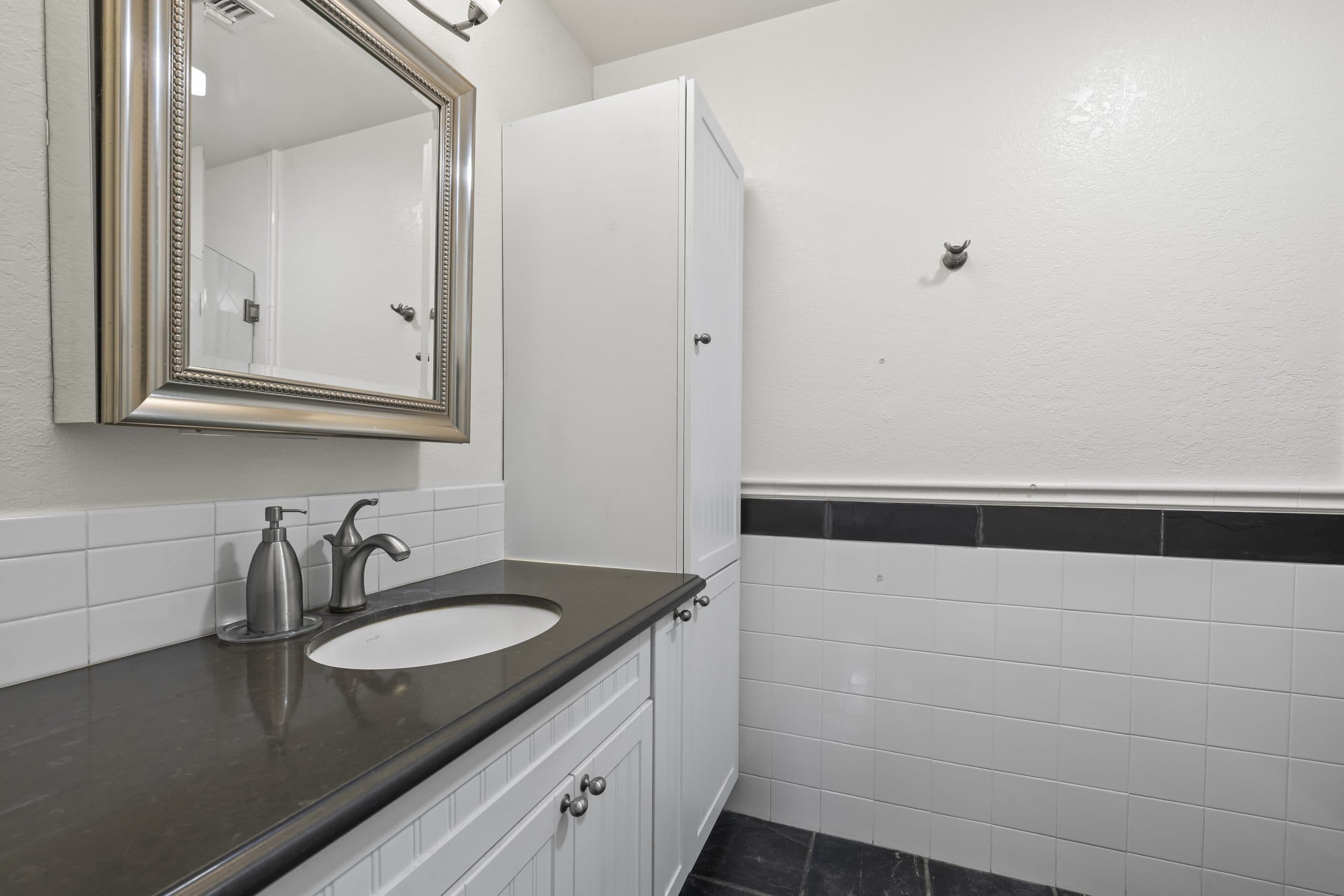
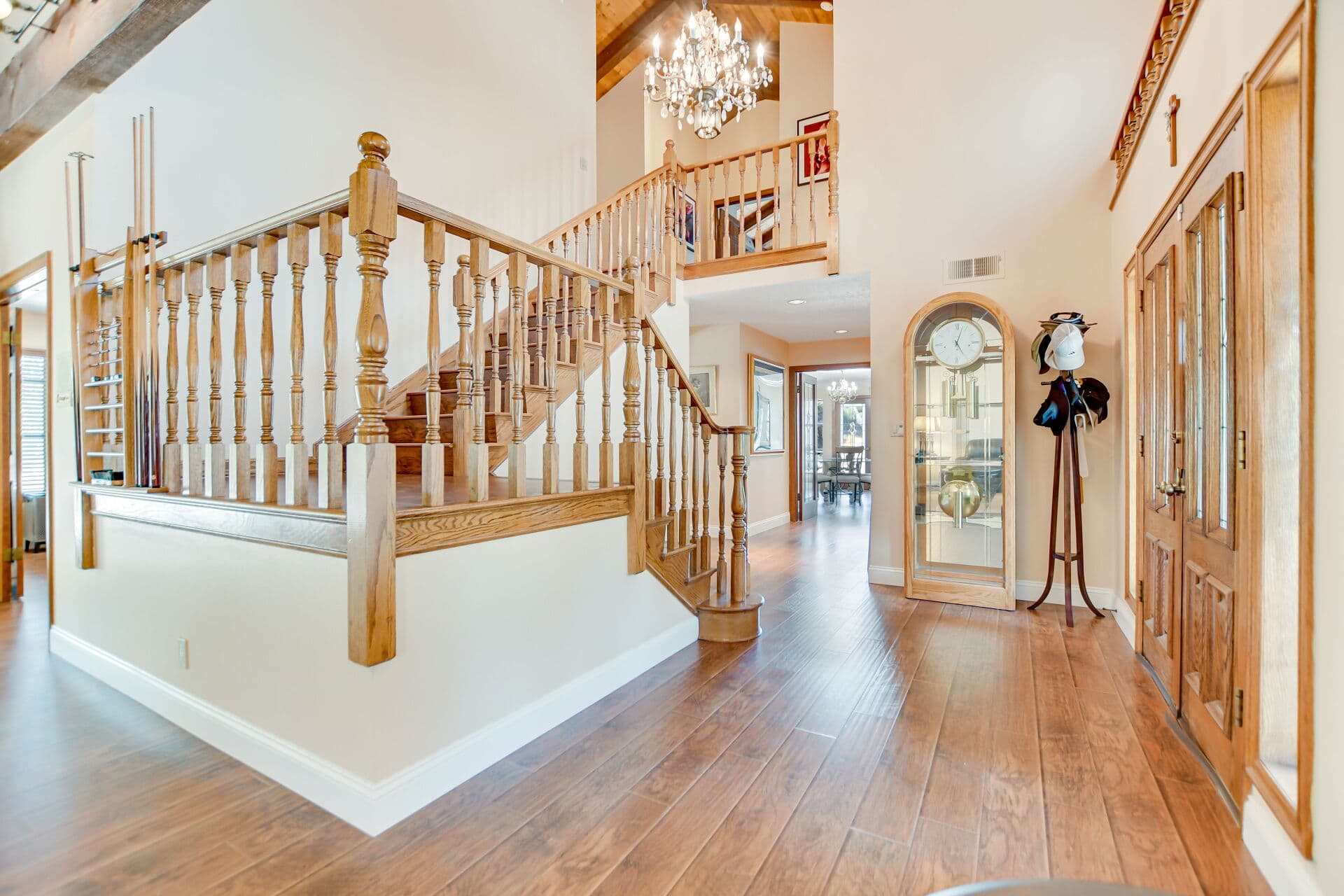
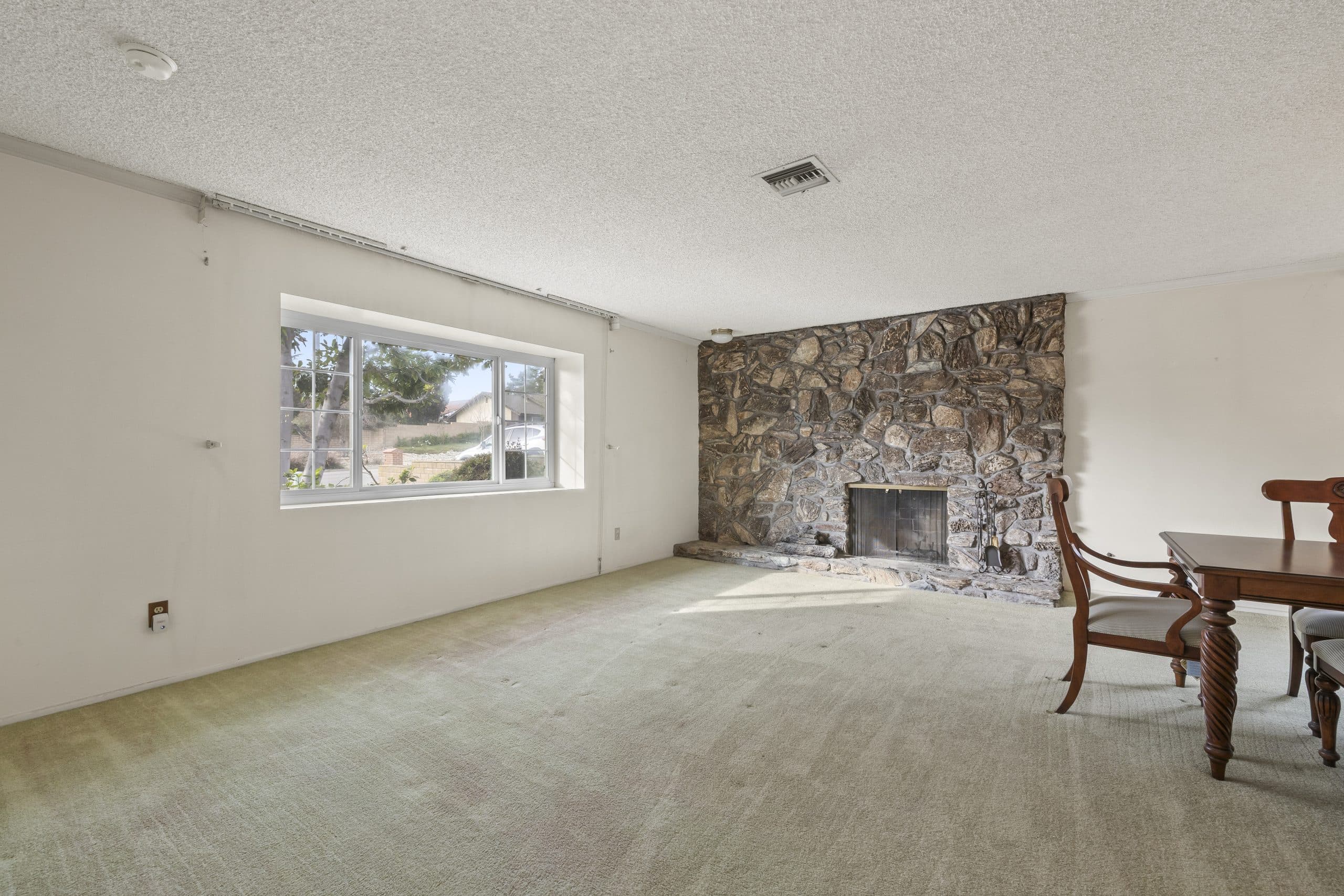
If almost nobody is asking to see the property, that is usually reach or positioning. Buyers at this level often find properties through channels that never appear in a click count, which is why the strategy in marketing Claremont estates beyond the MLS matters more than any single portal. It is also worth checking whether the listing is even findable in the terms a buyer would use, and whether the images do the property justice.
If people are viewing but not returning, the problem is usually presentation or a specific objection. Second showings are the signal to watch. A property that generates first visits and no second visits is telling you something concrete, and the feedback from agents who brought those buyers is the cheapest research available.
If buyers are returning, engaging seriously, and then declining, that is a price conversation. So is a pattern of offers clustering somewhere consistently below the asking figure. Several unrelated parties arriving independently at a similar number is real information, not a coincidence.
Objections that are cheaper to answer than to discount
Before touching the number, it is worth asking whether the recurring objection can be resolved directly.
Some can. Uncertainty about a system, a roof, or a structure can be answered with a report. Questions about permits or the property file can be answered with documents. Concerns about insurability, which surface more often than sellers expect, can often be answered with a written indication rather than a price reduction. A doubt about condition can sometimes be removed for a fraction of what discounting it would cost.
Others cannot. A buyer who does not like the floor plan, the slope, or the setting is not going to be persuaded, and no amount of documentation changes that. Those objections are either priced in or waited out.
The useful discipline is to write down what buyers actually said, then sort it into answerable and unanswerable. Sellers who skip that step tend to reduce the price for a reason nobody gave.
If it is a price problem, move once and move properly
The most common repricing mistake in the top tier is a sequence of small reductions.
Each one signals that the seller is willing to keep moving, which invites buyers to wait for the next. A property that steps down repeatedly trains the market to treat every asking figure as provisional, and the accumulated reductions usually exceed what a single decisive adjustment would have cost.
A meaningful move does something a small one cannot: it changes which buyers encounter the property, since search behaviour clusters around round figures. A reduction that does not cross a threshold buyers actually use is largely invisible.
The other half of moving properly is treating it as a relaunch rather than an edit. New primary image, refreshed presentation, and a deliberate outreach to the agents who showed the property earlier. A silent number change reaches almost nobody.
The alternatives to repricing
Two other paths exist, and both are legitimate.
Withdrawing and returning later is a real option for a seller who is not under pressure, particularly where preparation was rushed or where the property was launched into an unfavourable season. Coming back properly prepared is usually better than grinding down in public.
Adjusting terms rather than price is the other. Flexibility on timing, a rent-back, or a willingness to structure around a buyer's circumstances can bridge a gap without altering the headline figure, and those levers are the subject of negotiating an estate purchase.
A sensible order of operations
Establish which of the three problems you have, using showing and second-showing behaviour and direct feedback rather than a general sense that things are slow. Fix reach and presentation first, because both are cheaper than a discount. Answer every objection that documentation can answer. Then, if the evidence genuinely points at price, make one decisive move, cross a threshold buyers actually search on, and relaunch rather than edit.
Done that way, a reprice is a single deliberate act rather than a slow public retreat.
For the wider picture, begin with the Claremont luxury homes guide, and read the pricing piece linked above first if you have not, since everything here builds on it. Anthony Grynchal has been licensed in California since November 2009.
Frequently asked questions
How do I know whether my luxury listing has a price problem?
Look at behaviour rather than a single metric. Almost no showings usually means a reach or positioning problem. First visits with no second visits points to presentation or a specific objection. Serious buyers who return, engage, and then decline is the pattern that indicates price.
Are several small price reductions better than one large one?
Generally no. A sequence of small cuts signals that the seller will keep moving, which encourages buyers to wait for the next one. The accumulated reductions often exceed what a single decisive adjustment would have cost, and a small move may not cross any threshold buyers search on.
Can an objection be answered without dropping the price?
Often, yes. Doubts about a roof, a system, permits, or insurability can frequently be resolved with a report, documentation, or a written coverage indication, at a fraction of what discounting the concern would cost. Objections to the floor plan or setting cannot be answered that way.
Is withdrawing the listing ever better than reducing the price?
For a seller without time pressure, it can be. If the property was launched before it was properly prepared, or into an unfavourable season, returning later with the preparation done tends to work better than reducing repeatedly in public.

Written by
Anthony Grynchal
Anthony Grynchal is a California real estate professional with eXp Realty, licensed since November 2009 (California DRE# 01873626), and the Designated Local Expert™ for Claremont — where he has lived for more than 33 years.
More about AnthonyPublished · Updated