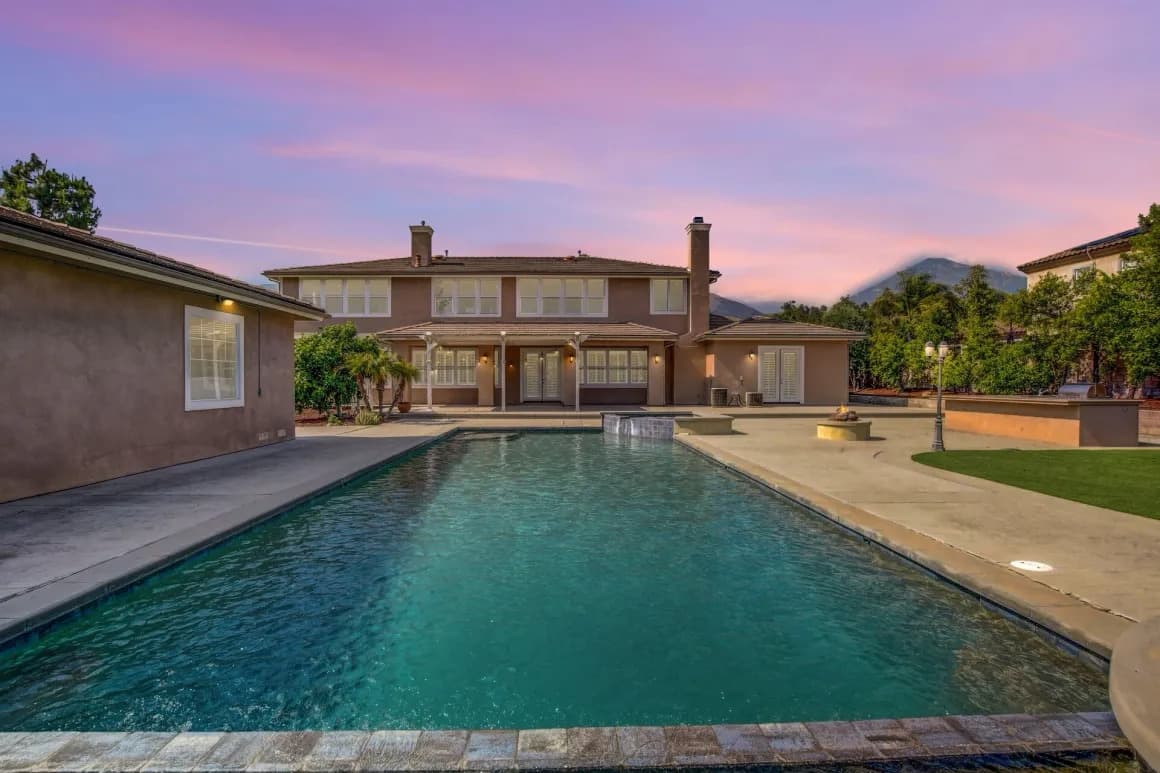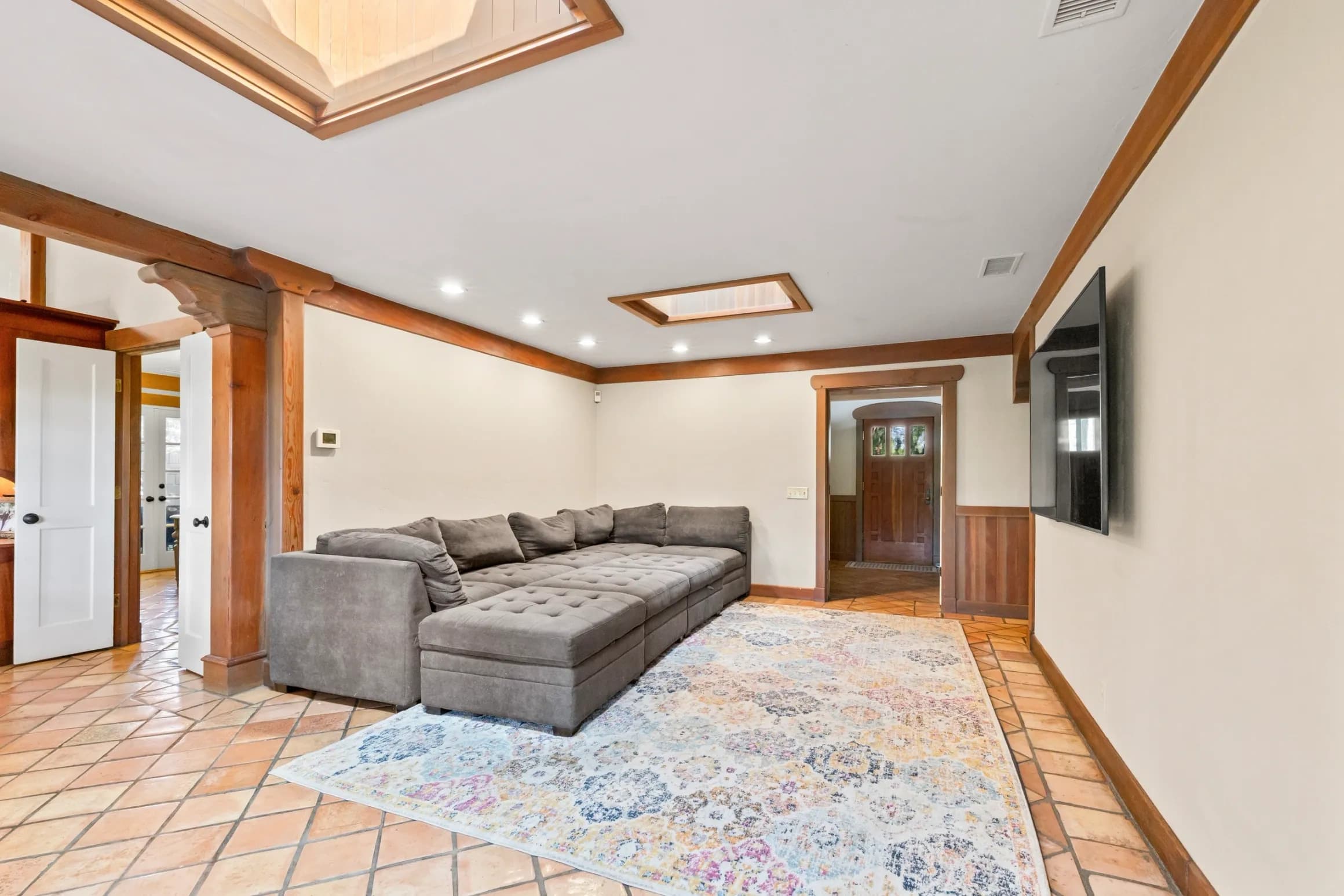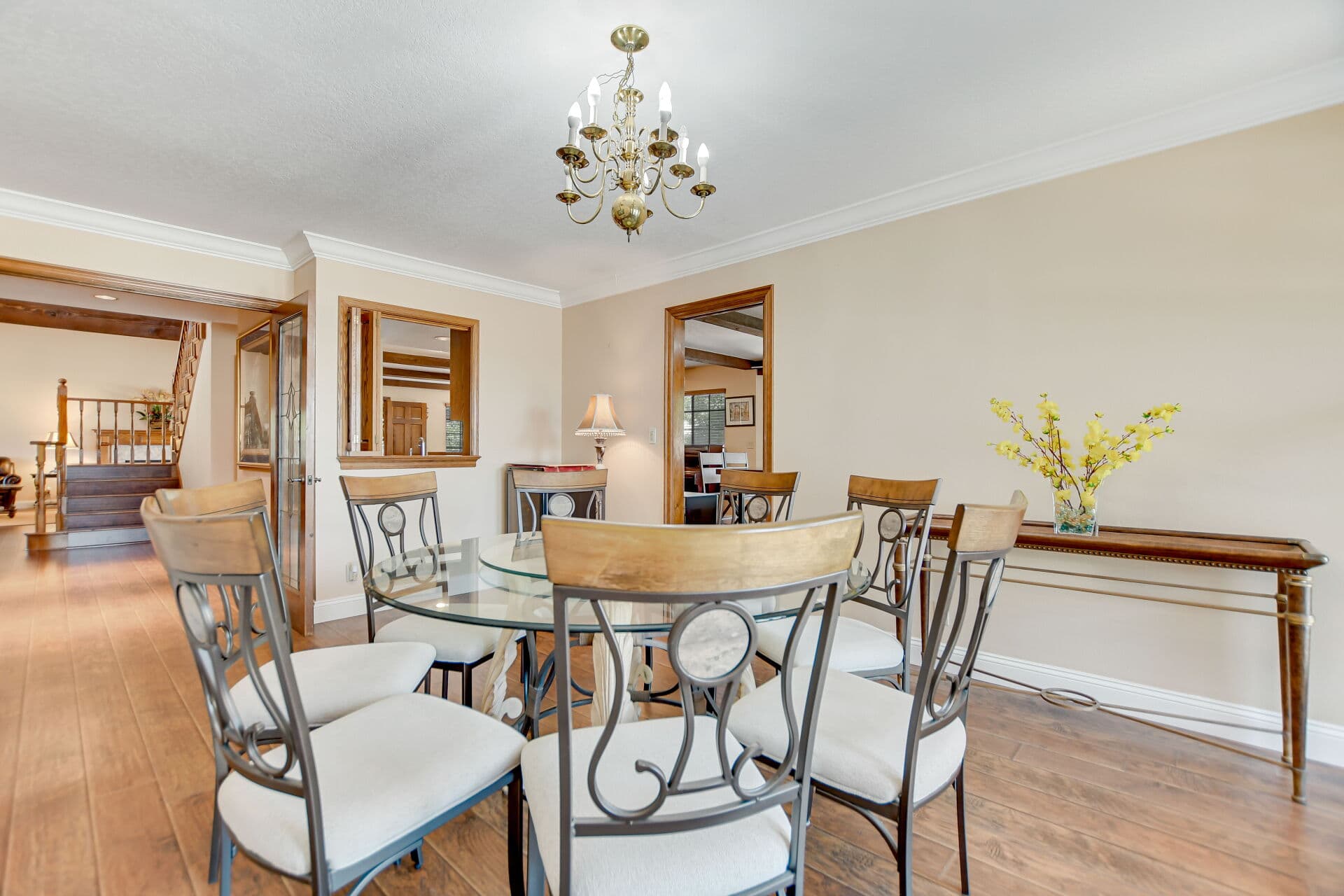
Most negotiation advice assumes a house with twenty recent comparable sales behind it, three offers on the table, and a seller who wants out by the end of the month. Almost none of that describes a Claremont estate.
At the top of this market the property is usually one of a kind, the seller is rarely under time pressure, and the number on the listing was arrived at through judgment rather than arithmetic. That changes what negotiation even is. It stops being a contest over a single figure and becomes an argument about terms.
Price is one lever among several
The instinct is to treat price as the whole conversation. On a distinctive property it is often the LEAST flexible piece, because the seller has no obvious replacement for the house and no urgent reason to discount it.
What tends to have more room:
Timeline
Close dates matter enormously on estates. A seller may be waiting on a build, coordinating a move across the country, or holding until a child finishes a school year. An offer that hands them the date they actually need is worth real money to them, and it costs a buyer nothing but patience.
The reverse is also true. A rent-back after closing, sometimes months long, is common at this level and is a genuine concession. Price it honestly rather than treating it as a favor.
Contingency shape
Shortening an inspection period is the classic move, and on an estate it is usually the wrong one. There is more to inspect, not less, and the systems are more expensive to be wrong about. A better trade is to keep the time and narrow the scope: a buyer can commit to raising only structural, roof, and major-system findings rather than a full punch list.
That reads as confidence without exposing the buyer to a five-figure surprise. The work in inspecting a Claremont estate is what tells you which contingencies are safe to compress.
Repairs versus credits
Sellers of significant homes are frequently reluctant to have contractors in the house during escrow, and buyers at this level usually intend to change the work anyway. A credit is often better for both sides than a repair list, and it moves faster.
The limit is the lender. If financing is involved, a credit has a ceiling and cannot exceed actual closing costs. That constraint is one of several reasons the cash-versus-financing decision shapes the negotiation long before anyone counters.
Personal property
This is the most underused lever in the top tier. Estates carry fitted furniture, statuary, outdoor kitchens, wine storage, art hung to specific walls, sometimes vehicles or equipment tied to the grounds. Some of it the seller genuinely does not want to move.
Asking for those items, or agreeing to leave them, can close a gap that price alone will not. It has to be handled correctly on paper, which is a topic of its own.
What a seller reads as serious
Before terms get discussed, an offer has to clear a credibility bar. At this level that means proof of funds that is current, specific, and actually covers what it claims, not a screenshot of a brokerage summary from last spring. It means a lender letter from someone who has seen documents rather than a rate-quote form. It means the buyer entity, if there is one, already exists.
Buying through a trust or company is routine here, but forming that entity mid-escrow creates delay, and delay reads as doubt. The mechanics are covered in buying Claremont luxury through an LLC or trust, and the practical point is to sort it before the first offer, not after.
Escalation clauses, common on ordinary listings, tend to land badly on estates. They tell a seller who has no competing offer that the buyer will pay more, which is not information a buyer wants to volunteer.
The counter, and what to read in it
A seller who counters on price alone is usually telling you they believe in the number and are not in a hurry. A seller who counters on timing, or who accepts less and asks for a rent-back, is telling you something about their circumstances, and that is more useful than the counter itself.
Silence is also information. A slow response on a one-of-a-kind property often means the seller is testing whether the buyer will improve without being asked. The answer is usually to hold and let the offer stand.
Where these deals actually break
In my experience the failures cluster in a few places, and price is not the leader.
Valuation is one. When a lender is involved and the comparable set is thin, an appraisal can land below the agreed number and reopen everything. That risk should be discussed at the offer stage, not discovered in week three, and it is the practical consequence of pricing without perfect comps.
Insurance is another. A custom or hillside property can be difficult to bind quickly, and a buyer who assumed coverage would be routine can find the close date slipping.
The third is scope creep after inspection. A buyer who opens with a light request list and then expands it after the seller has mentally moved on will often lose the deal outright, even at a price the seller would have accepted on day one.
A workable sequence
Establish the buyer entity and funding proof first. Ask the listing side what the seller actually needs on timing before writing anything. Offer terms that fit that answer and hold the price closer to your real number. Keep inspection time, narrow inspection scope. Raise personal property early rather than as a late add. Make one clean request after inspection and mean it.
Handled that way, the negotiation usually resolves before it reaches escrow, and escrow becomes administration rather than a second round of bargaining. What happens after acceptance is its own process, described in the luxury escrow.
If you are preparing to make an offer on a Claremont estate, or weighing one you have received, start with the broader Claremont luxury homes guide and then read the escrow piece above so you know what you are negotiating toward. Anthony Grynchal has been licensed in California since November 2009.
Frequently asked questions
Is there room to negotiate on price for a Claremont estate?
Sometimes, but price is often the least flexible term on a one-of-a-kind property, because the seller has no easy replacement for the house and frequently no deadline. Timing, contingency scope, credits, and personal property usually carry more room than the headline figure.
Should I waive the inspection contingency to win a luxury property?
Rarely. An estate has more systems, more structures, and more expensive failure modes than a standard house. A stronger approach is to keep the inspection period and narrow what you will raise from it, so the seller gets certainty without the buyer taking on unbounded risk.
Do escalation clauses work at the top of the Claremont market?
They usually work against the buyer. On a distinctive property there may be no competing offer at all, and an escalation clause tells the seller the buyer is willing to pay more than they offered. Clean terms tend to be more persuasive than a formula.
What makes an offer credible on a high-end Claremont home?
Current and specific proof of funds, a lender letter written after underwriting has seen documents rather than a rate quote, an already-formed purchase entity if one is being used, and terms that match what the seller has said they need on timing.

Written by
Anthony Grynchal
Anthony Grynchal is a California real estate professional with eXp Realty, licensed since November 2009 (California DRE# 01873626), and the Designated Local Expert™ for Claremont — where he has lived for more than 33 years.
More about AnthonyPublished · Updated