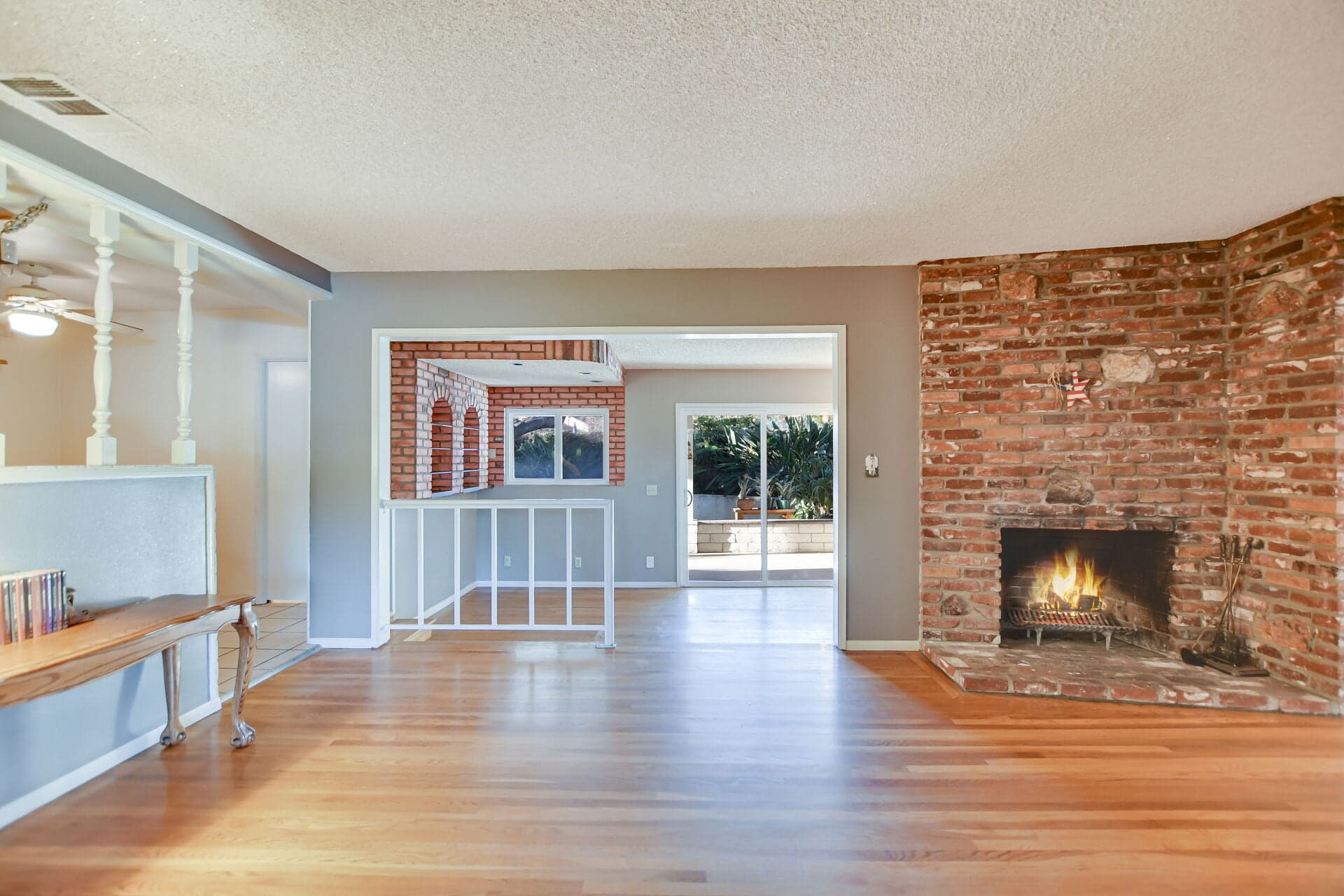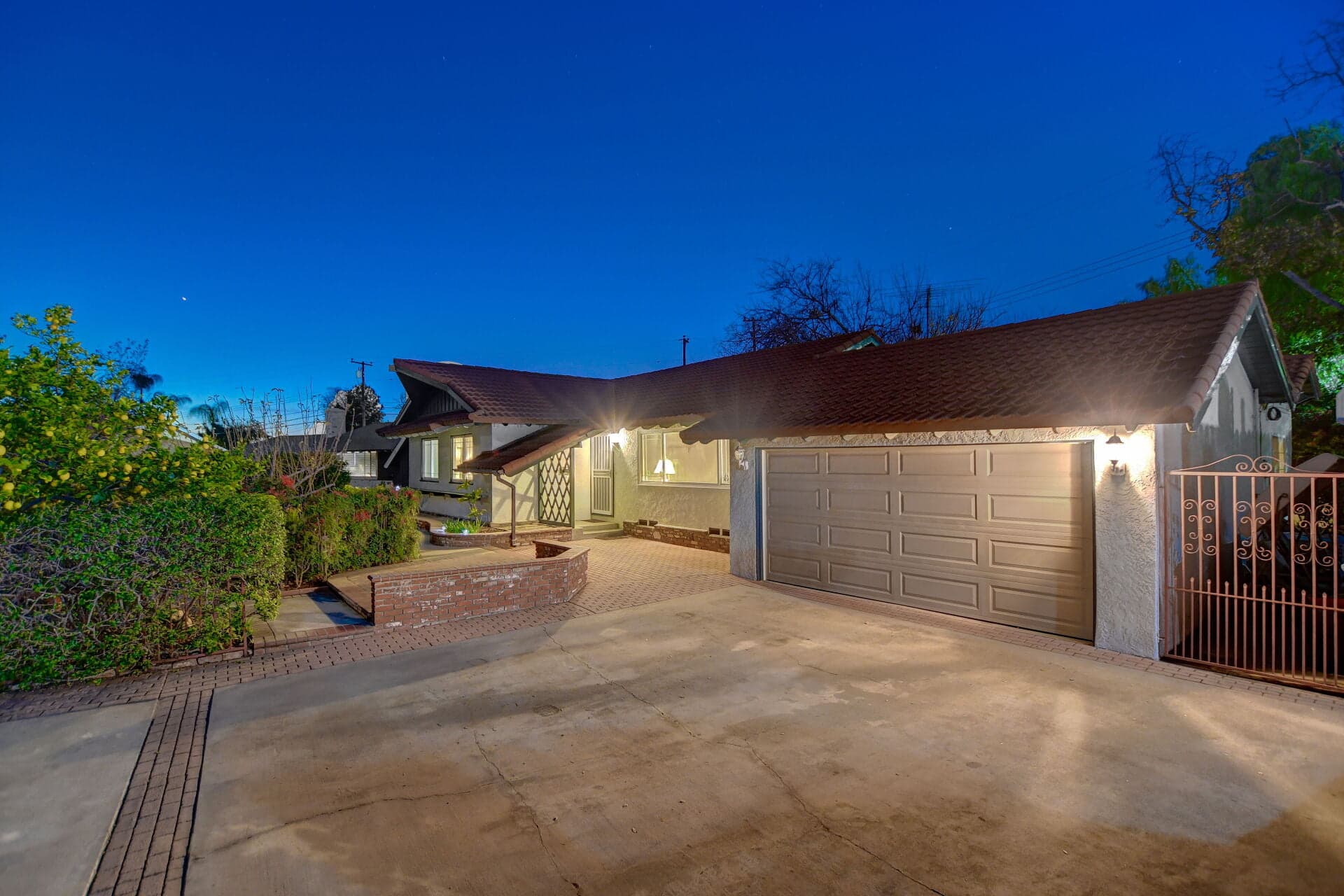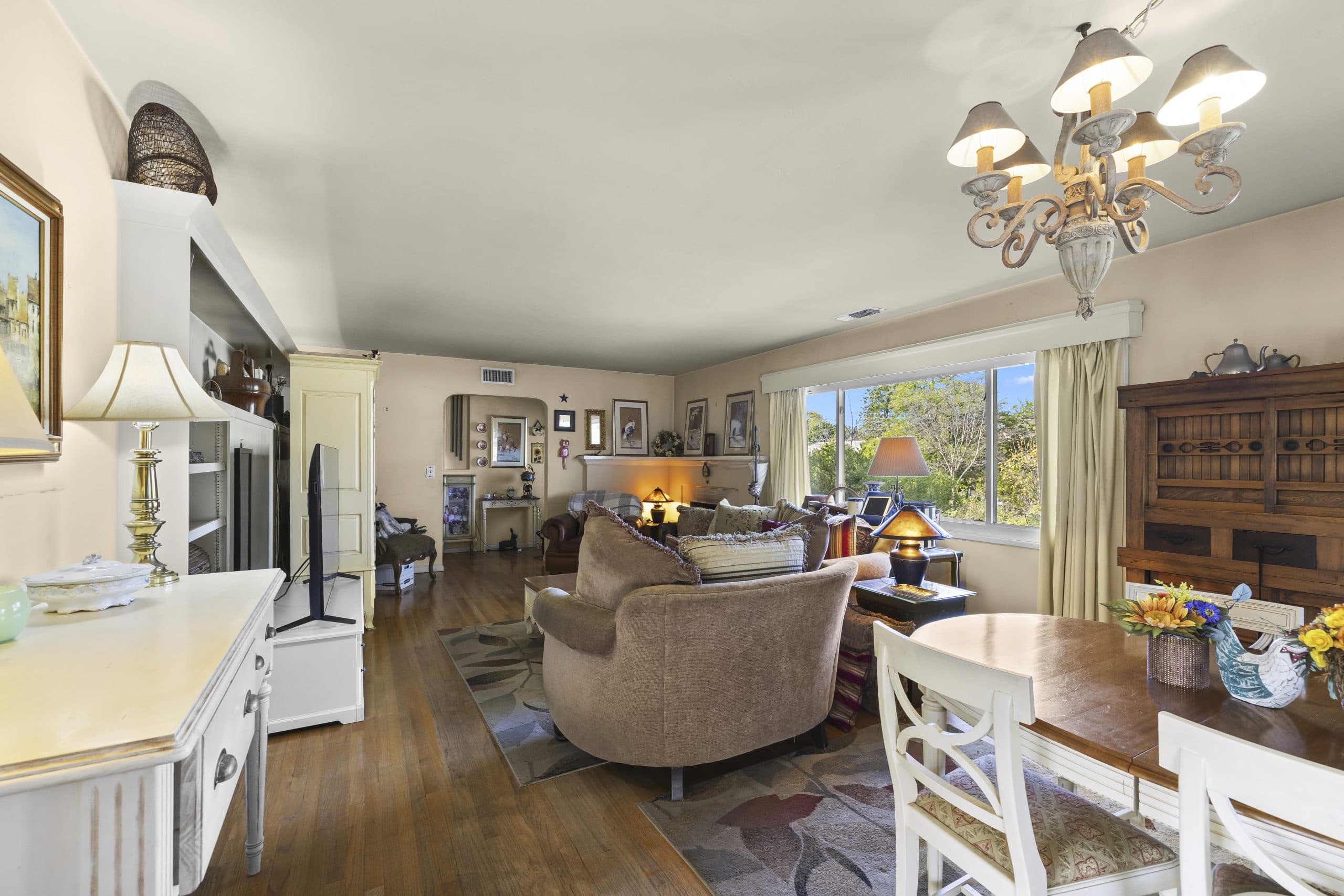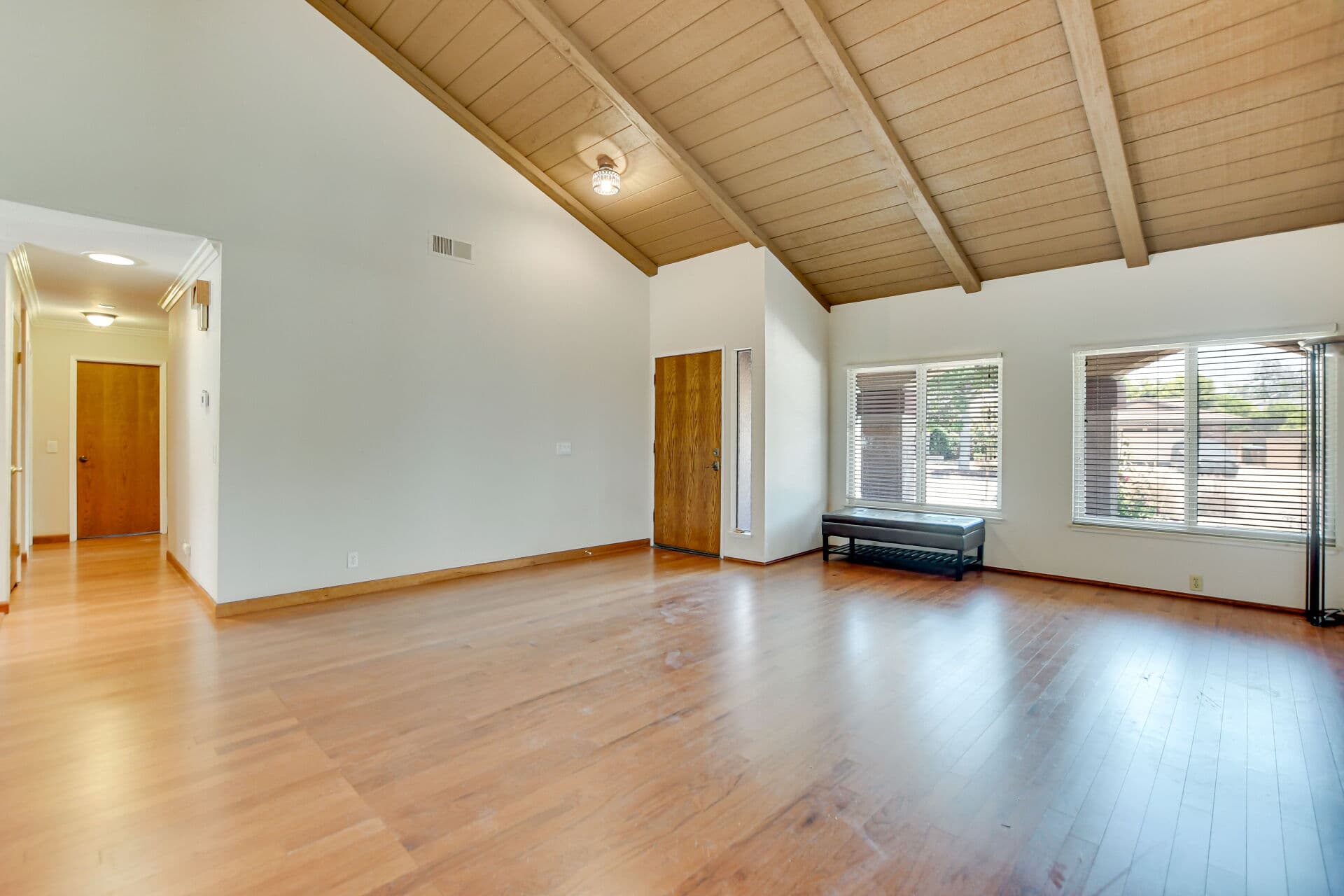
A big house is not a small house with more rooms. It is a set of systems that run whether or not anyone is paying attention, and the difference between a property that feels effortless and one that feels like a second job is almost entirely about how those systems were set up and who keeps them going.
This is the part of the upper end that nobody photographs. The neighborhood context is in the Claremont luxury neighborhoods guide; this page is about what happens after the sign comes down.
Irrigation is the biggest system on the property
On a large parcel, irrigation is not a convenience. It is the mechanism that keeps a substantial landscape alive in a climate that does not support it unaided, and it is usually the most complex system on the site.
Ask how many zones there are and what each one serves. Ask whether the controller is documented, because an undocumented controller is a puzzle every new owner solves slowly and expensively. Ask where the valves are and whether anyone can find them.
Ask how the landscape is organised. The properties that run well in this town tend to be zoned deliberately: a smaller, intensively planted area near the house, and drought-adapted or native planting beyond it. Uniform high-water planting across a whole parcel is expensive to run and rarely looks better. The pattern is discussed further in the large-lot guide.
Trees are an asset with a maintenance schedule
Mature specimen trees are one of the genuinely irreplaceable features of the older Claremont streets, and they are also the item most often deferred. Structural pruning, deadwood removal, and inspection after wind are ongoing obligations, and the cost scales with size and access.
Ask when the trees were last assessed and by whom. Ask whether any are close enough to structures, driveways, or the neighbor's roof that failure would matter. And ask before assuming anything can be removed: Claremont takes its canopy seriously and there are protections around removal, so the answer comes from the city rather than from a contractor.
Pools, spas, and water features
Each is a plant room with a decorative surface on top. The questions are the same for all three: how old is the equipment, when was the surface last done, where is the equipment pad, and what does it cost to run through a summer.
Water features on large properties are the item most likely to have been abandoned quietly. A dry basin is easy to overlook on a tour and expensive to restore.
Gates, entry, and long driveways
A gate is a system with a power supply, a controller, an entry list, safety devices, and a service relationship. Ask who services it and how it behaves in a power outage, because a gate that fails closed on a single-access drive is a different problem than a gate that fails open.
Long driveways carry their own maintenance: surface, drainage, edge planting, and lighting. Where the drive is shared or the street is privately maintained, those obligations extend beyond your boundary, which is the subject of the private road guide.
The house itself, at scale
More roof, more glazing, more HVAC zones, more plumbing runs. Nothing is unusual individually; the difference is that each item recurs several times over.
Ask how many HVAC systems there are and their ages. Ask about the water heating arrangement, because a large house often has more than one. Ask about the roof by section rather than as a single answer, since large houses are frequently roofed in phases and the sections age separately.
Ask about backup power if there is any, and ask what it actually covers. On upper streets a generator that runs the well pump or the gate is a functional item, not a luxury.
The people who keep it running
Most well-run large properties in this town rest on a small set of long-standing relationships: a gardener who knows the irrigation, a pool service, a tree company, a handyman who knows where things are. That knowledge is worth asking about during the transaction.
A seller who can hand over a list of who does what, with the controller documented and the valve locations marked, transfers something genuinely valuable. It costs nothing and it materially changes the first year of ownership.
What to ask before you close
Ask for the annual operating picture in categories rather than a single number: landscape and irrigation, tree care, pool, gate and access, utilities, and routine building maintenance. Sellers often have this and rarely think to offer it.
Ask what has been deferred. Every large property has a list. The useful question is whether the deferred items are cosmetic or structural.
Ask which systems the seller does not fully understand themselves. The honest answer to that question is more informative than any inventory.
What it means for a seller
Documentation is the cheapest improvement available to you. A binder with the irrigation map, the service contacts, the roof and equipment ages, and the recent tree work answers half the questions a serious buyer will ask, and it signals that the property has been run rather than merely occupied.
It also shortens the inspection period, which on an upper-end sale is where deals slow down. That is worth more than most pre-listing cosmetic work.
Where to go next
For how these properties are inspected, see the large-house inspection guide. For the streets where these properties are concentrated, see the estate streets guide. Anthony Grynchal has been licensed in California since November 2009.
Frequently asked questions
What does it cost to run a large property in Claremont?
It varies too much by parcel, planting, and systems for a general figure to be useful. Ask the seller for the operating picture in categories, landscape, trees, pool, gate, utilities, and routine maintenance, and get current quotes on the largest items during your inspection period.
What is the most commonly deferred item on a large Claremont property?
Tree work and irrigation repairs, in that order. Both are easy to postpone and both get more expensive with time, and tree removal may face restrictions from the city, so confirm what is permitted before planning around it.
Should a seller document the property systems before listing?
Yes. An irrigation map, valve locations, service contacts, and equipment ages answer most serious buyer questions up front and shorten the inspection period, which is where upper-end transactions most often lose time.

Written by
Anthony Grynchal
Anthony Grynchal is a California real estate professional with eXp Realty, licensed since November 2009 (California DRE# 01873626), and the Designated Local Expert™ for Claremont — where he has lived for more than 33 years.
More about AnthonyPublished · Updated