The blocks nearest the Claremont Colleges are among the most distinctive residential ground in the city, and among the most misunderstood. They are close to a large institutional campus, close to the historic core, and built across a long span of years rather than in one burst.
This guide is about what that combination means for an owner: the buildings, the street pattern, the rhythm of the week, and the specific verifications that matter here more than elsewhere.
The housing is older and less uniform
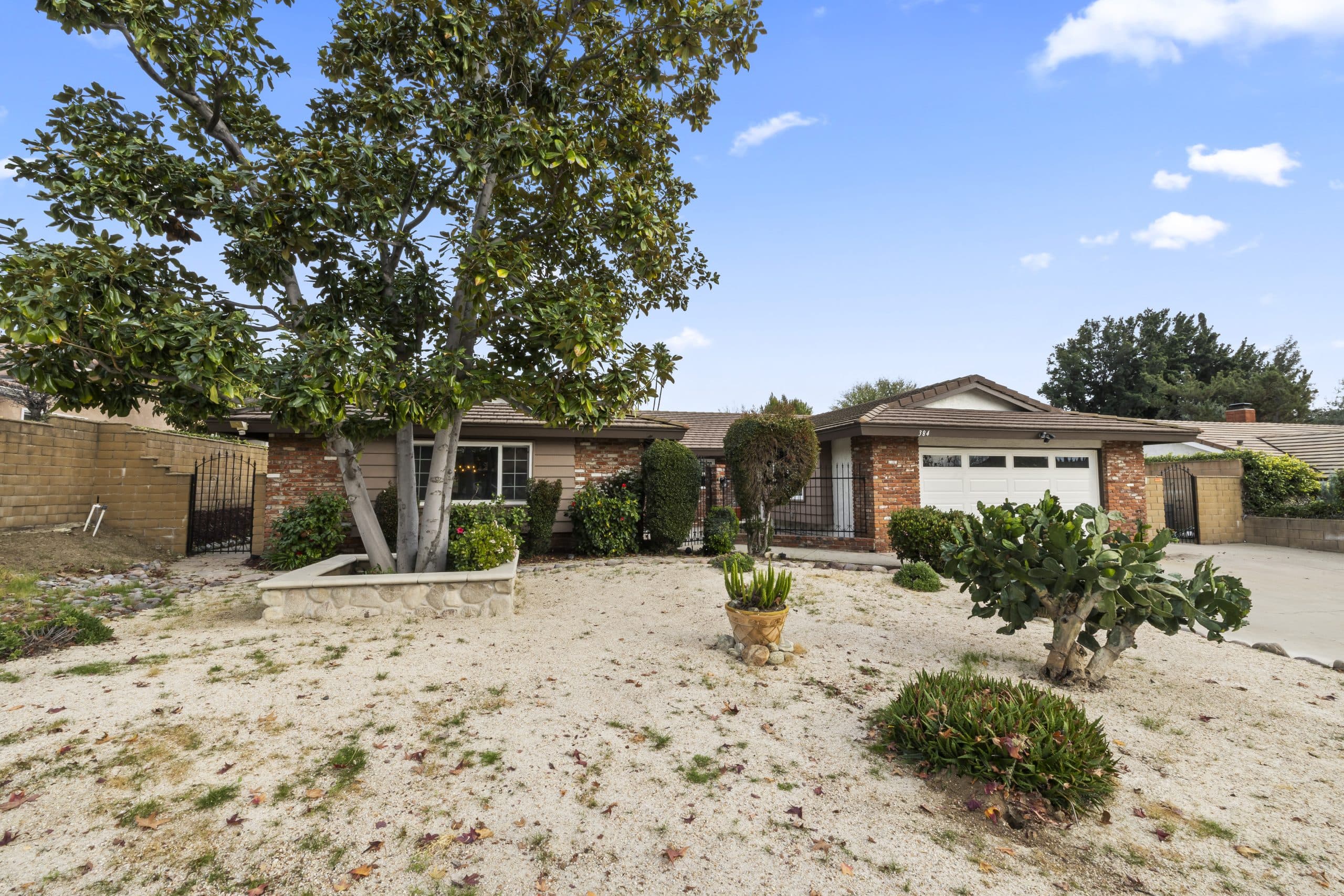
Campus-adjacent blocks in Claremont were developed early and filled in over a long period. The practical result is variety. Within a short walk you may encounter genuinely early stock, midcentury infill, and later remodels of both.
Variety is the appeal. It is also the reason you cannot generalize the inspection. Read each property on its own evidence.
- Foundation and framing era. Older raised-foundation homes carry a different retrofit conversation than later slab construction, including cripple wall bracing and anchorage questions worth asking about explicitly.
- Electrical service. Original capacity in older stock was sized for a different century of loads. Panel and branch circuit upgrades are common and should be scoped early.
- Plumbing materials. Ask what supply and waste materials are actually in the house, not what is typical for the block.
- Windows and original detail. Older homes often hold real architectural value in their original windows and trim. Replacement is a design decision as much as an energy one.
- Sewer lateral. Old line, old trees. Camera inspection, every time.
Any historic or design review that applies
Claremont takes its architectural fabric seriously, and some properties and areas in the city carry design or historic considerations that affect what an owner may change on the exterior.
Whether that applies to a specific address is a question for the city, not for a listing description and not for a neighbor. Ask directly: is this property in any overlay, district, or program that affects exterior alterations, and what review process would a proposed change require? Ask before you fall in love with a plan for the front elevation.
Do the same for any accessory dwelling unit or addition ambitions. State and local standards change; confirm what currently applies to the parcel.
Walkability that is real, and worth testing
This is one of the parts of Claremont where the walkability claim tends to survive contact with reality. Proximity to the historic core, the depot, and campus open space means a genuinely foot-scaled daily life is available rather than theoretical.
Still, test it. Walkability is measured in specific walks, not in general impressions. Time the walk you would actually make most often, at the hour you would make it, carrying whatever you would be carrying. Note the crossings, whether sidewalks are continuous, whether the route is shaded, and whether it feels like a pleasure or a chore in August.
If walkability is your primary criterion, read the guide to Claremont neighborhoods that work on foot alongside this one, and then the Village guide for the comparison every buyer eventually makes.
Parking, events, and the academic calendar
Living beside an institution means living beside a schedule. That is the honest trade, and it is manageable once you understand it.
Expect the week to have peaks: arrival and departure windows, event evenings, and periods of the academic year with noticeably more activity than others. Expect parking pressure to follow the same curve. Look at the block for the tells, including any posted permit or time restrictions, and ask the city what parking regulations apply to the specific street.
Then go stand there more than once. A weekday evening during term is a different block than a quiet week between sessions, and both are the truth. Buyers who visit only at one of those moments make decisions with half the information. The full method is in the four-times-of-day guide.
Canopy, lots, and the yard you get
Established campus-adjacent blocks generally carry substantial mature canopy, which is a real amenity and a real job.
Shade changes interior temperature, reduces cooling demand, and softens street noise. It also brings leaf load, root interaction with laterals and hardscape, and a pruning question that splits between city trees in the parkway and private trees on the lot. Establish which is which for your frontage before closing.
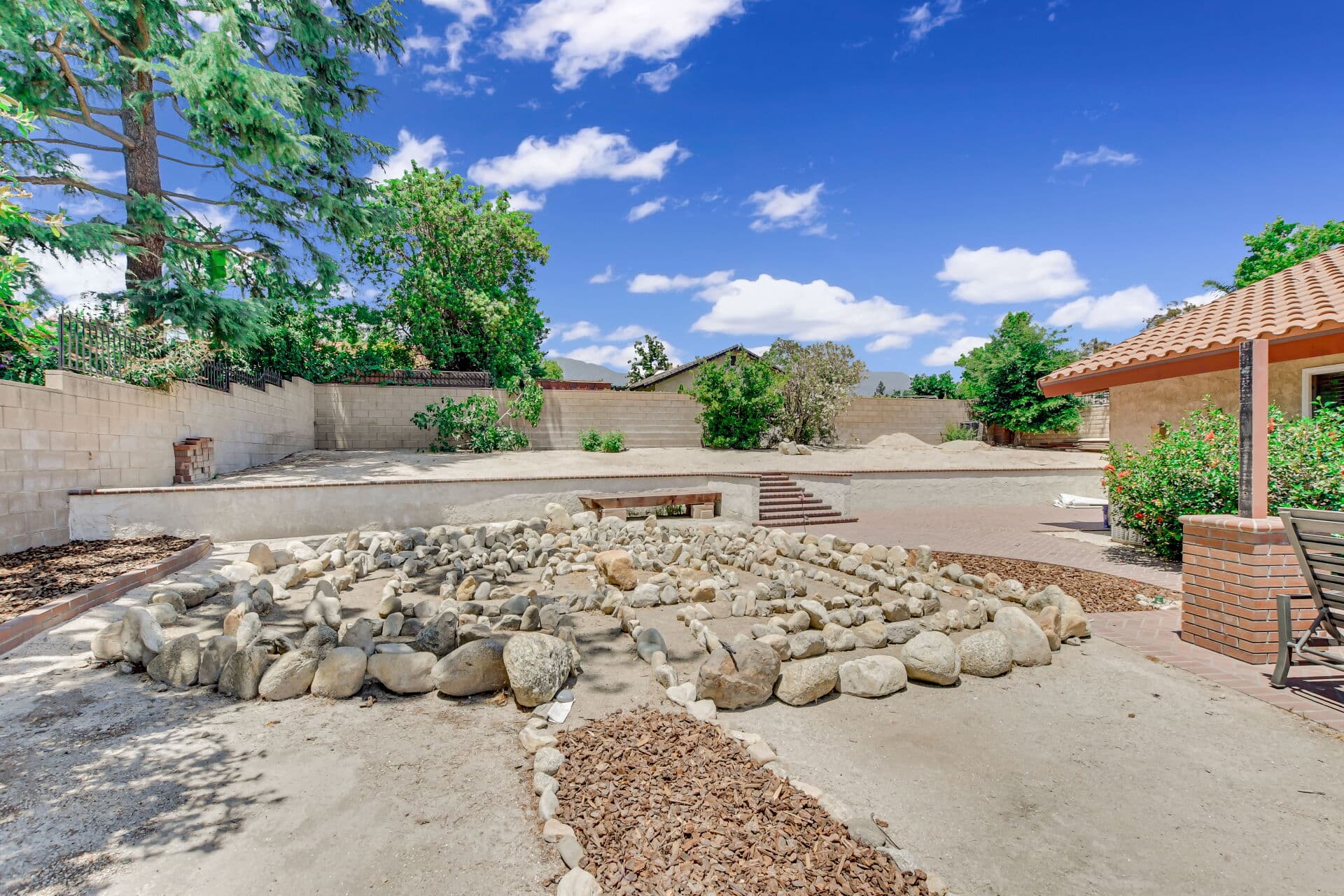
Lots on older blocks are frequently deeper than they are wide, which produces a particular kind of rear yard: private, often shaded, and sometimes constrained for large additions. If you have plans, measure early and confirm setbacks with the city rather than eyeballing it.
Verify these, always
Three items carry more weight here than the marketing does.
School assignment. Set by Claremont Unified by address, subject to change, and completely independent of any neighborhood name or proximity to a campus of any kind. Confirm in writing for the specific address.
Jurisdiction and parcel. Confirm the parcel lines, easements, and the governing jurisdiction on the record before you write. Names and mailing addresses are not boundaries.
Alteration rules. Any association, overlay, or review process that governs exterior change. Get this in writing from the source that would actually review your application.
Where to go next
Every Claremont area portrait, comparison, and buyer question is indexed on the neighborhood guides hub. For the wider map before you narrow, read how the city fits together, and for the walkable core itself, the Claremont Village page.
Anthony Grynchal has been licensed in California since November 2009.
Frequently asked questions
Are campus-adjacent Claremont homes noisy?
They follow a schedule rather than a constant level. Activity concentrates around arrival and departure windows, event evenings, and busier stretches of the academic year. Visit the specific block on a weekday during term and again at a quiet hour, and judge the peaks for yourself.
Do historic or design rules apply to older Claremont homes?
Some properties and areas carry considerations that affect exterior alterations, but it is address specific. Ask the city directly whether the parcel sits in any overlay, district, or program, and what review a proposed exterior change would require, before you plan work.
Is parking difficult near the Claremont Colleges?
Pressure tends to track the academic calendar and event schedule, and some streets carry posted permit or time restrictions. Check the signage on the specific block and confirm the applicable parking regulations with the city rather than judging from a single visit.
Does buying near a college affect school assignment for children?
No. Claremont Unified assigns public school attendance by residential address and can adjust boundaries over time, entirely independently of proximity to any college campus. Confirm the assignment for the exact address with the district in writing.

Written by
Anthony Grynchal
Anthony Grynchal is a California real estate professional with eXp Realty, licensed since November 2009 (California DRE# 01873626), and the Designated Local Expert™ for Claremont — where he has lived for more than 33 years.
More about AnthonyPublished · Updated