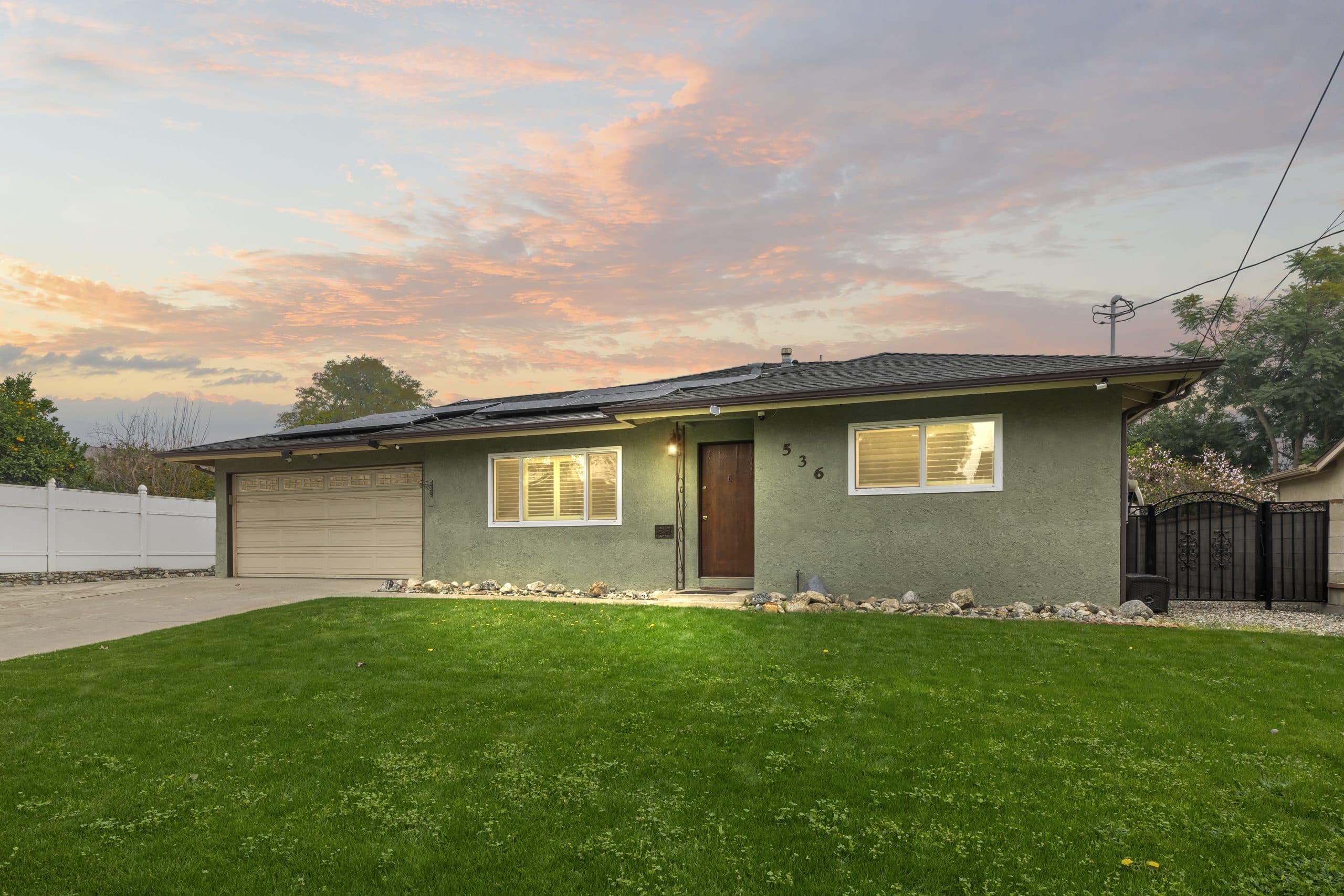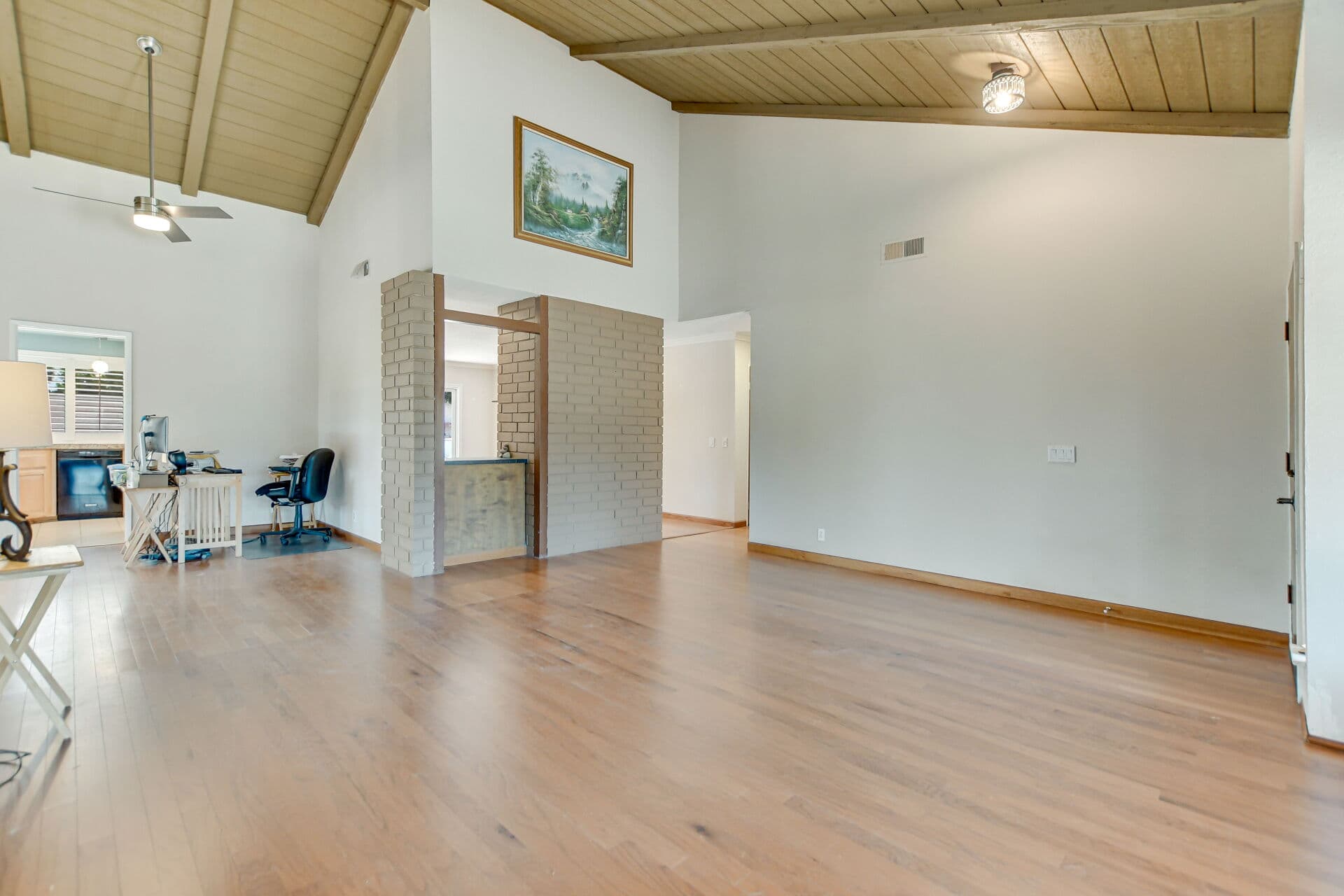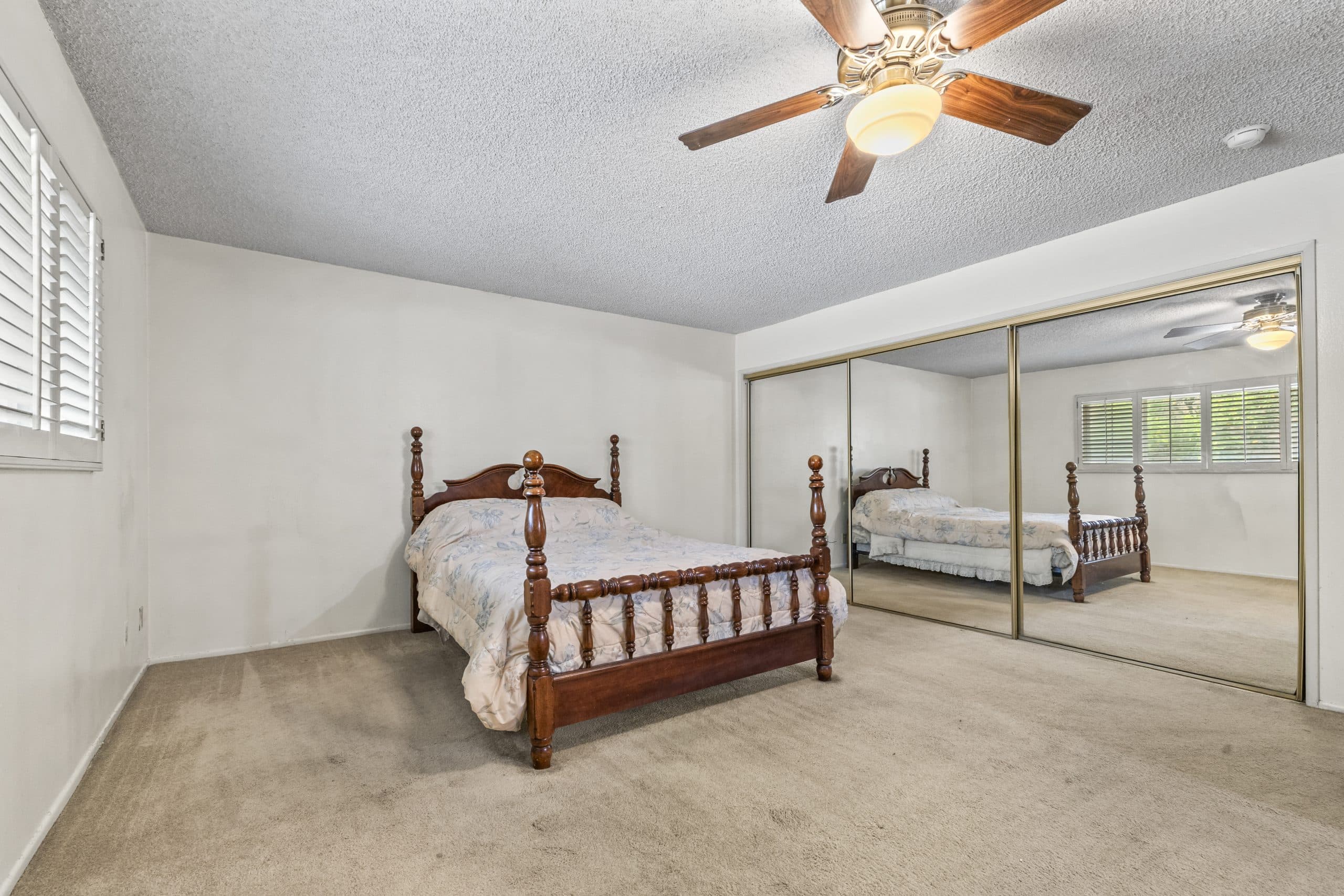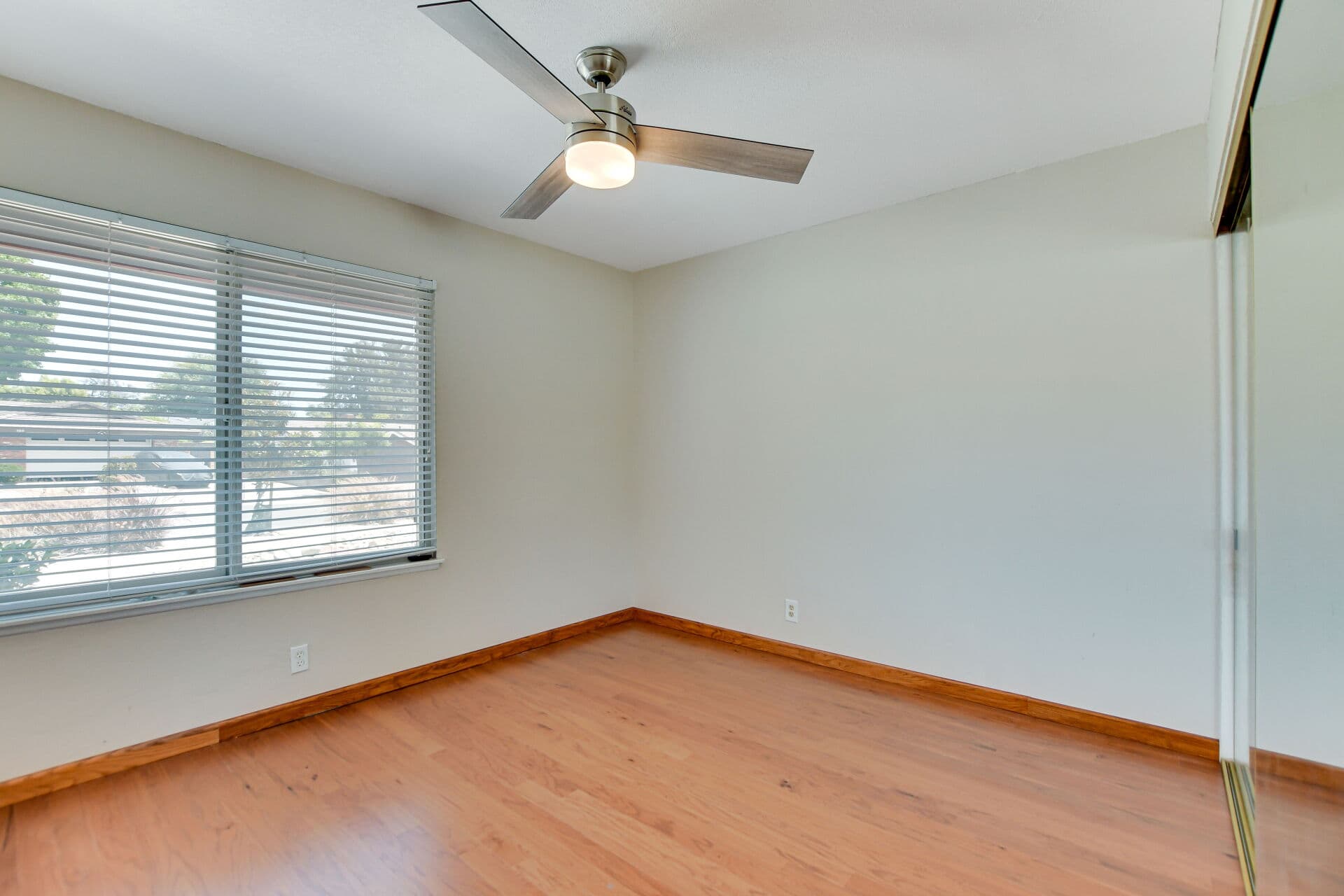
Ranch, in a Claremont pocket name, almost never means a working ranch. It usually means a tract laid out on land that once carried that name, built in a burst, to a coherent plan set. Pitzer Ranch is one of those names, and the most useful way to understand it is not through the name at all. It is through the BUILDINGS.
Read the stock and the pocket explains itself.
Why coherent tracts are easy to read
A subdivision built by one builder over a short window produces a limited number of floor plans, repeated with elevation variations and mirrored orientations. That is why an experienced local can walk two blocks and describe the interior of a house they have never entered.
It is also why touring a coherent pocket is efficient. Once you have seen three houses, you have effectively seen the plan set. What varies after that is condition, orientation, lot position, and what previous owners did over the decades. Those four things, not the floor plan, are what separate one listing from the next.
The same logic drives the guide to reading a planned Claremont pocket, which is worth pairing with this one if you are comparing tracts.
The five things to read on the elevation
Stand across the street and work through these in order.
- Massing and orientation. Is the garage forward of the living space or set back? Front-facing garages compress the usable front yard and change the street rhythm. Side-loaded or set-back garages do the opposite.
- Roof pitch and eave. Low pitch with generous overhang belongs to one building era; steeper roofs with tighter eaves to another. The eave depth is doing real work on summer heat gain.
- Window sizing and placement. Original openings tell you the plan. Enlarged or relocated openings tell you someone did structural work, which means you should ask for permits.
- Siding and material changes. A material transition partway along a side elevation is usually an addition. So is a roof plane that meets another at an awkward angle.
- Driveway and setback. Depth of the driveway apron decides whether a second vehicle parks off street, which decides how crowded the block feels.
Do this on six houses and you will know the tract better than most listing descriptions do.
What the era typically asks of an owner
Established Claremont tract housing carries a predictable set of upkeep conversations. Not problems necessarily. Conversations.
Electrical capacity. Original service was sized for the loads of its decade. Modern life adds vehicle charging, heat pumps, induction cooking, and a house full of continuous small loads. Panel upgrades are common and should be priced before, not after.
Sewer laterals. The line from the house to the main is the owner's, and in mature neighborhoods it is old and it shares soil with mature tree roots. A camera inspection is cheap relative to what it can find.
Original windows and insulation. Comfort and energy both live here. Replacing windows is straightforward; adding insulation to an existing assembly is sometimes easy and sometimes not, depending on the wall and attic construction.
Foundation type. Slab versus raised changes plumbing repair strategy, flooring options, and how the house behaves underfoot.
Roof age. Ask for the age and the material, and look at the ridge line from across the street. A visible sag is not a subtle finding.
Lots, yards, and what the ground gives you
Tract lots in this part of the world tend to be rectangular and level, which is a genuine advantage. Level ground means simpler additions, easier accessory structures, straightforward drainage, and yards you can actually use rather than terrace.
Look at orientation carefully. A rear yard facing west collects the afternoon in summer, which is either a patio problem or a solar opportunity depending on your plans. North-facing rear yards stay cooler and grow different things. Mature shade trees change that calculation entirely, which is why the canopy on a given block is worth as much attention as the houses.
If you are considering an accessory dwelling unit or a substantial addition, level ground and a rear-loaded lot are meaningful advantages. Confirm current standards with the city for the specific parcel before you plan anything, because land use requirements move.
Streets, traffic, and the daily feel
Walk the block at more than one hour. A tract street is quiet in the middle of a weekday almost by definition; the honest test is the school run window, the evening return, and a weekend afternoon.
Note where the tract connects to the arterial. Interior streets protected by a single entry read very differently from streets that function as a cut-through. Look for the tells: worn corner radii, midblock speed cushions, and cars parked in a way that suggests residents are managing traffic informally.
The full method for that kind of testing is laid out in the four-times-of-day guide, and it is the single highest-value hour a buyer can spend.
Names, boundaries, and the record
Pocket names in Claremont are informal, historical, and contested at the margins. Pitzer Ranch, like every other name in town, describes a cluster of streets rather than a recorded boundary, and the story behind those names is its own subject, covered in how Claremont's neighborhoods got their names.
Verify the concrete facts on the record rather than from the label. Parcel lines and jurisdiction come from the county and the city. Any association and its recorded documents come from the disclosure package. School attendance comes from Claremont Unified, in writing, for the specific address, and it is not determined by neighborhood name.
Where to go next
Every Claremont area portrait and comparison is indexed on the neighborhood guides hub. To place a tract like this against the rest of the city, start with the orientation guide to how Claremont fits together.
Anthony Grynchal has been licensed in California since November 2009.
Frequently asked questions
Does the word ranch in a Claremont neighborhood name mean acreage?
Generally no. In Claremont these names usually reference the land holding a tract was built on rather than the size of individual lots. The practical meaning is that the pocket was developed as a coherent unit, so plan types, street layout, and building era tend to be consistent across it.
How do I tell if a Claremont tract home has an unpermitted addition?
Look for material changes partway along an elevation, roof planes meeting at awkward angles, and window openings that do not match neighboring houses of the same plan. Then request the permit history from the city for the address and compare it against what is physically there.
Can I build an accessory dwelling unit on a Claremont tract lot?
Level rectangular lots are often well suited to it, but eligibility, setbacks, size limits, and parking requirements are set by current state and city standards that change over time. Confirm what applies to the specific parcel with the city before you plan or budget anything.
Are neighborhood names a reliable guide to school assignment?
No. Claremont Unified assigns attendance by address and can adjust boundaries, so a pocket name carries no guarantee. Confirm the assignment for the exact address with the district in writing before it influences your offer.

Written by
Anthony Grynchal
Anthony Grynchal is a California real estate professional with eXp Realty, licensed since November 2009 (California DRE# 01873626), and the Designated Local Expert™ for Claremont — where he has lived for more than 33 years.
More about AnthonyPublished · Updated