A field guide is not a sales page. It is a set of things to look at, in order, so that by the time you are standing in a kitchen you already know what kind of place you are standing in.
This is that for the Oakmont area of Claremont: how to read it from the curb, what the housing tends to ask of an owner, and the handful of facts you must confirm on the record rather than infer from a name.
Start with the approach
Drive in from the arterial rather than dropping a pin on the house. How you reach a Claremont pocket tells you a great deal about how it will feel to live in one.
Count the turns. Note whether the entry is a single connection or several. Look at the transition point where arterial character gives way to residential character, because that transition is where noise, headlights, and cut-through traffic get decided. A pocket with one or two entries behaves differently from one whose streets carry drivers between two larger roads.
Then park and walk. Everything worth knowing about a residential block is available at three miles an hour and invisible at thirty.
The curb read
Work through the public realm before the private one.
- Street width and on-street parking. Two-sided parking on a narrow street produces an effectively single-lane block, which is either intimate or inconvenient depending on your temperament.
- Sidewalks and curb type. Continuous or intermittent, rolled or vertical. These date the block and describe how water moves.
- Parkway planting. Regular mature spacing means a planted plan; ragged spacing means decades of replacement.
- Driveway aprons. Depth determines whether a second car parks off street, which determines how crowded the block reads at seven in the evening.
- Setbacks. Consistent front setbacks give a street its calm. Broken setbacks usually mean the blocks were assembled over time.
The building read
Then the houses, from the sidewalk, before you ever go inside.
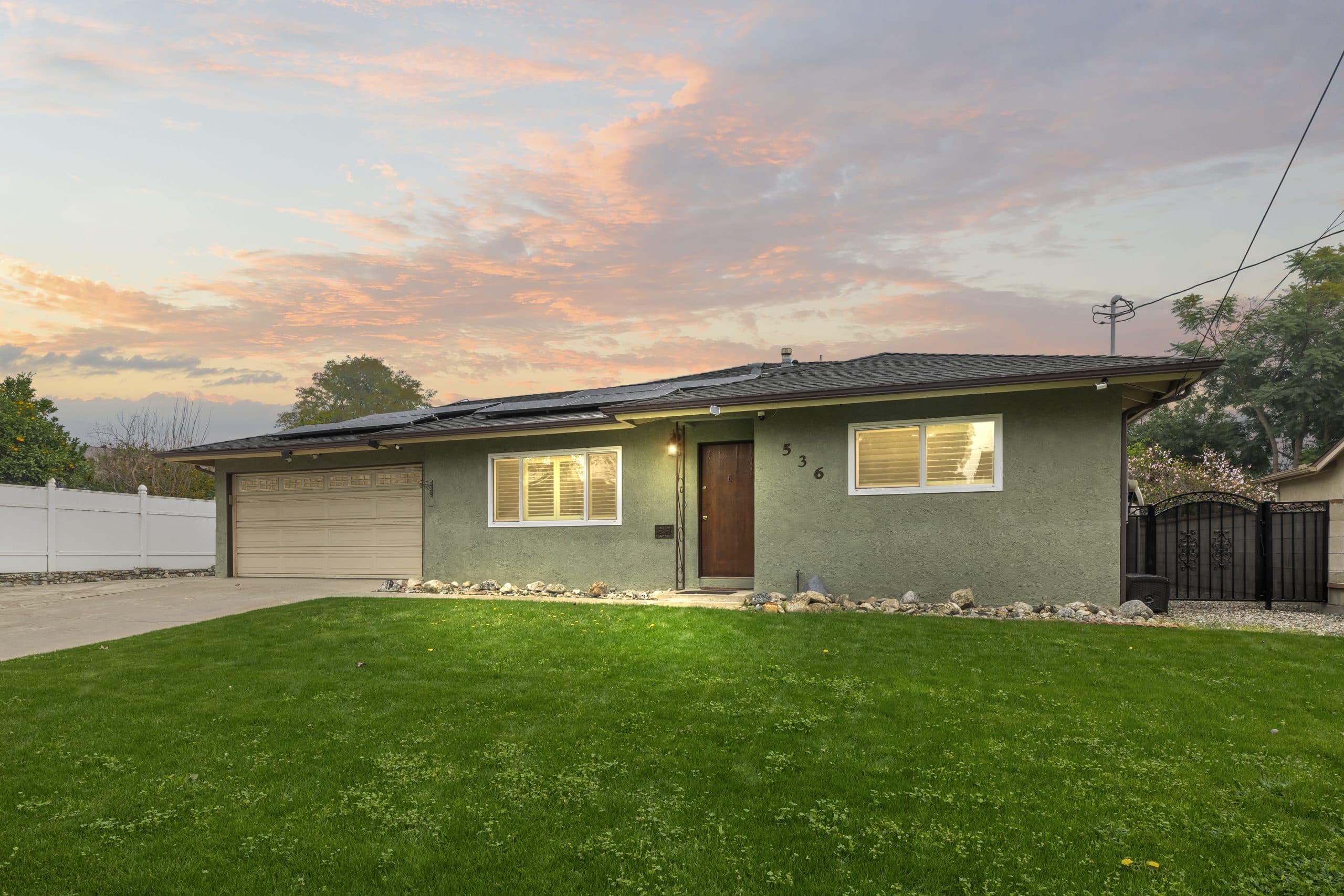
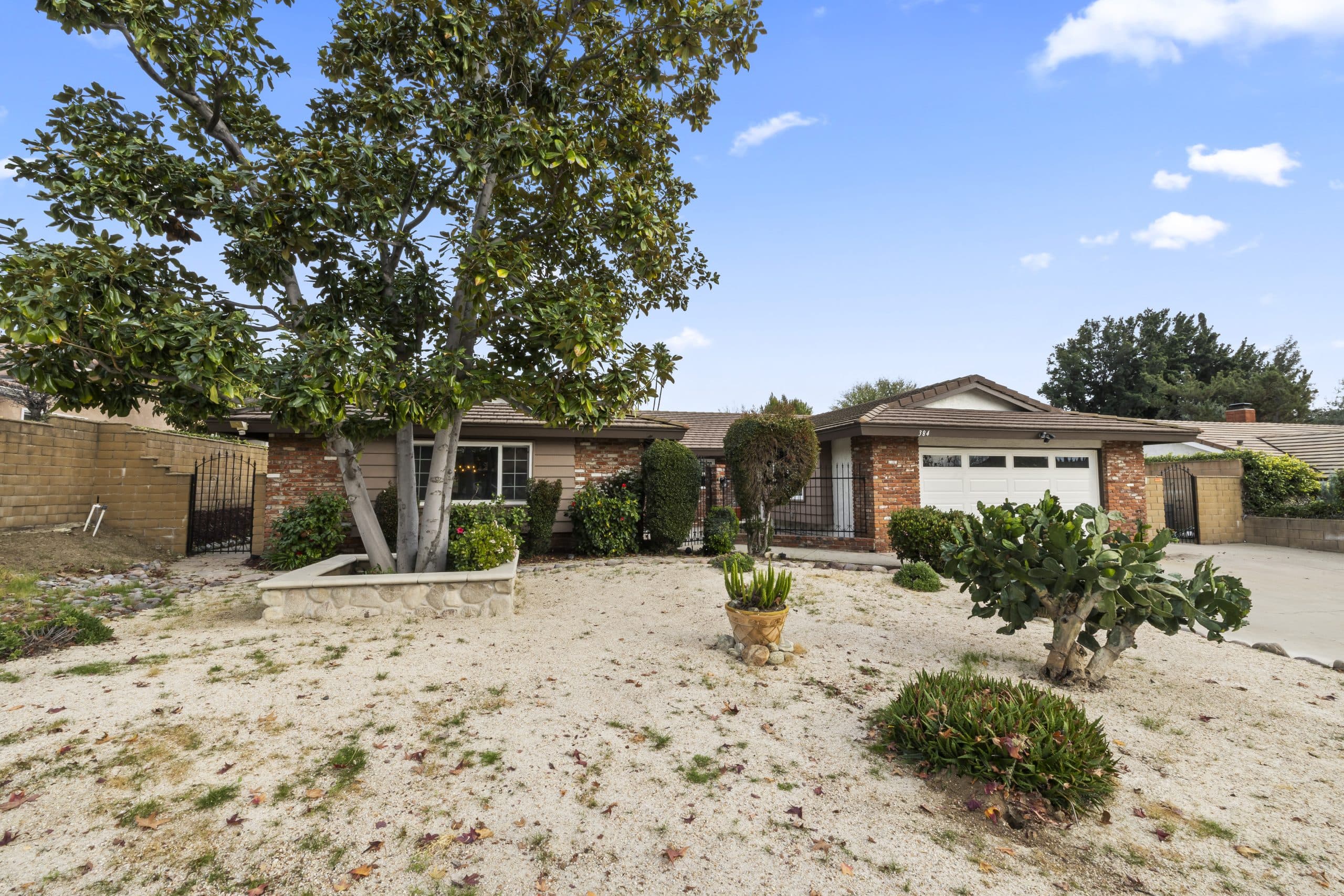
Roof pitch and eave depth date the construction and tell you something about summer heat. Window openings tell you whether the plan is original. A change of siding material partway along a side elevation is the most reliable visible signal of an addition, and it is your cue to request the permit history from the city.
Garage position matters more than buyers expect. A garage forward of the living space compresses the front yard and turns the street into a row of doors. Set back or side loaded, the same house reads completely differently from the sidewalk.
Look at the ridge line across several houses. Sag, wave, or patchwork roof planes are visible from a distance and are not subtle findings.
What ownership here typically involves
Established Claremont housing carries a familiar and manageable list. None of it is a reason not to buy; all of it is a reason to budget honestly.
Electrical capacity. Service sized for an earlier decade meets modern loads. Vehicle charging, heat pumps, and induction cooking all push toward a panel conversation. Price it before, not after.
Sewer lateral. Owner-side, old, sharing soil with mature roots. Camera it during your inspection period. It is the best value inspection available in a mature neighborhood.
Irrigation. Older systems get patched rather than replaced. Assume an audit in the first dry season and budget accordingly.
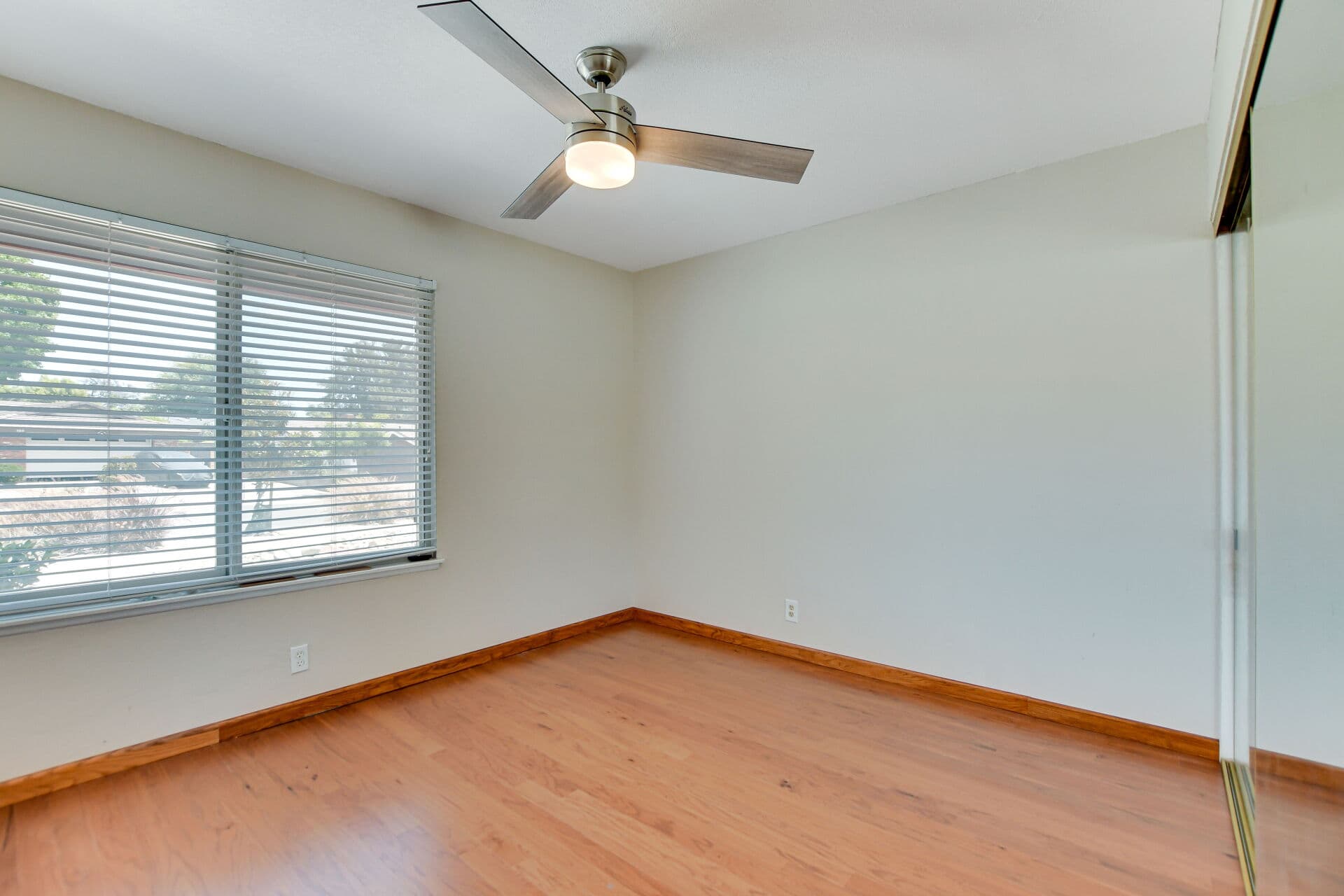
Roof and windows. Age, material, and whether openings are original. Both are predictable capital items rather than emergencies, if you know the ages.
Trees. Mature canopy is an asset that requires professional pruning on a cycle, and the responsibility splits between city parkway trees and private trees. Establish which is which for your frontage.
Yards, orientation, and what the ground allows
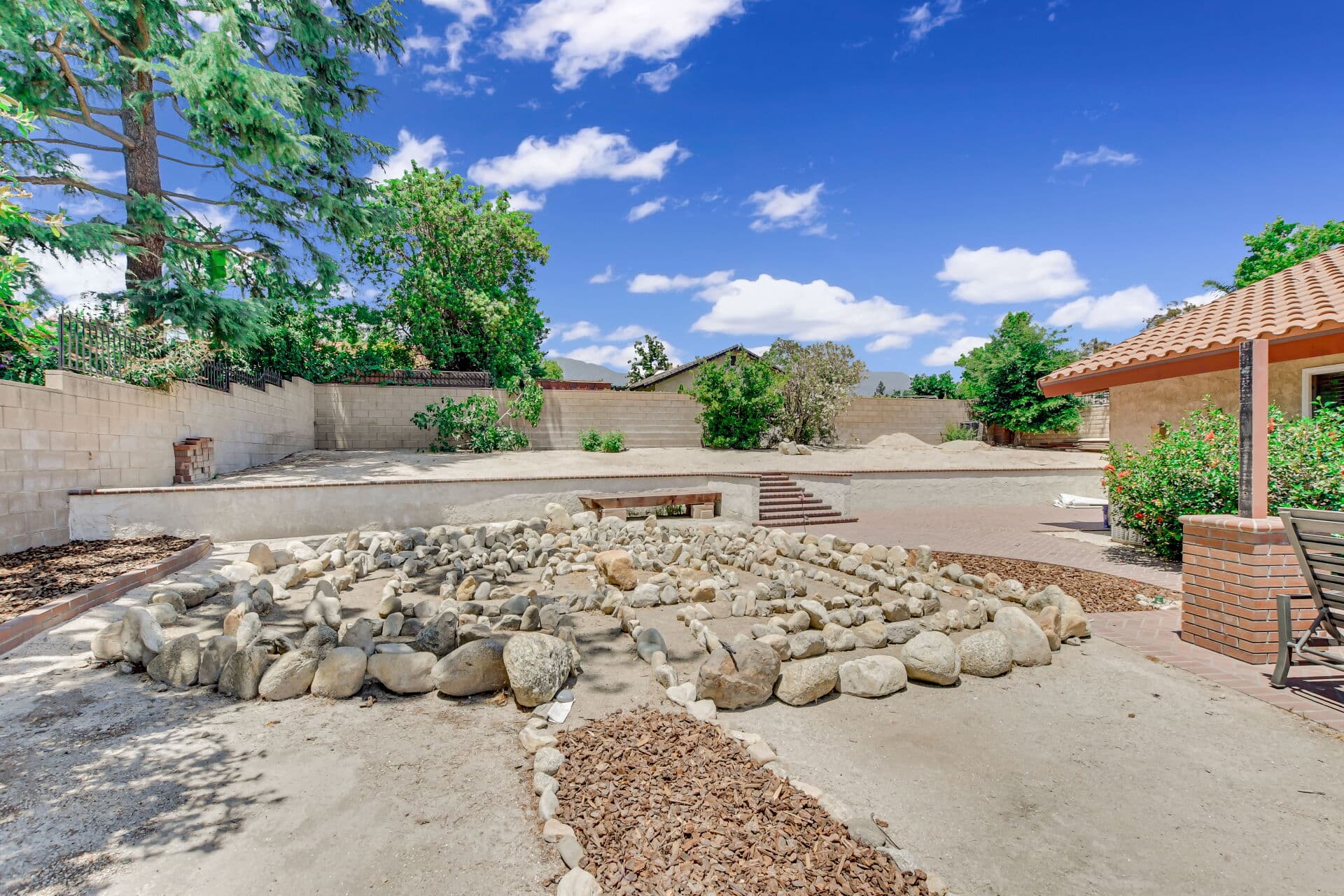
Level rectangular lots are the quiet advantage of established Claremont pockets away from the slopes. Level ground means simpler additions, straightforward drainage, easier accessory structures, and a rear yard you use rather than terrace.
Orientation decides how you use it. A rear yard facing west collects the whole afternoon in summer, which is a patio problem or a solar opportunity depending on your plans. A north-facing rear yard stays cooler and grows different things. Mature shade trees rewrite either calculation, which is why the canopy on a given block deserves as much attention as the houses on it.
If an accessory dwelling unit or a substantial addition is part of your plan, measure the buildable area early and confirm current setbacks, size limits, and parking requirements with the city for the specific parcel. Land use standards move, and the version that applies is the one in force when you apply.
The daily rhythm
Visit at four different hours before you decide. Early morning, the school run window, evening return, and a weekend afternoon. Each reveals something the others hide: light and quiet in the morning, traffic and parking at the peaks, and how the block actually socializes on a Saturday.
Pay attention to sound rather than to noise. Distant arterial hum, aircraft, landscaping equipment, and the acoustic effect of a heavy canopy are all real and all different. Stand still for five minutes with your phone in your pocket and listen. That single habit outperforms most of what buyers do on a tour, and the structured version of it is the four-times-of-day method.
Confirm on the record
Pocket names in Claremont are informal and blur at the edges, so verify rather than assume.
Parcel lines, easements, and jurisdiction come from the county and the city. Any recorded association and its governing documents come from the disclosure package, and where they exist, the documents control alterations, landscaping, and parking regardless of local custom. School attendance comes from Claremont Unified for the specific address, in writing, and is not implied by any neighborhood name.
If you are weighing this pocket against the upper half of the city, the guide to life above Base Line is the comparison to read next.
Where to go next
The full index of area portraits and comparisons lives on the Claremont neighborhood guides hub. If you are still deciding between areas rather than between houses, start with the framework for choosing your Claremont neighborhood.
Anthony Grynchal has been licensed in California since November 2009.
Frequently asked questions
How do I evaluate a Claremont block before touring the house?
Drive in from the arterial, count the entries, then park and walk. Read street width, sidewalk continuity, curb type, parkway tree spacing, driveway depth, and front setbacks. Those details date the block and predict how it feels day to day far better than a listing description.
What is the single most useful inspection in an older Claremont home?
A camera inspection of the sewer lateral is usually the highest value per dollar. The line from the house to the main is the owner's responsibility, it is old in established neighborhoods, and it shares soil with mature tree roots. Findings there carry real cost.
Are Claremont neighborhood boundaries official?
Most pocket names are informal, historical, and disputed at the edges, so no published boundary should be treated as a record. Confirm parcel lines, easements, and the governing jurisdiction with the county and the city for the specific property before you rely on any label.
Do I need to worry about panel capacity in an older home?
It is worth scoping early rather than assuming. Original electrical service was sized for the loads of its era, and vehicle charging, heat pumps, and modern kitchens can exceed it. Have an electrician assess capacity during your inspection period so any upgrade is a budgeted item.

Written by
Anthony Grynchal
Anthony Grynchal is a California real estate professional with eXp Realty, licensed since November 2009 (California DRE# 01873626), and the Designated Local Expert™ for Claremont — where he has lived for more than 33 years.
More about AnthonyPublished · Updated