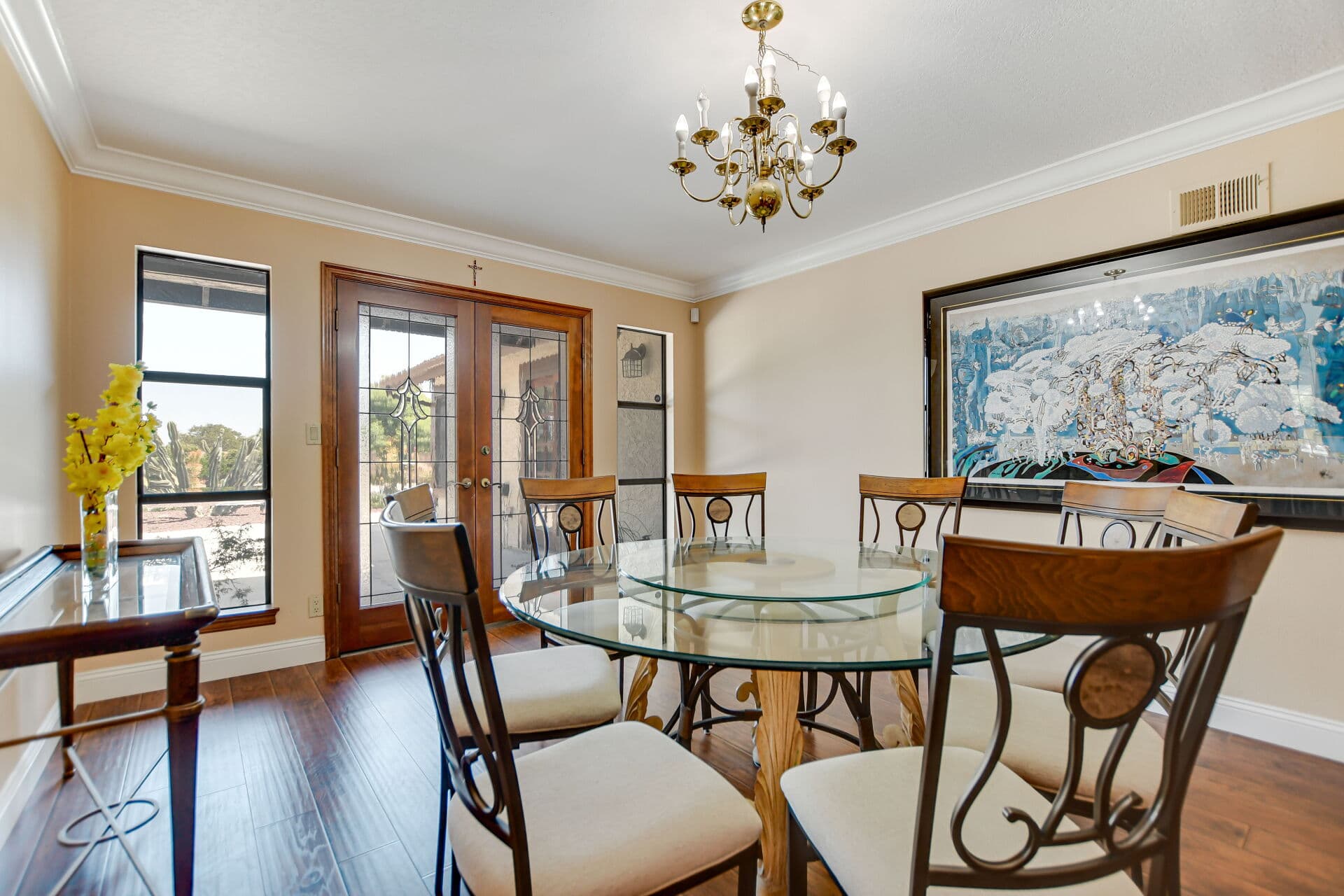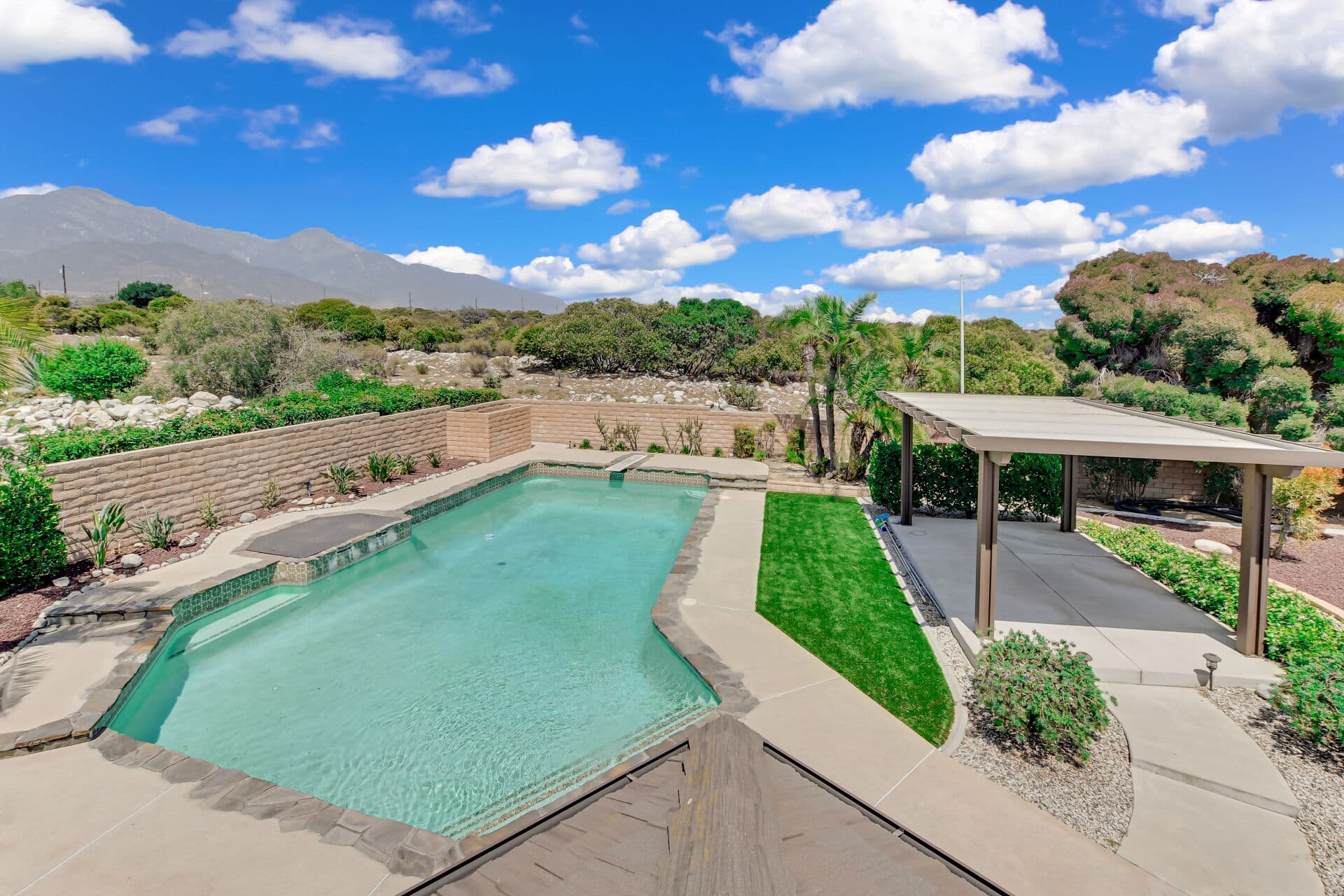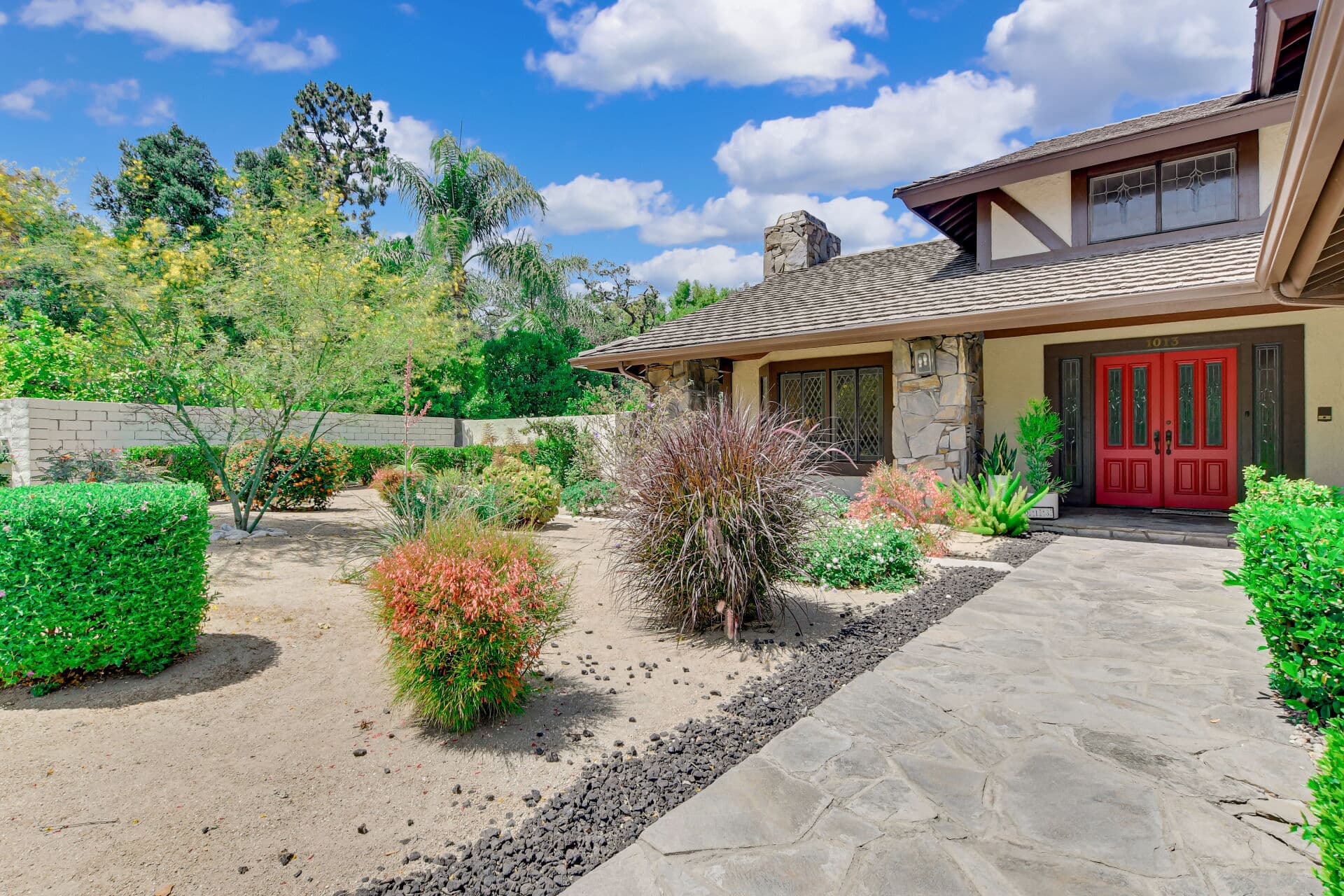
Towne Ranch is one of the pocket names Claremont locals use without explaining, and newcomers hear it in listings long before they understand what it describes. Like most of the city's named pockets, it refers to a coherent cluster of streets rather than a formal district: an area developed as a unit, with a recognizable street pattern and a housing character that hangs together from one block to the next.
That coherence is exactly why the name is useful. Knowing a home sits in a named tract pocket tells you something about the era, the lot pattern, and the likely maintenance profile that a broad label like north or south Claremont never could. This guide sets out how to read a pocket like this one, what to evaluate, and how to tour it well.
What a named tract pocket actually means
Pocket names in Claremont come from three places: recorded tract names, the ranch or grove that occupied the land before the houses, and simple long-running local usage. The practical value is the same in all three cases. A pocket typically represents one development period and one design logic, so the homes share a rough vintage, a lot size range, and a street layout.
Two cautions apply to every pocket in this city, and they apply here. First, the boundaries are informal, people disagree at the edges, and a marketing label is not a boundary of record. If a specific parcel's inclusion matters to you, verify the recorded tract rather than the listing description. Second, if the area is governed by an association, the governing documents are the authority on what is maintained and what is restricted, not the neighborhood's reputation. Ask for them, read them, and read the reserve information with them.
The built form
In a Claremont tract pocket the built form is the most reliable thing about it. Look for the pattern rather than the individual house: setbacks that repeat, garages that face the same way, roof lines in a common language, and street trees planted at the same time and therefore at the same maturity.
What that pattern gives an owner is predictability. Comparable homes are genuinely comparable, remodeling precedents are visible up and down the street, and the trajectory of the area is legible in what neighbors have already done. What it costs you is uniqueness; if you want a house that looks like nothing else nearby, a tract pocket is the wrong place to look, and the custom tier north of town is the right one.
Because a tract is built in a narrow window, the systems tend to age on a similar schedule. That is genuinely useful information. Ask what neighbors have replaced recently, roofs, sewer laterals, panels, water heaters, windows, and assume the same clock is running on the house you are considering unless a seller can show you otherwise.
Streets, lots, and daily rhythm
Interior tract streets in Claremont generally carry low through traffic, which is the quality residents value most and the one hardest to see from a listing. Stand on the street at a weekday evening hour and count cars. Then walk to the nearest arterial and time it, because proximity to a main road is convenience at the corner and noise in the bedroom.
Lot use is the other daily question. Look at the depth of the back yard, its orientation, and whether the afternoon sun makes it usable or unusable in warm months. Two identical houses can have very different outdoor lives depending on which way the yard faces.
Everyday errands from a pocket like this are a short drive, not a walk, which is the normal Claremont pattern outside the historic core. If walkability is your priority, compare against the walkable Claremont guide before narrowing.
What to verify before you commit
- Association status. Whether one exists, what it covers, what it costs, and what it restricts. Get the documents.
- Permits on alterations. Additions, garage conversions, patio covers, and pools. Anything newer than the original house deserves a permit question.
- Systems age. Roof, sewer lateral, electrical capacity, and HVAC, benchmarked against what the rest of the street has already replaced.
- School attendance. Set by the district, not by neighborhood name, and subject to change. Confirm for the exact address with Claremont Unified in writing.
- Drainage. Even on flat ground, where water goes in a heavy rain is worth asking about, particularly if a lot sits low relative to neighbors.
How to tour it properly
Drive the whole pocket before you look at a single house. A tract reveals itself quickly: within fifteen minutes you will know whether the street pattern, the lot sizes, and the level of upkeep suit you. If they do not, no individual house inside it will change that.
Then come back and walk one or two streets in the late afternoon, when the canopy shows its real shade and the block is in use. Note roofs, windows, and landscaping across the whole street rather than at your target property, because those tell you the trajectory of the area, which is the thing you are actually buying into for the next decade.
Who it fits
A Claremont tract pocket fits buyers who want a coherent, predictable street with real lots and a legible maintenance profile, and who prefer knowing what their neighbors' houses are made of over owning something unrepeatable. It fits less well for buyers set on period architecture near the core, or on a custom home with a view. Both exist here, elsewhere.
Where to go next
For how the pockets sit inside the city as a whole, read the Claremont neighborhoods 101 map, and for the sibling pocket most often compared with this one, see the Blaisdell Ranch guide. Every area portrait is indexed on the Claremont neighborhood guides hub.
Anthony Grynchal has been licensed in California since November 2009.
Frequently asked questions
What is Towne Ranch in Claremont?
It is one of the city's named residential pockets, a cluster of streets developed as a unit and referred to locally by that name. Like other Claremont pockets, its boundaries are informal, so verify the recorded tract if a specific parcel's inclusion matters.
Do Claremont pocket names have official boundaries?
Not reliably. Some come from recorded tract names, some from the ranch or grove that preceded the houses, and some from long local usage. Treat a listing's neighborhood label as a description, not as a boundary of record.
Is there a homeowners association?
Association status varies by tract and sometimes by phase within a tract. Ask directly, and if one exists, obtain and read the governing documents and reserve information before removing contingencies.
What should I inspect in a Claremont tract home?
Roof, sewer lateral, electrical capacity, and HVAC, plus permit status on any addition, garage conversion, or patio structure. Because tracts are built in a narrow window, systems across a street tend to age on a similar schedule.

Written by
Anthony Grynchal
Anthony Grynchal is a California real estate professional with eXp Realty, licensed since November 2009 (California DRE# 01873626), and the Designated Local Expert™ for Claremont — where he has lived for more than 33 years.
More about AnthonyPublished · Updated