Most buyers see a home three times: once at an open house, once at a private showing, and once at the final walkthrough. All three visits happen at the convenience of the schedule, which usually means mid-morning on a weekday or a Sunday afternoon.
That is not enough information to buy a NEIGHBORHOOD, and the neighborhood is the part you cannot change afterward.
The most efficient fix is a weekend spent outdoors in the area you are considering, structured as diligence rather than as sightseeing. This guide belongs to the parks and recreation cluster and lays out how to run one.
Saturday, early: the quiet audit
Start before the day gets going. Park a few streets away from the home you are considering and walk in.
What you are collecting is baseline. How much traffic moves through at this hour? Is there sidewalk on both sides? Are there crossings, and are they marked? Is the canopy continuous or patchy? How steep is the walk back from wherever you would leave the car?
Walk to the nearest green space and time it door to door on foot, not by map estimate. A route that reads as a six-minute walk on a screen can be nine minutes with a crossing and a hill, and nine minutes is the difference between a daily habit and an occasional outing.
Saturday, mid-morning: the busy hour
Now go where the town actually goes.
Weekend mornings are peak for the trail corridor and the foothill access points, which means this is when the parking picture is honest. If your candidate street sits near an access point, this is the hour to see it. The dynamics are explained in the guide to trailhead parking and the streets that absorb it, and the practical effect is simple: some streets absorb the load invisibly and some do not.
While you are out, walk a stretch of the corridor itself. The guide to Thompson Creek Trail covers what that path does for the neighborhoods stitched along it. Ask yourself honestly whether you would use it on a Tuesday, because a corridor you use twice a year is not worth paying for.
Saturday, midday: the civic center of gravity
Every town has a place where people end up. Spend an hour there.
The town park at the Village edge is covered in the guide to Memorial Park, and the useful exercise there is not to admire it but to measure your relationship to it: how long does it take to get here from the house, by foot, by bike and by car, and where would you park on a busy day?
If the answer is that you would drive and circle, then the walkable-center premium is not something you would actually be consuming, and that is worth knowing before you pay for it.
Saturday, late afternoon: heat, shade and the west-facing problem
Go back to the house between four and six.
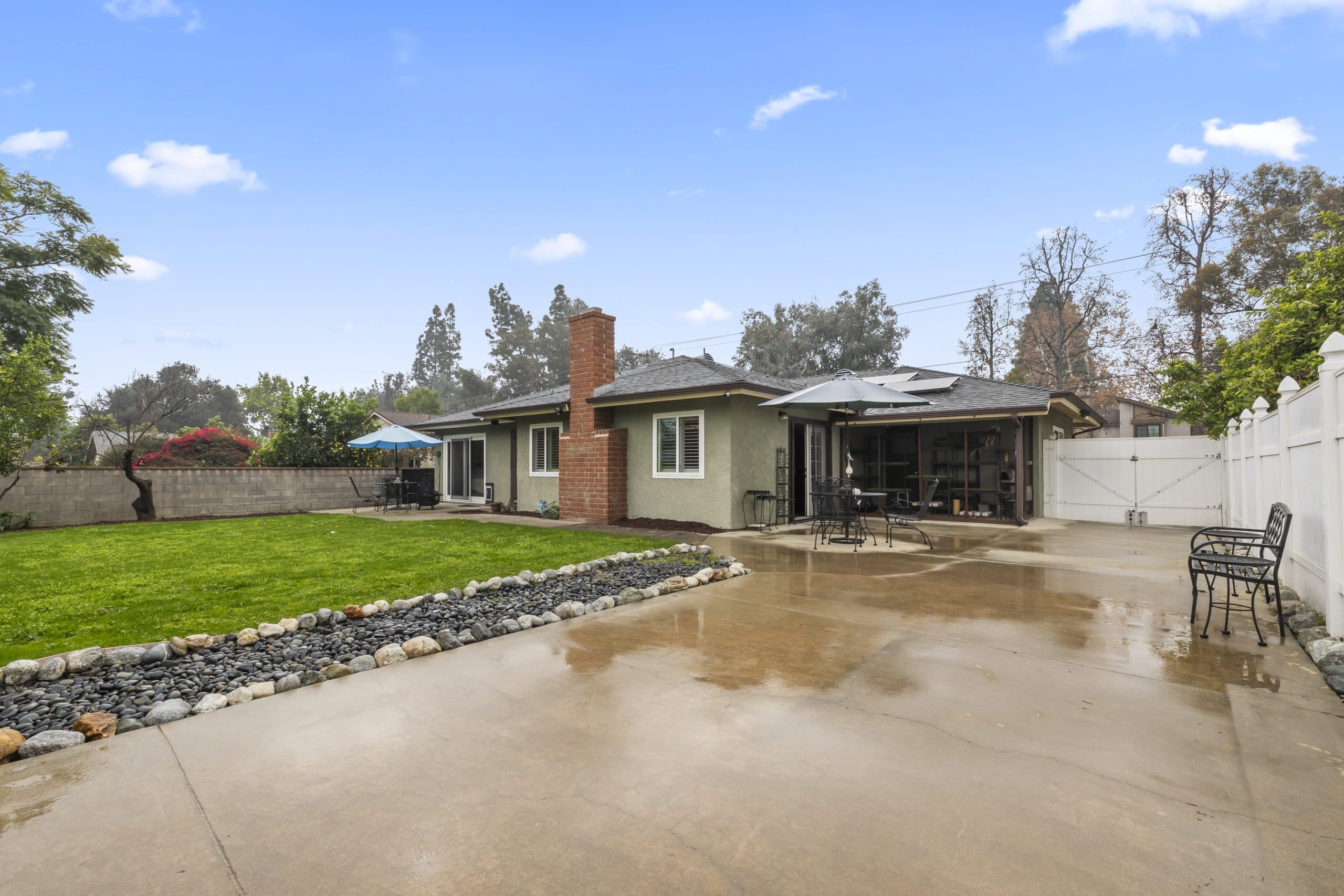
This is when orientation reveals itself. Which rooms are taking the sun? Is the back yard usable at this hour in summer, or is it an oven until eight? Is there a mature tree on the west side, and whose lot is it on?
Then walk one block in each direction and notice where the shade is. The guide to shade is infrastructure explains why a shaded route and an unshaded route of the same length are not the same walk between May and October. Whether a household walks anywhere in summer is often decided by canopy rather than by distance.
Saturday evening: the sound and light audit
Come back after dark, sit in the car with the windows down, and just listen for ten minutes.
You are listening for what has a schedule: field lighting and whistles, amplified sound, freeway or rail noise that carries further at night, court play, and the traffic pattern of people leaving somewhere. You are looking for where light lands, which windows face it and whether the street is lit hard or softly.
Some of that is desirable. A lively evening street is exactly what some buyers want. The point is to know which one you are buying.
Sunday morning: the other rhythm
Sunday behaves differently from Saturday, and a single day of testing can mislead.
Use Sunday morning for the amenity you would use most. If that is trail running, run it, and note the parking and the conditions. If it is a playground, sit at one for twenty minutes and watch how it is used and maintained. If it is courts, see whether they are full at the hour you would want them and how the wait works.
The guide to where the racquet sports live in Claremont is useful if courts are part of the decision, because availability at peak is the thing that determines whether proximity is worth anything.
Sunday afternoon: the drive test
Finish with the trips you will actually make. Drive from the house to the places your week requires, at a realistic hour, and note the left turns, the choke points and the parking.
Then drive the escape route: the road you would take toward the mountains or out of town on a Friday. Proximity to open country is one of the real advantages of this location, but it is only worth something if the drive is short enough that you make it.
Write it down before you forget
Two homes visited a week apart blur. Keep a page per candidate with the walking times you measured, the parking you observed, the sound at night, the shade at four, and one sentence on how the street felt at each hour.
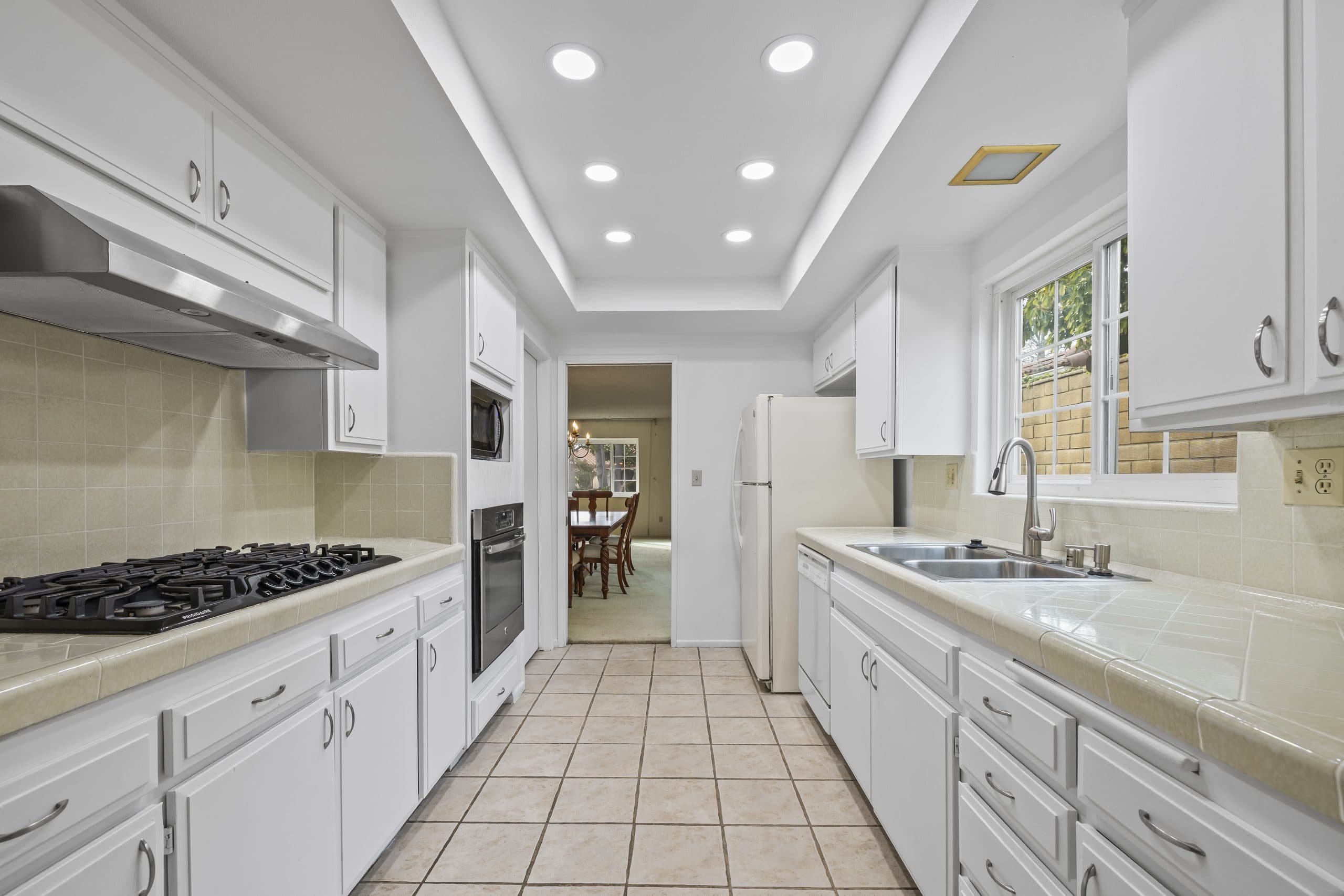
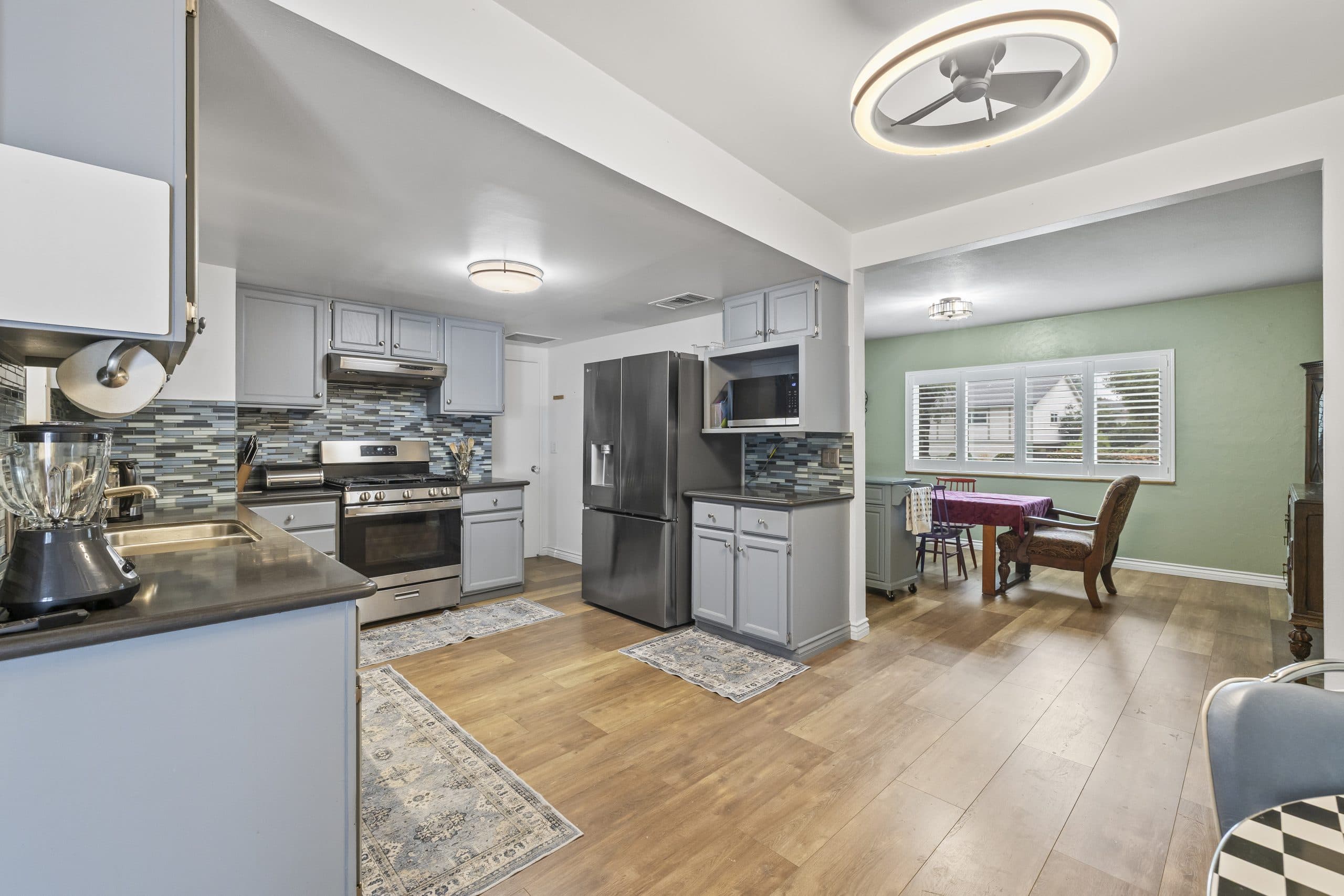
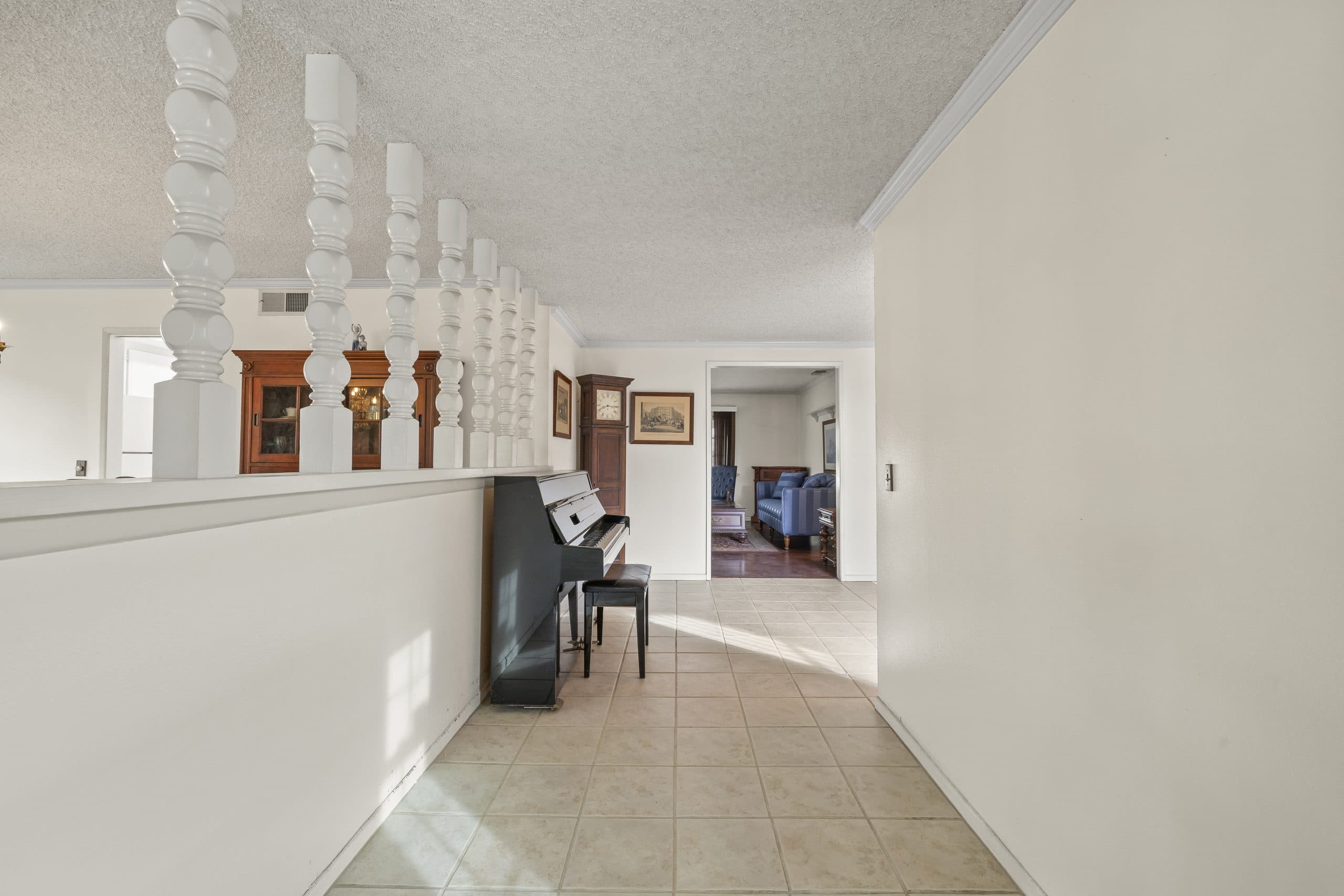
That page is worth more at the offer stage than any amount of listing photography, because it is evidence about the part of the purchase nobody can renovate.
Where to go next
Test the block, not just the building, and test it at the hours when it is busiest rather than when it is convenient. The rest of the parks and recreation cluster covers each of the places above in detail, and the guide to the park-rich neighborhoods of Claremont is the right next read for narrowing a search. For a candid read on how a specific street lives across a week, ask someone who knows it. Anthony Grynchal has been licensed in California since November 2009.
Frequently asked questions
When is the best time to visit a Claremont neighborhood before buying?
At its busiest hours rather than its most convenient. A weekend morning near a trail access point, a weekday evening if there are lit fields nearby, and a late summer afternoon to see how sun and shade fall on the house.
How do I judge whether a park is really within walking distance?
Time the walk on foot, door to door, including crossings and any hill. Mapping estimates routinely understate real routes, and the difference between six and nine minutes often decides whether the amenity gets used daily.
What should I listen for at night?
Anything with a schedule: field lighting and whistles, amplified sound, court play, and traffic surges from people leaving an event. Night sound carries further, and ten minutes in a parked car with the windows down is the cheapest diligence available.
Is one weekend of testing enough?
It is far better than nothing and usually enough to rule a block in or out. If a candidate survives it, add a visit in the opposite season, since heat, canopy and programmed activity all change significantly through the year.

Written by
Anthony Grynchal
Anthony Grynchal is a California real estate professional with eXp Realty, licensed since November 2009 (California DRE# 01873626), and the Designated Local Expert™ for Claremont — where he has lived for more than 33 years.
More about AnthonyPublished · Updated