
If you are the executor or administrator of a Claremont estate, choosing the agent is one of the few decisions that is entirely yours, and it shapes almost everything that follows. The short answer: pick the agent who can explain YOUR authority and what it changes about the sale, who has marketed a house through a court confirmation hearing and can describe it step by step, who prices from current sales rather than from the referee's figure, and who reports to you in writing. Charm, a big sign count and a promised price are not on that list.
This article is the interview. It is a companion to the guide to building your probate team, which sets out who does what. Here the question is narrower: how to tell whether the person you are about to hand the listing to has actually done this before.
Bring your paperwork, and watch what they ask for
Before anyone talks about price, a probate-experienced agent will want to see three things: your Letters (testamentary or of administration), the level of authority the court granted, and your attorney's name. That is not bureaucracy. Those documents decide who can sign the listing, whether the sale needs a hearing, and how long the whole thing is likely to take.
An agent who is ready to put a sign in the yard before Letters have issued is telling you something. So is one who never asks which attorney is handling the estate. If you are not yet sure who has the power to sell, start with who can sell the house and come back to the interview once that is settled.
Question one: what does my authority change about this sale?
Most California estates that include a house are administered under the Independent Administration of Estates Act, with either full or limited authority. The difference matters more for the house than for anything else in the estate.
With full authority, the representative can usually sell without a court hearing by sending a Notice of Proposed Action to the people entitled to it and waiting out the objection period before the sale proceeds. With limited authority, or in a supervised estate, the sale goes to a confirmation hearing that is open to overbids.
A good answer from an agent sounds like this: here is how each path changes the marketing, the contract and the calendar, and your attorney confirms which one applies to you. A weak answer sounds like "it's basically a normal sale." It is not, and the details are in full authority versus limited authority and the Notice of Proposed Action.
Question two: walk me through a confirmation hearing you marketed through
This is the question that separates agents who have done probate work from agents who have read about it. Ask for the sequence, not the summary.
What you want to hear: the accepted offer is treated as an opening bid; marketing continues after acceptance because the hearing is open; buyers are told up front that they may be overbid in court; overbidders are expected to arrive qualified, with the deposit the court requires; and the Probate Code sets a minimum for the first overbid, which your attorney calculates before the hearing. You also want the agent to explain, without being asked twice, that in a confirmed sale the court approves the commission in its order, and that the code governs how it is divided if an overbidder arrives with a different agent.
If the answer is vague on any of that, read how the overbid process works before the second interview. It will make the next agent's answer much easier to judge.
Question three: how will you price a house the estate has owned for decades?
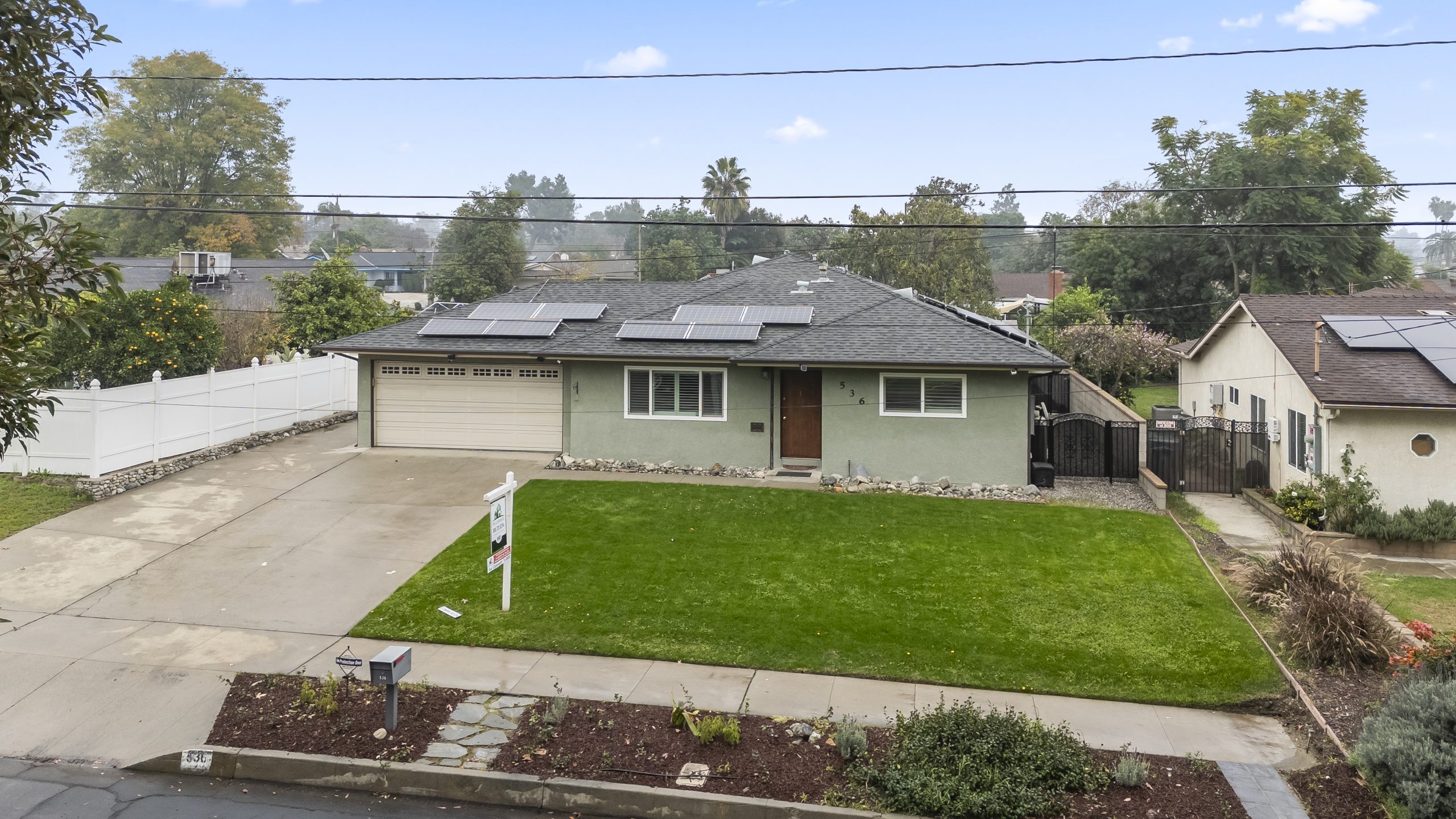
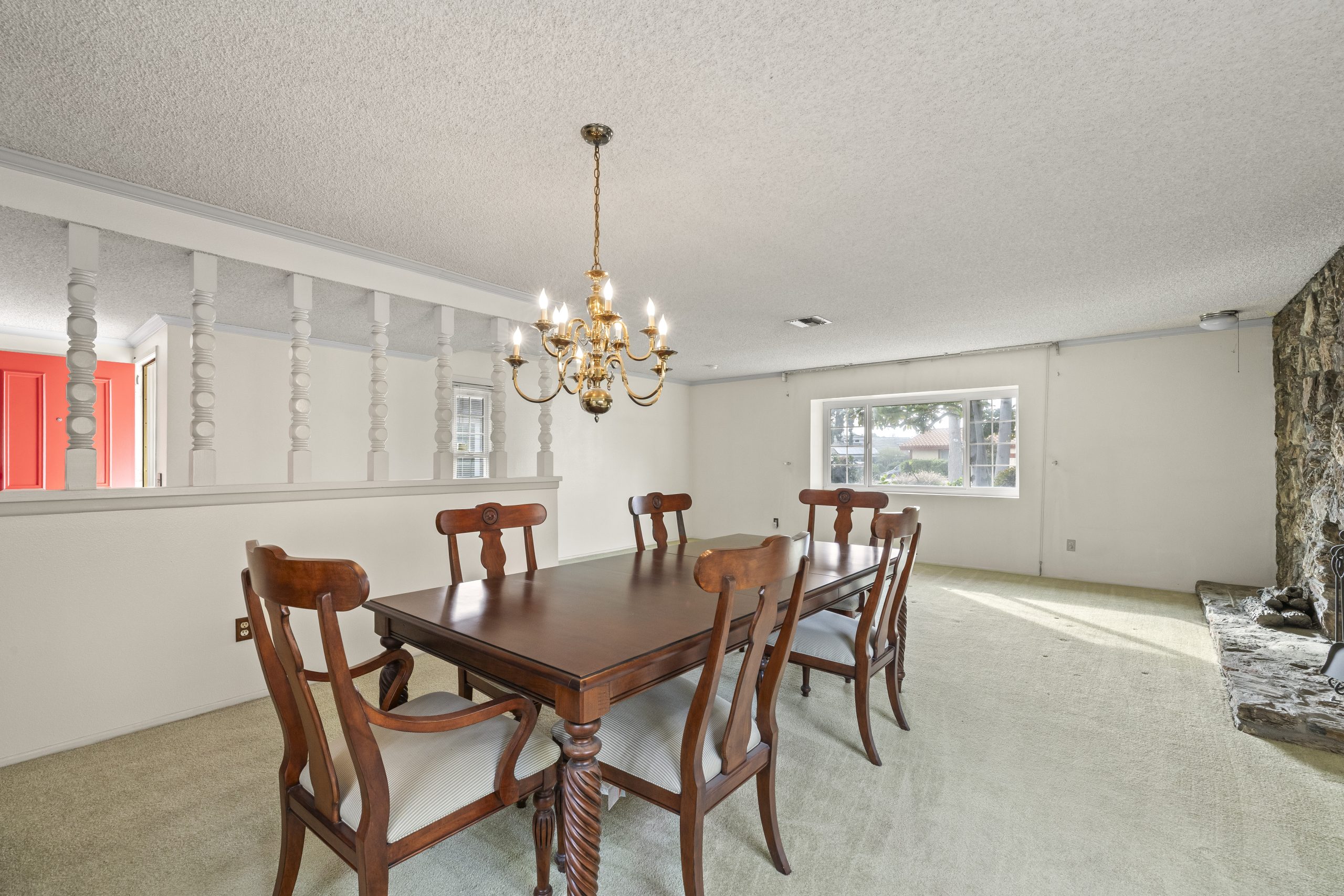
Estate houses in Claremont tend to be long-held. A postwar ranch south of Foothill with its original kitchen. An older house in the grid near the Village and the Colleges with knob-and-tube questions. A larger lot north of town with mature trees and a garage full of forty years. Each of them prices differently from the renovated house that sold down the street last spring.
Families almost always anchor on one number: the probate referee's inventory value. In my experience it is the wrong number to list at, in either direction, because it answers a different question. The referee values the property as of the date of death for the estate's accounting. A list price has to answer what buyers will pay this month, for this house, in this condition. The distinction is laid out in the probate referee and your home's value.
Ask the agent to show you the recent sales they would use and why, and to explain how the price interacts with a possible overbid. A sensible pricing plan for a hearing sale is not the same as one for an ordinary listing, which is the point of why estates list differently.
Question four: what would you fix, and who pays for it?
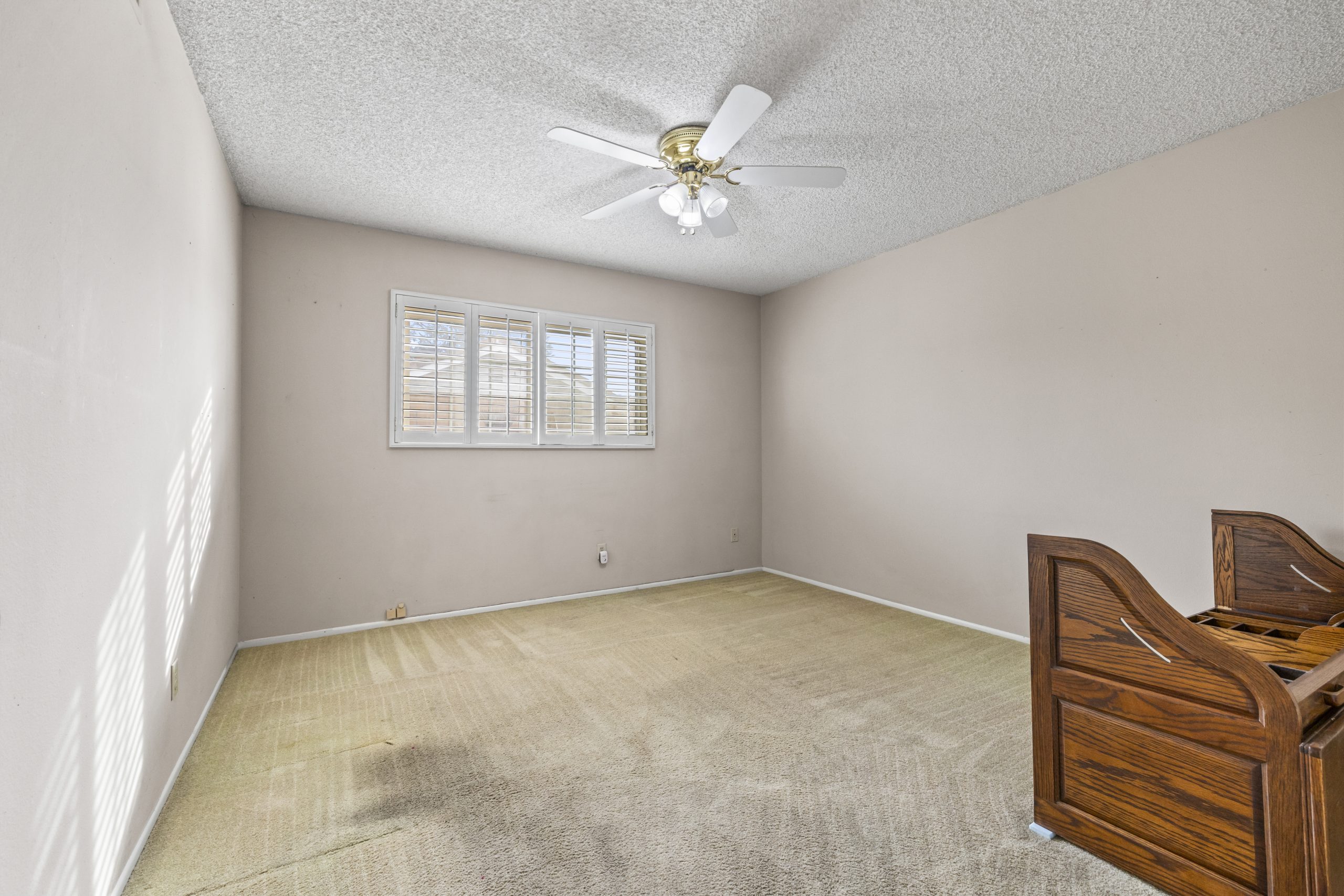
Every dollar spent on the house is estate money, and every dollar has to appear in the accounting. A probate-experienced agent knows this and plans accordingly: clear the contents, make the house safe and showable, deal with the yard, and stop. Remodeling an estate house to chase a higher price is rarely worth the time, the receipts or the family debate.
Ask what they would do in the first two weeks, what it would cost, and what they would leave alone. Ask how they handle disclosure. Probate sales are exempt from some of the standard seller forms, but known material facts still have to be disclosed, and an agent who treats the exemption as a license to say nothing is creating risk for you. Selling a probate home with deferred maintenance covers the trade-offs in more depth.
One local note worth raising in the interview. An empty Claremont house is easy to spot from the street: the lawn browns, the mail piles up, a lockbox appears. Within weeks the letters and the knocks start. Ask the agent how they will keep the property looking occupied and cared for, and how they want you to handle unsolicited offers after a probate filing, which many estates receive before the house is even listed.
Question five: how will you report, and to whom?
You are accountable to the court and to the heirs. Your agent should make that easier, not harder.
Ask for written updates on a fixed schedule, every offer forwarded to you in writing whether or not the agent likes it, and showing feedback you can share with the family. Ask how they handle heirs who call them directly. The right answer is courteous and firm: the agent works for the representative, and information goes through you. Estates with several heirs and different opinions are exactly where that discipline pays off.
Answers that should give you pause
A promised price. Nobody can promise what buyers will pay, least of all in a sale that may end in a courtroom auction.
"The hearing is just a formality." It is a real proceeding, open to overbidders, and the court can confirm a different buyer than the one you accepted.
Legal advice. An agent who tells you whether you need court confirmation, or how to divide proceeds, is answering questions that belong to your attorney.
Pressure to sign a long listing immediately. The listing terms in an estate sale should fit the authority and the timeline your attorney describes, not the agent's preference.
An offer to buy the house themselves, or to bring a buyer they also represent, without a full written explanation. Treat either as a question for your attorney before anything else.
When listing is not the right route
Some estates are better served by not listing at all: a house with serious condition problems, heirs who need a fixed number quickly, or a representative living out of state who cannot manage repairs. If you want to see that side laid out, my cash-offer brand, Mr. Cali Offers, explains how the cash route works in a probate sale. Compare the two on what the estate nets and how certain the closing is, not on the headline price.
Where to start
Interview two or three agents with the same five questions and take notes. The differences show up quickly. If you are the representative of a Claremont estate and want a straight answer about the listing plan, or about whether the house should be listed at all, call me at (909) 731-5374 and bring your Letters and your attorney's name.
For the whole process from the first filing to the final accounting, start at the Claremont probate guide. Anthony Grynchal has been licensed in California since November 2009.
Frequently asked questions
What should I ask a realtor before listing a probate house in Claremont?
Ask what your authority level (full or limited under the Independent Administration of Estates Act) changes about the sale, how they have marketed through a court confirmation hearing, how they would price a long-held house, what they would fix with estate money, and how they will report to you in writing.
Does a probate sale always need a court hearing?
No. Under full independent authority the representative can often sell after giving a Notice of Proposed Action and waiting out the objection period. Limited authority or a supervised estate means a confirmation hearing that is open to overbids. Your probate attorney confirms which applies.
Should I list the house at the probate referee's value?
Usually not. The referee values the property as of the date of death for the estate's accounting. A list price has to reflect what buyers will pay now for the house in its current condition, supported by recent comparable sales.
Who sets the agent's commission in a court-confirmed probate sale?
In a sale that goes to a confirmation hearing, the court approves the commission in its order confirming the sale, and the Probate Code governs how it is divided if an overbidder brings a different agent. Ask your attorney how this applies to your estate.

Written by
Anthony Grynchal
Anthony Grynchal is a California real estate professional with eXp Realty, licensed since November 2009 (California DRE# 01873626), and the Designated Local Expert™ for Claremont — where he has lived for more than 33 years.
More about AnthonyPublished