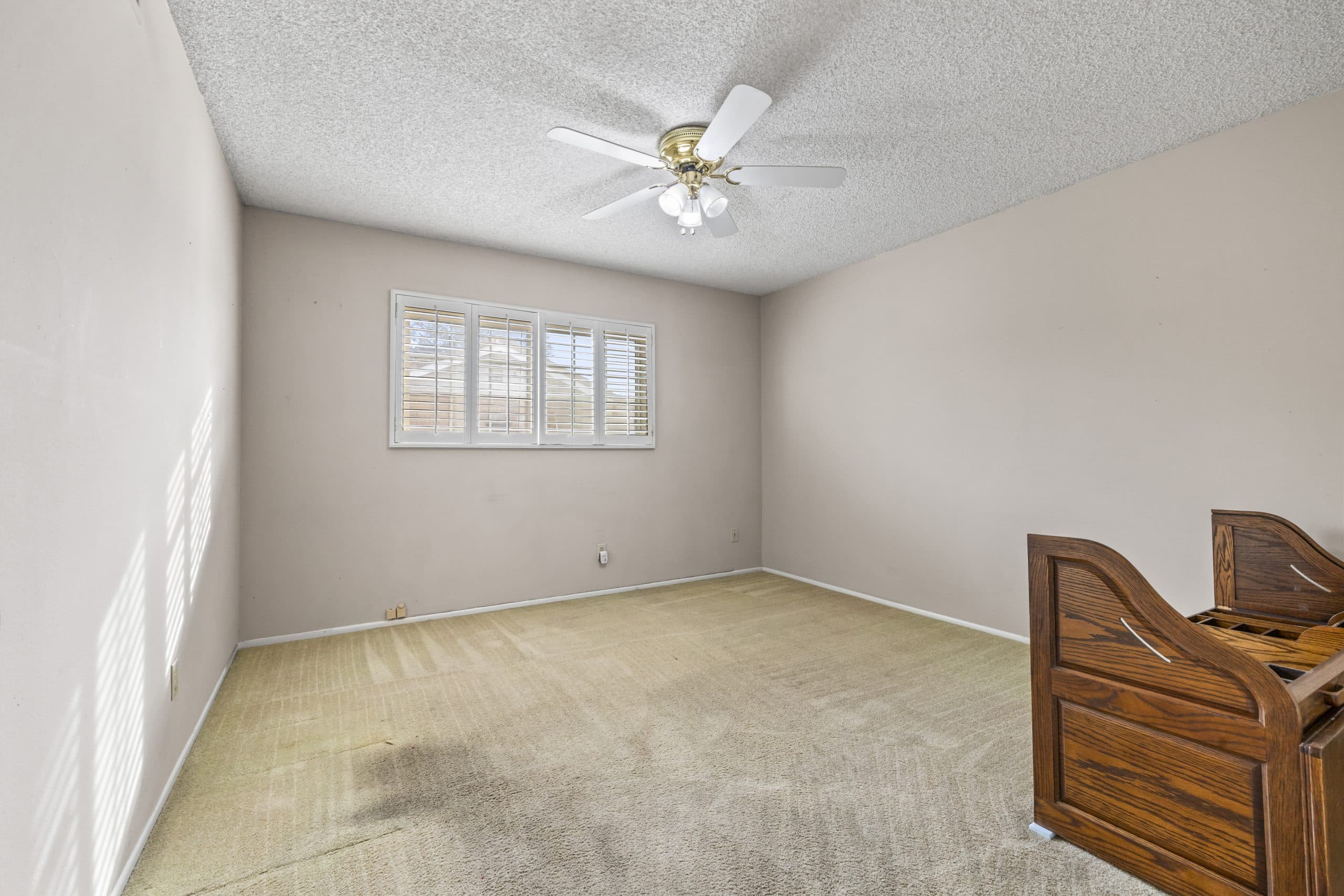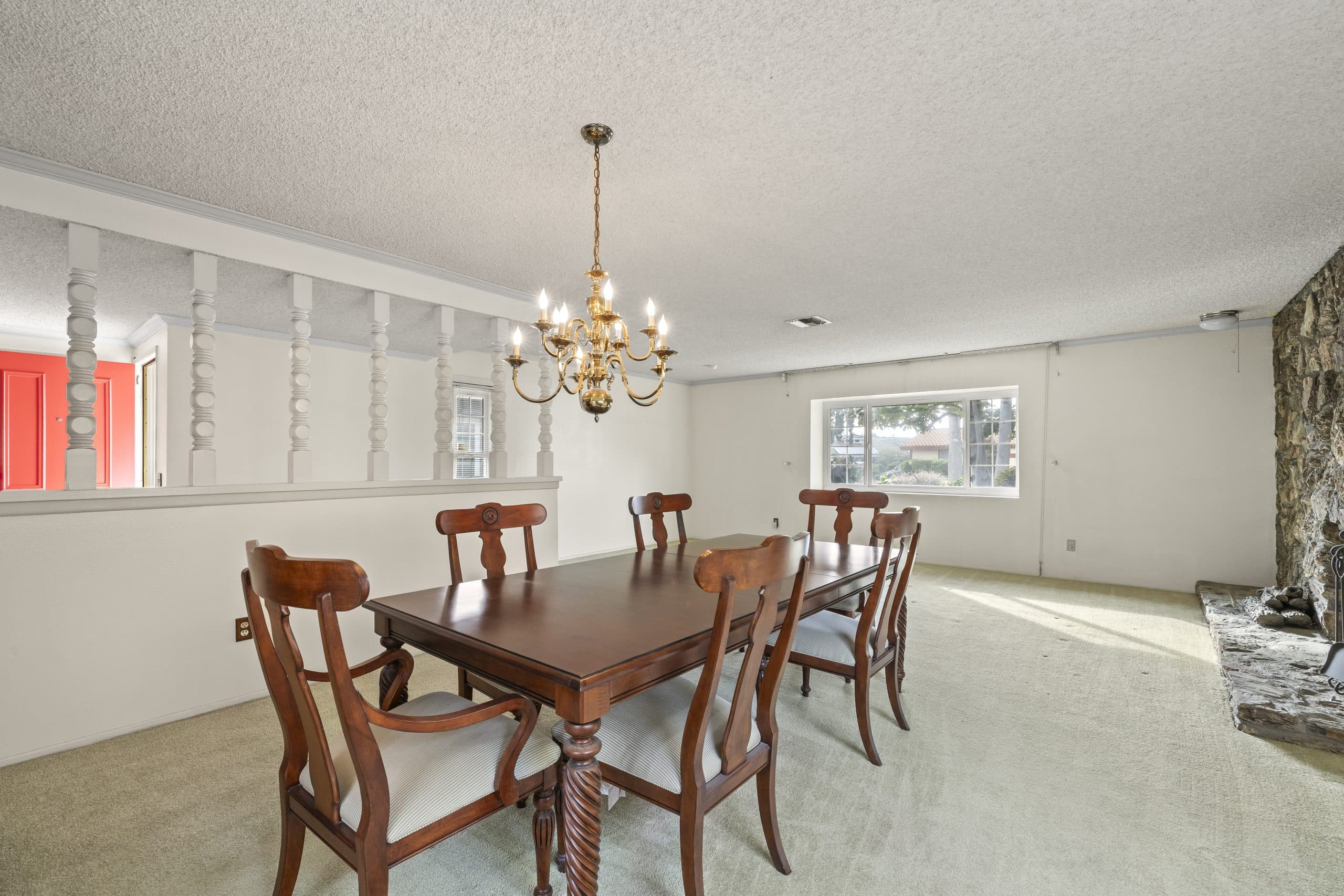
Most homes that come through probate have been lived in for a long time. That is the ordinary shape of it. Someone bought a house, stayed in it for decades, and in the last years of their life stopped climbing on the roof and stopped calling plumbers for anything that was not urgent.
So the person who now has to sell it walks in and finds a list. A slow drain. A water heater older than the grandchildren. A patio slab lifting where a tree root ran under it. Paint that gave up on the south wall.
This is normal, and it does not mean anything went wrong. It does mean the sale needs a plan that is different from a routine listing.
Start from the role, not from the house
A personal representative is not a homeowner making choices about their own property. The role is a fiduciary one, and the decisions are made on behalf of the estate and the people who have an interest in it. That framing is what keeps a repair budget from turning into a family argument later.
Practically, it means every repair decision needs a reason you could explain out loud: this was a safety issue, this was required for access, this was the cheapest way to remove an obstacle to closing. Personal taste is not a reason. Neither is a feeling that the house deserves better.
It also means the scope of what you are allowed to do without going back to the court depends on the authority the court granted. That is a legal question with a real answer, and it is worth confirming before you sign a contractor agreement rather than after. We cover the distinction in full authority versus limited authority, and your probate attorney is the person to confirm which applies to your case.
Triage in three bands
When the list is long and the estate has limited cash, the useful move is to sort rather than to price everything at once.
The first band is SAFETY AND ACCESS. Anything that could hurt somebody walking through, or that stops a buyer, an inspector, or an appraiser from getting into a room, goes here. A loose stair rail. A gas appliance that smells wrong. A garage door that will not stay up. A locked wing nobody has a key to. These get handled regardless of the sale strategy, because they create risk while the house sits and they create risk during showings.
The second band is FUNCTIONAL FAILURES. Things that are broken rather than dated. An inoperable furnace, a leaking supply line, a section of missing fencing. These are worth bids, because a buyer will discover them anyway and will usually price them harder than a contractor would.
The third band is COSMETIC AND DATED. Original kitchens, old flooring, wallpaper, a bathroom that is intact but from another decade. This is where estates spend money they should not spend. A dated house that is clean, dry, and honestly presented is a marketable house. A half-renovated one often is not.
Get bids before you decide, not after
A surprising number of estate repair decisions get made on a guess. Someone assumes the roof needs replacing because it looks tired, and the number in their head is large enough that it changes the entire sale plan.
Bids are cheap and guesses are expensive. Have a licensed roofer look at the roof. Have a plumber scope the main line if the house is old enough that everyone is already worried about it. What you are buying is not the repair, it is the ability to describe the condition accurately.
That description has value even if you never do the work, because it lets you sell the house on facts instead of on a buyer imagination running loose. A buyer who is told the sewer line was scoped and here is what it showed is negotiating against a document. A buyer who is told nobody knows is negotiating against their worst case.
Disclosure duties do not disappear
California exempts certain probate sales from the standard transfer disclosure statement, and a lot of families hear that and conclude they do not have to say anything. That is the wrong conclusion, and it is one of the more expensive misunderstandings in this whole area.
An exemption from a particular form is not an exemption from telling the truth about what you know. If a representative knows the garage floods, that is a known material fact, and there are other disclosure obligations that continue to apply. The safe posture is to disclose what you know, in writing, and let the exemption reduce paperwork rather than reduce honesty. The details are set out in what California exempts in probate sales, and the specific application to your file belongs with counsel.
As-is is a condition, not an excuse
Selling as-is is a completely respectable strategy for an estate. It conserves cash, it shortens the timeline, and it puts the renovation risk on a buyer who has chosen to take it.
What as-is does not do is remove your obligation to describe the house, and it does not mean nobody will inspect. Buyers still inspect as-is homes. What changes is the expectation about who fixes what afterward.
The version of as-is that works is a house that is empty, clean, lit, and accessible, with a known condition and a price that reflects it. The version that does not work is a house full of belongings with a locked room and a vague description. That is not as-is, that is unknown, and unknown is what buyers discount hardest.
Sequencing with the rest of the estate
Deferred maintenance interacts with everything else on the list. You cannot bid a floor with furniture on it, and you cannot photograph a room full of boxes. The cleanout usually has to come first, and the repair decisions get easier once you can actually see the house.
Vacancy also has its own costs while all of this happens, from insurance treatment to the simple fact that empty houses attract attention. Keep those running in parallel rather than sequentially, or the repair phase quietly becomes the longest part of the sale.
If you are working out the order of operations, start with preparing an inherited Claremont home for sale, and browse the rest of the probate resources for the surrounding steps. For the legal boundaries on what you may authorize and when, work with your probate attorney and the court.
Anthony Grynchal has been licensed in California since November 2009.
Frequently asked questions
Should an estate repair a house before selling it?
Usually only where safety, access, or a functional failure is involved. Cosmetic updating rarely pays back on an estate sale, and a personal representative should be able to explain the reason for any repair in fiduciary terms. Confirm what your court authority permits before committing to work.
Does selling as-is mean the estate does not have to disclose anything?
No. As-is describes who pays for repairs, not what you must tell a buyer. Known material facts still need to be disclosed, and the probate exemption from certain forms does not remove that duty. Ask your probate attorney how it applies to your file.
What should be done first when a house has years of deferred maintenance?
Clear the house enough to see it, then handle safety and access items, then obtain bids on the failures buyers will ask about. Cosmetic work is the last thing to consider and often should not be done at all.
Do we need court approval to make repairs?
It depends on the authority the court granted the personal representative and the nature of the expense. That is a legal question for your probate attorney, and it should be answered before you sign a contractor agreement.

Written by
Anthony Grynchal
Anthony Grynchal is a California real estate professional with eXp Realty, licensed since November 2009 (California DRE# 01873626), and the Designated Local Expert™ for Claremont — where he has lived for more than 33 years.
More about AnthonyPublished · Updated