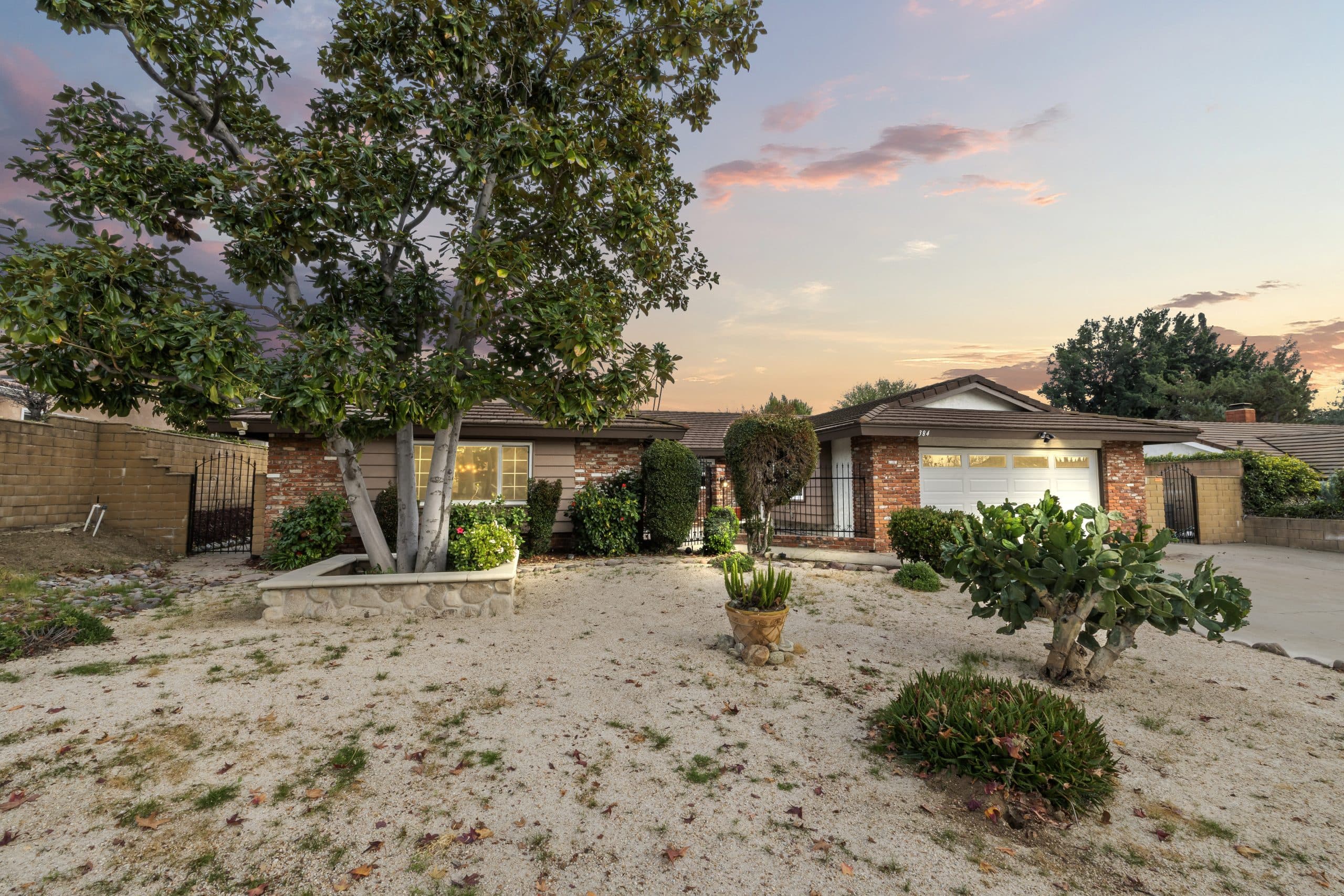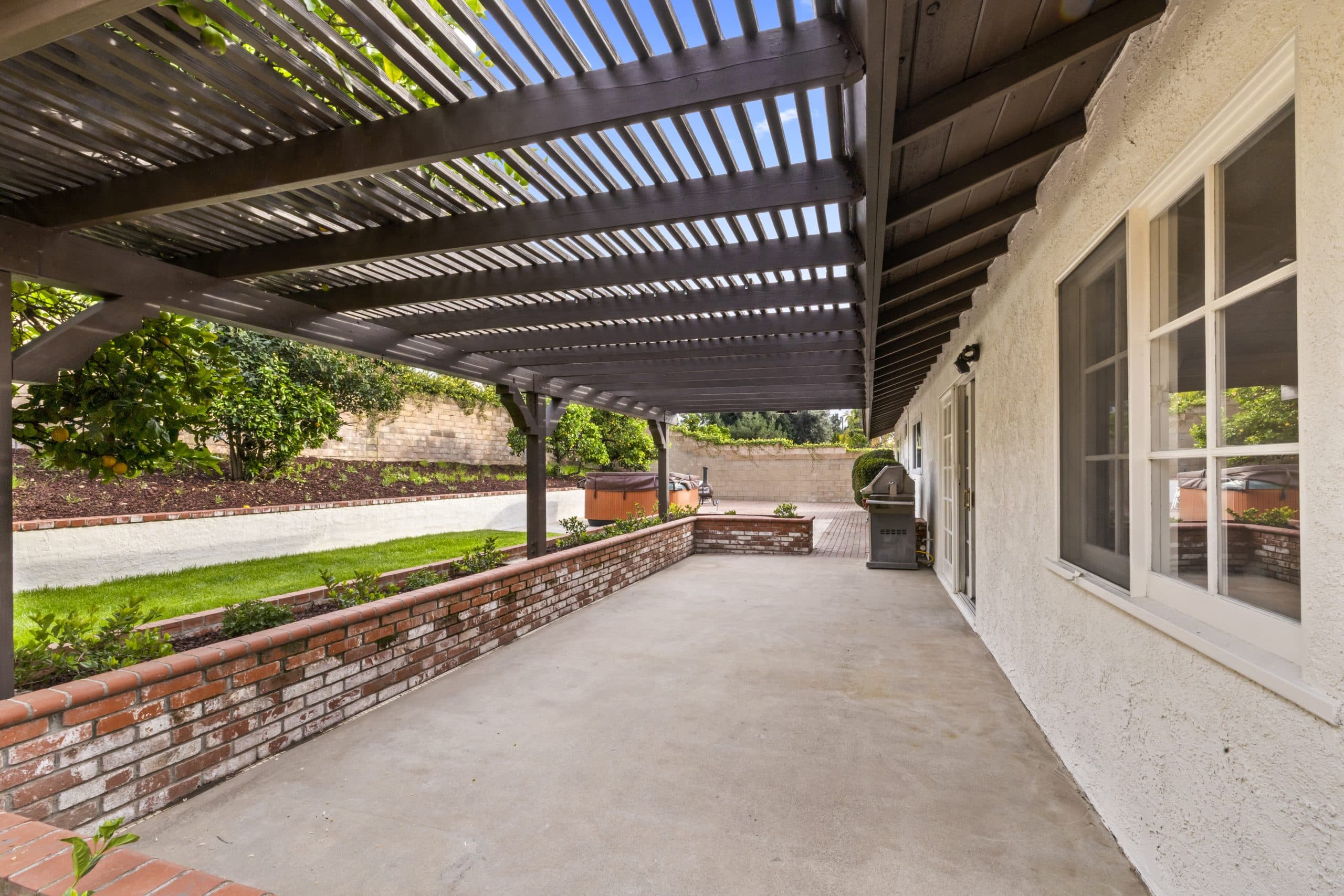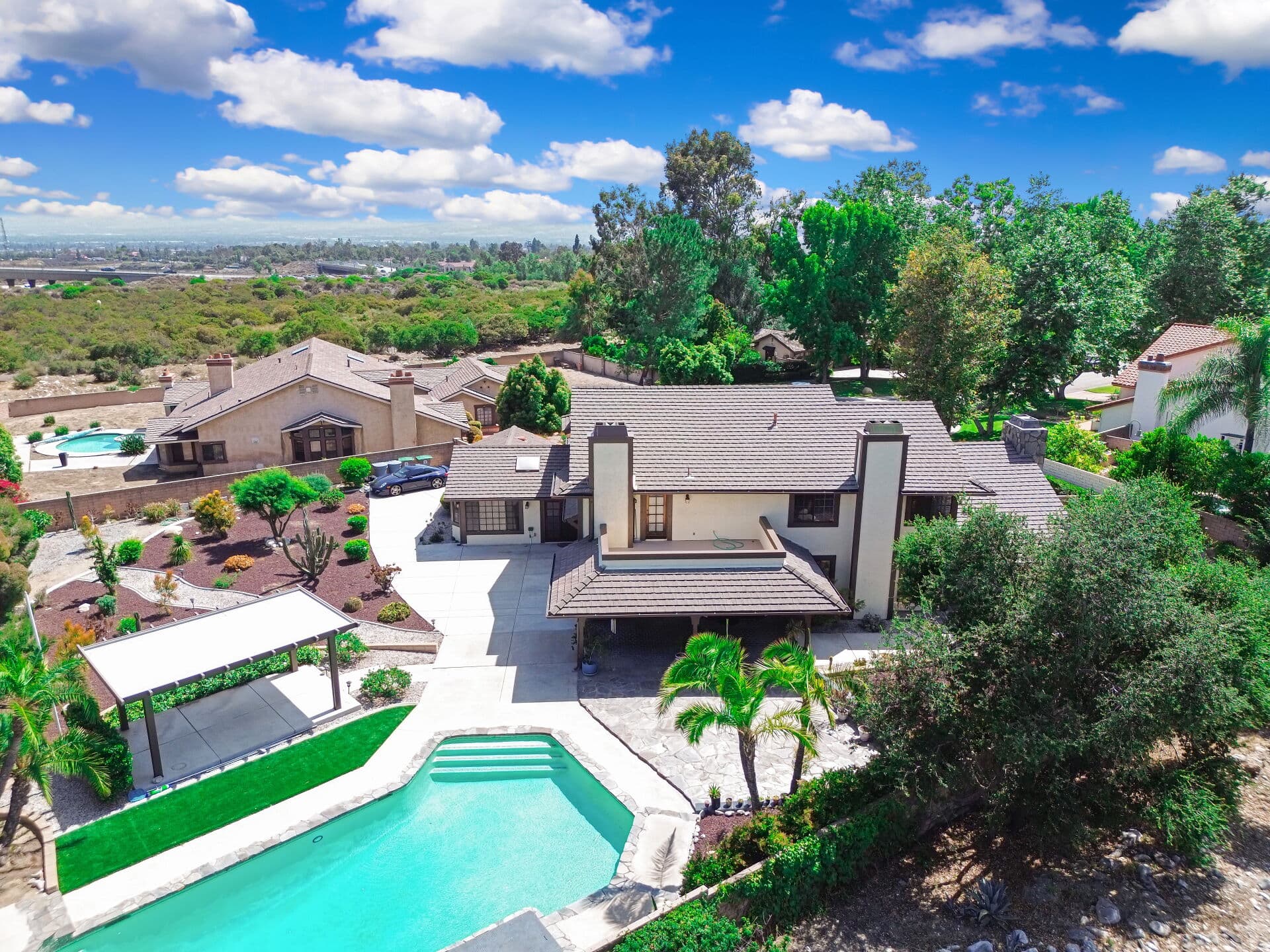
Households relocating with animals tend to research the town and forget the LOT. That is backwards. Claremont as a city is not the constraint; the specific parcel is, and two houses on the same street can answer the same animal question differently because one sits in a homeowners association and the other does not, or because one carries a zoning designation the other lost decades ago.
This is a due-diligence article, not a rules list. Nothing below should be treated as the current regulation, because animal keeping standards are set by the city and, where applicable, by a private association, and both change. What follows is the sequence of questions to ask, and who to ask them of, before you commit to a property. It deepens the relocation guide and picks up where the dog relocation guide stops.
Start with the parcel, not the city
Three layers govern what you can keep, and they stack.
ZONING. The city's zoning designation for the parcel sets the baseline: what animals are permitted, in what numbers, and with what setbacks from structures and property lines. Claremont's north side includes lots with a genuinely rural inheritance, and the foothill edge of town has parcels whose size and history differ sharply from the grid nearer the Village. Do not infer a designation from what the neighbours are doing; ask the City of Claremont's planning counter about the specific address.
PRIVATE COVENANTS. A homeowners association or a recorded covenant can be stricter than the city, and frequently is. Association rules routinely address animal counts, structure types, fencing appearance, and noise, and they are enforceable against you regardless of what zoning permits. Read the governing documents during your contingency period, not after.
THE PHYSICAL LOT. Slope, drainage, existing fencing, water access, gate width, and whether a trailer can actually reach the back of the property. This is the layer buyers skip and then pay to correct.
Horses: the question is access and infrastructure
Keeping a horse asks more of a parcel than any other animal on this list. The permitting question is real, but so is the practical one: is there level, drained ground of usable size, is there a water source that will not freeze the plumbing on a cold foothill morning, and can a truck and trailer get in and turn around without a three-point manoeuvre against a neighbour's mailbox?
Ask about existing structures too. A barn, shelter, or corral that predates the current code may be legal as it stands and yet not extendable, or it may have been built without permits, which becomes your problem at resale rather than theirs. Ask the city whether existing animal structures on the parcel are permitted, and get the answer before your inspection contingency closes.
Boarding nearby is the alternative many arriving horse owners settle on, and it is worth pricing honestly against the cost of upgrading a lot. The foothill and adjacent-community equestrian infrastructure is a real thing in this part of the region, and a household that boards can buy a house on its own merits rather than compromising on both.
Chickens and small livestock: setbacks and neighbours
Backyard poultry is the fastest-growing version of this question and the one with the most local variation. Typical municipal frameworks address permitted counts, whether roosters are treated differently from hens, coop placement and setbacks, and sanitation. All of that is verified with the city, and the association layer applies on top.
The practical Claremont notes: this is a town with a serious tree canopy and a serious wildlife population at the foothill edge, so a coop here is a predator-proofing project as much as a housing one. And the properties where poultry works best are the ones where the coop can sit well away from a neighbour's bedroom window, which on a compact lot is a real design constraint rather than a footnote.
Large dogs: fencing, gates, and the yard you actually get
Nothing about dog ownership here is exotic, but a relocating household routinely overestimates the yard. Older Claremont houses often sit on generous lots with modest usable fenced area, because mature landscaping, a detached garage, and a driveway easement have consumed the rest. Walk the fence line, look for gaps at grade where a determined animal gets out, check gate latches, and note whether the side yard is a genuine run or a corridor.
Association properties frequently regulate fence height and material, which is exactly the pairing that decides whether a fence contains a large dog. Check it before you assume you can raise one.
The checks to run before you write an offer
- Call the City of Claremont about the specific address: zoning designation, permitted animals and counts, setback requirements, and whether existing animal structures are permitted.
- Ask the listing side whether the property is in an association, and if so read the governing documents in your contingency period, looking specifically at animal counts, structures, fencing, and nuisance provisions.
- Walk the lot with the animal in mind: slope, drainage, water, shade, gate width, trailer access, and the actual fenced area rather than the parcel size.
- Ask about permits on existing structures, because an unpermitted barn or coop becomes your disclosure problem when you sell.
- Price the alternative honestly. Boarding, or a coop on a different lot, may cost less than buying the wrong parcel and improving it.
Two more things worth knowing
Insurance carriers ask their own questions about animals on a property, and their answers do not track the city's. Raise it with your carrier before closing rather than at renewal.
And the local climate is a factor. Summer heat and the seasonal wind and fire conditions of a foothill town both bear on shelter design, water planning, and evacuation logistics for animals that cannot load themselves into a car. The weather guide is the honest version of what those seasons feel like.
Verify every zoning, permitting, and association specific with the City of Claremont and the association itself. This is general information; the parcel, the current code, and the recorded documents govern.
Anthony Grynchal has been licensed in California since November 2009 and has watched more than one animal-owning buyer fall for a house whose lot could not carry the plan. The check takes an afternoon; the correction takes years.
Frequently asked questions
Can I keep chickens at a home in Claremont?
It depends on the parcel and, if one exists, on the homeowners association. The city sets permitted animals, counts, and setbacks by zoning designation, and a private covenant can be stricter than the city and is separately enforceable. Verify both for the specific address before writing an offer rather than inferring from neighbouring properties.
Are there properties in Claremont where horses are allowed?
Some parcels, particularly toward the north and foothill edge of town, carry a rural inheritance that other parts of the grid do not. Whether horses are permitted at a given address is a zoning question for the City of Claremont, and the practical questions of level ground, water, shelter, and trailer access matter just as much as the permission does.
How do I check whether existing animal structures on a property are legal?
Ask the city whether the barn, shelter, or coop was permitted, and do it inside your inspection contingency. An unpermitted structure becomes your disclosure problem when you sell, and it can also limit what you are allowed to extend or replace.
Do homeowners associations in Claremont restrict pets?
Associations commonly address animal counts, structures, fencing height and material, and nuisance, and those rules can be stricter than the city's. Read the governing documents during the contingency period; fence rules in particular decide whether a yard will actually contain a large dog.

Written by
Anthony Grynchal
Anthony Grynchal is a California real estate professional with eXp Realty, licensed since November 2009 (California DRE# 01873626), and the Designated Local Expert™ for Claremont — where he has lived for more than 33 years.
More about AnthonyPublished · Updated