A dog changes which house you should buy, and most people relocating here do not find that out until after they have bought one. The yard turns out to be beautiful and unfenced. The walk to the Village is lovely and the pavement in August is not. The trail at the top of town has rules nobody mentioned.
None of it is difficult. All of it is easier known in advance.
The paperwork, briefly
Dog licensing is handled at the city level and rabies vaccination documentation is normally part of the process. Confirm the current requirements, fees and timing with the City of Claremont directly rather than relying on any article, since those change.
Two things to do in your first week regardless: update your microchip registration to the new address, because a chip pointing at your old city helps nobody if the dog slips a gate during unpacking, and get your vet records transferred and a local vet identified before you need one urgently. The wider paperwork sequence for a move is in the newcomer admin guide.
What the town is genuinely good at
This is a good dog town, and the reasons are structural rather than sentimental.
The street grid through much of the older part of town is flat, shaded by a deep and deliberately protected tree canopy, and lined with sidewalks. That combination is rarer in Southern California than newcomers expect, and it means a daily walk is pleasant rather than an exercise in dodging traffic on a shoulder.
The Village is walkable and dog-friendly in the ordinary way a small center is, with outdoor seating at a number of places. Confirm any specific business's policy rather than assuming, but the general culture is relaxed.
And the foothill trails at the top of town give you somewhere real to go on a weekend without driving far. Rules on leashes and where dogs are allowed vary by area and can change, so check the current posted rules for the Claremont Hills Wilderness Park and any other trail before you go, and follow them. Enforcement exists and the rules are there for wildlife reasons rather than bureaucratic ones.
The heat is the real issue
This is inland Southern California, and summer here is long and genuinely hot. The mistake newcomers make is scheduling walks the way they did wherever they came from.
Practical adjustments that matter:
- Walk early and late. Mid-afternoon is not a training problem, it is a pavement problem. Asphalt holds heat long after the air has cooled.
- Test the pavement with your hand. If you cannot hold it comfortably, it is not walkable for a dog.
- Shade is a house feature. A yard with mature trees is materially different from an open one in July, and so is a west-facing patio with no cover.
- Water everywhere. Inside, outside, in the car. Dry heat dehydrates faster than people expect because they do not see the sweat.
The seasonal picture in full is in the year-round weather guide, and it is worth reading with the dog in mind.
Wildlife, told straight
Coyotes are present throughout the foothill communities of this region, and they are more active near the open space at the top of town. This is not a Claremont problem; it is a Southern California foothill reality, and it is manageable with ordinary habits.
What responsible owners here do: keep dogs leashed outside, do not leave small dogs unattended in a yard, especially at dawn and dusk, secure food and water sources, and make sure fencing is genuinely intact rather than approximately intact. Follow the City of Claremont's current guidance on wildlife, which is the authoritative source.
Rattlesnakes exist on the trails in warm months. Stay on the path, keep the dog on a short leash, and talk to your vet about local risk and prevention options.
How a dog should change the house search
Say the requirements out loud before you tour, because they are easy to forgive in the moment and hard to live with afterward.
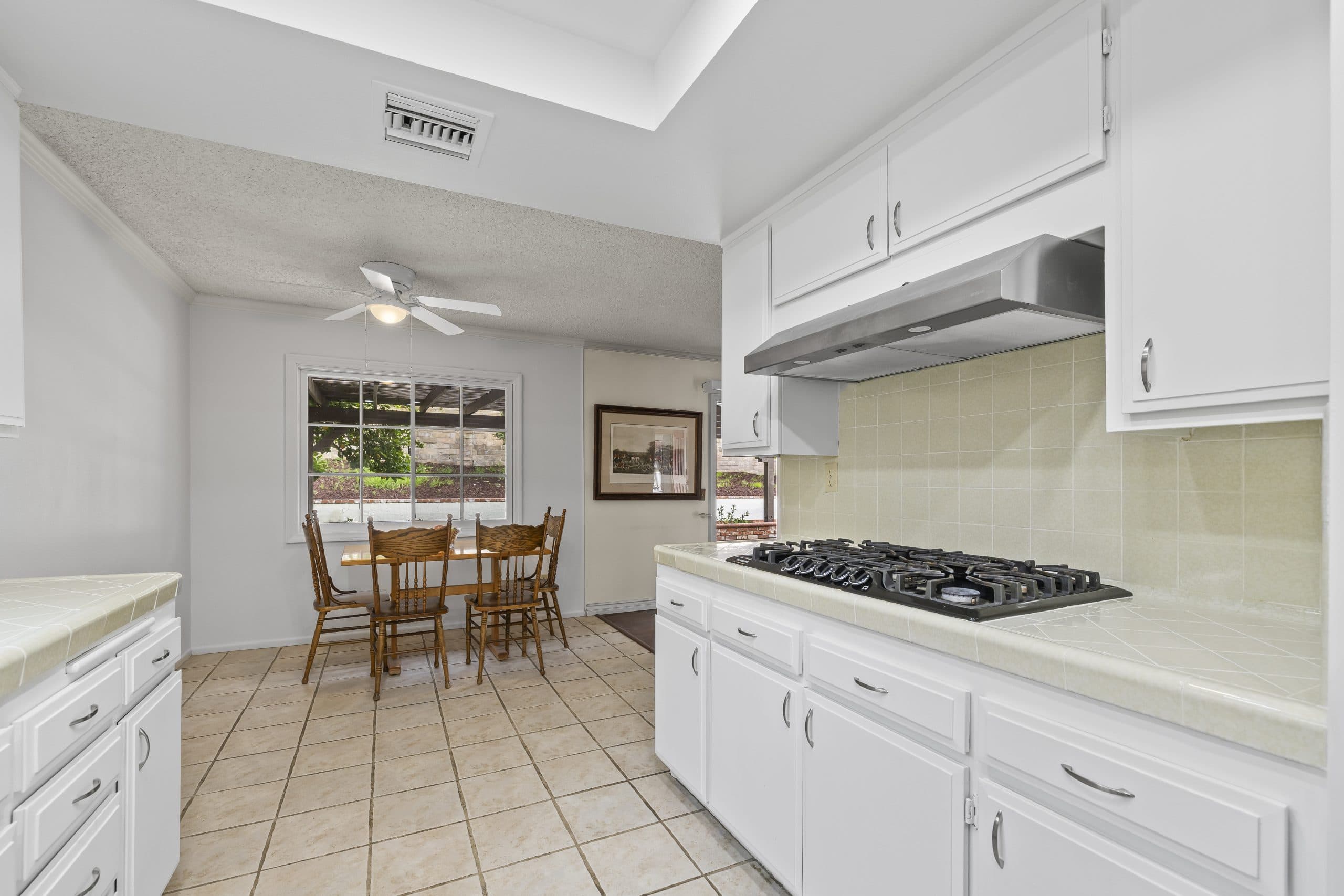
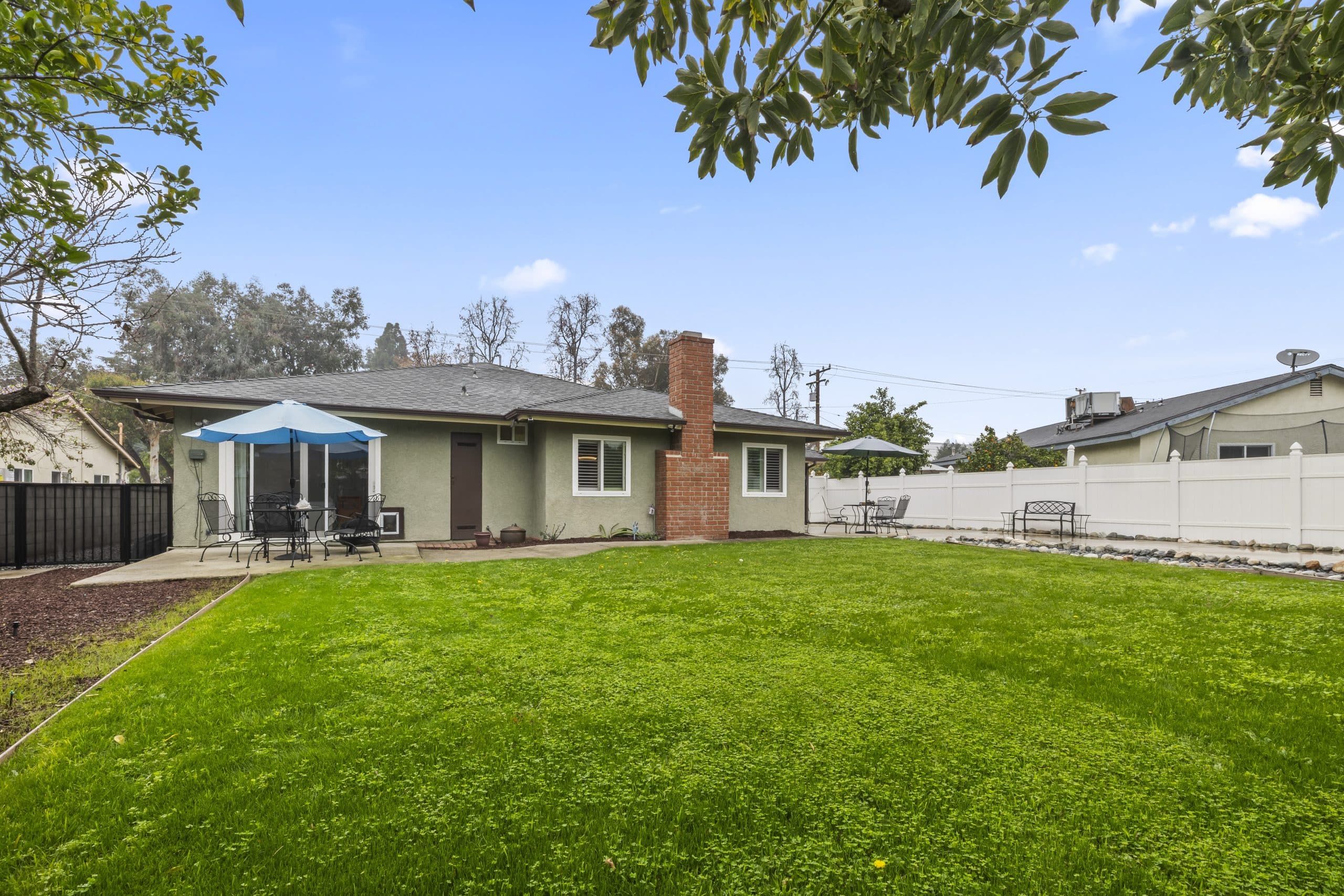
- Fencing, actually inspected. Height, condition, gaps at the base, gate latches. Older properties often have older fencing, and a determined dog finds the weak point in week one.
- Yard usability, not yard size. Shade, surface and access from the house matter more than square footage.
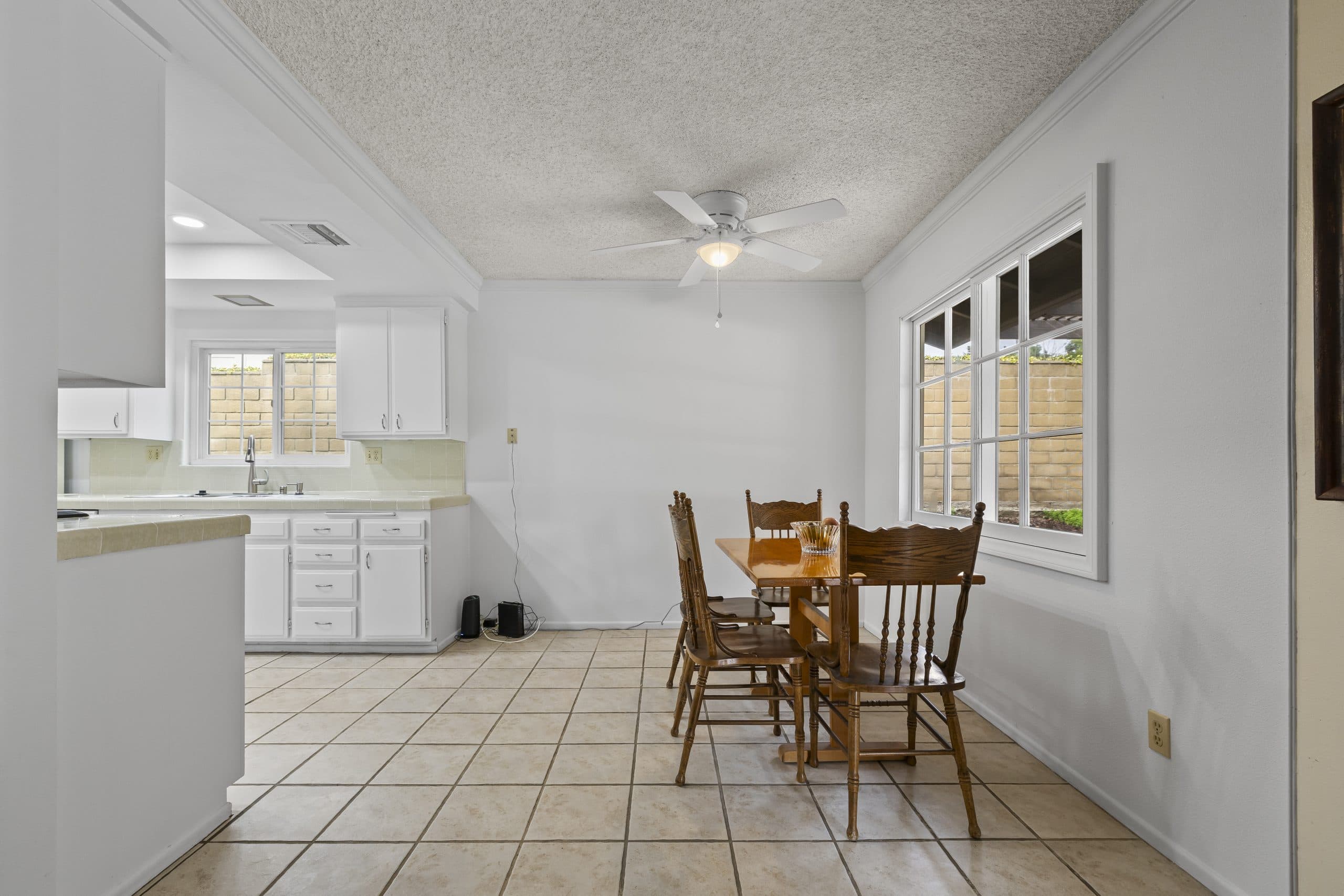
- Flooring and entry. A muddy-paw route from the yard to the laundry is a small thing that improves every rainy week.
- The street itself. Walk the block at the hour you would walk it. Sidewalk continuity, traffic speed and canopy vary meaningfully within town.
If you are buying into a community with a homeowners association, or renting first, READ THE PET RULES before you commit. Restrictions on number, size or breed exist in some communities and in many rentals, and they are not negotiable after the fact. If you plan to rent for a first year, factor pet policies into the search from the start rather than discovering them late.
The first two weeks
Dogs handle moves badly for a fortnight and then usually fine. Set up one familiar room first, keep the feeding and walking schedule identical to the old one, and be careful with doors and gates while boxes are moving.
Then use the walks. Two a day past the same houses at the same times is the most efficient way to meet neighbors that exists, and it does far more for a newcomer than any of the deliberate methods in the relocation hub.
Anthony Grynchal has been licensed in California since November 2009.
Frequently asked questions
Do I need to license my dog in Claremont?
Dog licensing is handled at the city level and rabies vaccination documentation is normally required. Confirm current requirements, fees and timing directly with the City of Claremont, and update your microchip registration to the new address in your first week.
Is Claremont a walkable town for dogs?
Yes, unusually so for the region. Much of the older part of town is flat, has continuous sidewalks and carries a deep protected tree canopy, which makes a daily walk pleasant rather than a matter of dodging traffic.
Are dogs allowed on the local trails?
Rules on leashes and access vary by area and can change, so check the current posted rules for the Claremont Hills Wilderness Park or any other trail before you go. The restrictions exist for wildlife reasons and are enforced.
Are coyotes a concern here?
Coyotes are present throughout this region's foothill communities and are more active near open space. Keep dogs leashed outdoors, do not leave small dogs unattended in a yard at dawn or dusk, secure food sources, and follow the City of Claremont's current wildlife guidance.
What should a dog owner check in a house here?
Fencing condition including gaps and gate latches, yard shade and surface rather than yard size, a practical muddy-paw route from yard to laundry, and the street itself walked at the hour you would use it. In an HOA community or a rental, read the pet rules before committing.

Written by
Anthony Grynchal
Anthony Grynchal is a California real estate professional with eXp Realty, licensed since November 2009 (California DRE# 01873626), and the Designated Local Expert™ for Claremont — where he has lived for more than 33 years.
More about AnthonyPublished · Updated