People move to Southern California with a picture in their head. The picture is usually the coast. Claremont is not the coast, and the gap between the picture and the reality is the single most common surprise I hear about in a newcomer's first year.
So this is the honest version, season by season. I am describing what it FEELS like rather than quoting numbers, because climate figures should come from a live source. The National Weather Service and its regional data are the right place for actual temperature and rainfall records, not a real estate article.
Summer: long, dry and genuinely hot
This is the season to be honest about, because it is the one that changes minds.
Claremont sits inland, against the foothills, with no meaningful marine influence most of the year. Summer here is dry heat that arrives early in the day and persists. It is not humid and that helps. It is also not brief, and the season runs longer at both ends than most newcomers expect. Late September can be hotter than June.
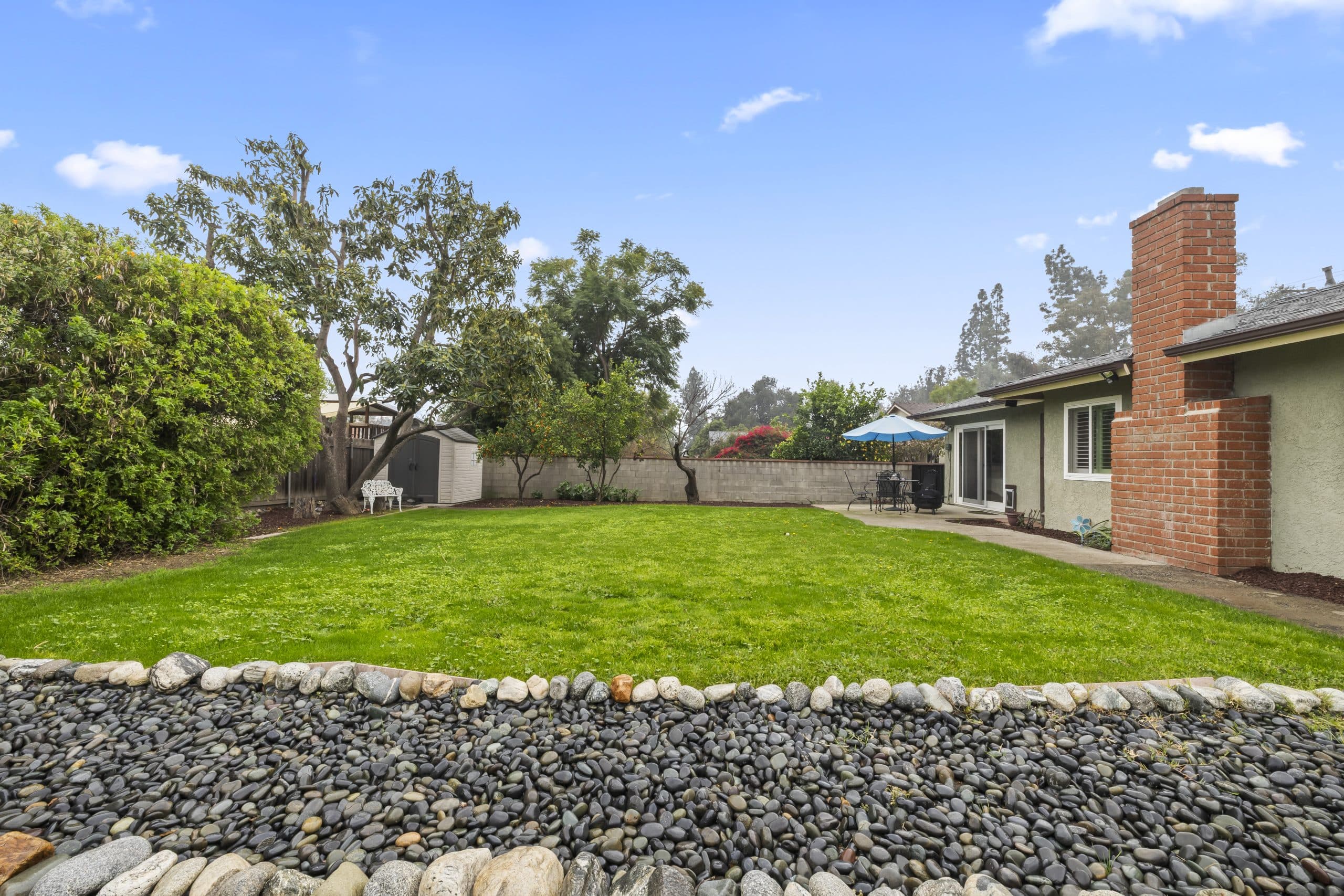
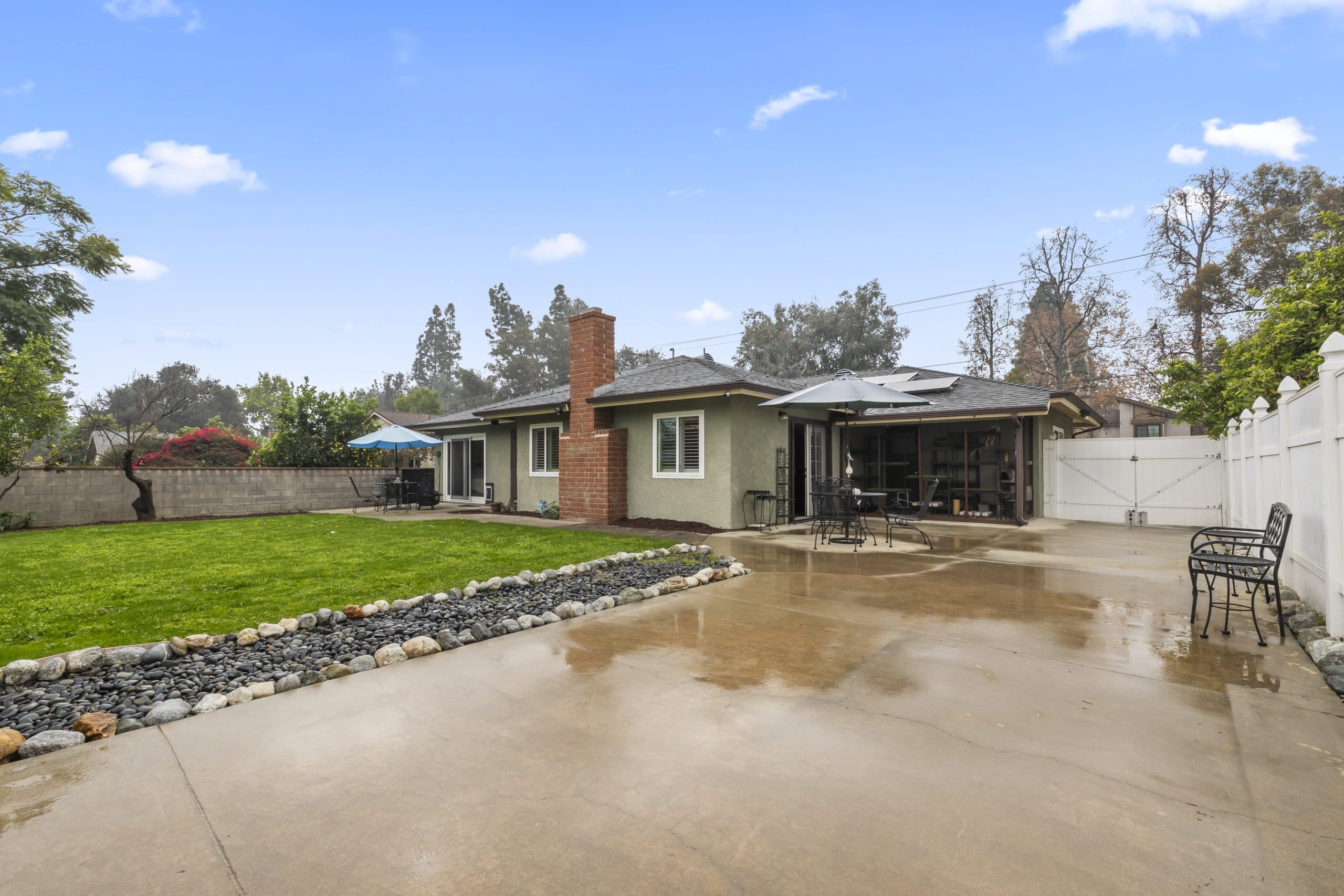
What it means practically: air conditioning is not optional, and its age and capacity should be on your inspection list rather than an afterthought. Shade matters enormously. A west-facing living room with no tree cover is a materially different house in August than the same plan facing east under a mature canopy. Walk a candidate house at mid-afternoon, not at ten in the morning when everything is pleasant.
The upside is real too: long, dry, reliably clear evenings, and an outdoor life that runs most of the year rather than a short window.
Autumn: the best season, plus the wind
Autumn here is genuinely lovely. The heat breaks unevenly, the light gets long, and the town's tree canopy turns in a way people do not expect from Southern California.
It is also Santa Ana season. Dry offshore winds come down through the passes and canyons, and they can be strong. The practical consequences are a sharp rise in fire risk across the region, occasional power shutoffs used as a precaution, debris and branch damage, and a few days a year where being outside is unpleasant.
None of that should scare you off. All of it should shape your due diligence. Ask about brush clearance obligations, check the roof and tree conditions carefully, and get an insurance quote for the SPECIFIC address early rather than assuming coverage and pricing from the city as a whole. That is doubly true for anything on the northern slope.
Winter: mild, green, and where the rain lives
Winter is the reward. Days are mild and often clear, the hills go green, and on the days after a storm the San Gabriels sit snow-capped directly behind town in a way that never stops being startling.
What is real: nearly all the year's rain arrives in this window, and it can arrive concentrated. That makes drainage a genuine inspection item, not a formality. How does water leave the lot? Where does the neighbor's water go? Is the property downslope of anything? An older home in a mature town has usually been tested by a few big storms, and the evidence is there if someone looks.
Nights get properly cold by Southern California standards, and older houses with original windows and thin insulation feel it. Heating matters more here than the postcard suggests.
Spring: short and beautiful
Spring is brief and worth catching. The hills stay green, the town's flowering trees do their thing, and the trails are at their best before the dry season closes them down visually.
It is also the season most people tour houses in, which is worth knowing: spring is the town at its most flattering. If you fall in love in April, come back in August before you commit, or at least be deliberate about the shade and cooling questions.
Microclimates within the town
Claremont is not uniform, and the difference is enough to matter.
- The northern, higher ground sits closer to the canyon mouths. It runs a touch cooler at night, catches more of the wind, and carries more of the fire-risk homework.
- The flatter central and southern areas sit lower and hold heat longer into the evening, but are more sheltered from the canyon wind.
- Canopy is its own microclimate. A street with mature trees is noticeably more comfortable than an unshaded one a few blocks away. This is one of the most underrated features of a specific address here.
How weather should change your house search
Weight three things you might otherwise treat as cosmetic: orientation, shade and the age of the cooling system. Add drainage and the roof. Then get the address-specific insurance quote before your contingencies expire.
None of this is a reason not to move here. It is a reason to buy the right house rather than the prettiest one you saw in April. The relocation hub covers the rest of the sequence, the surprises list collects the other things people did not expect, and the candid local answer puts the climate alongside the town's other trade-offs.
Anthony Grynchal has been licensed in California since November 2009.
Frequently asked questions
Is Claremont hotter than the coast?
Yes, noticeably. The town sits inland against the foothills with little marine influence for most of the year, so summers are hotter and longer than a coastal Southern California city. For actual temperature records, use National Weather Service data rather than any article.
Do I need air conditioning here?
Yes. Treat the system's age, capacity and condition as an inspection priority rather than a detail, and think about a home's orientation and shade at the same time, since a west-facing room without tree cover behaves very differently in late summer.
What are Santa Ana winds and do they affect buying?
They are dry offshore winds that come down through the passes and canyons, mostly in autumn. They raise regional fire risk, can prompt precautionary power shutoffs, and cause debris damage. They should shape your insurance quote, roof and tree inspection, and brush clearance questions.
Does it rain much in Claremont?
Nearly all of the year's rain arrives in a concentrated winter window. That makes drainage a genuine inspection item: where water leaves the lot, where a neighbor's water goes, and whether the property sits downslope of anything.
Are there microclimates within town?
Yes. Higher northern ground near the canyon mouths runs cooler at night and catches more wind, flatter southern areas hold evening heat but are more sheltered, and a street's tree canopy makes a real difference to comfort at a specific address.

Written by
Anthony Grynchal
Anthony Grynchal is a California real estate professional with eXp Realty, licensed since November 2009 (California DRE# 01873626), and the Designated Local Expert™ for Claremont — where he has lived for more than 33 years.
More about AnthonyPublished · Updated