Glendora and Claremont end up on the same shortlist constantly, and for a good reason. Both sit against the San Gabriels. Both have mature tree canopy. Both have a small historic main street that locals are protective of. Both feel, to an arriving buyer, like the version of Southern California that did not get paved over.
So the comparison is genuinely close, which means the deciding factors are small and specific rather than dramatic. Here is where they actually separate.
One caveat up front: everything below is about CHARACTER, BUILT FORM and DISTANCE. Nothing here is a price or a travel time. Those move week to week, and you should pull them live — market data from the MLS through an agent, tax detail from the county assessor, and drive times from your own car on your own schedule.
Scale and shape
Glendora is the longer, more vertical town. It runs uphill hard, and the northern neighborhoods climb into genuinely steep terrain with canyon roads, view lots and a different building era at each elevation. The Glendora Village sits low, and the town stretches north from it into the foothills.
Claremont is flatter and more gridded through its core, with the slope arriving mostly at the northern edge. Its center is not a strip along one road but a compact district you can circle on foot in a few minutes, wrapped immediately by the college campuses.
That difference shows up in how you move. In Glendora, elevation is part of your daily life. You drive down and back up. In Claremont, most errands are lateral, and a meaningful number of them are walkable if you live near the middle.
The center of town
Glendora Village is a charming, linear main street: independent shops, restaurants, a genuinely pleasant evening stroll along one axis.
Claremont Village is a district rather than a street, several blocks deep, with the colleges, a theater, a weekly farmers market and a Metrolink platform inside the same walking radius. It carries more foot traffic more of the week, largely because a student and faculty population is attached to it.
Whether that is a plus depends entirely on you. Some newcomers want the energy and the calendar. Others find a college-adjacent center busier and noisier than the quiet they moved for, particularly at the start of a semester. Both reactions are legitimate and I would rather you discover yours before closing than after.
Hills, and what they bring with them
Glendora's north end offers views and larger, irregular lots that are hard to match elsewhere in the valley. It also brings the full hillside homework: access on narrow roads, drainage, brush clearance obligations, slope stability, and insurance that must be quoted on the specific address rather than assumed. None of that is a reason to avoid the hills. It is a reason not to skip due diligence.
Claremont's northern neighborhoods rise too, and the same questions apply there, but a larger share of the town sits on flatter ground with a more conventional maintenance profile.
Housing character
Both towns have real historic stock and both have postwar tracts. The texture differs.
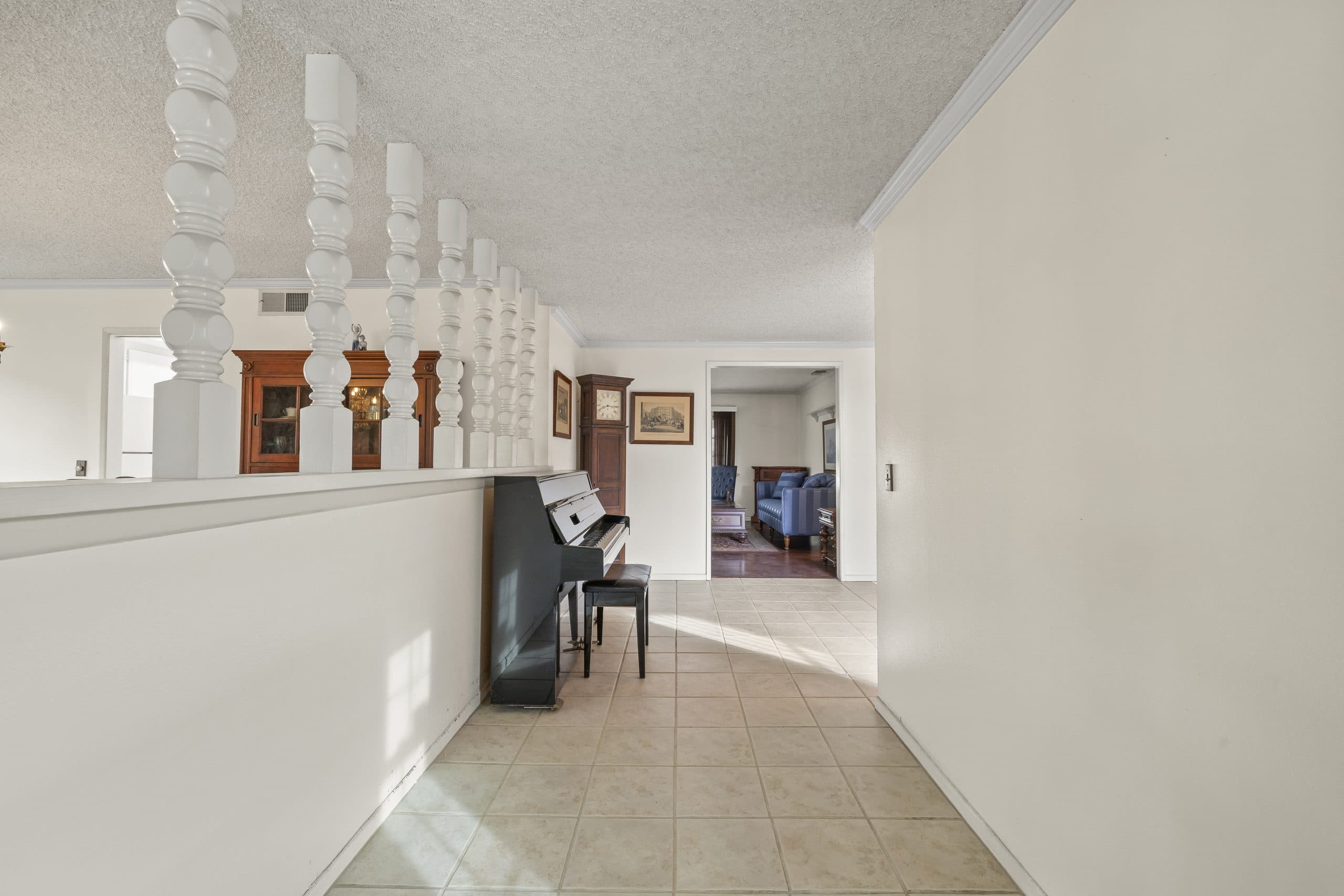
- Claremont layers eras tightly. A street of early bungalows can sit a short walk from a mid-century tract and a newer infill home. Older neighborhoods near the center trade size for proximity.
- Glendora separates eras more by elevation and by decade of expansion, so the character shifts as you climb rather than block to block.
If you like being able to walk between three architectural periods in ten minutes, Claremont will feel richer. If you want a clearer sense of arriving in a distinct neighborhood, Glendora will.
Schools and the boundary question
Both towns have their own unified school district, and both are a common reason families look here at all. I do not publish rankings and I would not trust an article that did. Attendance boundaries are the practical issue, they change, and a listing's claim about a school is not authoritative. Confirm any Claremont address directly with Claremont Unified School District, and confirm a Glendora address with Glendora Unified, before an offer depends on it.
The honest drawbacks
Claremont: hot inland summers, older systems in older houses, a deliberately slow pace, protective planning that can make renovation a longer conversation, and evening parking pressure near the Village.
Glendora: less walkable overall unless you live close to the Village, more driving built into ordinary errands, and a hillside share of the market that carries higher maintenance and insurance homework. The town also stretches, so where you land within it changes your experience more than it does in Claremont.
A practical way to choose
Give each town one weekday evening and one weekday morning. Walk the center twice. Drive your real route at your real hour. Park in two residential pockets per town and walk a block in each, watching lot size, canopy, street width and how houses meet the sidewalk.
Then answer honestly: do you want a town you can walk into the middle of, or a town you drive down into and back up out of? That single question resolves this pair more often than any other.
If the answer is Claremont, the relocation hub has the rest of the sequence, the 90-day plan puts it on a calendar, and the San Dimas comparison covers the other town that lands on this same shortlist.
Anthony Grynchal has been licensed in California since November 2009.
Frequently asked questions
Is Claremont or Glendora more walkable?
Claremont, for most residents. Its center is a multi-block district rather than a single main street, and a larger share of the town sits within walking distance of it. Glendora Village is very pleasant on foot but is linear, and much of the town is uphill from it.
Which town has bigger lots?
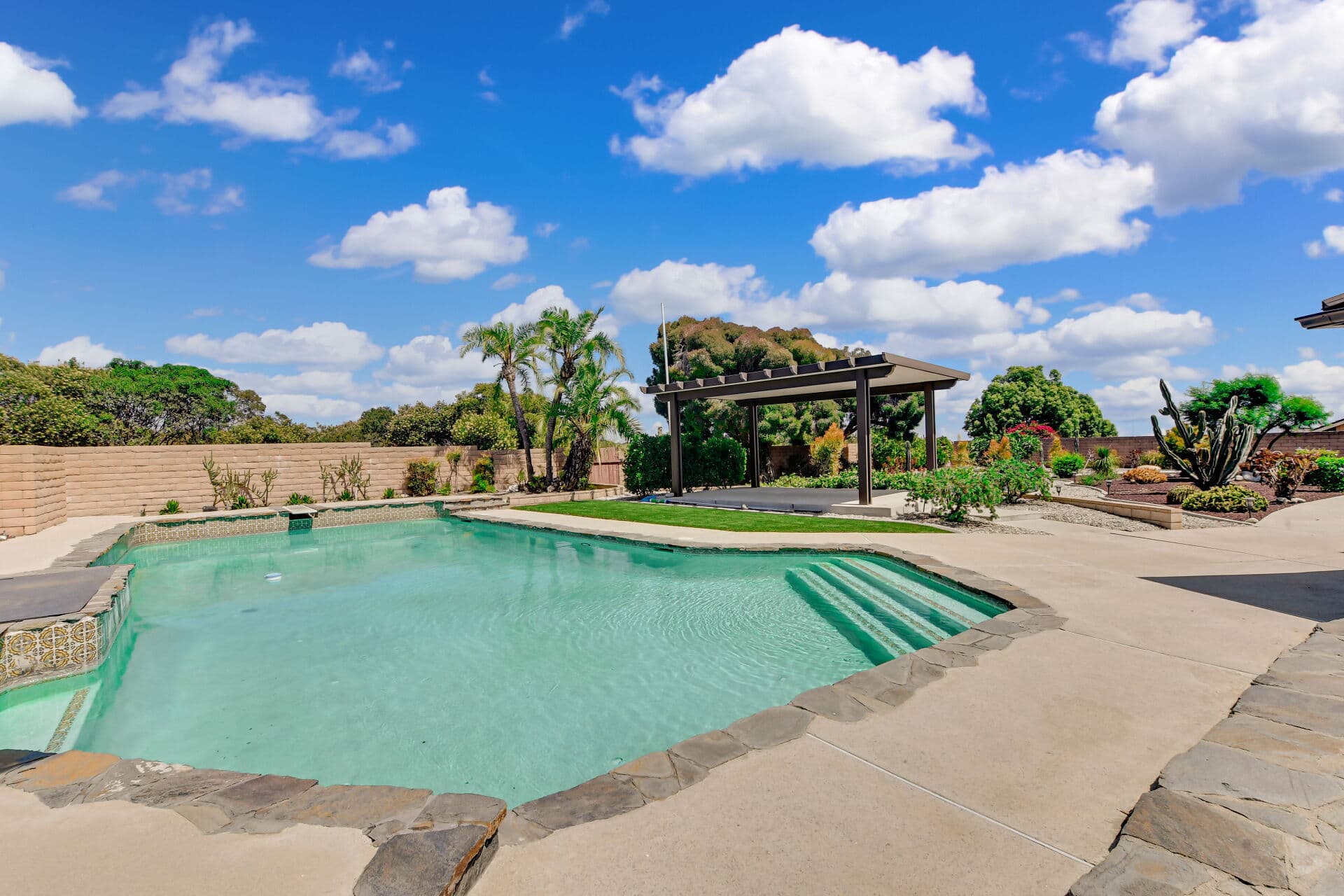
Glendora's northern hillside neighborhoods include larger and more irregular parcels than most of Claremont. Those lots also come with slope, access, drainage, brush clearance and insurance considerations that should be checked on the specific address.
How do I compare schools between the two?
Each town has its own unified district. Rather than relying on rankings, confirm the attendance boundary for a specific address directly with Claremont Unified School District or Glendora Unified, since boundaries change and listing claims are not authoritative.
Does the college presence change daily life in Claremont?
Yes. It brings a dense calendar of talks, concerts and events, more foot traffic in the center, and a seasonal rhythm tied to the academic year. Some newcomers love it; others find it busier than expected. Visit at the start of a semester if you want the honest version.
Where do I get current prices for either town?
From live sources only. Ask an agent for current MLS activity in both cities, check the county assessor for parcel-level tax detail, and get an insurance quote for the exact address, especially for hillside properties.

Written by
Anthony Grynchal
Anthony Grynchal is a California real estate professional with eXp Realty, licensed since November 2009 (California DRE# 01873626), and the Designated Local Expert™ for Claremont — where he has lived for more than 33 years.
More about AnthonyPublished · Updated