A lot of people arrive in this town at the other end of a career. Some are returning after decades away. Some followed adult children. Some spent thirty years commuting somewhere and decided they were finished with it. The pattern is consistent enough that it is worth writing down what actually makes the town work late in life, and what does not.
Nothing here is financial advice, and there are no figures below. Costs, taxes and market conditions move, and they should come from live sources: an agent for current market data, the county assessor for parcel tax detail, and your own CPA or financial adviser for anything about how a move affects your situation.
The walkability is the whole argument
If I had to defend Claremont as a retirement town in one sentence, it would be this: it is one of the few places in the region where you can genuinely reduce how much you drive without moving into a city.
The Village is a compact district rather than a single street, so a walk from a nearby home reaches groceries, restaurants, a theater, a bank, a pharmacy, medical offices and a train platform. That matters at fifty-five as a pleasure. It matters at eighty as independence.
This is the thing to weight most heavily and the thing most buyers weight least, because at the moment of purchase everyone still drives comfortably. Buying for the person you will be in twenty years is not pessimism; it is the entire point of a last move.
The college calendar is a retirement amenity
Because the campuses sit inside the town, their public programming is effectively civic. Lectures, concerts, exhibitions, film series, visiting speakers, most of it free or inexpensive, most of it walkable from the center.
For a retired household this is unusually valuable. It supplies structure and a reason to leave the house on a Tuesday, which is precisely what a retirement in a quiet suburb can lack. Several people I have worked with describe it as the single biggest difference between here and the town they left.
A town that changes slowly
Claremont's planning culture is protective. New construction is limited, the tree canopy is defended, and the shape of the place shifts gradually. Some newcomers find that frustrating. For someone making a final move, it is close to the whole appeal: you are buying the town you toured, not a construction schedule.
The housing decision
Two questions decide most retirement purchases here, and they pull against each other.
Proximity or space? Homes near the Village trade square footage for walkability. If the walkability is the reason you are moving, do not then buy for square footage at the edge of town and expect the benefit.
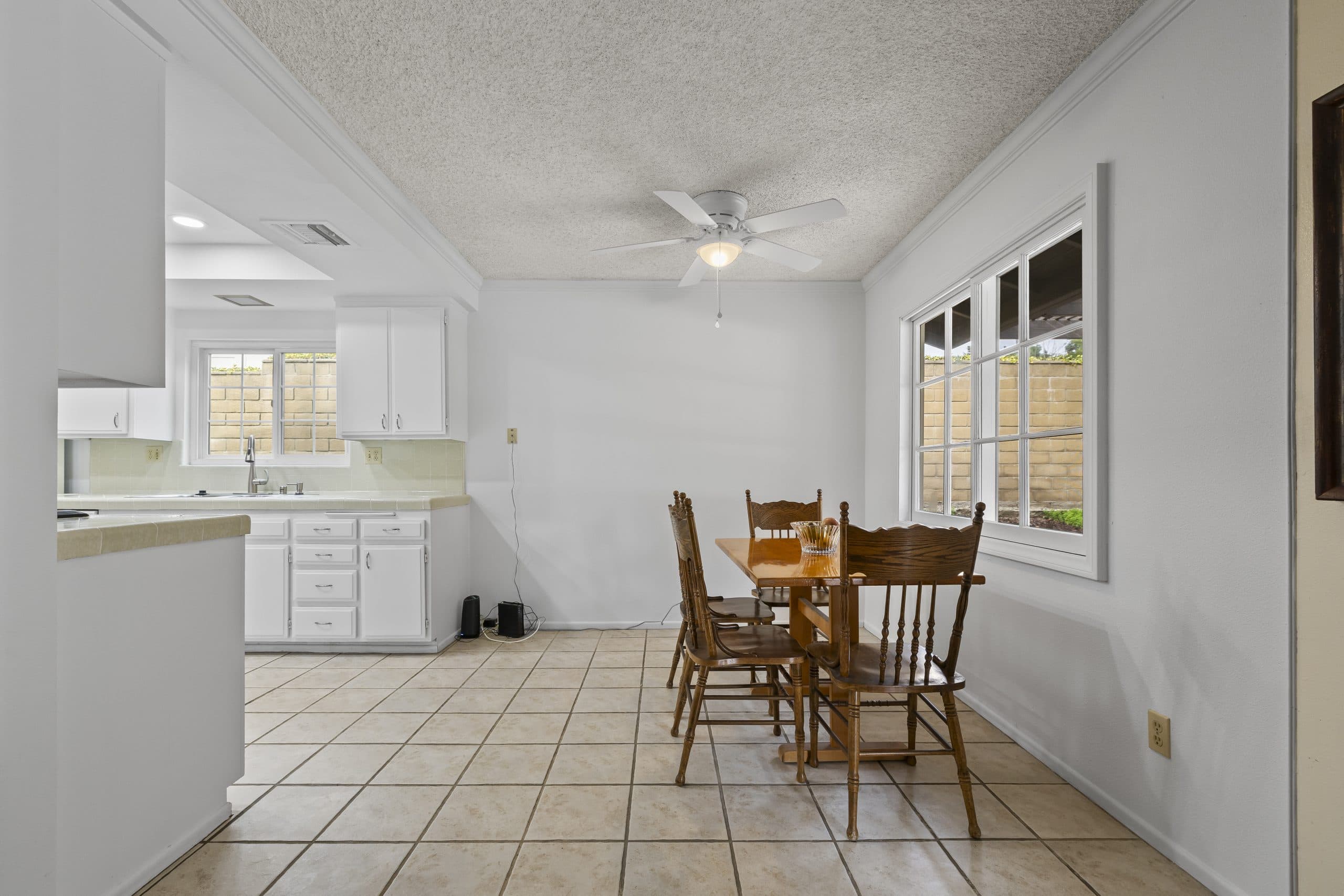
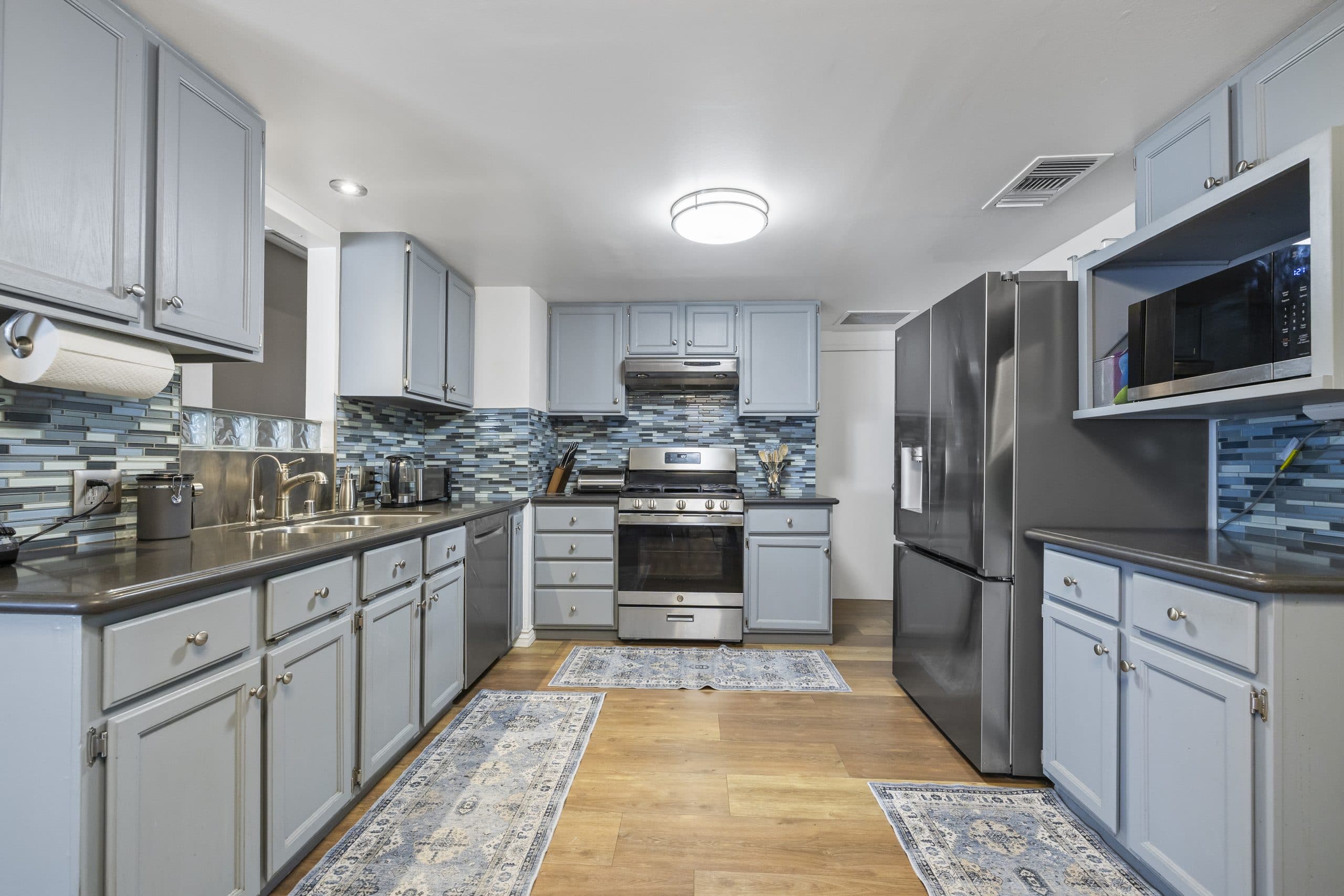
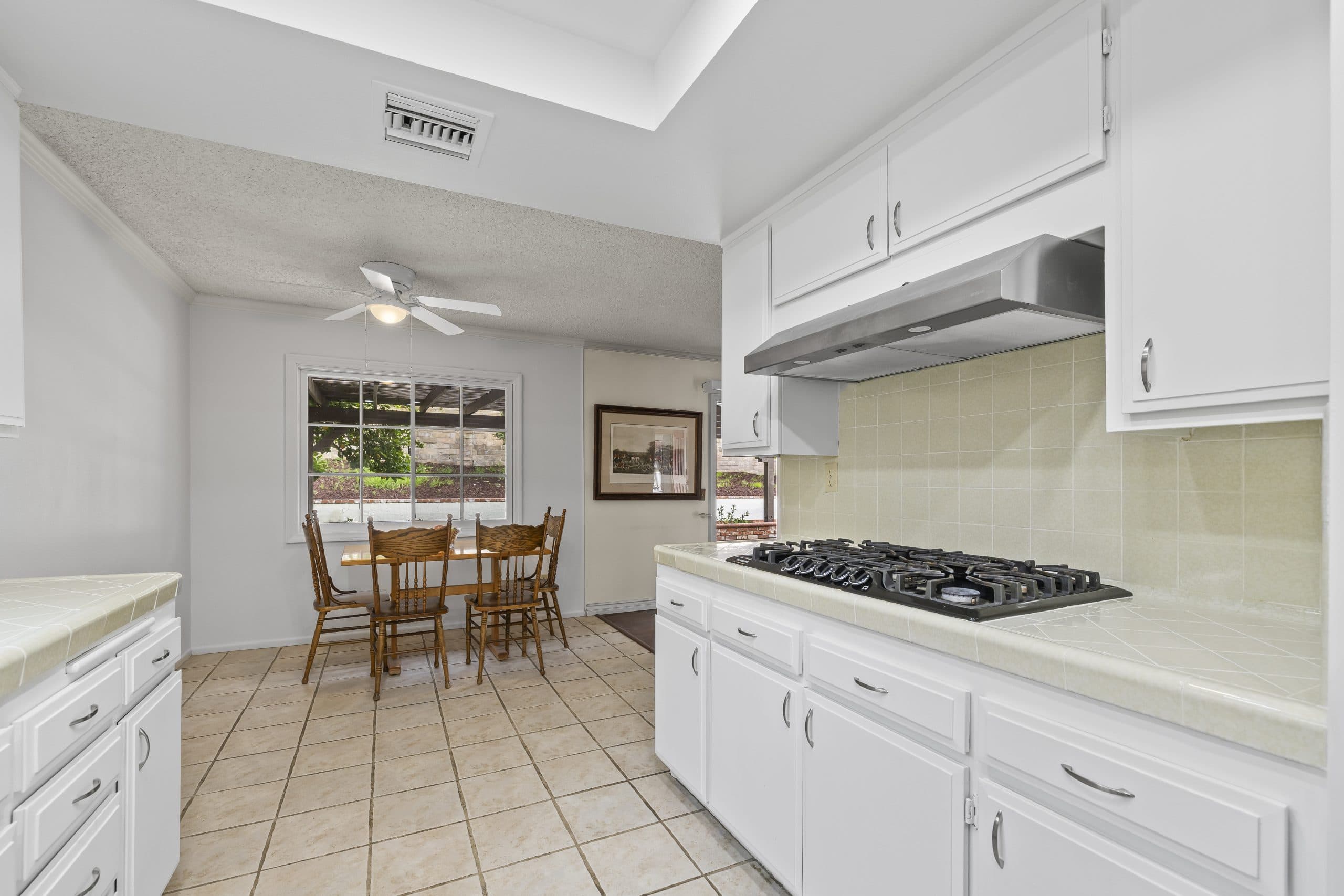
Single story, and how single? Ask more precisely than one floor or two. Steps at the entry, a step into a garage, a bathroom you could not modify, narrow doorways and a laundry in a basement are the things that actually end up mattering. Older housing stock is full of half-steps that do not appear in a listing.
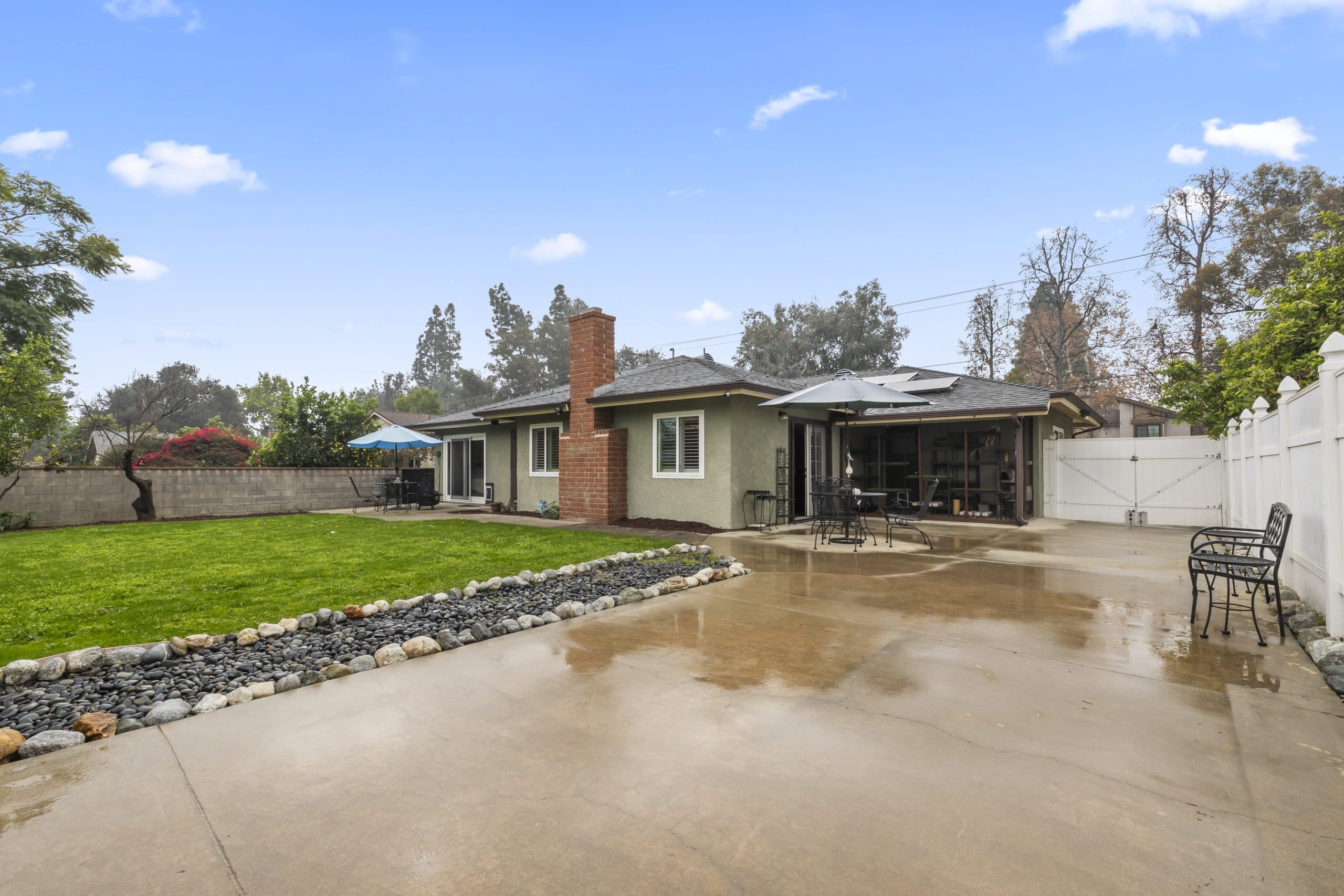
Also weigh maintenance honestly. A mature lot with big trees is beautiful and it is work. An older home has older systems. If the plan is to reduce effort, buy accordingly, and get the roof, drainage, electrical and cooling looked at with your intended stay in mind. The climate here also argues for taking the cooling system seriously.
Healthcare and family logistics
Check the practical questions before you commit rather than after: whether your plan and preferred providers work in this area, how far your routine appointments would be, and how someone would reach you if driving stopped being an option. Confirm all of that directly with your insurer and the providers themselves; it is not something an article can answer for you.
If adult children are part of the reason for the move, be honest with each other about how permanent their location is. People do relocate near family and then watch the family relocate. Buying somewhere you would still want to live if that happened is the safer version of the plan.
The honest drawbacks
The summers are hot and long, and inland heat is harder to shrug off later in life than earlier. Plan for it in the house you choose.
The town is quiet. If you are leaving a city and expect a dense social calendar to appear, it will not; you will have to build it, and the college programming plus local groups are the best route in. Doing that deliberately in the first months matters, and finding community fast is worth treating as part of the move rather than something that follows it.
Nightlife is limited. Air travel means driving to an airport. And the older housing stock that gives the town its character carries maintenance with it, which is the trade-off to price in rather than to discover.
If it fits
Visit in August, not only in April. Walk the Village on a weekday evening. Sit in the house you are considering at mid-afternoon in summer. Then decide whether the walkable, quiet, slow-changing version of a town is the one you want to finish in.
The relocation hub holds the rest of the sequence for arriving here.
Anthony Grynchal has been licensed in California since November 2009.
Frequently asked questions
What makes Claremont a good retirement town?
Mainly walkability. The Village is a compact district where groceries, restaurants, medical offices, a theater and a train platform sit inside one walk, which supports independence as driving becomes less appealing. The colleges' public calendar adds structure that quiet suburbs often lack.
Should I buy a single-story home?
Ask more precisely than one story or two. Steps at the entry, a step into the garage, narrow doorways, a bathroom that cannot easily be modified and laundry on a different level are what actually matter, and older local housing stock is full of half-steps that never appear in a listing.
How do I check healthcare access before moving?
Confirm directly with your insurer and with the specific providers whether your plan and preferred doctors work in this area, and how far routine appointments would be. That is not something an article can answer for your plan.
What are the drawbacks of retiring here?
Long, hot inland summers, a quiet social scene you have to build rather than inherit, limited nightlife, a drive to any airport, and older housing stock that carries real maintenance along with its character.
Should I move to be near adult children?
It is a common and often good reason, but be candid about how permanent their location is. People do relocate near family and then watch the family move. Choosing a home you would still want if that happened is the safer version of the plan.

Written by
Anthony Grynchal
Anthony Grynchal is a California real estate professional with eXp Realty, licensed since November 2009 (California DRE# 01873626), and the Designated Local Expert™ for Claremont — where he has lived for more than 33 years.
More about AnthonyPublished · Updated