Most relocations are underwritten by one job. Someone accepted a role, the offer was good, the household said yes, and the move became a logistics problem. The part that gets underplanned is the OTHER career in the house, and it is frequently the part that decides whether the move feels like an upgrade in year two.
This article is about that second career and the housing decisions it touches. It deepens the relocation guide and sits beside the employer package guide, which covers what the sponsoring job may be willing to fund.
Name it as a project, on the same calendar
The failure mode is predictable. The sponsoring job has a start date, a relocation coordinator, and a budget. The second career has none of those, so it gets deferred to after the boxes are unpacked, and then it is January and nothing has moved.
The correction is unglamorous: give the second career a start date of its own, put it on the same calendar as the move, and give it a budget line. If the employer package has any flexibility, ask whether spousal or partner career support is available. Some packages include it, many will negotiate it, and almost nobody asks.
Do the licensing question first, because it has the longest lead time
If the second career is in a licensed field, this is the item that must start before the move, not after. Teaching, nursing, therapy and counselling, law, accountancy, real estate, cosmetology, and a long list of trades are all state-regulated, and California's requirements for someone licensed elsewhere vary from a straightforward reciprocity path to a substantial re-examination.
Go to the specific California board that governs the profession and read their out-of-state applicant instructions directly. Do not rely on a forum, a recruiter, or a colleague's memory of how it worked years ago. Ask three questions: what transfers, what does not, and how long does the process actually take from a complete application. That third answer is the one that belongs on the relocation calendar.
The general newcomer paperwork sequence sits in the newcomer admin guide; the professional licence is a separate track and a longer one.
What the local employment landscape actually looks like
Two honest observations about working from a Claremont base, neither of them a statistic.
The town has an institutional core. The Colleges are a substantial and stable local employer with a wide range of roles, not only academic ones, and the same is true of the school district and the city. Institutions hire on their own calendars, so knowing when a given institution posts is more useful than checking a job board daily.
The region is the real market. Claremont sits at the junction of the San Gabriel Valley and the Inland Empire, with freeway and rail access in several directions. A second career here frequently means commuting somewhere, which turns a job search into a geography problem: a role that is a reasonable commute from one part of town may be an unreasonable one from another. Test the actual drive at the actual hour before treating a location as workable.
Remote and hybrid work has changed this calculation more than anything else in the last several years, and for many households the second career simply travels with them. If that is your situation, the remote work guide covers the practical side of running a working life from here.
Where this touches the house
This is the part people miss, and it is why the second career belongs in the housing conversation rather than after it.
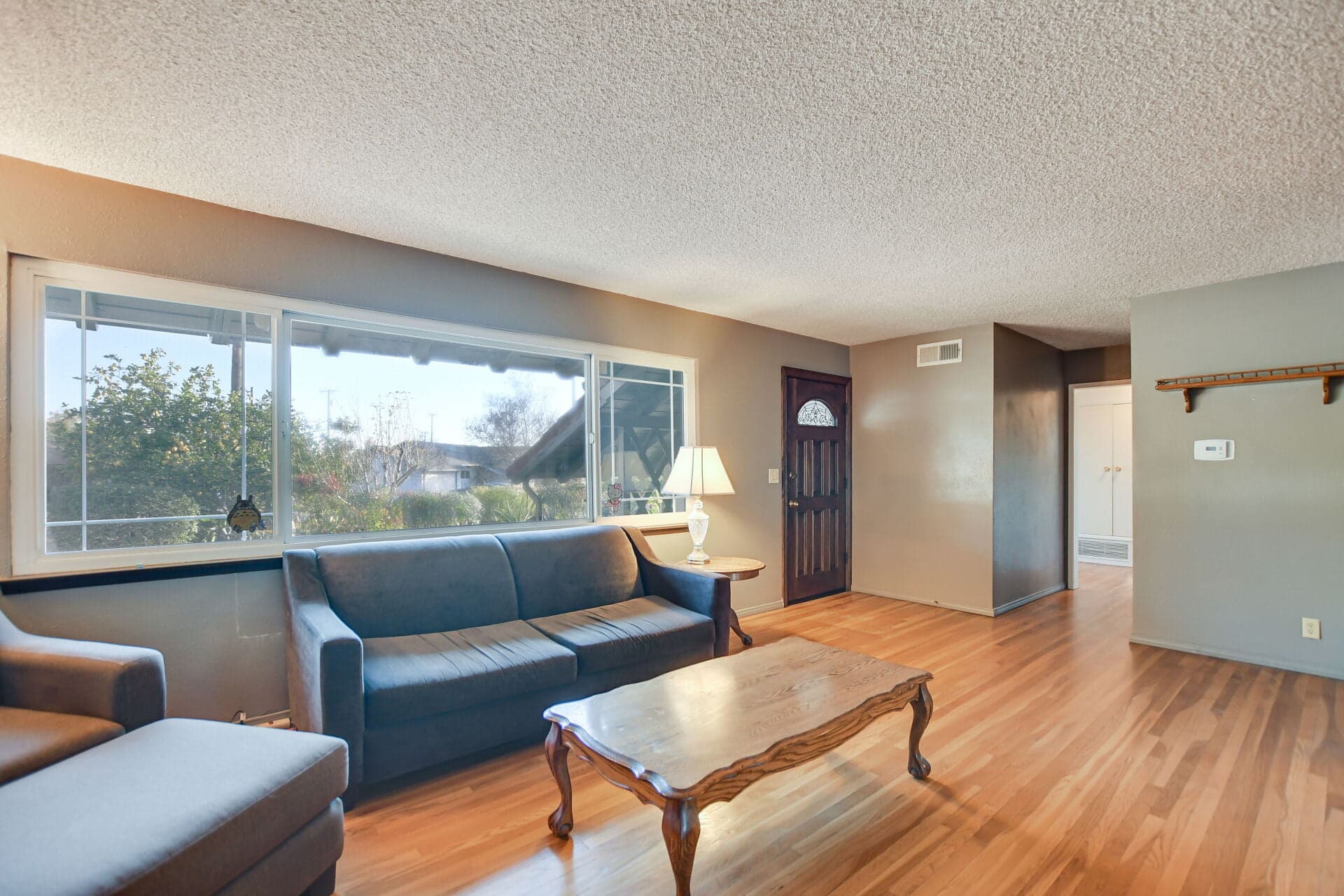
A household with one commuter and one remote worker wants different things from a floor plan than a household with two commuters. A second workspace is not a nice-to-have if two people take calls simultaneously; it is a bedroom count and a door count. Older Claremont houses are often generous in square footage and stingy in enclosed, quiet rooms, so walk properties asking where the second desk goes rather than whether the house is big enough.
If the second career is likely to be regional rather than local, freeway and rail proximity move up the priority list, and that is a location decision more than a house decision. If it is likely to be self-employed or client-facing, ask early about home occupation rules for the specific property, including any association restrictions.
The renting argument, stated plainly
A household where one career is unsettled has a strong case for renting first. Not because Claremont is a risk, but because the second career's eventual location is unknown, and buying a house before you know where the other job is places a large, illiquid bet on a variable you have not resolved yet. The rent-first guide makes the wider version of this argument; the second-career case is simply its sharpest instance.
A workable sequence
- Before the offer is accepted: ask whether the package includes partner career support, and ask what the licensing path looks like for the regulated field, straight from the California board.
- Ninety days out: begin the licensing application. Rebuild the network deliberately: professional associations here are regional, and an introduction from the sponsoring employer's colleagues is a real asset.
- House hunting: carry the second career into the search as a requirement, not a footnote. Workspace, commute geometry, home occupation rules.
- First ninety days after landing: treat the search as the job. The community guide is not only a social document; the fastest professional introductions in a small town come through the same channels.
The honest part
Second careers after a relocation often take longer than anyone budgeted, and the households that come through it well are the ones who said so out loud in advance rather than discovering it in silence. Plan for a gap. Fund the gap. And be careful about buying the maximum house the sponsoring salary supports while the second income is still theoretical, because a mortgage sized to two incomes and carried by one is the most common regret in this whole category.
This is general information; licensing, employment, and lending decisions are governed by the relevant boards, employers, and lenders.
Anthony Grynchal has been licensed in California since November 2009 and has sat with plenty of relocating households at the moment the second career becomes the real conversation. It goes better when it is the first conversation instead.
Frequently asked questions
Does a professional licence transfer to California when I relocate?
It depends entirely on the profession. Some fields offer a reciprocity path for an applicant licensed elsewhere and others require substantial re-examination. Go directly to the California board that governs the profession, read the out-of-state applicant instructions, and ask how long a complete application takes, because that timeline belongs on the relocation calendar.
Can I ask an employer relocation package to help the other career in the household?
It is worth asking. Some packages include partner or spousal career support, many will negotiate it, and most households never raise it. Ask before the offer is accepted, when the terms are still open, rather than after the start date is set.
How should a second career affect which Claremont house we buy?
It should affect the floor plan and the location. Two people taking calls at once need enclosed, quiet rooms rather than open square footage, and a regional job search raises the value of freeway and rail proximity. If the second career is self-employed, check home occupation rules for the specific property and any association restrictions.
Is renting first a better idea when one career is unsettled?
Often, yes. Buying before you know where the second job will be places a large, illiquid bet on an unresolved variable, and a mortgage sized to two incomes but carried by one is a common regret. Renting keeps the location decision open until both careers are real.

Written by
Anthony Grynchal
Anthony Grynchal is a California real estate professional with eXp Realty, licensed since November 2009 (California DRE# 01873626), and the Designated Local Expert™ for Claremont — where he has lived for more than 33 years.
More about AnthonyPublished · Updated